
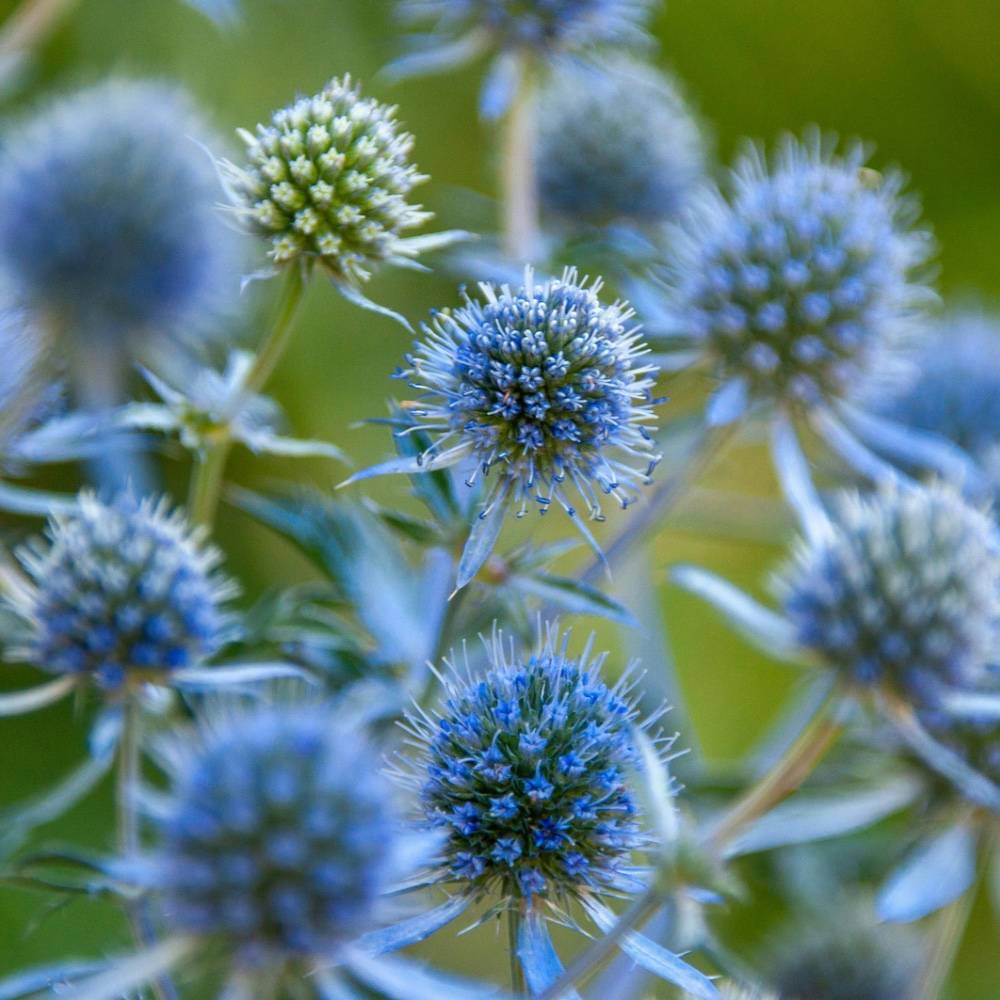
Eryngium (or Sea Holly) are prickly, thistle-like perennials that attract wildlife and make a dramatic statement. I’ll be honest, I think they look neat. Those coneheads are really striking.
But if you’re thinking of growing them then there’s a few plants you’ll want to avoid. They don’t get on with well with any and every other plant.
Understanding Eryngium
Eryngium, or sea holly as some folks call it, is a real head-turner in the garden. Those steely blue, almost alien-looking flowers? Yeah, they’re something else.
But they’re not always relaxed about their neighbours. If you don’t bother to plan beforehand & simply throw them in with everything else you could have problems. They’ll look kind of sad and leggy, not the robust, spiky beauties you’ve seen in the garden mags.
Eryngium isn’t just about looking good; it’s got its own set of needs. They like well-drained, lean soil and full sun. If you get that wrong, they’ll sulk. And if you plant them with the wrong crowd, well, let’s just say it’s not a happy garden party.
Getting the companion planting wrong can really mess with your Eryngium’s growth. They might not get the nutrients they need or they might get shaded out. A struggling Eryngium is not a pretty sight. You’ll end up with spindly plants, fewer flowers and a whole lot of frustration.
A Quick Thought
It’s funny how plants are like people in a way. They have their own preferences and personalities. Some are easygoing, some are a bit more.. demanding. Eryngium? Definitely falls into the demanding category.
Plants to Avoid Planting with Eryngium
These are the plants you want to steer clear of when you’re working with Eryngium. It’s a bit of a mixed bag, and I’ve learned a few of these the hard way.
Plants that prefer rich, moist soil

The likes of Hostas, Astilbes and similar moisture-loving plants. Eryngium thrives in well-drained, lean soil. Planting it alongside plants that demand constant moisture creates a soil environment that’s simply too wet. The Eryngium’s roots will struggle, leading to rot and a generally unhappy plant.
Shade-loving plants
Eryngium is a sun worshipper. It needs full, direct sunlight to flourish. Plants that prefer shade, like certain ferns or woodland ground covers, will cast shadows that deprive Eryngium of the light it needs. This leads to weak, leggy growth and reduced flowering.
Vigorous, invasive spreaders
Plants like Mint, some types of Ivy or certain fast-growing ground covers are just bullies in the garden. They spread rapidly, outcompeting Eryngium for space, nutrients and water. Eryngium is a relatively slow grower and it can’t hold its own against these aggressive spreaders. They’ll quickly take over, leaving your Eryngium struggling or even choked out.
Plants with high water needs
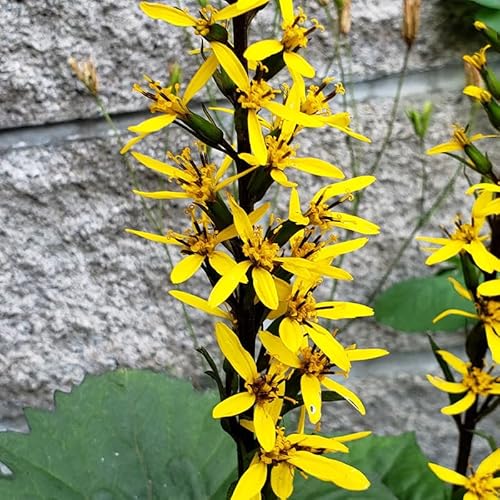
Iris, Ligularia and other plants that love consistently moist soil are a no-go with Eryngium. Eryngium prefers dry conditions and constantly wet soil will lead to root rot and other moisture-related problems. It’s a recipe for fungal diseases and a generally unhealthy plant.
Plants that require a lot of nitrogen
Heavy feeders like Tomatoes, Corn or other vegetables demand a lot of nitrogen from the soil. This depletes the nutrients that Eryngium needs to thrive, leaving it weak and struggling. Eryngium prefers lean soil and excessive nitrogen can actually hinder its growth.
Plants that create dense shade
Large, leafy plants like some varieties of Ferns, or big, bushy shrubs can create too much shade for Eryngium. Remember, Eryngium needs full sun. Dense shade will prevent it from getting the light it needs, leading to poor growth and reduced flowering.
Plants susceptible to powdery mildew
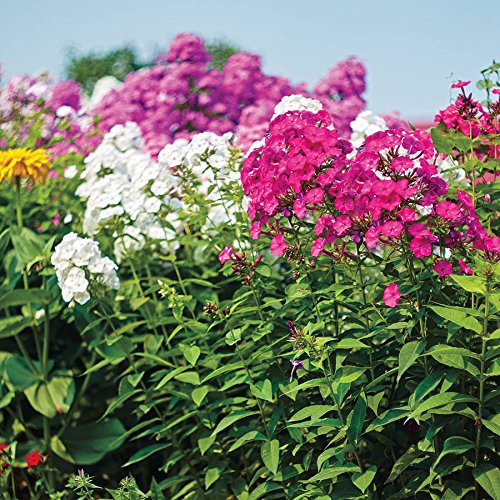
While Eryngium itself is relatively hardy, planting it near plants prone to powdery mildew, like certain types of Phlox or Cucurbits, increases the risk of Eryngium catching the disease. Powdery mildew thrives in humid conditions and once it takes hold it can spread quickly, affecting both plants.

Plants that are overly competitive for space
Some large, bushy plants can simply take up too much room, leaving Eryngium feeling cramped and crowded. Think big, sprawling shrubs or rapidly expanding perennials. Eryngium needs space to grow and spread its roots, and overcrowding can lead to stress and poor growth.
Plants that change the soil pH drastically
Eryngium prefers neutral to slightly alkaline soil. Planting it near plants that acidify the soil, like Rhododendrons or Azaleas, will throw things out of whack. This can affect Eryngium’s ability to absorb nutrients and thrive.
Plants that attract pests that also affect Eryngium
If you plant Eryngium near plants that attract aphids, spider mites, or other pests that also like Eryngium, you’re just asking for trouble. It’s like setting up a buffet for garden pests. These pests can quickly spread from one plant to the other causing damage and weakening both plants.
Plants that are prone to root competition
Some plants have really aggressive root systems and they will out compete eryngium for water and nutrients. These plants will take over the area and leave the eryngium struggling to survive, often resulting in a weak plant that fails to thrive.
Good Companion Plants for Eryngium
There are plenty of plants that get along just fine with Eryngium. Think about plants that like the same conditions – dry, sunny, and well-drained.
- Lavender: They both love sun and dry soil, and the contrasting colors look great together.
- Yarrow: Another sun-lover that adds a nice splash of color.
- Sedum: Perfect for those dry, sunny spots, and they complement Eryngium’s spiky texture.
- Thyme: Low-growing and drought-tolerant, it makes a great ground cover around Eryngium.
- Grasses: Ornamental grasses like Festuca or Stipa look fantastic with Eryngium, adding movement and texture.
Tips for Successful Companion Planting
Getting companion planting right is a bit of an art but here are a few things that I’ve found helpful.
- Know your plants: Understand their needs – sun, soil, water. It sounds obvious, but you’d be surprised how many people get this wrong.
- Space them out: Give your plants enough room to grow. Don’t cram them in; it’s not a good look and it’s not good for them.
- Consider the soil: Make sure the soil is right for both plants. If you need to amend it, do it before planting.
- Think about height and spread: You don’t want one plant shading out another. Plan accordingly.
- Observe and adjust: Gardening is a learning process. Pay attention to how your plants are doing and adjust as needed.
Final Thoughts
Getting companion planting right can be a bit of a challenge. But it’s so worth it. Eryngium is a stunning plant & when you pair it with the right companions it can really shine. Just remember to avoid those plants that compete for resources or prefer different conditions.
It’s about learning, experimenting and sometimes, making a few mistakes along the way. But hey, that’s how we learn, right? And when you finally get it right, when your Eryngium is thriving alongside its perfect companions, it’s a feeling like no other.
