
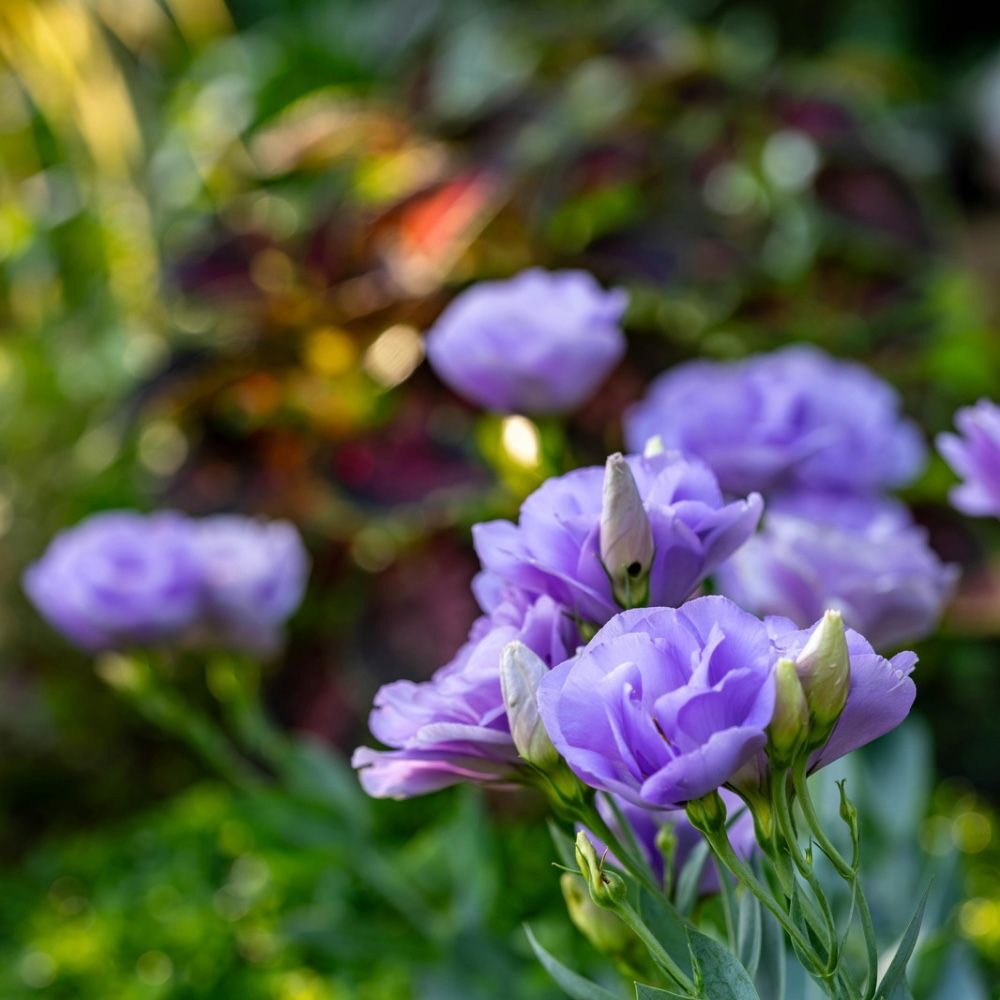
Growing lisianthus is great. It’s a cracking flower. But choosing what to plant with it, and more importantly what NOT to, is something you have to consider.
Some plants just don’t vibe together. And in the garden, those vibes can seriously mess with your blooms.
So I’m going to take you through which plants to avoid and why so you don’t make any major mistakes.
Understanding Lisianthus
Lisianthus is a bit particular. They’re gorgeous, no doubt, and they bring a certain elegance to any garden. But they’re not exactly the easiest to please.
They like well-drained soil, plenty of sunlight & consistent moisture. But they don’t play well with everyone. I remember trying to plant some lisianthus near my rosemary bush, thinking, “Oh, they’ll look lovely together.”
The lisianthus looked stressed, and the rosemary, well, it just kept doing its own thing, completely oblivious. Turns out they were competing for the same resources and the lisianthus lost our
Getting it wrong can seriously impact their growth. You might see stunted growth, fewer blooms or even watch them wither away. It’s a bit heartbreaking, especially when you’ve put in all that time & effort. It’s not just about aesthetics; it’s about survival of the fittest in the garden, and lisianthus, bless them, aren’t always the toughest.
Plants Not to Plant with Lisianthus
These are plants that you really should keep away from your lisianthus, and why.
Mint
Mint, oh mint, it’s that overbearing guest who takes over the party. It’s incredibly invasive, spreading its roots far and wide and quickly becomes a resource hog.
It competes fiercely for water and nutrients, leaving lisianthus starved. Plus, it tends to create dense foliage that shades out lisianthus, which need plenty of sunlight to thrive. I once had a patch of mint jump from a pot into my raised bed and it was a Herculean task to eradicate. It’s just too aggressive for the delicate lisianthus.
Sunflowers
Sunflowers are like the giants of the garden. They’re beautiful, yes, but they’re also incredibly greedy. They tower over other plants, hogging sunlight, water and nutrients. Lisianthus, being more petite and delicate, will get completely overshadowed and outcompeted.

Brassicas (Cabbage, Broccoli, Kale, etc.)
Plants in the Brassica family are heavy feeders. They’re like the athletes of the plant world, needing a constant supply of nutrients to fuel their growth. This means they deplete the soil, leaving little for lisianthus. They also attract pests like cabbage worms and aphids, which can then spread to your lisianthus, causing further damage.
Fast-growing Vines (Morning Glory, etc.)

These vines are the garden bullies. They climb and strangle, quickly engulfing any nearby plants. Lisianthus will get lost in the chaos, struggling to get adequate sunlight and airflow.
The dense growth can also trap moisture, leading to fungal diseases. Think of it like trying to keep a tidy desk when someone keeps piling papers on it – eventually, you’re overwhelmed.
Aggressive Rooters (Bamboo etc.)
Bamboo, though nice to look at, is a root hog. It spreads underground with relentless vigor, choking out other plants. Lisianthus has a relatively shallow root systems so doesn’t stand a chance. Imagine trying to share a small apartment with someone who takes up all the closet space – that’s your lisianthus’s life.
Lavender

While they might seem like a charming pairing lavender and lisianthus have fundamentally different needs. Lavender thrives in dry, well-drained soil, while lisianthus prefers consistent moisture. This mismatch can lead to root rot for lisianthus and stunted growth for lavender.
Rosemary
As I mentioned, rosemary and lisianthus compete for resources. Rosemary also prefers drier soil, and lisianthus want a bit more moisture. This difference in water needs creates a clash.
Rosemary’s robust nature can also shade out lisianthus, limiting their access to sunlight. It’s a bit like having a housemate who always adjusts the thermostat to their preference, regardless of yours.
Potatoes
Potatoes are heavy feeders and take up a significant amount of space. They can also introduce diseases like blight, which might affect your lisianthus. Additionally, the process of harvesting potatoes can disturb the roots of nearby plants, stressing the lisianthus.
Onions and Garlic

Onions and garlic release compounds that can inhibit the growth of many flowering plants, including lisianthus. They also have different watering needs, with onions and garlic preferring drier conditions. The strong scent of these plants can also deter pollinators that lisianthus rely on.
Fennel
Fennel is another aggressive grower that can inhibit the growth of nearby plants. It releases allelopathic chemicals that suppress the growth of other species. It also attracts certain pests, like aphids, that might bother your lisianthus.
Grasses (especially invasive types)
Grasses, especially invasive types, can quickly take over a garden bed. They compete fiercely for nutrients and water and their dense growth can shade out lisianthus. The fine roots of grasses can also intertwine with the roots of lisianthus, making it difficult to separate them.
Walnut Trees
Walnut trees release a substance called juglone, which is toxic to many plants, including lisianthus. Planting lisianthus near a walnut tree is a recipe for disaster. The juglone in the soil will inhibit the growth of the lisianthus, causing them to wither and die.
Eucalyptus
Eucalyptus trees are heavy water users & can leach nutrients from the soil, making it difficult for lisianthus to thrive. They also create a lot of shade which can prevent lisianthus from getting the sunlight they need. The strong scent of eucalyptus can also deter pollinators.
Good Companion Plants for Lisianthus
So we now know what not to plant. But what should you be planting then? Here are a few plants that work:
- Daisies: These cheerful flowers don’t compete much and add a lovely contrast.
- Snapdragons: They like similar conditions and add vertical interest.
- Cosmos: These are easygoing and don’t demand too much.
- Salvia: Salvia adds color and texture without being too competitive.
Tips for Successful Companion Planting
- Know your plants: Understand the needs of each plant you’re combining.
- Space them out: Give each plant enough room to grow.
- Consider soil and water needs: Make sure they match.
- Observe and adjust: Keep an eye on your plants and make changes as needed.
Final Thoughts
Gardening is never an exact science. There’s always going to be some trial and error involved. You’ll make mistakes, I know I have. But the key is to learn and adapt. Knowing what not to plant with lisianthus is a big step in the right direction.
Don’t be afraid to experiment but do your research. And remember sometimes it’s just about finding the right friends for your lisianthus. Get that right and you’ll have a garden that’s the envy of the neighborhood.
