
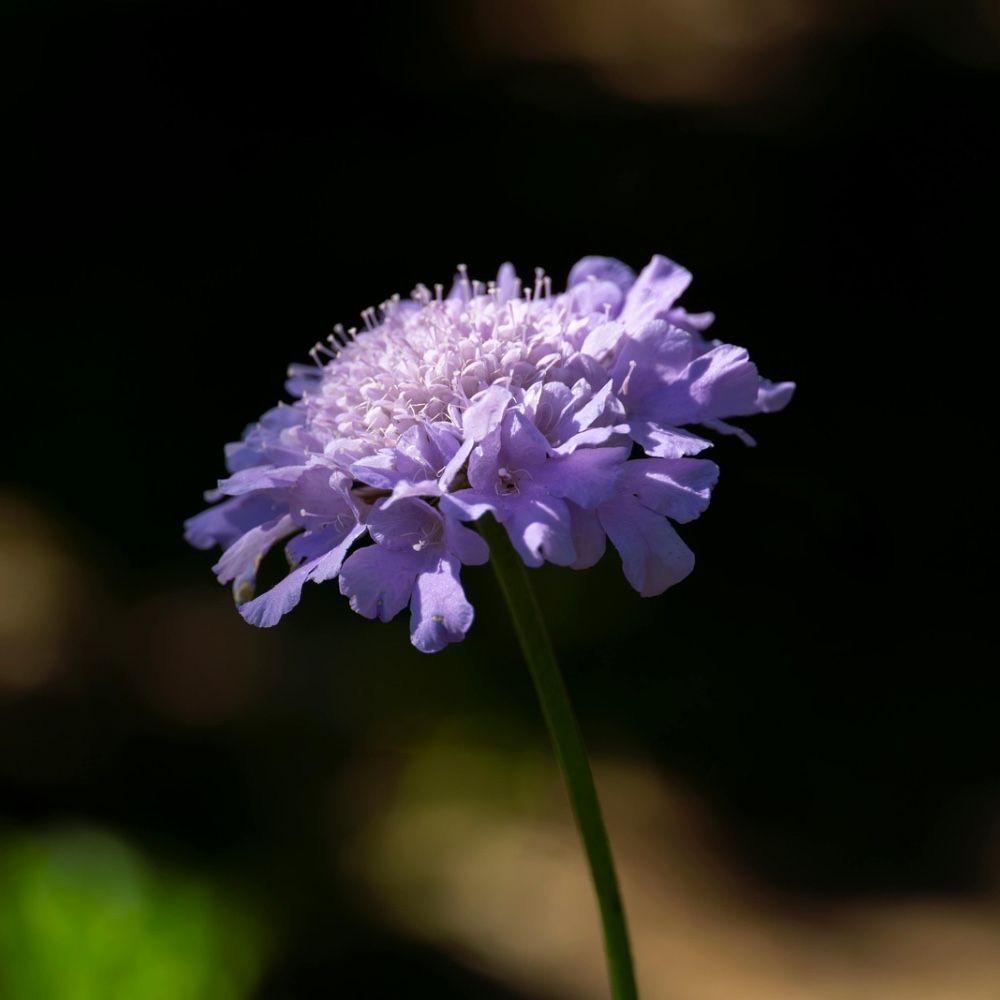
Scabiosa, or pincushion flower as it’s also known because of the look of its flowers, is beautiful. But if you’re going to plant some then it’s also important to know what not to plant with it.
So I’m going to go through what you won’t want to be planting with Scabiosa and why.
Understanding Scabiosa
So, Scabiosa. They’re lovely, right? But they’re not exactly the easiest to please. It’s not that they’re high-maintenance in the traditional sense but they’re picky about their neighbors.
Scabiosa really need their space and the right kind of soil. They don’t like to be crowded and if they’re competing for nutrients, they’re gonna lose. Also, if the soil is too damp or too rich they’ll sulk and just refuse to bloom. And trust me, you don’t want a sulking Scabiosa. It’s a sad sight.
Getting it wrong can really mess with their growth. They might get leggy, produce fewer flowers or even just keel over. And let’s be real, who wants that? You want those blooms to be vibrant and plentiful, right? It’s all about setting them up for success from the start.
Plants to Avoid Planting with Scabiosa
So let’s look at the plants you should probably keep far, far away from your Scabiosa. I’ve learned these lessons the hard way, so you don’t have to.
Mint
Mint, bless its invasive heart. It’s not just that mint spreads – it dominates.
Its aggressive root system will strangle the delicate roots of your Scabiosa, depriving them of water & nutrients. Plus’mint has a sneaky way of altering the soil’s pH, often making it more alkaline, which Scabiosa detest. You’ll end up with mint thriving and Scabiosa gasping for survival.
Anything in the Brassica Family (Cabbage, Broccoli, etc.)
These vegetables are nutrient hogs. Brassicas are heavy feeders, meaning they pull an enormous amount of nutrients from the soil, leaving your Scabiosa starved. They also prefer a richer, more fertile soil, which is the opposite of what Scabiosa want. It’s a fundamental conflict of interest and your Scabiosa will be the ones who suffer.
Sunflowers
Sunflowers are the tall, imposing neighbors who block out all the sunlight. They create dense shade that robs Scabiosa of the essential light they need to photosynthesize and bloom.
Your Scabiosa will become leggy, weak, and produce fewer flowers as they desperately try to reach for the light. Plus, their large root systems compete fiercely for water and nutrients, adding insult to injury.

Plants that Like Very Moist Soil (Like Hostas)

Hostas and Scabiosa have completely opposite water preferences. Hostas thrive in damp, shady conditions, while Scabiosa need well-drained soil to prevent root rot. Planting them will never work. One of them will inevitably suffer.
If you overwater to keep the Hostas happy, your Scabiosa will drown. If you keep the Scabiosa happy, your Hostas will wither.
Aggressive Spreaders (Like Some Types of Ivy)
Ivy, in its many forms, can be a relentless invader. It spreads by sending out runners that root wherever they touch, quickly forming a dense mat that smothers anything in its path.
Imagine trying to grow a delicate flower under a thick, suffocating blanket. Your Scabiosa will be choked out, unable to get the air, light, or nutrients they need.
Plants with Deep Root Systems (Like Some Trees and Large Shrubs)
These plants are like the big, powerful neighbors who hog all the resources. Their deep, extensive root systems will outcompete the shallow roots of Scabiosa for water and nutrients.
It’s a David versus Goliath situation, and your Scabiosa will be David. The shade from these larger plants can be too intense for Scabiosa as well, which need plenty of sunlight.
Plants that Attract Pests that Target Scabiosa (Like Certain Aphid-Loving Plants)
Some plants act as magnets for pests that also love to munch on Scabiosa. It’s like inviting the local buffet to your garden. By planting these pest-attracting plants nearby, you’re essentially creating a feeding ground for aphids, spider mites, or other critters that will then turn their attention to your Scabiosa. Do your homework on pest preferences to avoid this botanical blunder.
Plants with Very Different pH Preferences (Like Azaleas)

Azaleas and Scabiosa are chemically incompatible. Azaleas thrive in acidic soil, while Scabiosa prefer neutral to slightly alkaline conditions. Planting them together is like trying to mix oil and vinegar—they just don’t mix. One plant will inevitably struggle in the wrong pH, leading to poor growth and health.
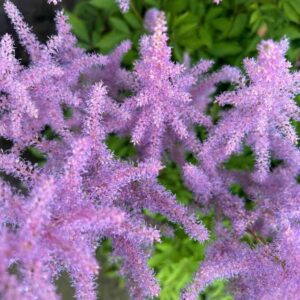
Plants that Require Heavy Fertilization (Like Some Vegetables)
Scabiosa are low-maintenance when it comes to feeding. They prefer lean soil and don’t need much fertilizer. Planting them with heavy-feeding vegetables will result in over-fertilizing your Scabiosa, leading to weak, leggy growth and fewer flowers.
Plants that Take Up a Lot of Space (Like Pumpkins)
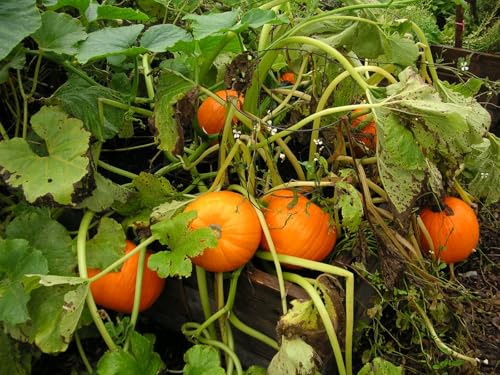
Pumpkins are sprawling giants that need a lot of room to spread out. They’ll quickly overwhelm the more compact Scabiosa, shading them out and competing for resources. Your Scabiosa will be squeezed out and overshadowed.
Plants that Like Shade (Like Ferns)
Scabiosa are sun worshippers, while ferns prefer the cool, shady corners of the garden. Planting them together is a fundamental mismatch of light preferences. Your Scabiosa will struggle in the shade, and your ferns will wither in the sun.
Plants that are Prone to Root Rot (Like Certain Succulents)
Scabiosa and many succulents share a dislike for soggy soil. Planting them together increases the risk of root rot for both plants, especially if you overwater. It’s like putting two people with the same allergy in a confined space—it’s a disaster waiting to happen.
Tall, Dense Plants (Like Some Ornamental Grasses)
Tall, dense plants like some ornamental grasses can create a barrier that blocks sunlight and air circulation, both of which Scabiosa need to thrive. Your Scabiosa will become stunted and weak.
Good Companion Plants for Scabiosa
Enough of the bad – how about the good. Let’s look at some good neighbors for Scabiosa. Think plants that like similar conditions:
- Lavender: They both love well-drained, sunny spots.
- Thyme: Another sun-loving, low-maintenance herb.
- Echinacea: These hardy flowers also prefer lean soil and plenty of sun.
- Salvia: They add a nice vertical element and like the same growing conditions.
Tips for Successful Companion Planting
- Know your soil: Make sure everyone likes the same type of soil.
- Consider sunlight: Ensure all plants get the right amount of sun.
- Space them out: Give your Scabiosa room to breathe.
- Think about root systems: Avoid plants with overly aggressive roots.
- Observe and adjust: Gardening is an ongoing experiment. Keep an eye on your plants and make changes as needed.
Final Thoughts
The thing to remember is that Scabiosa are a bit particular. They like their space, their sun and their well-drained soil. Keep that in mind and you’ll be fine.
Avoid those plant bullies, and you’ll have a garden full of happy, blooming Scabiosa.
