
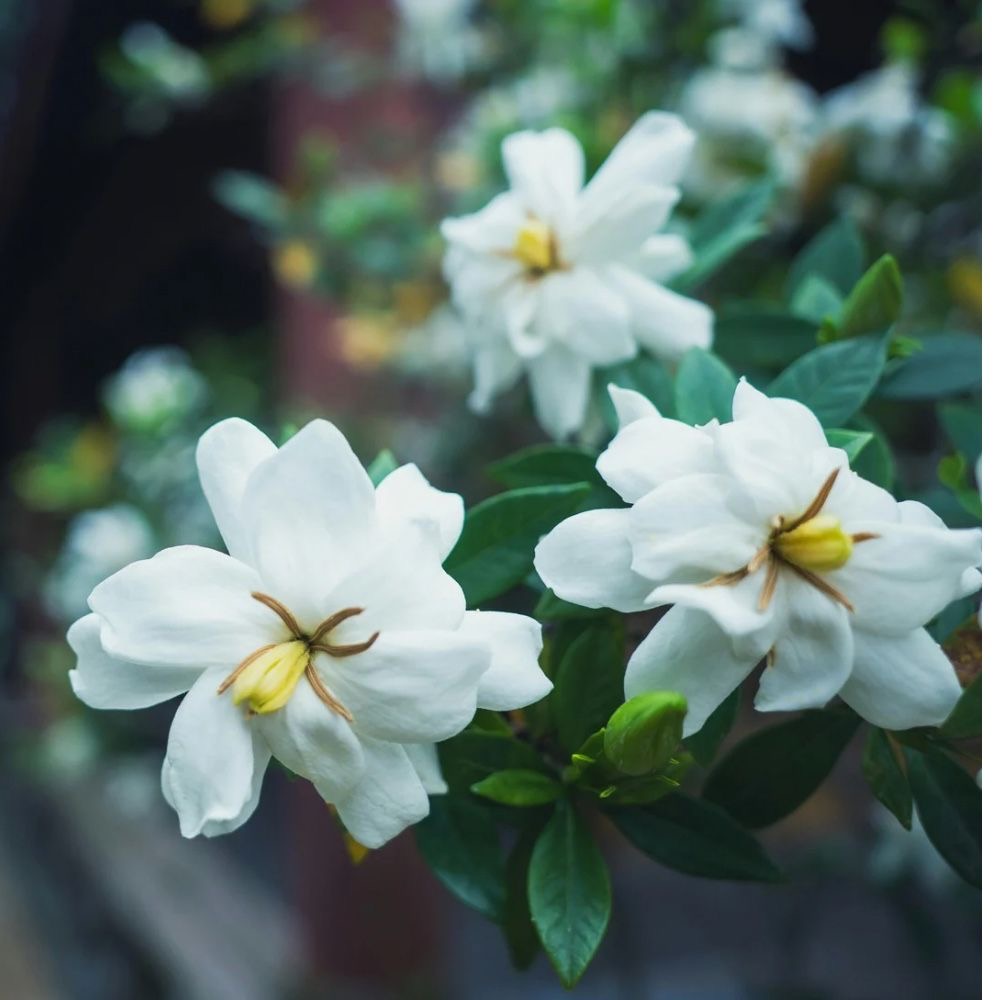
It’s the dream of many gardeners to have beautiful white gardenia blooms filling your garden with their intoxicating fragrance. After many years of gardening trials (and plenty of gardenia failures), I’ve learned that gardenias can be downright picky about their neighbors.
So I’m going to go through what actually works – and more importantly, what absolutely doesn’t – when it comes to planting around your gardenias.
Understanding Gardenia
Gardenias are stunning shrubs with those creamy white flowers we all love but they’re pretty high-maintenance.
What makes gardenias so particular is their specific growing requirements. They thrive in acidic soil (pH 5.0-6.0), need consistent moisture without being waterlogged and prefer partial shade in most regions. The problem comes when you pair them with plants that have conflicting needs or aggressive growth habits.
When you get the companions wrong your gardenias will let you know with dramatic displays of yellow leaves, dropped buds and stunted growth. I’ve seen a thriving gardenia reduced to a sad, flowerless twig within a season when crowded by the wrong neighbors.
Key Factors That Make Gardenias Picky
- They need acidic soil conditions
- They have relatively shallow root systems
- They dislike competition for nutrients
- They’re sensitive to changing moisture levels
- They’re susceptible to various pests that can spread from other plants
Plants You Should NEVER Plant With Gardenia
1. Hydrangeas
Hydrangeas might seem like perfect garden buddies for your gardenias since they both like acidic soil but sadly this pairing is trouble. Hydrangeas are notorious water hogs with aggressive root systems that will literally steal moisture right from your gardenia’s roots.
I’ve seen this combo end in disaster with the gardenias dropping their leaves within a couple of months while the hydrangeas thrived. The real problem? Hydrangeas will almost always win the competition for water and nutrients, leaving your gardenias struggling to survive.
2. Tomatoes
I made this mistake when I first started gardening. Figured I’d maximize space by tucking some tomato plants near my gardenias along the sunny side of my house. Which was a mistake. Tomatoes aren’t just heavy feeders – they’re also known for harboring fungal diseases that can easily spread to your gardenias.
Both plants are susceptible to similar soil-borne fungi & the constantly moist conditions that tomatoes often need can lead to root rot in your gardenias. Keep these plants in separate areas of your garden entirely.

3. Butterfly Bush (Buddleia)

The butterfly bush looks like it could be a great companion with those arching branches and butterfly-attracting blooms. But don’t be fooled – these shrubs grow enormously fast, will quickly overshadow your gardenias & their spreading roots will compete aggressively for resources.
4. Azaleas
This one surprises most people. While both gardenias & azaleas love acidic soil they’re actually fierce competitors with similar feeding needs and root structures. When planted too close together they’ll fight for the same nutrients, and often neither wins.
What makes it worse is they’re susceptible to many of the same pests. As an example a patch of spider mites that start on azaleas can quickly spread to nearby gardenias, creating twice the headache.
5. Junipers

Junipers and other spreading evergreens have dense, shallow root systems that will crowd out your gardenia’s roots. Even worse, junipers tend to significantly dry out surrounding soil – the exact opposite of the consistent moisture that gardenias prefer.
The oils and resins from juniper foliage can even change the soil composition in ways that gardenias don’t appreciate. Keep these plants far apart in your landscape design.
6. Eucalyptus Trees
I once saw a beautiful gardenia completely fail to thrive when planted near a eucalyptus. These fast-growing trees not only create deep shade too quickly but they also release chemicals into the soil that inhibit the growth of many other plants – gardenias included.
Eucalyptus roots are aggressive water-seekers & will leave the surrounding soil far too dry for moisture-loving gardenias. The allelopathic compounds they release can seriously stunt your gardenia’s growth.
7. Black Walnut Trees
This is the absolute worst neighbor for almost any plant, but especially gardenias. Black walnut trees produce juglone, a natural chemical compound that’s highly toxic to many plants. Gardenias are particularly sensitive to this compound.
Even if the tree is 50 feet away, the root system can extend far beyond the canopy and affect your gardenias. I’ve seen gardenias planted anywhere near black walnuts gradually decline over 1-2 seasons.
8. Bamboo
Bamboo’s aggressive spreading habit and intense competition for soil nutrients make it completely incompatible with the more delicate gardenia. Once bamboo establishes near your gardenias it’s almost impossible to eliminate without damaging your prized shrubs.
9. Wisteria
The cascading purple blooms of wisteria might seem like a romantic backdrop for white gardenias but wisteria vines are notorious garden thugs. Their twining stems can literally strangle nearby shrubs
& their root systems will quickly outcompete your gardenias for water and nutrients.
Once established wisteria is nearly impossible to control and will take over everything in its path. Keep these beautiful but aggressive vines far away from your gardenias.
10. Grasses (Ornamental)
Most ornamental grasses have fibrous, mat-forming root systems that spread quickly and compete directly with gardenia roots in the same soil layer. The dense root mass of grasses can actually prevent water from reaching your gardenia’s root zone effectively.
11. Mint Family Plants
Herbs like mint, oregano & lemon balm spread aggressively underground and will quickly invade the root zone of nearby plants. Their volatile oils can actually change soil chemistry in ways that stress acid-loving plants like gardenias.
And let’s be honest – once mint establishes itself somewhere, it’s practically impossible to get rid of it completely. Keep all these herbs in containers if you must have them near gardenias.
12. Trumpet Vine
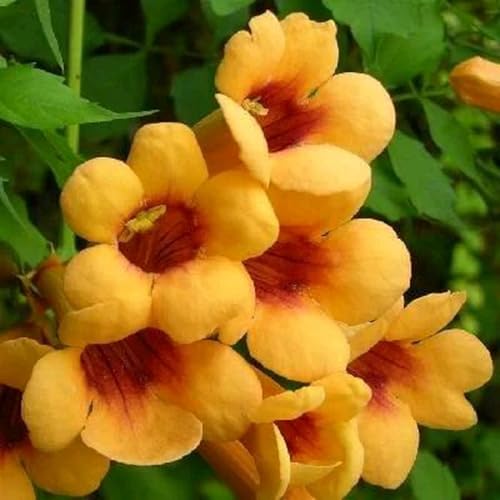
Similar to wisteria, trumpet vine is incredibly aggressive both above and below ground. Its fast-growing nature means it can quickly overtake slower-growing shrubs like gardenias and its extensive root system will rob your gardenias of necessary moisture and nutrients.
The dense foliage can also block crucial sunlight that your gardenias need for flower production. This is definitely a “keep far away” plant for gardenia lovers.
13. Cypress Trees
Their pyramidal shape might seem perfect for garden corners but cypress trees are serious water hogs that create very dry conditions in their root zones. The dense shade they cast can also prevent gardenias from getting enough filtered light to bloom properly.
The dropped needles from cypress trees can also alter soil pH in ways that aren’t favorable for acid-loving gardenias. Better to choose a different architectural plant for your garden.
Good Companion Plants for Gardenia
There are actually some plants that get along quite well with gardenias:
- Camellias – similar soil and light requirements, plus complementary blooming seasons
- Ferns – their shallow roots don’t compete aggressively, and they add textural contrast
- Impatiens – these annual flowers thrive in the same partial shade conditions
- Hostas – their spreading leaves help maintain soil moisture around gardenia roots
- Astilbe – these perennials add color while tolerating the acidic soil gardenias need
Tips for Successful Companion Planting with Gardenias
- Maintain generous spacing – gardenias need good air circulation to prevent fungal issues
- Group plants with similar watering needs – this prevents over or under-watering
- Create acidic soil pockets – use acid-loving plant fertilizer in the gardenia zone
- Use mulch barriers – this can help prevent aggressive plants from encroaching
- Consider container planting – sometimes the best solution is to give gardenias their own pot!
One trick I’ve found that works amazingly well is creating a slight depression around each gardenia plant, lined with acid-loving plant mix and pine straw mulch. This creates a perfect microclimate for gardenias while keeping other plants at a respectful distance.
Final Thoughts
Gardenias aren’t trying to be difficult – they just need their specific conditions. Thankfully the secret to gardenia success isn’t complicated – it’s all about respecting what they need and protecting them from aggressive neighbors.
Just keep those garden thugs at a distance & your gardenias will thank you with years of those perfect, fragrant white blooms that made you fall in love with them in the first place.
