
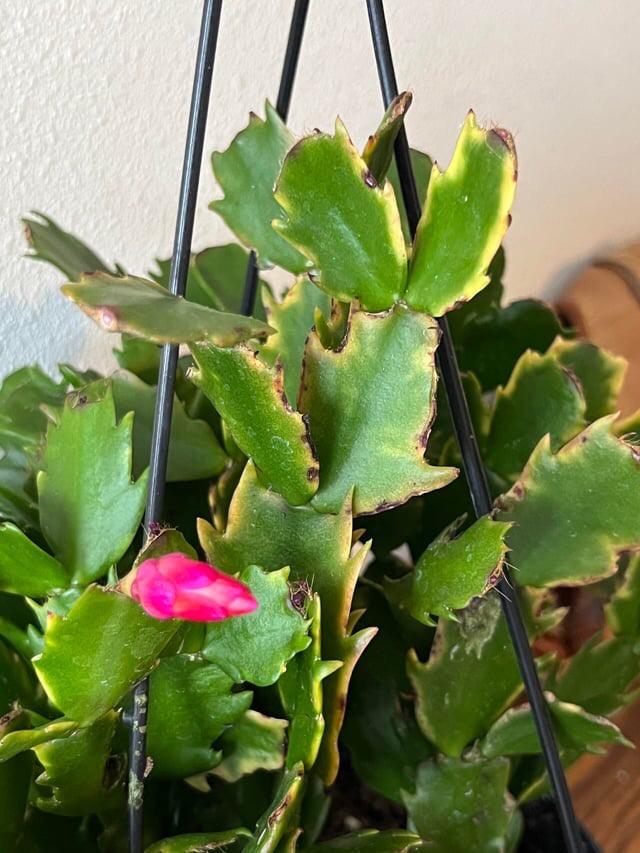
Yellow leaves on a Christmas cactus can come out of nowhere. One week the plant looks fine and the next you’ve got segments going yellow and soft where there used to be firm green ones.
It’s tempting to just accept it as a cosmetic thing and ignore it. But yellowing is usually your Christmas cactus telling you that something is wrong with it’s care and it wants you to fix it.
The causes are easy to reverse though once you know what you’re looking at. So here I’ll go through the reasons your Christmas cactus has yellow leaves and what to do about each one.
Quick Answer
- Ease Off the Water (Most Common): Let the top inch or two of soil dry out before you water again and always empty the saucer so the roots don’t sit in water.
- Fix the Light: Christmas cacti want bright but indirect light. Too much direct sun burns the segments yellow and too little leaves them pale and weak.
- Check Drainage and Soil: Use a loose, gritty mix and a pot with drainage holes so water moves through instead of staying around the roots.
1. Overwatering
The Problem:
Overwatering is the main reason Christmas cactus leaves turn yellow. The word “cactus” makes everyone assume it needs to be treated that way but it’s a Christmas cactus is really a forest plant.
In the wild they are epiphytes that grow on tree branches in Brazilian rainforests so their roots are used to draining fast and never staying too wet.
When the soil stays wet the roots can’t get oxygen. They start to suffocate and rot and once that happens they can’t feed the plant properly. The segments react by going yellow, usually starting from the base and then spreading outward.
Signs of Overwatering:
- Soil that’s still wet days after being watered.
- Segments turning yellow at the base first.
- Limp segments rather than firm ones. If yours has gone floppy this guide on why a Christmas cactus goes limp or wilts will help.
The Fix:
- Check Before You Water: Stick a finger in the soil. Only water when the top inch or two feels dry.
- Empty the Saucer: Never leave the pot sitting in a tray of water. Tip it out every time.
- Water Less in Winter: During the rest period before blooming the plant needs far less water so back off the current amount you’re doing.
2. Poor Drainage and the Wrong Soil
The Problem:
You can water perfectly and still end up with yellow leaves if the soil and pot are working against you. A heavy, dense mix holds onto moisture and a pot with no drainage hole traps it at the bottom. Either way the roots stay wet and the same rot that comes from overwatering happens.
Because these plants are epiphytes they need an airy mix that drains quickly. Clemson Cooperative Extension suggests a mix of roughly 60 to 80% potting soil with 20 to 40% perlite to keep it light and well drained.
Signs of a Drainage Problem:
- Water sits on the surface instead of soaking in.
- The soil takes forever to dry out.
- The pot has no drainage holes or the soil feels dense and compacted.
The Fix:
- Repot Into a Gritty Mix: Loosen things up with perlite, orchid bark or a bit of coarse sand mixed into regular potting soil. A ready made cactus and succulent mix works too.
- Use the Right Pot: Whatever pot you use needs drainage holes.
- Don’t Overpot: A pot that’s too big holds a lot of extra wet soil so only go up one size when you repot.
 Back to the Roots 100% Organic Succulent and Cacti Mix
3. Underwatering
The Problem:
Christmas cacti are forgiving but leave one very dry for weeks and it will start taking moisture out of its own segments to survive. Those segments go yellow, turn flat and wrinkly and eventually drop.
Remember these aren’t cacti from the desert. They like the soil to stay slightly moist, just never soggy. Letting it dry out completely and often is a slow way to stress the plant.
Signs of Underwatering:
- Wrinkled, flat segments that aren’t plump.
- Soil so dry it’s coming away from the sides of the pot.
- Yellowing along with segments that are dropping off.
The Fix:
- Rehydrate Slowly: Don’t drown it to make up for lost time. Add small amounts of water over a day or two until the soil is evenly moist again.
- Set a Rhythm: Check the soil every few days and water once the top inch feels dry.
- Try Bottom Watering: Put the pot in a tray of water for 15 to 20 minutes and let the roots take up water then let it drain fully.
Not sure if it’s too much water or too little? Both problems can look very similar. Use the quick checker below to narrow it down.
What's Wrong With My Plant?
Answer a few questions and we'll help diagnose the problem.
4. Too Much Direct Sunlight
The Problem:
In the rainforest Christmas cactus grow under the tree canopy in filtered light. Put one on a very hot windowsill in afternoon sun and the segments will get burnt. You’ll see yellowing that often takes on a reddish or purple sort of color along with bleached areas where the sun hit the most.
The University of Missouri Extension notes that Christmas cacti perform best in bright, indirect light not harsh direct sun.
Signs of Sun Damage:
- Yellowing worse on the side facing the window.
- A red or purple tinge to the segments.
- Bleached or burnt looking patches, usually in summer.
The Fix:
- Move It Back: Put the plant somewhere away from the glass or in a spot with bright but filtered light.
- Soften the Light: An east facing window or a sheer curtain over a brighter window works well.
- Watch the Seasons: The sun that was gentle in winter can be brutal by midsummer. So be ready to move it.
5. Not Enough Light
The Problem:
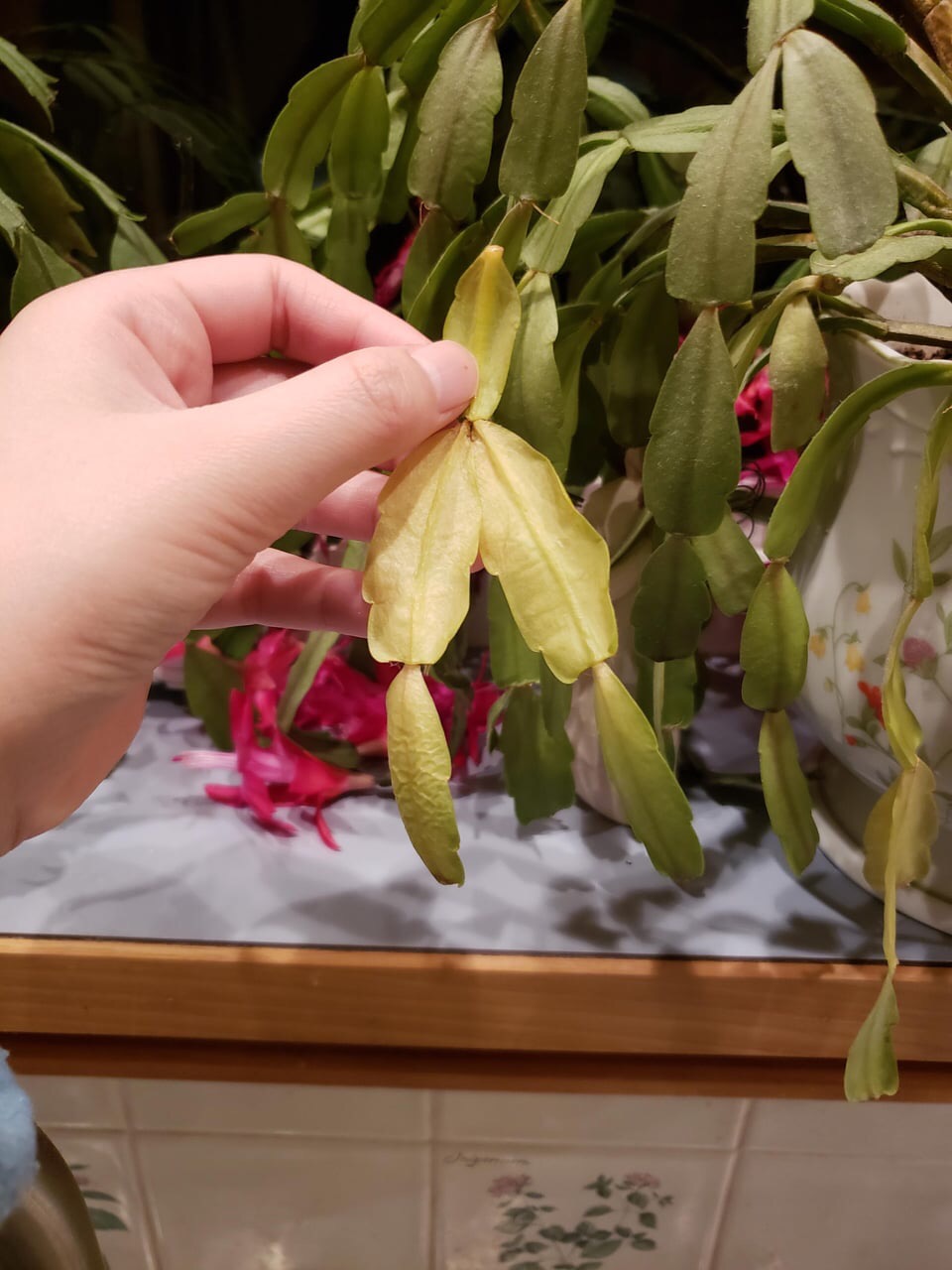
Too little light causes trouble the other way. Stuck somewhere the plant can’t photosynthesize properly new growth comes through pale and yellow and the plant looks weak. It’ll also refuse to bloom.
Bright indirect light is what it wants yes and a little more brightness through winter actually helps.
Signs of Low Light:
- Pale, yellow new growth.
- Segments stretching or leaning toward the nearest window.
- Few or no flower buds forming. If you want blooms this guide on why your Christmas cactus won’t bloom is worth a read.
The Fix:
- Find a Brighter Spot: Move it somewhere with lots of indirect light through the day.
- Rotate It: Give the pot a quarter turn every week or two so all the sides get even light.
- Boost Winter Light: A spot near a bright window in the colder months keeps growth healthy.
6. Cold Drafts and Temperature Swings
The Problem:
Christmas cacti don’t like sudden change. A cold draft from a door or the chill coming off a window at night can all stress the plant enough to give it yellow segments. Cooler nights help trigger blooming but there’s a difference between cool and a cold shock.
They’re happiest somewhere steady, roughly 65 to 75°F through the day.
Signs of Temperature Stress:
- Yellow that shows up after a cold snap or a move.
- Segments near a drafty window or a vent looking worst.
- Flower buds dropping before they open.
The Fix:
- Keep It Steady: You want a stable room temperature and no big changes.
- Mind the Vents: Move the plant away from heaters, air conditioners and doorways that get drafts.
- Pull It Off Cold Glass: On frosty nights don’t let the segments press against a freezing window.
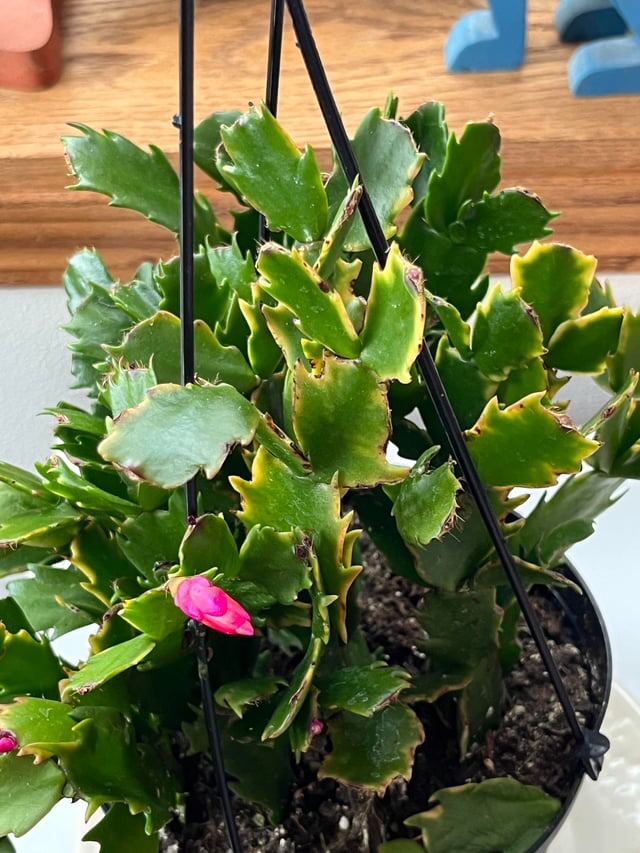
7. Nutrient Deficiency
The Problem:
A hungry Christmas cactus will start to fade. When it runs short on nutrients, especially magnesium and nitrogen, the older segments yellow first and growth slows or stops. It’s easy to miss because it happens slowly rather than all at once.
Signs of a Deficiency:
- Overall pale colour with the oldest segments turning yellow first.
- Slow or stalled growth.
- No new segments forming during the growing season.
The Fix:
- Feed in the Growing Season: Use a balanced houseplant fertilizer, diluted to about half strength, once a month through spring and summer.
- Add a Little Magnesium: A teaspoon of Epsom salt in a gallon of water once a month helps but never in the same week as your regular feed.
- Stop Before Buds: Don’t feed as much in the late summer so the plant can focus on setting flowers.
8. Overfertilizing
The Problem:
More food is not better. Overdo the fertilizer and the salts build up in the soil and start to burn the roots.
Damaged roots can’t do their job so the segments turn yellow at the tips and edges and a film shows up on top of the soil.
Signs of Overfertilizing:
- A white film on the surface of the soil.
- Yellow or brown tips and edges on the segments.
- Slow growth even though you’re feeding it regularly.
The Fix:
- Flush the Soil: Run clean water through the pot a few times and let it drain fully to wash the built up salts out.
- Scale Back: Feed less often and always dilute to half strength.
- Skip the Rest Period: Don’t fertilize while the plant is dormant. It isn’t growing so it doesn’t need it.
Stop killing your plants by accident.
Get my free guide 7 Gardening Mistakes That Are Killing Your Plants — the most common reasons plants fail, and the simple fixes that turn them around.
9. Root Rot
The Problem:
Root rot is where overwatering and poor drainage end up if they go unchecked. The roots decay, turn to mush and lose the ability to take water and nutrients up into the plant.
From above you see a lot of yellowing, limp segments and a base that’s gone soft. Left too long it can kill the plant so you needs to take quick action.
Signs of Root Rot:
- Mushy black or brown roots when you check.
- A nasty and unpleasant smell coming from the soil.
- A soft base and yellowing throughout the plant.
The Fix:
- Get It Out and Inspect: Take the plant from its pot and rinse the soil off the roots so you can see what’s going on.
- Trim the Rot: Cut away every mushy, dark root until only firm and healthy ones are left.
- Repot Dry: Put it into fresh, dry, gritty mix in a clean pot and only water a little while it recovers.
- Save What You Can: If the damage is bad take a few healthy segments and start again. Here’s how to propagate a Christmas cactus so you don’t lose the plant entirely.
10. Pests
The Problem:
Pests that suck the sap will weaken a plant and leave yellow or spotted segments behind. The usual suspects on a Christmas cactus are mealybugs, spider mites, fungus gnats and sometimes thrips. Catch them early and they’re not hard to deal with but they spread fast if you ignore them.
Signs of Pests:
- White blobs in the joints, which are mealybugs.
- Webbing between segments, a sign of spider mites.
- Tiny flies above the soil which usually means fungus gnats.
- Yellow specks across the segments.
The Fix:
- Spot Treat First: Dab mealybugs with a cotton bud dipped in rubbing alcohol.
- Treat the Whole Plant: Spray with neem oil or insecticidal soap, paying most attention to the joints and undersides.
- Isolate It: Keep the affected plant away from your others until it’s clear so nothing spreads.
- Dry Out for Gnats: Fungus gnats love wet soil, so letting the top dry between waterings helps get rid of them fast.
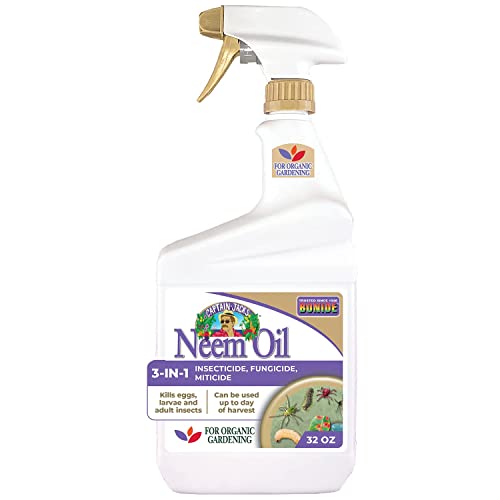 Bonide Captain Jack’s Neem Oil, 32 oz Ready-to-Use Spray
11. Being Root Bound
The Problem:
Christmas cacti bloom best when they’re tight in their pot so you don’t want to repot too quickly. But there’s a point where being tight tips over into truly root bound and then the roots have nowhere to go and can’t take up enough water or nutrients. The result is yellow leaves and a plant that dries out almost the moment you water it.
Signs It’s Root Bound:
- Roots going in circles in the pot or growing out of the drainage holes.
- The soil dries out incredibly fast after watering.
- Growth has stopped and older segments are yellowing.
The Fix:
- Repot in Spring: Wait until after it has finished blooming then move it up just one pot size.
- Refresh the Mix: Use fresh, well draining soil while you’re at it.
- Don’t Overdo It: Remember these plants like being a bit cosy so don’t to go too big.
12. Natural Aging
The Problem:
Sometimes a yellow segment isn’t a problem at all. Older segments, usually the lowest and oldest ones, naturally fade and drop over time as the plant puts its energy into new growth. If the rest of the plant looks green and firm, a bit of yellow here and there is nothing to worry about.
Signs of Normal Aging:
- Only the oldest, lowest segments turning yellow.
- New growth coming in green and healthy.
- No smell, no mush and no pests.
The Fix:
- Tidy Up: Twist or pinch off the tired segments to keep the plant looking fresh.
- Make More Plants: Those healthy older segments are perfect for propagating into new plants.
- Keep Up the Basics: Steady light, careful watering and the odd feed keep new growth coming.
Christmas Cactus Yellow Leaves: Quick Reference
| Cause | Solution |
|---|---|
| Overwatering | Let the top inch or two dry out and empty the saucer. |
| Poor Drainage or Soil | Repot into a gritty, well draining mix with drainage holes. |
| Underwatering | Keep the soil lightly moist and rehydrate slowly. |
| Too Much Sun | Move to bright but indirect light. |
| Not Enough Light | Find a brighter indirect spot and rotate the plant. |
| Temperature Stress | Keep it steady and away from drafts and vents. |
| Nutrient Deficiency | Feed at half strength in the growing season and add a little magnesium. |
| Overfertilizing | Flush the soil and cut back on feeding. |
| Root Rot | Trim the rotten roots and repot into fresh dry mix. |
| Pests | Treat with neem oil or insecticidal soap and isolate the plant. |
| Root-Bound | Repot one size up in spring after blooming. |
| Natural Aging | Remove the old segments and propagate if you like. |
Final Thoughts
Yellow leaves on a Christmas cactus look bad and a bit scary but they rarely kill the plant. Nearly every cause on this list comes down to watering, light or the soil the plant is sitting in and all three are simple to put right once you know which one is the problem.
Take a good look at your plant and find what the cause is for what you’re seeing. Then follow how to fix it.
Do that early and there’s no reason a bit of yellow has to turn into anything terminal. Get the basics steady and your Christmas cactus will give you green segments and a blooms when the season comes around.
Stop killing your plants by accident.
Get my free guide 7 Gardening Mistakes That Are Killing Your Plants — the most common reasons plants fail, and the simple fixes that turn them around.
