
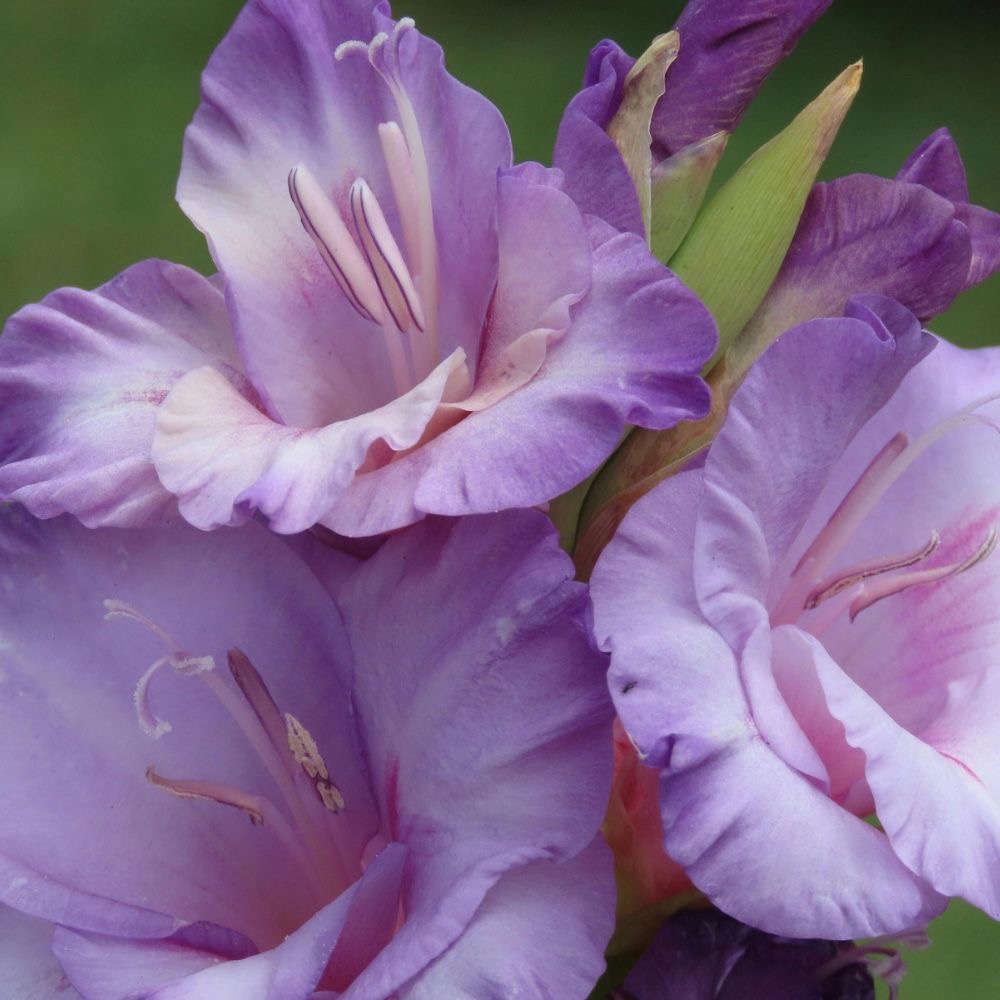
After spending three seasons trying to figure out why my gladiolus kept falling over and most flowing well I eventually worked out what was going on- I’d been surrounding them with all the wrong plants!
So I’m going to give you the worst plants to plant alongside gladiolas so you don’t make the same sort of mistakes I did. And in doing do you give your gladiolas the best chance of growing well.
Understanding Gladiolus
Gladiolus, like many flowers, are quite particular about their growing conditions. My first patch looked amazing for about two weeks before things went wrong. The flowers were smaller than I had expected, the stems kept falling over and some didn’t flower at all.
And that’s when I learned what I wish I’d known beforehand: gladiolus need a lot of nutrients and have roots that make them vulnerable to certain companion plants. The way they grow means they need space, support and the right plants beside them to really do well.
The biggest issue? Their corms (that’s the bulb they grow from) are shallow but need lots of nutrients. When they’re planted next to plants that steal the nutrients or make a lot of shade they will suffer.
I’m not saying gladiolus are difficult – they’re actually pretty tough – but there are definitely some plants that shouldn’t be planted with them in the garden. Getting your companion planting right can be the difference between gorgeous flowers and a disappointment.
Plants That Should Never Share Space With Your Gladiolus
1. Tall Sunflowers

Last summer I planted a row of huge sunflowers behind my gladiolus bed as I thought they’d make a wonderful background to them. That was a mistake . By the middle of the season the sunflowers were:
- Blocking the sun from getting to the gladiolus
- Taking all the nutrients from the soil far too quickly
- Making it nearly impossible for air to flow around the plants
What happened was my gladiolus stems stretched toward what little sunlight they could find, got progressively weaker and eventually fell over after a light rain. Some didn’t even produce flowers at all!
Try it: Check Any Two Plants for Compatibility
Use the checker below to see how any two of your plants will get along – pick one from each side and we’ll tell you whether to plant them together or keep them apart.
Plant Compatibility Checker
Select two plants to check if they are compatible companions in your garden.
Compatibility Results:
2. Potatoes and Other Tuberous Vegetables
Both pf these plants grow big under the ground and fight for the same space in the soil. Plus potatoes are notorious for taking the nutrients from the soil, leaving little for your gladiolus.
When I mistakenly planted gladiolus near my potato patch I noticed:
- Poor growth from both plants
- Fewer flowers on my gladiolus
- More problems with diseases because of overcrowding

3. Fennel
Fennel releases allelopathic substances that stop many neighboring plants corn growing. Fennel’s roots will also fight with gladiolus corms for water and nutrients. You have to keep these two plants away fto each other.
4. Aggressive Mint Varieties
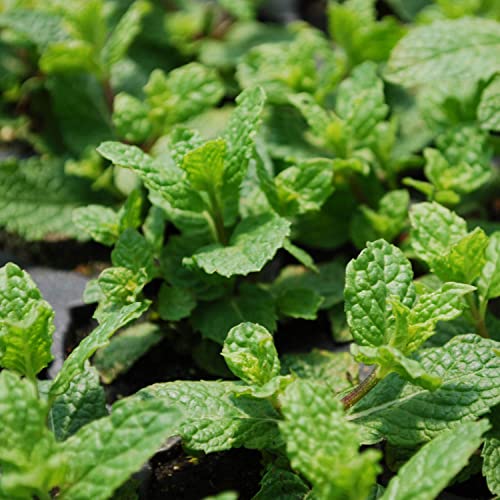
I once thought planting mint near gladiolus might help keep away pests. Instead the mint went on take over the whole garden.
Its roots spread so quickly and got in to the gladiolus bed, stealing the water and nutrients. And because of how aggressive mint is it makes it a terrible companion for most plants. But especially for gladiolus which need lots of space to grow and consistent resources.
If you really want mint in your garden always keep it contained in pots far from your everything else.
5. Black Walnut Trees
This one might seem obvious (who plants flowers under trees?) but even a black walnut tree on your property can spell disaster. These trees produce juglone, a toxic substance that gets into the soil and can seriously damage or kill gladiolus.
The toxicity extends well beyond the tree’s canopy as well and can affect plants up to 80 feet from the trunk! If you have black walnut trees close to your plants and flowers then be warned and find another spot for your gladiolus. You can also try or making raised beds with fresh soil too.
6. Corn
Both corn and gladiolus need lots of nitrogen and other nutrients. When they’re planted together they fight hard and neither plant wins. And corn can also block the sun getting to gladiolus.
7. Invasive Ornamental Grasses
Ornamental grasses look great in the landscape but lots of them are terrible when planted with gladiolus. Their roots quickly take over the growing space of y the glads.
Last year I planted miscanthus near my gladiolus bed and by the following spring the roots had totally overwhelmed the area. The gladiolus corms struggled to establish and produced weak, if any, blooms.

8. Bamboo
Similar to ornamental grasses but even more aggressive, bamboo should never be planted anywhere near gladiolus. It spreads fast and blocks the sun so gladiolus wont grow well.
9. Tomatoes
Though they make beautiful garden companions for some plants tomatoes and gladiolus won’t work because:
- Tomatoes like slightly acidic soil but gladiolus like it neutral to slightly alkaline
- Both fight for the same nutrients
- Tomatoes can spread fungal diseases that affect gladiolus
10. Squash and Pumpkins
The way squash and pumpkin vines grow can quickly overtake a gladiolus bed. Their large leaves block the sun and their roots fight for water and nutrients.
If you must grow them both keep them in separate parts of the garden with lots of space between them.
11. Rue

Rue has oils that can cause skin irritation and damage neighboring plants, including gladiolus. Its strong scent and the fact that it’s allelopathic make it a poor companion for many flowers.
12. Morning Glory and Other Vining Plants
Vines like this will strangle your gladiolus as they search for something to climb up. I planted morning glories near to my gladiolus thinking they would climb my fence while the glads grew straight up. Instead the vines wrapped around my gladiolus stalks causing them to bend and eventually die.

13. Other Bulbs With Similar Growing Cycles
Tulips, daffodils and other bulbs that flower in the spring have similar needs for nutrients and cycles when they’re dormant so will fight with gladiolus. The competition stresses all the plants involved.
Good Companion Plants for Gladiolus
There are some plants that make good neighbors for gladiolus:
- Low growing annuals like alyssum and lobelia don’t fight
- Dahlias flower at the same sort of times but have different types of roots
- Roses as they have similar cultural requirements
- Salvia and other perennials with shallow roots
- Cosmos, which doesn’t block the light
Tips for Successful Companion Planting
- Give gladiolus plenty of space – at least 6 to 8 inches between their corms
- Pick companions that have shallow roots so they won’t fight with the corms
- Don’t choose tall plants and plant them on the south side of gladiolus beds as they will block the sun
- Select plants that need the same amount of water so you don’t over or under water them
- Think about companions that can offer natural support for tall gladiolus
One trick I’ve found really helpful is planting gladiolus in clusters rather than rows, and then surround them with plants that won’t overwhelm them.
Final Thoughts
Getting your gladiolus companions right isn’t just about avoiding bad neighbors – what you want is a garden where everything works together. When you give them friendly companion plants you’ll get healthy and strong growing gladiolus.
But garden conditions vary a lot depending on things like your climate, the soil etc. So what works in one garden might well need changing another. The best way to deal with this is to look at how your plants interact, make notes about them and then adjust as needed.
