
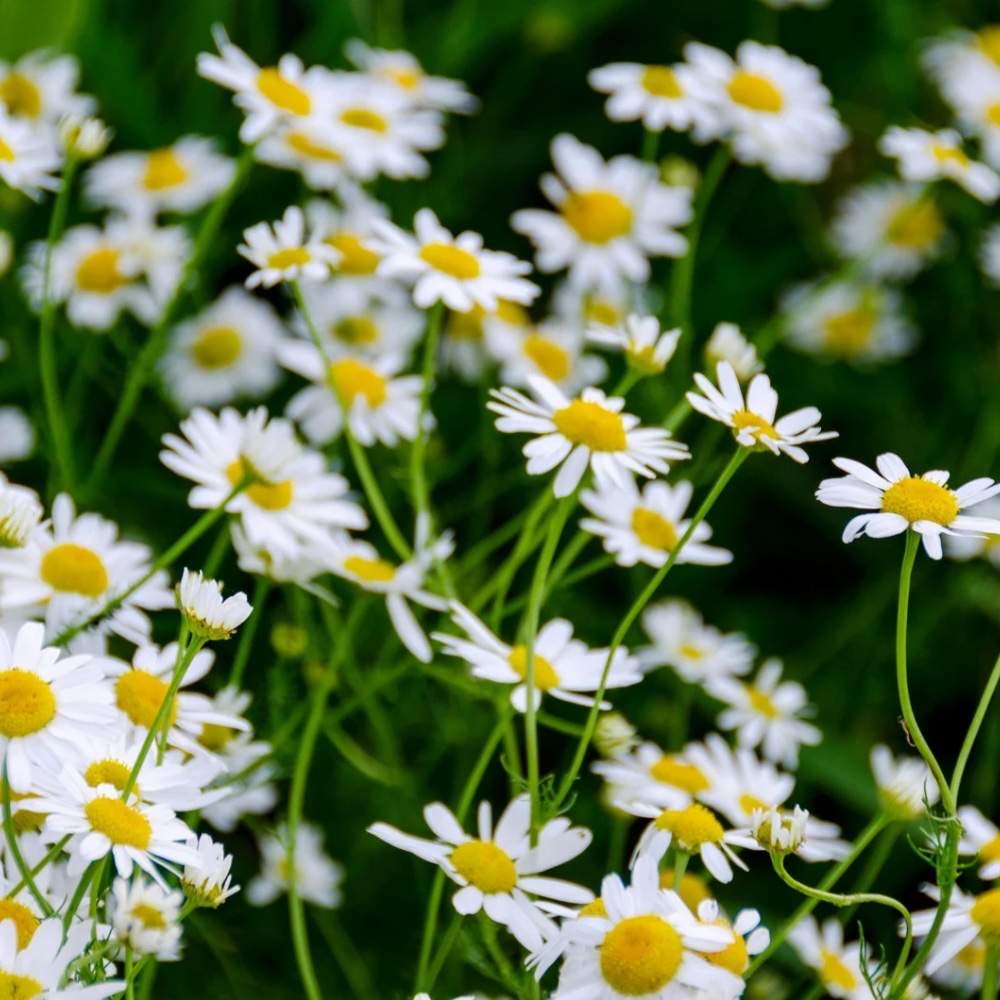
Daisies look cheerful and easy going but that can be misleading. Whilst they look lovely they can be picky about what’s planted near to them.
so I’m going to give you the worst plants you can plant as companions to daisies and why they’re terrible neighbors for them as well as what to plant instead.
Understanding Daisies
Most people think daisies are just simple flowers that grow anywhere. I used to think that too until I killed an entire patch by planting them with the wrong neighbors.
Daisies generally like soil that drains well and that is fairly fertile. They love sun and need at least 6 hours of light every day.
But they don’t like to fight for resources. They want space, nutrients and water. When they have to share with plants that fight over them they’ll either struggle to grow well or simply give up altogether.
If you get companion planting wrong with daisies it can mess up your entire garden. Poor growth, less flowers and plants that are more likely to get diseases all become issues when daisies are planted with the wrong neighbors.
So before you start planting let’s look at what NOT to plant with your daisies.
Plants to Never Plant with Daisies
1. Aggressive Mint Varieties
Mint might smell wonderful but it’s just takes over wherever it’s planted. Mint’s runners underground push out daisies, taking the nutrients and space they need.
What makes it worse is that mint’s fast growth can block the sun from your daisies. One year I planted peppermint near Shasta daisies and within a season the mint runners had grown right through the daisy patch, making them grow fewer flowers and the leaves turn yellow.
2. Tall Ornamental Grasses
Ornamental grasses look great but varieties like Miscanthus or tall fescues can grow so that the light doesn’t get to your daisies. They also tend to feed a lot, fighting with daisies for nutrients.
The real issue though is that many ornamental grasses grow huge as the season progresses. By the middle of summer your daisies could be completely overshadowed. If you have to plant both then have the grasses to the north of your daisies so they don’t block the sun.
3. Sunflowers
Sunflowers not only grow so big they block the sun from daisies but they also give out allelopathic substances that can stop nearby plants from growing.
I once planted a row of sunflowers behind my daisies thinking they’d look beautiful together. But the daisies struggled, with fewer flowers and looking stressed. Plus sunflowers are notorious for taking lots of nutrients from the soil, leaving little for your daisies.
4. Coneflowers (Echinacea)

This one is a bit of a surprise because coneflowers and daisies look like they’d be great companions. They need the same sort or conditions to both grow well. However they fight for the same resources and can host the same diseases.
The problem is that they’re both members of the Asteraceae family which means they suffer from the same pests and diseases. When you plant them together it makes it easy for insects and pathogens to spread and do damage. So keep them apart to avoid trouble spreading quickly through your garden.
5. Aggressive Vines
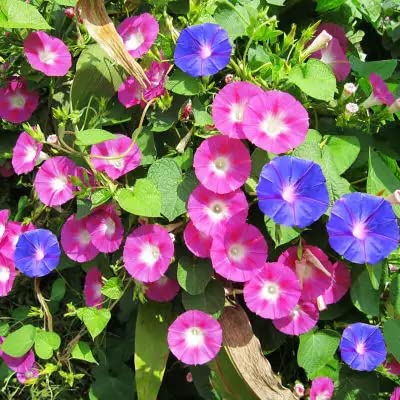
Morning glories are charming but they can become a real problem for daises. They will happily use your daisies as trellis, holding them down and maybe even breaking their stems.
Morning glories also self seed aggressively which means you’ll be fighting them for years to come. And take it from me, pulling morning glory seedlings from your daisy patch is not how you want to spend your Saturday mornings.
6. Thirsty Hydrangeas

Hydrangeas are known for taking a lot of water as they need to be consistently moist to grow their flowers. Daisies, however, like drier conditions and will get root rot if they’re overwatered.
When I planted hydrangeas near my daisies I found myself in an impossible situation: underwater the hydrangeas or overwater the daisies. There was no way to keep both happy. So it’s best to keep these plants in separate areas of your garden.

7. Invasive Bamboo
This should be obvious but I’ve seen people still doing it. Running bamboo varieties will take over everything in their path, including your daisies. Even clumping bamboo varieties can make too much shade.
The underground rhizomes of bamboo can go far beyond the parent plant, coming up in your patch of daisies and making a fight your daisies will never win. If you must have bamboo keep it contained in barriers at least 3 feet deep.
8. Fennel
Fennel might seem like an innocent herb the reality is it’s super aggressive. Like sunflowers, fennel gives off allelopathic substances that can stop plants around it growing.
It can also stop sun getting to lower growing daisies and tends to self seed a lot.
9. Marigolds
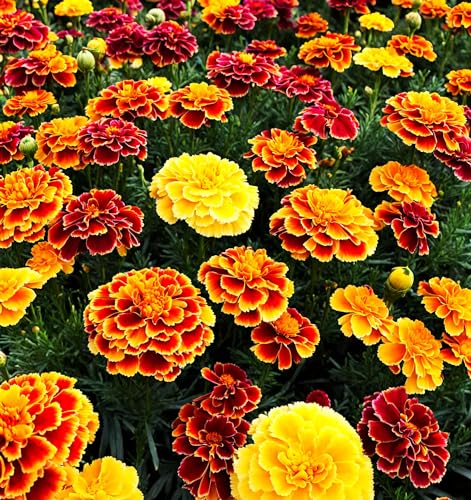
This one might be controversial since marigolds are often recommended as companion plants. But some daisies, particularly Shasta daisies, don’t grow well with marigolds.
The strong scent that makes marigolds great for keeping away certain pests can actually attract other insects that might damage your daisies.
On top of that marigolds can get powdery mildew, which then can spread to your daisies if they’re planted too closely together. If you want to use marigolds as a way to control pests then plant them close to but not adjacent to your daisies.
10. Black Walnut Trees
Black walnut trees produce juglone, a natural toxin that stops many plants growing, including daisies. The toxin is present in all parts of the tree – roots, leaves, nuts and even the soil surrounding the tree.
If you have a black walnut on your property keep your daisies well away from its drip line. Even the leaves that fall from it can still release enough juglone to harm your daisies.
11. Ferns
Ferns add some texture to a garden but the way they spread can quickly overwhelm daisies. A lot of varieties of ferns like more shade and moisture than daisies.
I once planted ostrich ferns near some Gerbera daisies and the ferns quickly spread with the daisies struggling in the shade and too much moisture.
12. Strawberries
Strawberry plants are another one that might seem innocuous at first glance but their aggressive runners can quickly get in to a daisy patch. They’re also likely to get fungal issues that can then spread to your daisies.
Strawberries also bring in birds that might damage your daisies while searching for berries. If you want both in your garden, then plant your strawberries in raised beds or containers well away from the daisies.
13. Russian Sage

While beautiful Russian sage grows into a large shrub that can makes a lot of shade that stops the sun getting to nearby plants. It also like much drier conditions than most daisies can deal with.
The roots of Russian sage fights for water and nutrients, leaving your daisies struggling. If you love both plants then you could keep them in separate areas of your garden where they can each grow happily in their preferred conditions.
Good Companion Plants for Daisies
Not all is lost though. There are still lots of plants that make good companions for daisies.
- Lavender – Its grows so that it won’t block the sun from getting to daisies and has similar needs when it comes to watering
- Salvia – Doesn’t fight and looks good
- Coreopsis – Has the same sort of growing requirements and flowers at the same time
- Yarrow – Attracts beneficial insects and has similar watering needs
- Low growing sedums – Provides ground cover without fighting for resources
Tips for Successful Companion Planting with Daisies
- Give daisies room to breathe – they need the air to flow around them to stop fungal problems
- Consider height differences – plant taller companions to the north of daisies so they don’t block the sun
- Match water requirements – daisies like some moisture, so pair them with plants with similar needs
- Think about bloom times – stagger companions so something is always flowering
- Watch for signs of competition – yellow leaves or less flowering can be signs of incompatible plants
Final Thoughts
Daisies might look simple but as we’ve seen they’re particular about their garden companions. Giving them the right neighbors can mean the difference between success with them or a disappointing performance.
But if you avoid the plants here then you’ll have daisies that do well and look fantastic.
