
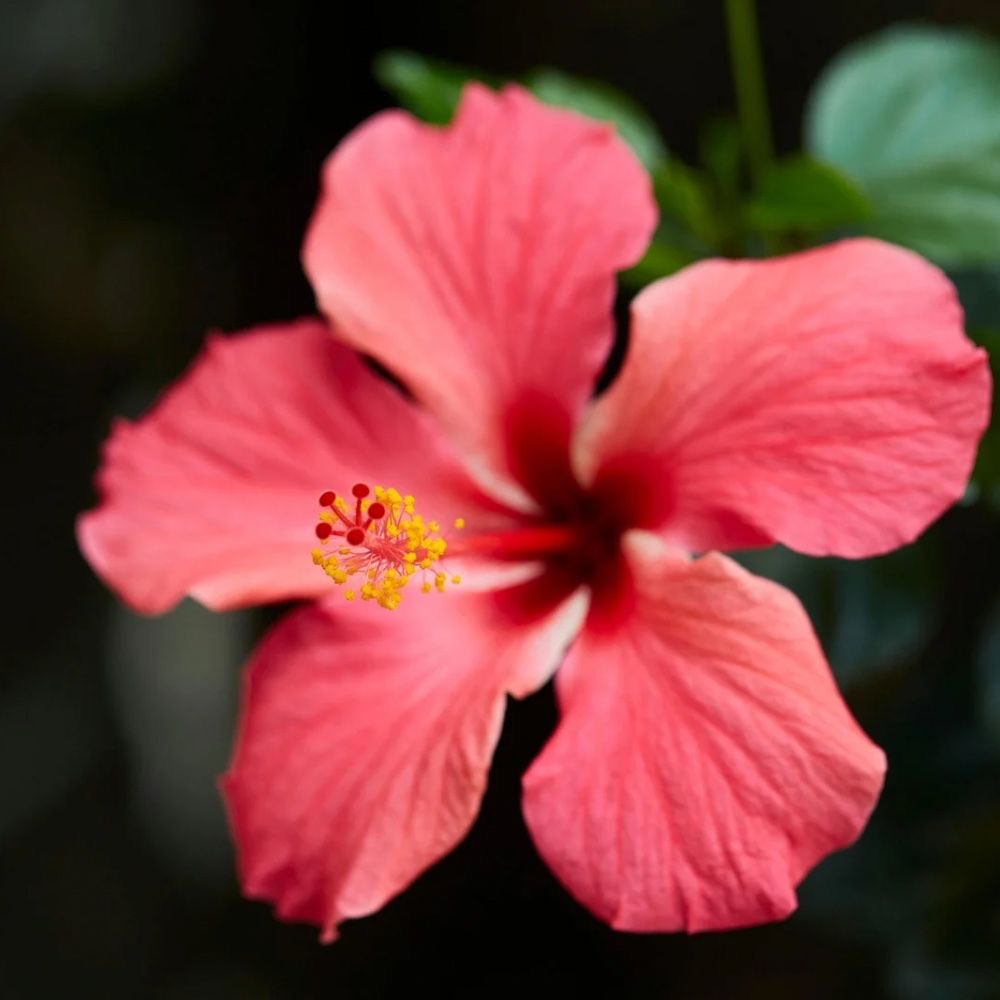
After killing three hibiscus plants in my first year of gardening (yes, I’m admitting this publicly), I eventually figured out what I was doing wrong. It wasn’t due to watering or the sunlight – it was the plants I’d planted with it that were causing all the trouble.
So I’m going to go through the plants you absolutely should not plant with hibiscus and why so you don’t make the same mistakes I did.
Understanding Hibiscus and Their Growing Needs
Hibiscus are lovely to look at but surprisingly fussy about the plants planted alongside them. It doesn’t matter if you’re growing tropical hibiscus with their huge blooms or the hardier perennial varieties, both they need certain conditions to grow properly and well.
This is what makes hibiscus special but also challenging:
- They take up a lot of nutrients from the soils so you need to have soil that can support them
- Most varieties need over 6 hours of direct sun
- They like consistent moisture without getting the roots soggy
- A lot of hibiscus varieties are sensitive to chemical competition from other plants
When you put plants that don’t work together nearby they’re going to clash. Your hibiscus will struggle with poor growth, fewer flowers or might just give up entirely (like mine did – twice).
Plants You Should Never Plant With Hibiscus
1. Mint and Other Aggressive Herbs

The mint family (including peppermint, spearmint, and even oregano) is a notoriously problem plant for virtually everything. It sends out underground runners that will take over the space of plants close to it. Before you know it your hibiscus is fighting against an underground network of mint roots that are stealing all the water and nutrients.
What makes it problematic:
- Underground runners that spread fast and hard
- Fights for nutrients in the soil
- Can quickly overtake garden beds
- Releases substances that can stop plants close by from growing
Try it: Check Any Two Plants for Compatibility
Use the checker below to see how any two of your plants will get along – pick one from each side and we’ll tell you whether to plant them together or keep them apart.
Plant Compatibility Checker
Select two plants to check if they are compatible companions in your garden.
Compatibility Results:
2. Walnuts and Butternuts

That gorgeous black walnut tree giving you some shade in your yard? It’s doing something called allelopathy which is bad news for anything growing near to it. Walnut trees release juglone, something that can severely damage or kill hibiscus plants.
So many people plant a black walnut tree with absolutely no idea what it can do. Soon after anything that is planted within 50 feet of that walnut tree starts to struggle. And then it can take months to figure out what has been going on.
The damage signs:
- Yellow leaves with no obvious cause
- Wilting even though everything is getting enough water
- Gradual decline over a season
- Death within 1 to 2 growing seasons

3. Large, Water Hungry Trees
Any large tree with a lot of roots will fight with your hibiscus for water and nutrients. I lost an entire row of pink hibiscus when they were pushed out by nearby maple trees. The worst trees to look out for are:
- Willows
- Poplars
- Silver maples
- Birch trees
These trees can leave your hibiscus needing water which causes it to be stressed and in turn flower less.
4. Invasive Bamboo Varieties
Running bamboo varieties are especially a problem because of how aggressive their underground growth is. Even if you use barriers bamboo can eventually take the space of nearby hibiscus roots.
5. Eucalyptus

The oils released from eucalyptus leaves can stop many plants growing properly, including hibiscus. Plus eucalyptus trees are notoriously for taking a lot of water from the surrounding soil – leaving little for your hibiscus.
6. Sunflowers
Sunflowers seem friendly but they’re actually awful companions for hibiscus. During a garden redesign I planted sunflowers behind my hibiscus to get a sort of layering effect. But within a few weeks my hibiscus were struggling.
Why sunflowers are problematic:
- They take a lot of nutrients from the soil
- They grow quickly and block the light getting to smaller plants
- They release allelopathic substances that stop other plants growing
- Their big roots fight for water and nutrients
7. Juniper Shrubs

Junipers make the soil very acidic and most hibiscus varieties don’t like it. Their roots also fight and take a lot water. How resinous junipers are can also stop neighboring plants growing.
8. Fennel
Ornamental fennel might look beautiful but it’s a terrible neighbor. Fennel releases substances that stop lots of plants growing and hibiscus in particular are sensitive to the effects of it.
9. Large, Spreading Grasses
Ornamental grasses might seem like good companions but many of the bigger varieties will push out hibiscus. Maiden grass, pampas grass and other spreading varieties have roots that leave little room for hibiscus roots to get the nutrients they need.
10. Aggressive Vines
Morning glory, kudzu, English ivy and other aggressive vines will strangle your hibiscus. They climb and cover everything they come in to contact with, blocking the light and eventually killing hibiscus.
11. Plants That Create Dense Shade
Hibiscus need lots of sun to grow their beautiful flowers. Any plant that makes a lot of shade will reduce that flowering. This includes:
- Large hostas
- Shrubs like boxwood or yew
- Plants with big leaves like elephant ears
12. Potatoes and Nightshades
Potatoes, tomatoes, eggplants and peppers can have verticillium wilt which is a fungal disease that spreads to hibiscus. If you’ve had disease problems with nightshades in your garden keep hibiscus far away from where they’re planted.
13. Other Large Flowering Shrubs
Flowering shrubs like roses, azaleas or hydrangeas planted too close will fight for nutrients and pollinators. I once created a border with both hibiscus and roses. It looked beautiful for about a month before they both started suffering from the competition between one another.
Good Companion Plants for Hibiscus
These are some great companions I’ve successfully grown with mine:
Beneficial Companions
- Sweet alyssum – attracts pollinators and insects that help out
- Marigolds – help keep away nematodes
- Basil (kept in containers to control them spreading) – stops pests
- Geraniums – have the same needs for water and both keep pests away
- Salvia – attracts pollinators without fighting
- Calibrachoa – similar needs but doesn’t fight
Tips for Successful Companion Planting
- Provide enough space – hibiscus roots need room to spread
- Choose plants that have similar water and sun needs
- Select plants that stay compact
- Use containers for herbs and aggressive plants you want close by
- Watch for signs of competition: fewer flowers, yellow leaves or poor growth
- Fertilize hibiscus regularly when you’re growing it with other plants
One trick that’s worked for me is creating buffer areas – so that’s space with nothing planted in it around hibiscus that give them room to grow without anything upsetting them. It might look a bit sparse at first but your hibiscus will love it and grow better with more flowers.
Final Thoughts
Growing hibiscus successfully is all about protecting them from plants that can make them unhappy. They need space, nutrients and to be free of roots that fight against them to really do well. When in doubt give your hibiscus more room rather than crowding them.
And don’t feel bad if you’ve made some of these mistakes. Start with one or two plants that work together, see how your plants respond and then go from there.
