
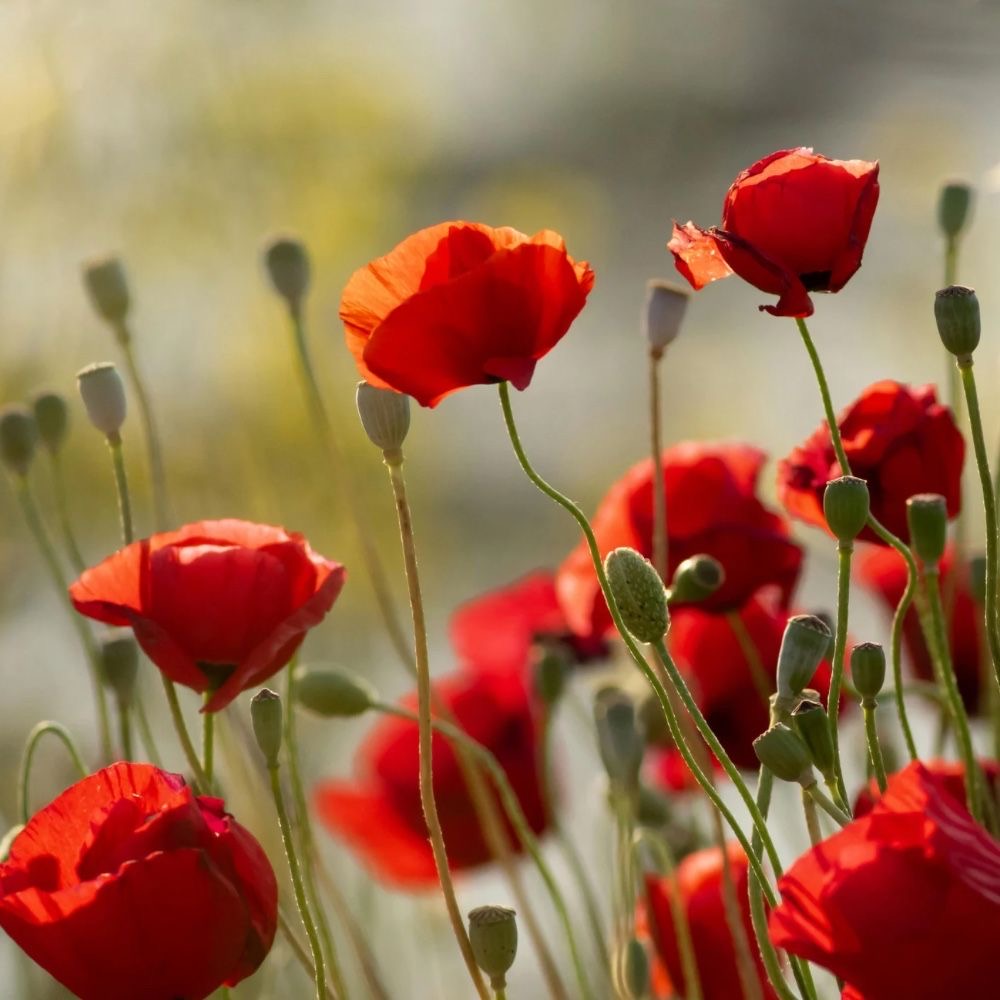
Poppies are stunning and fantastic to grow but surprisingly fussy about their neighbors. They’re actually quite particular about who they share their garden bed with.
Last spring I planted a gorgeous mixed border with poppies as the star attraction, only to watch half of them struggle while others thrived. After some frustrated research and plenty of trial and error, I’ve figured out what went wrong.
Let me share what plants should never go near your poppies, straight from my gardening disasters to your well-planned garden.
What Makes Poppies Special (And Sometimes Difficult)
Before we get into what not to plant, let’s talk about why poppies can be tricky companions. They have some particular growing habits that explain their pickiness.
Poppies have delicate, shallow root systems that don’t appreciate competition underground. They’re sun worshippers that sulk in shade, and many varieties self-seed readily – which is great until they’re fighting for territory with equally aggressive neighbors.
Most garden poppies – whether they’re the annual Papaver rhoeas (corn poppies) or perennial Papaver orientale (oriental poppies) – share similar companion planting considerations. They prefer well-draining soil and absolutely hate having wet feet, which immediately rules out several potential garden neighbors.
When I first started growing poppies, I treated them like any other perennial – which was a mistake. Their dormant periods, drought tolerance and specific nutrient needs mean they clash with many common garden favorites.
Plants That Should Never Share Space With Your Poppies
1. Aggressive Mint Varieties
Years ago I made the rookie mistake of planting some mint near my oriental poppies. Within two months the mint’s aggressive runners had invaded the entire bed, strangling my poppy roots and outcompeting them for water and nutrients.
Why it’s a problem:
- Mint has invasive root systems that quickly overwhelm poppy roots
- The dense mint foliage blocks sunlight poppies desperately need
- Mint’s high water requirements create overly damp conditions poppies hate
- Once established, mint is nearly impossible to remove without disturbing poppy roots
If you absolutely must have mint in your garden (and who doesn’t want fresh mojitos?), plant it in containers at least several feet away from your poppy beds.
Try it: Check Any Two Plants for Compatibility
Use the checker below to see how any two of your plants will get along – pick one from each side and we’ll tell you whether to plant them together or keep them apart.
Plant Compatibility Checker
Select two plants to check if they are compatible companions in your garden.
Compatibility Results:
2. Tomatoes
During my experimental phase I tried interplanting vegetables with flowers – sounds pretty, right? My tomatoes and poppies became a garden disaster. The tomatoes flourished while my poppies developed fungal issues and barely bloomed.
Why they clash:
- Tomatoes need frequent, deep watering that creates soggy conditions for poppies
- As tomatoes grow tall, they shade out sun-loving poppies
- Both compete for similar soil nutrients
- Tomatoes can harbor fungal diseases that affect poppies

3. Hostas

The shade-loving hostas with their impressive foliage might seem like a nice contrast to delicate poppies, but trust me – this combination is doomed from the start.
The problem:
- Hostas prefer shade while poppies demand full sun
- Hostas’ large leaves eventually overshadow smaller poppy plants
- Their contrasting water needs make caring for both nearly impossible
- Hostas’ dense root systems outcompete poppies’ more delicate roots
4. Other Papaver Species

This might sound counterintuitive, but different poppy species often don’t play well together.
Why it doesn’t work:
- Different poppy species often cross-pollinate, creating unexpected hybrids
- They’ll compete aggressively for the same resources
- More vigorous species will quickly outcompete delicate varieties
- Disease can quickly spread between closely related plants
5. Cucumbers and Squash
The sprawling vines of cucumbers and squash plants spell certain death for poppies.
Why they don’t mix:
- Cucumber and squash vines rapidly cover ground, smothering poppies
- Their heavy water requirements create overly damp soil
- The dense foliage blocks critical sunlight
- Harvesting vegetables means trampling nearby poppies
6. Tall Ornamental Grasses
I once planted miscanthus grass near my poppies, thinking the contrast would be striking. Within two seasons my poppies were struggling to survive.
The issues:
- Tall grasses cast too much shade over smaller poppies
- Grass root systems are incredibly competitive
- Many ornamental grasses spread rapidly, crowding out poppies
- Fallen grass debris can cause crown rot in poppy plants

7. Sunflowers
Despite their cheerful appearance, sunflowers make terrible neighbors for poppies.
Why they clash:
- Sunflowers are heavy feeders that deplete soil nutrients
- Their massive height creates too much shade
- Sunflower roots release allelopathic compounds that can inhibit poppy growth
- The heavy sunflower heads often fall over, crushing nearby plants
8. Dense Groundcovers (Like Creeping Jenny or Vinca)
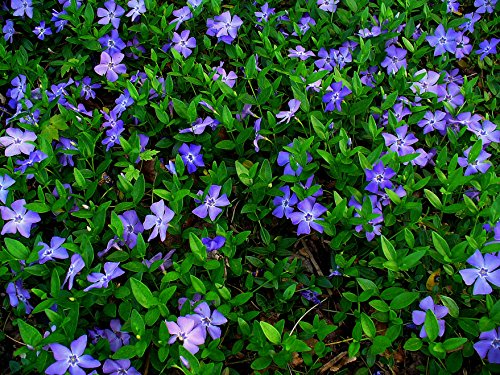
I once tried planting poppies amidst creeping jenny as a ground cover. Big mistake – within weeks my poppy seedlings were fighting a losing battle.
The problem:
- Dense groundcovers prevent poppy seeds from reaching soil to germinate
- They compete directly for surface soil resources
- Many groundcovers prefer consistently moist soil, unlike drought-tolerant poppies
- Removing aggressive groundcovers often means destroying poppy roots too
9. Coneflowers (Echinacea)
Though both are beautiful prairie-style flowers, my experiments with interplanting coneflowers and poppies always end with the coneflowers taking over.
Why it doesn’t work:
- Coneflowers form increasingly large clumps that crowd out poppies
- They bloom later, creating competing visual interest
- Coneflowers’ deep root systems can disturb poppies’ more shallow roots
- Their thick stems and foliage often outshade smaller poppy plants
10. Beans and Peas
The nitrogen-fixing magic of legumes might sound beneficial, but planting snow peas near poppies will never work.
The issues:
- Beans and peas often need supports that shade poppies
- They add too much nitrogen to soil, promoting poppy foliage at the expense of flowers
- Their vining or bushy growth often overwhelms more delicate poppies
- The consistent moisture beans need creates poor conditions for poppies
11. Russian Sage
The lavender-blue spires of Russian sage look gorgeous in photos next to poppies, but in real garden conditions, this combo fails.
Why they clash:
- Russian sage grows into a woody shrub that outcompetes poppies
- Its allelopathic properties can inhibit poppy growth
- The sage’s extensive root system steals resources from poppies
- Its size eventually blocks critical sunlight
12. Invasive Artemisias
Silver-leaved artemisias might complement poppy colors but varieties like wormwood will quickly take over.
The problem:
- Many artemisias spread aggressively via rhizomes
- They contain compounds that inhibit growth of neighboring plants
- Their drought tolerance gives them a competitive edge over poppies
- The dense silvery foliage blocks light from reaching poppy seedlings
13. Water-Loving Astilbe
These feathery-flowered beauties require completely different growing conditions than poppies, as I discovered when both struggled in a mixed border.
Why they don’t mix:
- Astilbes need consistent moisture while poppies prefer drier conditions
- The shade astilbes prefer is detrimental to sun-loving poppies
- Their contrasting soil requirements make maintenance difficult
- Both end up compromised when planted together
Great Companion Plants for Poppies
Now that we’ve covered what not to plant, here are a few companions that actually work well with poppies:
- Lavender – Shares similar drought-tolerant needs and provides interest when poppies die back
- Salvias – Their upright form complements poppies without overwhelming them
- Lady’s Mantle – The chartreuse flowers look stunning with red or orange poppies
- Spring bulbs – Daffodils and tulips bloom before poppies hit their stride
- Baby’s breath – Airy texture contrasts nicely with poppy blooms
Tips for Successful Companion Planting with Poppies
My top tips for successfully growing poppies with companions:
- Give poppies their own dedicated space within mixed plantings
- Choose companions with similar water and light requirements
- Avoid plants with aggressive spreading habits
- Remember that many poppies go dormant after blooming – plan for that gap
- Place taller plants to the north of poppies to avoid casting shade
- Consider the bloom time of companions to ensure continuous interest
One trick that’s worked well in my garden is creating “poppy pockets” – dedicated spaces within larger beds where poppies can thrive without competition. I surround these pockets with compatible plants that won’t invade their space.
Final Thoughts
Growing poppies successfully isn’t about isolation – it’s about thoughtful partnerships. The right companions can highlight their beautiful blooms while providing interest when poppies are dormant.
Don’t forget that different poppy varieties have slightly different needs – Iceland poppies are shorter and more delicate than the robust oriental types. California poppies self-seed so prolifically they sometimes become the problem neighbors themselves!
Whatever you do, don’t make my mistakes – keep those mint plants far away from your precious poppies, and you’ll be rewarded with those stunning tissue-paper blooms that make all the fuss worthwhile.

Last year I planted my beautiful grape purple poppies among the vege plants to attract pollinators.
Sure enough they all got fungal diseases and every time I watered the tomatoes the poppies died a bit more.
This year I will plant them in pots nearby, or interplant with herbs only.