
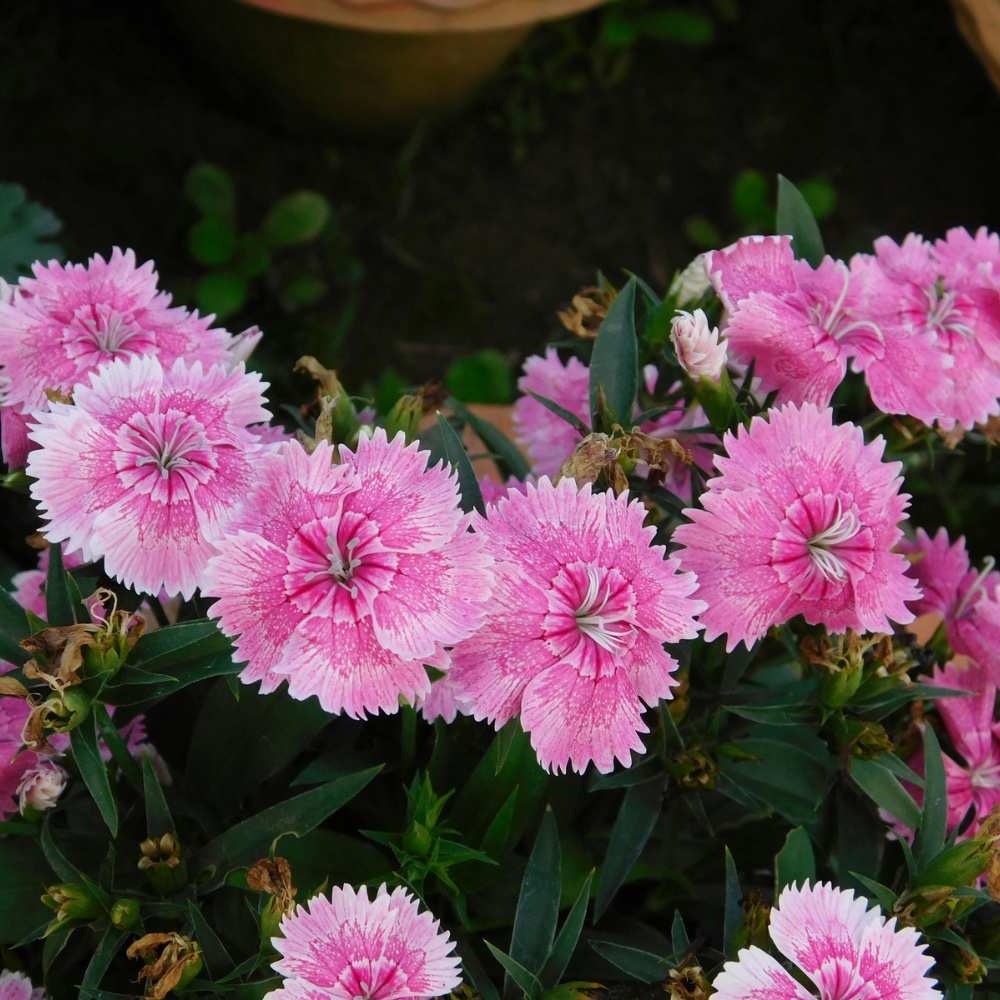
Dianthus is easy to grow, smells lovely and brings lots of color to a garden. So it’s not a surprise it’s loved by many gardeners.
But sadly you can’t plant it with any other plant and hope it will work out. There are many plants that fight for nutrients, bring in unwanted pests or just just make it difficult for dianthus to grow well.
So if you’re growing dianthus you’ll want to avoid these plants. Below is a list of ones to keep away from your dianthus and why.
Why Compatibility Matters in the Garden
Having compatible plants in your garden is actually really important. Some plants help each other by keeping away pests, making the soil better or giving each other shade.
But others do the opposite. They fight for resources, being in insects that do harm and even release chemicals that can slow down or stop other plants growing entirely.
Knowing which plants to avoid can mean the difference between a garden that does well and one that struggles.
So let’s go over the ones that shouldn’t be planted with dianthus.
1. Mint
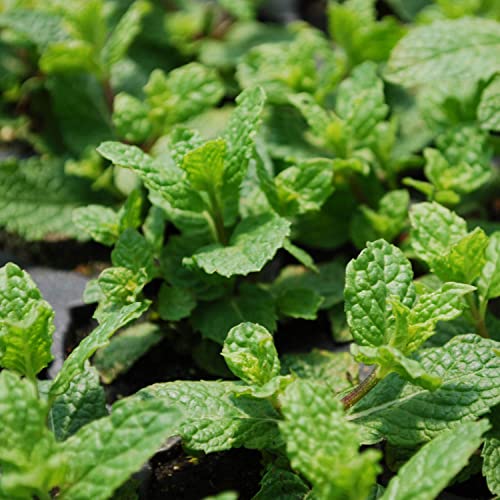
Mint may be great for things like herbal teas and cooking but it’s doesn’t work at all with dianthus.
Why Mint is a Problem:
- Invasive Growth: Mint grows and spreads quickly and will overtake dianthus fast.
- Water Competition: Mint needs a lot of moisture but dianthus likes things to be drier.
- Root Competition: Mint’s roots grow strongly and can suffocate dianthus.
- Allelopathic Effects: Mint releases chemicals that can slow the growth of any plants that are close by.
- Shade Issues: Mint can grow tall and block sunlight from reaching dianthus.
- Pest Attraction: Certain pests that love mint can also attack dianthus.
- Spreading Roots: Mint grows runners underground and they can be hard to control.
- Soil Acidity: Mint can change the soil pH and make it jars for dianthus to grow in.
- Overcrowding: Mints leaves grow fast and make it hard for dianthus to do well.
- Difficult to Remove: Once mint gets a hold it’s nearly impossible to kill.

2. Fennel
Fennel is notorious for being a bad companion to basically every plant, and dianthus is no exception.
Why Fennel is a Problem:
- Allelopathic Effects: Fennel releases chemicals that stop plants from growing that are near it.
- Poor Growth Conditions: Its can cause dianthus to grow poorly and become leggy.
- Space Competition: Fennel grows tall and can stop dianthus from getting enough light by blocking the sun.
- Soil Competition: It takes nutrients from the soil that dianthus needs.
- Pest Attraction: Fennel brings in pests that also do damage to dianthus.
- Root Crowding: Fennel’s roots grow deep and make it hard for dianthus to get established.
- Water Competition: It takes up a lot of water which doesn’t leave much for dianthus.
- Incompatible Soil Needs: Fennel likes rich, moist soil but dianthus does best in soil that drains well.
- Limited Pollination Benefits: It brings certain pollinators to gardens but not the ones dianthus likes or needs.
- Fast Growth: Fennel grows quickly and will crowd dianthus so it is harder to grow.
3. Tomatoes
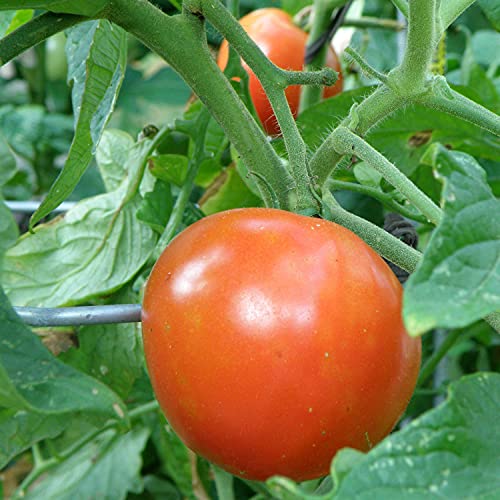
Tomatoes and dianthus don’t get along in the garden.
Why Tomatoes are a Problem:
- Nutrient Depletion: Tomatoes take up a lot of nutrients, leaving little for dianthus.
- Pest Issues: Tomatoes attract aphids and whiteflies which also attack dianthus.
- Space Competition: Tomato plants grow large block the sun from getting to dianthus.
- Moisture Needs: Tomatoes need watering often which can cause root rot in dianthus.
- Soil Exhaustion: Tomatoes use up nitrogen which dianthus needs to grow well.
- Limited Sunlight: Their big leaves can block the light dianthus needs.
- Disease Risk: Fungal diseases are common in tomatoes and can spread to dianthus.
- Root Interference: Tomato roots grow a lot and leave less room for dianthus to grow theirs.
- Different Growing Seasons: Tomatoes and dianthus have grow in the different seasons.
- Overcrowding: Tomatoes take up a lot of space so it is hard for dianthus to get good air flow around them.
4. Corn
Corn is grown in a lot of gardens but it’s not good for dianthus.
Why Corn is a Problem:
- Shade Issues: Corn grows tall and blocks the sun from dianthus.
- Water Competition: Corn absorb a lot of water which means dianthus doesn’t get enough.
- Nutrient Depletion: It takes up lots of important nutrients, especially nitrogen.
- Pest Attraction: Corn attracts pests like aphids that can also hurt dianthus.
- Wind Issues: Corn can create a wind barrier, which basically means it stops the air from getting to dianthus.
- Root Competition: Its roots grow deep and take up lots of space.
- Different Soil Needs: Corn likes richer soil but dianthus does best in soil that drains well.
- Moisture Imbalance: Corn and dianthus don’t have the same watering requirements.
- Overcrowding: Corn takes up a lot of room meaning dianthus has very little space to grow.
- Poor Companion Benefits: Corn doesn’t offer any benefits to dianthus.
5. Roses

Roses and dianthus may seem like a good pair but they’re definitely not.
Why Roses are a Problem:
- Pest Issues: Roses attract aphids, spider mites and Japanese beetles.
- Nutrient Competition: Roses are take up a lot of resources.
- Watering Differences: Roses need consistent moisture and dianthus likes dry soil.
- Shade Problems: Roses grow large and can block the sun from dianthus.
- Disease Risk: Roses are can get fungus which can then spread to dianthus.
- Root Interference: Roses have deep roots that can take the space dianthus need.
- Soil Depletion: Over time roses will take nutrients from the soil that dianthus needs.
- Limited Pollination Benefits: The insects roses attract can do harm to dianthus.
- Airflow Issues: Roses can grow lots of leaves which stops the air from flowing around dianthus.
- Pruning Challenges: Managing both plants in the same space can be hard as they have different needs.
6. Hydrangeas
Hydrangeas are beautiful but they aren’t a good plant to be planted with dianthus.
Why Hydrangeas are a Problem:
- Soil Mismatch: Hydrangeas need acidic soil but dianthus grows well in neutral to slightly alkaline.
- High Water Needs: Hydrangeas need a lot of water which can cause root rot in dianthus.
- Shade Issues: They grow big which causes shade and stops dianthus from getting enough sunlight.
- Nutrient Competition: Hydrangeas feed a lot and so make it harder for dianthus to get the nutrients they need.
- Poor Air Circulation: Their leaves can stop the air from flowing and this makes dianthus more likely to get fungal diseases.
- Root Spread: Hydrangeas’ roots can take up space, giving less room for dianthus to grow.
- Overcrowding: The fact they grow so fast can make it more difficult for dianthus to grow in smaller gardens.
- Different Fertilizer Needs: Hydrangeas like acidic fertilizers, which won’t work for dianthus.
- Seasonal Dormancy: Hydrangeas can go dormant in winter which leave gaps in the garden.
- Pest Attraction: Hydrangeas can attract pests like aphids and spider mites which can also damage dianthus.
7. Hostas

Hostas and dianthus are poor garden companions because of what they need and like to grow.
Why Hostas are a Problem:
- Sunlight Mismatch: Hostas like shade and dianthus does best in full sun.
- Moisture Needs: Hostas need rich, moist soil which is too damp for dianthus.
- Pest Attraction: Hostas attract slugs which can then damage dianthus.
- Sunlight Blockage: Their big leaves can stop the light from reaching dianthus.
- Aggressive Growth: Hostas grow quickly and can crowd out dianthus.
- Soil Differences: They like fertile soil that holds on to moisture but dianthus does better in drier soil that drains well.
- Overlapping Roots: Their roots can interfere with dianthus’ ability to grow and settle.
- Shallow Roots: Hostas’ roots can take all the water from the upper parts of the soil.
- Winter Dieback: Many hostas die back in winter which leaves empty gaps in the garden.
8. Peonies

Peonies are really beautiful flowers. Sadly though they don’t mix well with dianthus in the garden.
Why Peonies are a Problem:
- Space Hogging: Peonies grow big and don’t leave much room for dianthus.
- Pest Issues: They attract ants, which can become a nuisance in any flower beds dianthus are in.
- Soil Needs: Peonies like rich, fertile soil, but dianthus does better in soil that drains well.
- Watering Differences: Peonies need lots of watering which can be too much for dianthus.
- Shade Problems: Their big flowers and foliage can stop the sun from getting to dianthus.
- Slow Growth: Peonies take years to mature which can clash with how fast dianthus grow.
- Prone to Disease: Peonies can get fungal infections that then spread to plants close to them.
- Heavy Mulching Needs: Peonies often need a lot of mulch which can trap too much moisture for dianthus.
- Short Bloom Period: Peonies have only flower for a short period, which will then leave gaps in the garden when they’re gone.
- Companion Planting Conflicts: They don’t offer any benefits to dianthus and may compete with it.
9. Zinnias

Zinnias and dianthus are both colorful but they aren’t good in gardens together.
Why Zinnias are a Problem:
- Disease Risk: Zinnias get powdery mildew which can then spread to dianthus.
- Nutrient Competition: They take up nutrients from the soil, making less available for dianthus.
- Watering Differences: Zinnias need watering more often but dianthus like drier soil.
- Sunlight Blockage: Zinnias grow tall, blocking the light to dianthus.
- Pest Attraction: They attract aphids and spider mites which can hurt dianthus.
- Self-Seeding: Zinnias reseed easily, which could mean they take mire of dianthus’ space.
- Root Competition: Their roots grow quickly and can compete with dianthus for space.
- Inconsistent Growth Rates: Zinnias grow fast but dianthus grows more steadily.
- Deadheading Needs: Regular deadheading is necessary for zinnias and that can may interfere with the care for dianthus.
- Different Seasonal Needs: Zinnias do best in the summer heat and dianthus likes cooler conditions.
10. Lamb’s Ear
Lamb’s Ear has a soft look but it can be a problem when planted near dianthus.
Why Lamb’s Ear is a Problem:
- Aggressive Spread: Lamb’s Ear grows quickly, taking over dianthus’ space.
- Poor Air Circulation: Its thick leaves stops the air flowing which increases the risk of disease.
- Soil Moisture Differences: It likes more moisture than dianthus can deal with.
- Nutrient Competition: Lamb’s Ear takes a lot of the nutrients that dianthus needs.
- Sunlight Blockage: Its dense leaves can stop dianthus getting sun.
- Limited Pollinator Benefits: The flowers of Lamb’s Ear attract bees but not the pollinators dianthus needs.
- Root Encroachment: Its roots grow wide and make it difficult for dianthus to get established.
- Maintenance Issues: Lamb’s Ear needs regular trimming which can upset with dianthus’ growth.
- Fungal Susceptibility: It can develop fungal problems that can then spread to dianthus.
- Different Growth Habits: Lamb’s Ear grows so much that if can choke out dianthus.
Good Companions for Dianthus
Some plants make excellent neighbors for dianthus. A few great options include:
- Lavender: Both enjoy similar soil that is dry and drains well.
- Salvia: It attracts pollinators without competing for resources.
- Thyme: Doesn’t upset or get in true way of dianthus’ growth.
Tips for Successful Companion Planting
- Match Soil Needs: Choose plants that do well in the same soil dianthus needs.
- Consider Sunlight: Don’t choose plants that create a lot of shade.
- Pest Control: Pick plants that help keep away common dianthus pests.
Final Thoughts
Choosing the right plants to go with dianthus will help it thrive. If you avoid the ones listed here you’ll give your garden the best chance for success.
