
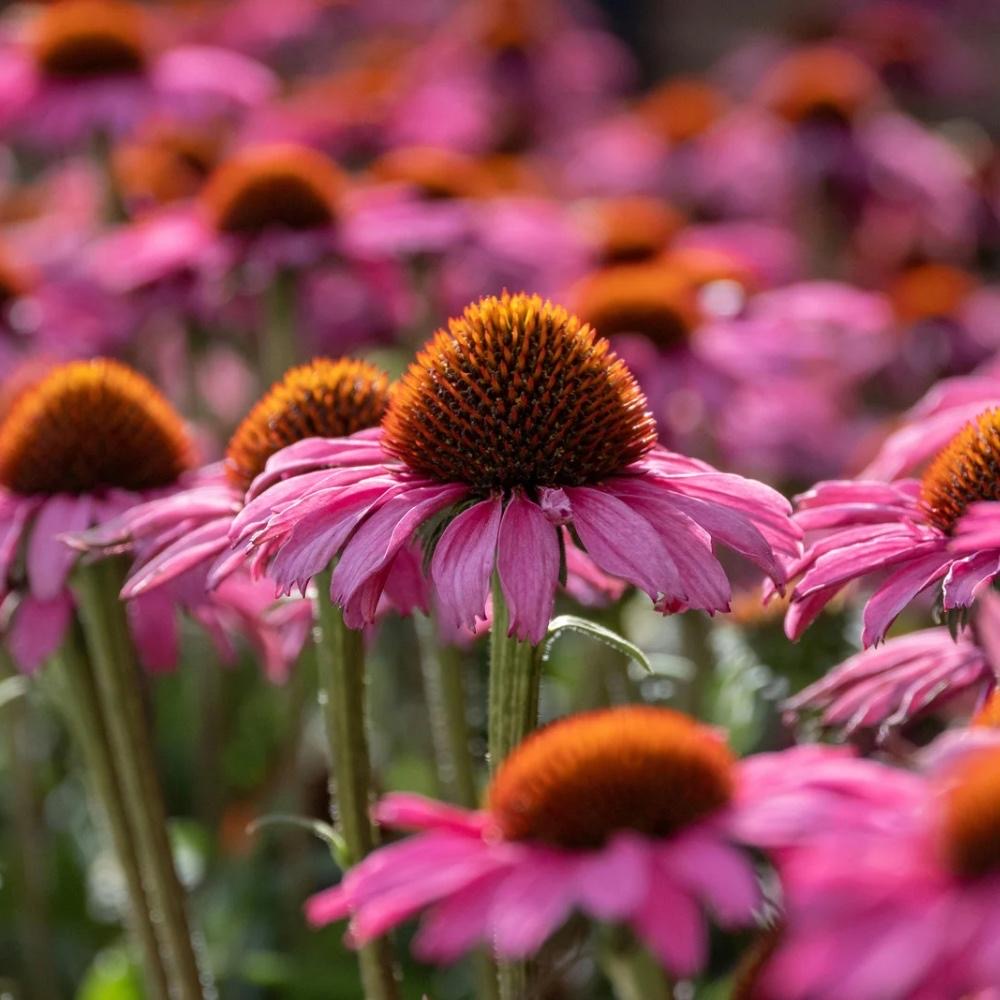
Coneflowers are beautiful and tough, as well as good at attracting pollinators to your garden. So it’s no surprise that they’re very popular in gardens and flower beds.
But there are some plants that you shouldn’t plant with coneflowers. They can fight for space and light, attract pests that upset how they grow and steal resources.
So if you’re growing coneflowers it’s important to avoid these plants. Below is a list of plants that shouldn’t be planted near coneflowers and the reasons why.
Why Compatibility Matters in the Garden
Plant compatibility may be boring but it’s a big part of having success when you’re gardening. Some plants just work together because they support each other’s growth and keep pests away. But others cause problems because they fight over nutrients, space, water etc.
When plants clash like this it ends up with poor growth, an increase in pests and generally worse heath for all the plants involved.
So to keep coneflowers growing well it’s helpful to know which plants to avoid.
1. Black Walnut
Black walnut trees release a natural toxin called juglone which can do serious harm to lots of plants, including coneflowers.
Why Black Walnut is a Problem
- Toxic Soil: Juglone in the soil can either upset the growth of or plants or even kill them.
- Nutrient Depletion: The tree takes up a lot of nutrients which leaves very little for coneflowers.
- Large Canopy: It blocks light which coneflowers need to grow properly.
- Root Competition: The deep roots take up a lot water quickly.
- Falling Debris: Leaves, nuts and twigs can make the soil not good for flowers.
- Slow Breakdown: Juglone stays in the soil long after a tree is removed.
- Attracts Pests: Black walnut trees bring in insects that can do damage to flowers.
- Reduces Blooming: The stress from competing over nutrients and water can make flowers struggle.
- Hard to Remedy: Once you’ve planted coneflowers near black walnut they rarely do well.
Try it: Check Any Two Plants for Compatibility
Use the checker below to see how any two of your plants will get along – pick one from each side and we’ll tell you whether to plant them together or keep them apart.
Plant Compatibility Checker
Select two plants to check if they are compatible companions in your garden.
Compatibility Results:
2. Mint
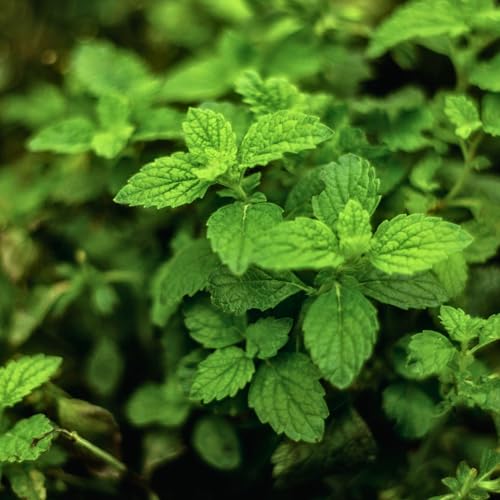
Mint spreads and grows quickly which means it overtakes areas. This in turn means other plants, including coneflowers, won’t be able to grow well alongside it.
Why Mint is a Problem
- Invasive Growth: Mint grows fast and takes over gardens.
- Root Competition: It fights with coneflowers for nutrients and water.
- Allelopathic Effects: Some mint varieties release chemicals that stop the growth of other plants and flowers.
- Crowding: The leaves blocks air from flowing around flowers.
- Difficult to Remove: Once its growing it’s hard to control mint.
- Steals Sunlight: Mint can create a lot of shade for smaller plants.
- Spreads Underground: The root system grows fast and hard.
- Attracts Pests: Some pests that come in to the garden because of mint may may also attack coneflowers.
- Hinders Pollinators: Bees may go to mint blooms instead of coneflowers.
- Requires Frequent Maintenance: Without control mint can smother plants that are growing close to it.

3. Fennel
Fennel has allelopathic properties. That means it releases chemicals that can stop the growth of other plants.
Why Fennel is a Problem
- Chemical Interference: It releases substances that stop coneflowers growing.
- Takes Up Space: Fennel grows large and takes up space other flowers need.
- Competes for Nutrients: It drains the soil and leaves less for other plants.
- Attracts Pests: Aphids and caterpillars love fennel.
- Dominates an Area: Its makes it difficult for others flowers to do well.
- Deep Roots: Fennel takes up water quickly.
- Blocks Sunlight: Tall fennel plants can make too much shade and block the sun for smaller flowers.
- Reduces Blooming: Coneflowers won’t bloom as well near fennel.
- Difficult to Remove: The plant self seeds and spreads a lot.
Garden not living up to its potential?
My free guide 7 Gardening Mistakes That Are Killing Your Plants covers the most common reasons outdoor plants struggle — and what to do about it.
4. Sunflowers

Sunflowers may look great with coneflowers but they fight over the same resources.
Why Sunflowers are a Problem
- Nutrient Depletion: They take up a lot of nutrients.
- Tall Growth: Sunflowers can block the light from getting to coneflowers.
- Heavy Feeders: They absorb a lot of water which leaves the soil dry.
- Thick Roots: Sunflowers take over the space under ground.
- Shorter Blooming Time: They create shadow and limit how many flowers grow.
- Seed Spread: Their seeds can lead to more sunflowers that takeover.
- Attracts Pests: Sunflowers bring in pests that can then spread to other plants.
- Water Competition: Coneflowers may not get enough water when growing near sunflowers.
- Blocks Airflow: Lots of sunflowers stop the air flowing to other plants.
- Leaves Behind Debris: Sunflower stalks and leaves can mean you have to do more cleaning up.
5. Peppers
Peppers and coneflowers have different need and one those differences that make them bad being grown next to each other.
Why Peppers are a Problem
- Nutrient Needs: Peppers need a lot of nutrients, and take them from the soil.
- Moisture Competition: They need consistent watering, which can leave coneflowers dry.
- Different Soil Preferences: Peppers prefer soil that drains well whereas coneflowers can adapt to different conditions.
- Shade Issues: Taller pepper plants can block the light.
- Pest Attraction: Peppers attract aphids and spider mites.
- Different Growth Rates: Peppers grow slower and so struggle against coneflowers.
- Weed-like Spread: Some pepper plants grow fast and hard.
- Difficult to Manage Together: What they both need can clash.
- Temperature Preferences: Peppers like warmer temperatures than coneflowers.
- Stunted Blooms: Coneflowers may not bloom as well when planted near peppers.

6. Cucumbers
Cucumbers and coneflowers don’t mix well because they grow differently.
Why Cucumbers are a Problem
- Vine Growth: Cucumbers grow aggressively and take over space.
- Water Needs: They need constant moisture which may not go well with what coneflowers like.
- Nutrient Competition: Cucumbers absorb a lot of nutrients.
- Shade Issues: Vines can block the light.
- Different Soil Preferences: Cucumbers do best in richer soil than coneflowers.
- Crowding Risk: They can choke out flowers.
- Attracts Pests: Cucumber beetles can spread to other plants.
- Needs Trellising: Putting up support can upset growing coneflowers.
- Growth Rate Mismatch: Cucumbers grow faster, dominating the area.
- Prone to Disease: Mildew and fungal infections are common.
7. Carrots
Carrots and coneflowers don’t share space well.
Why Carrots are a Problem
- Root Competition: Both plants need space underground.
- Nutrient Drainage: Carrots deplete the soil quickly.
- Different Growth Cycles: Carrots take longer to mature.
- Crowding Risk: When carrots grow well they can stop flowers growing.
- Moisture Competition: Carrots need steady watering.
- Attracts Pests: Carrot flies and aphids can be a problem.
- Soil Disruption: Harvesting carrots disturbs any plants close by.
- Limited Companion Benefits: Neither plant helps the other.
Good Companions for Coneflowers
Some plants work well with coneflowers and actually help them to grow.
- Lavender: Attracts pollinators and grows in similar conditions.
- Salvia: Keeps pests away and doesn’t fight over nutrients.
- Yarrow: Supports insects that help coneflowers to do better.
Final Thoughts
Choosing the right companions for coneflowers makes a difference in how well they grow and if your garden will work. If you avoid the plants here then it will give you a better chance of getting flowers, healthy roots and a garden that is successful.
Garden not living up to its potential?
My free guide 7 Gardening Mistakes That Are Killing Your Plants covers the most common reasons outdoor plants struggle — and what to do about it.
