
When I first added camellias to my garden I had no idea how particular they could be about their neighbors. After numerous costly mistakes & failed companion plantings I’ve figured out what not to plant with camellias.
I’m going to give you some pointers on how to get yours thriving by planting them with the right companions.
Understanding Camellias
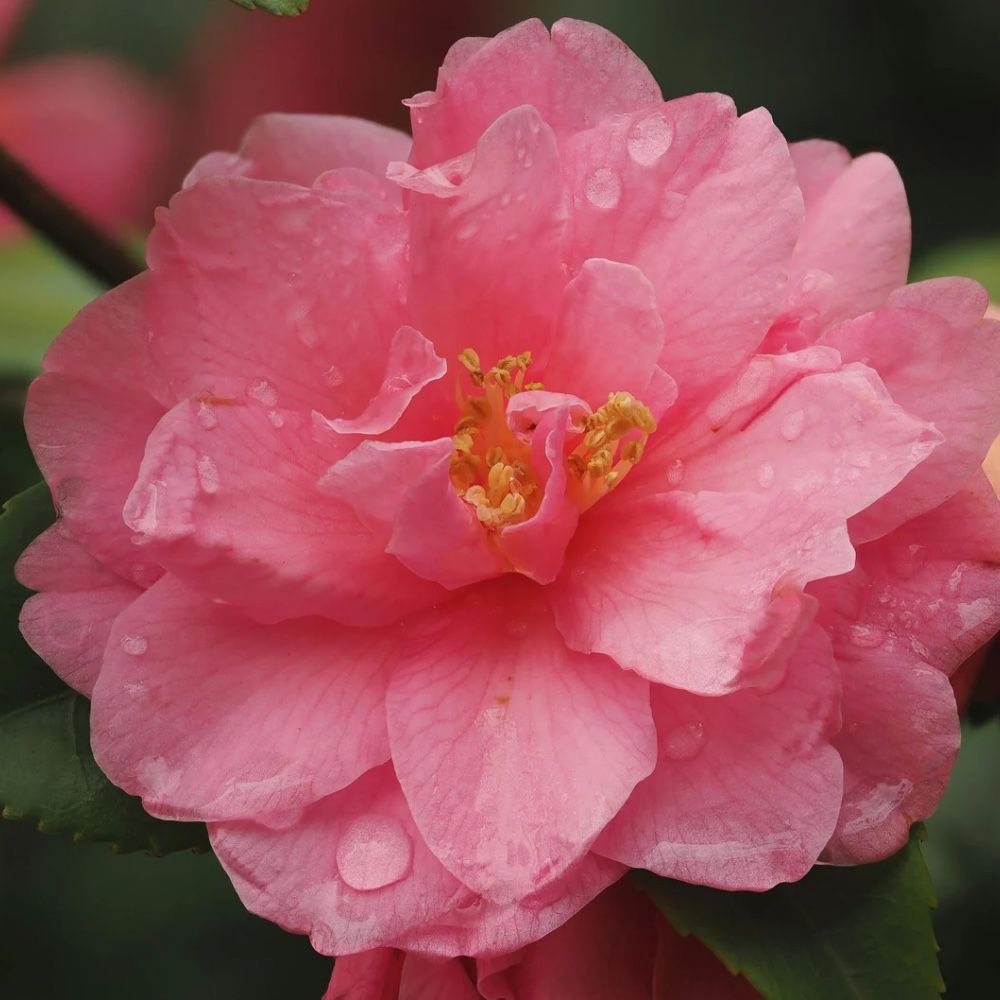
Camellias rank among my favorite shrubs – their glossy leaves provide year round structure and those perfect rose-like blooms appear when the garden has little else to offer in winter and early spring. But get their companions wrong and you’ll find yourself with struggling plants and disappointing blooms.
Camellias come the woodlands of Asia and they bring with them some very specific requirements: acidic soil (pH 5.5-6.5), protection from harsh sun and winds, consistent moisture without waterlogging and freedom from root competition. Match these needs with the wrong plant neighbors and you’ve got a recipe for camellia disappointment.
So before you start digging holes for plants to accompany your camellias, let me share what I’ve learned through years of trial and error (mostly error) about what NOT to plant with these beautiful but somewhat demanding shrubs.
Plants to Avoid Planting with Camellia
1. Shallow-Rooted Trees
This was my first and biggest camellia mistake. I planted several beautiful specimens beneath a mature maple tree, thinking the shade would be perfect. Within two years my camellias were stunted and barely flowering.
Shallow-rooted trees like maples, birches and many fruit trees create intense root competition for camellias. These trees send their roots right into the same soil zone where camellias feed, stealing water and nutrients before your camellias can access them.
While camellias do appreciate some protection from harsh afternoon sun, particularly in hot climates, they need their own root space to thrive. The shade from my maple was perfect but the root competition was a killer.
2. Plants That Need Alkaline Soil

A few years back, I had the not-so-brilliant idea of planting lavender near my camellias to create what I thought would be a beautiful contrast of purple flowers against glossy green leaves. The lavender limped along for a while, then died completely, while my camellias developed yellowing leaves – a classic sign of chlorosis from soil that’s too alkaline.
Plants that need alkaline soil like lavender, rosemary and many Mediterranean herbs will either struggle in the acidic conditions camellias require, or you’ll be constantly amending the soil to try to please both parties (which never works well, trust me).
Other alkaline-lovers to avoid planting with camellias include:
- Lilacs
- Clematis
- Most thymes
- Delphiniums
- Dianthus

3. Plants That Create Wet Conditions

I once planted a gorgeous pink camellia near a downspout where I had some moisture-loving astilbe and ligularia. It was not a good idea The consistently wet conditions that made my shade perennials happy led to yellowing leaves and eventual root rot in my camellia.
While camellias need consistent moisture they absolutely hate sitting in waterlogged soil. Their roots need good drainage or they’ll quickly succumb to root diseases.
Plants that prefer consistently wet soil and should be kept away from camellias include:
- Japanese iris
- Astilbe
- Ligularia
- Cardinal flower
- Many ferns that prefer boggy conditions
4. Heavy Feeders

Roses and camellias might seem like natural companions since they both produce beautiful flowers and have glossy foliage. However, it turns out that roses are heavy feeders that require regular fertilization that’s too strong for camellias. Camellias prefer a moderate, steady nutrient supply rather than the high-phosphorus feeds that roses thrive on.
Other heavy feeders that create nutrient competition for camellias include:
- Dahlias
- Many vegetables
- Flowering annuals that need regular feeding
- Hybrid tea roses
5. Aggressive Groundcovers

The English ivy I inherited with my property seemed like a nice woodland groundcover under my camellias – until it wasn’t. Within a couple of years the ivy had started climbing up the camellia trunks and competing aggressively for water and nutrients.
(Ivy in general is a menace but I’ll save that for another time!)
Aggressive groundcovers can quickly overtake the surface roots of camellias, stealing resources and potentially damaging lower branches.
Other aggressive groundcovers to avoid include:
- Vinca (periwinkle)
- Pachysandra
- Certain varieties of ajuga
- Lamium that spreads vigorously
6. Plants That Attract Scale Insects
Scale insects are one of the few serious pest problems for camellias. I learned that certain plants can act as scale magnets, increasing the pest pressure on nearby camellias.
You can treat scale and remove any plants that cause the problems but it’s a battle you can avoid with better planning.
Plants that often harbor scale and can increase problems for camellias include:
- Euonymus (especially variegated types)
- Magnolias
- Citrus (if you’re in a climate where these can grow outdoors)
- Some ficus varieties

7. Plants Susceptible to Root Rot
Phytophthora root rot can be a serious problem for camellias, especially in poorly drained soils. I’ve found that planting them near other species susceptible to similar diseases can increase disease pressure.
After losing a beautiful camellia to root rot, I discovered it was planted near a rhododendron suffering from the same disease. While rhododendrons and camellias often make good companions due to similar soil preferences, if root rot is present in one, it can easily spread to the other.
Other plants susceptible to similar root diseases include:
- Pieris
- Some heathers
- Certain fruit trees
8. Sun-Loving Plants That Need Regular Pruning
Camellias are slow growing shrubs that develop over many years. Planting them among plants that need regular, aggressive pruning can lead to accidental damage to camellia branches.
Something like Buddleia, which needs constant pruning, can lead to accidentally snipping camellia branches and disturbing their root zone during the more aggressive cutbacks.
Other high-maintenance plants that require frequent pruning include:
- Many roses
- Abelia
- Caryopteris
- Plants grown for colorful stems like red-twig dogwood
9. Drought-Tolerant Plants
Camellias need consistent moisture, especially when establishing and during bud formation.
Plants that prefer dry conditions and make poor camellia companions include:
- Yucca
- Sedum
- Lamb’s ears
- Russian sage
- Ornamental oregano
10. Plants That Create Excess Debris
Certain trees and shrubs create a lot of leaf litter or flower debris that can pile up around camellia bases, potentially leading to fungal issues and pests.
My camellias planted near a large oak tree suffered from the constant accumulation of oak leaves around their bases, which created perfect hiding places for slugs and snails that would damage the lower camellia foliage.
Plants that create excessive debris include:
- Oaks
- Magnolias with large leaves
- Sycamores/plane trees
- Plants with flowers that shatter and decay quickly
11. Plants That Need Regular Foot Traffic Access
Camellias have relatively shallow, sensitive root systems that don’t take well to soil compaction or frequent disturbance.
Plants that require regular attention, harvesting, or maintenance and therefore create foot traffic include:
- Culinary herbs
- Cutting gardens
- Vegetables
- Annual flower beds that need regular replanting
12. Plants That Require Different Pruning Times
Camellias should be pruned right after flowering, as they set next year’s flower buds on the previous season’s growth. If you prune them at the wrong time, you’ll lose flowers.
Plants that require pruning at times that might confuse your camellia maintenance schedule include:
- Spring-flowering spireas (which need pruning right after flowering)
- Hydrangeas (with their complicated pruning requirements)
- Plants pruned in summer for shape
Good Companion Plants for Camellia
Fortunately there are many plants that make excellent camellia companions:
- Azaleas and Rhododendrons – These classic acidic soil lovers share camellia’s cultural requirements.
- Pieris (Andromeda) – Beautiful early spring flowers and similar cultural needs.
- Hydrangea (especially blue-flowering types that prefer acidic soil) – They bloom when camellias are out of season.
- Japanese Maples – Provide beautiful dappled shade without excessive root competition if planted at an appropriate distance.
- Ferns – Many woodland ferns thrive in the same conditions as camellias.
- Heuchera (Coral Bells) – Their colorful foliage brightens shady spots near camellias.
- Hellebores – Winter-blooming perennials that complement camellia season.
Tips for Successful Companion Planting with Camellia
- Match pH needs – Stick with plants that also prefer acidic soil (pH 5.5-6.5).
- Respect root zones – Give camellias plenty of space for their root systems to develop without competition.
- Consider blooming seasons – Choose companions that bloom at different times to extend the seasonal interest.
- Layer appropriately – Use lower-growing perennials in front of camellias and taller plants or trees at a distance behind them.
- Maintain consistent moisture – Group plants with similar water needs to avoid over or under-watering any plants.
Final Thoughts
Camellias can thrive for decades when given the right growing conditions. My most successful camellia plantings have been in woodland-style gardens where they’re surrounded by compatible acid-lovers like rhododendrons, hydrangeas and woodland perennials, with perhaps a Japanese maple providing dappled overhead shade from a respectful distance.
While this list of plants to avoid might seem restrictive it’s more of a guide to help you create the ideal growing environment for Camellia. With proper companion selection they will reward you with decades of beautiful blooms when the rest of the garden is still asleep.
