
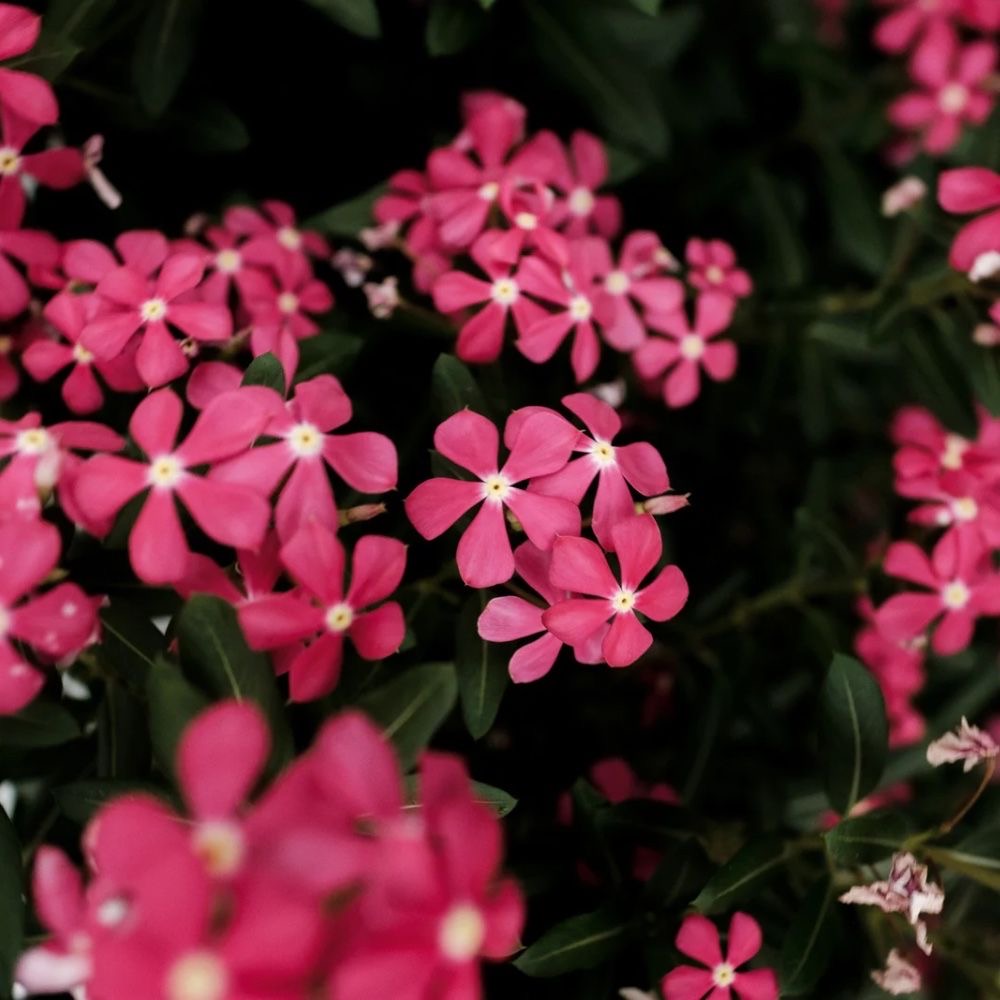
I never thought something as innocent as periwinkle (Vinca minor) could cause so much garden drama. Years ago I added this pretty ground cover to a sloped area in my yard that needed stabilizing.
It looked gorgeous with its glossy leaves and delicate purple flowers – until it started invading everything nearby. Since then I’ve learned some valuable lessons about what not to plant anywhere near periwinkles.
If you’re considering adding periwinkle to your landscape (or already have it and want to know what to avoid planting nearby), this article will help you avoid the potential pitfalls of this beautiful but sometimes aggressive ground cover.
My successes and failures with periwinkle might just save your garden from unnecessary struggles.
Understanding Periwinkles
Periwinkles, commonly known as vinca, are attractive evergreen ground covers which have glossy foliage & pretty blue-purple (or sometimes white) flowers. There are two main types you’ll encounter: Vinca minor (common periwinkle) and Vinca major (big periwinkle). Both have their uses in the landscape but they also share some challenging characteristics.
What makes periwinkles both useful and problematic is their strong growth habit. They spread by sending out runners that root as they go, creating a dense mat of vegetation. This makes them excellent for erosion control and covering difficult areas but it also means they can quickly overtake less vigorous plants.
I’ve found that periwinkles thrive in partial shade to full shade locations, though they can tolerate some sun if given enough moisture. They prefer well-drained soil but aren’t overly picky about soil type. Their adaptability is another reason they can become a problem – they’ll grow just about anywhere once established!
From my garden I’ve noticed how they interact with various plants. Some combinations have been disasters, while others have worked surprisingly well.
So I’ll go through which plants you should avoid planting with periwinkles for the best chance of success.
Plants to Avoid Planting with Periwinkles
1. Spring Bulbs

This was my first periwinkle mistake. I planted daffodils and tulips in an area already established with periwinkle, thinking the bulbs would push through the ground cover and create a beautiful spring display. While some bulbs emerged, many couldn’t penetrate the dense mat of periwinkle roots.
The ones that did flower struggled to spread naturally as periwinkle prevented their offsets from establishing. After three years my once-robust bulb display had diminished significantly.
2. Woodland Wildflowers
Delicate native wildflowers like trillium, bloodroot and jack-in-the-pulpit are no match for aggressive periwinkle. I had a small woodland garden with native wildflowers that was accidentally invaded by periwinkle from a neighboring bed. Within two seasons, my precious wildflowers were choked out almost completely. These slow-growing natives simply can’t compete with periwinkle’s rapid spreading habit.

3. Hostas

While mature hostas can sometimes hold their own against periwinkle, young or smaller varieties often struggle. The periwinkle’s dense root system competes with hostas for water and nutrients.
4. Coral Bells (Heuchera)

These popular perennials with their colorful foliage make a striking contrast to periwinkle’s green leaves, but it’s not a happy partnership. My heucheras showed signs of distress when periwinkle started growing under and around them. The shallow-rooted heucheras couldn’t compete for resources, and I noticed reduced growth and less vibrant leaf color. Eventually, the periwinkle began growing over the heuchera crowns, which can lead to rot issues.
5. Low-Growing Perennials
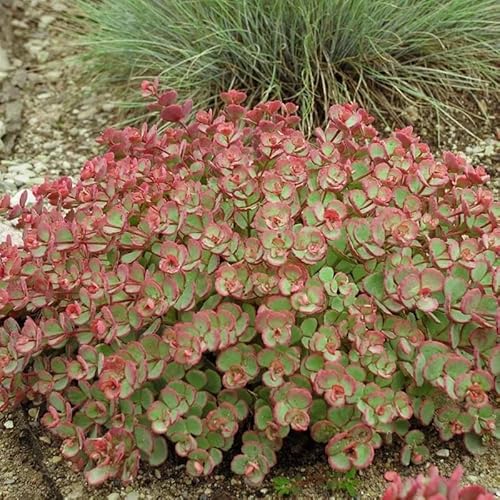
Plants like creeping phlox, sedum or thyme simply get smothered by periwinkle. I had a beautiful carpet of creeping phlox that was gradually infiltrated and then overwhelmed by periwinkle from an adjacent area. Despite the phlox having a head start, within three years, only scattered patches remained among the periwinkle. These low-growing plants just can’t compete with periwinkle’s aggressive nature.
6. Other Ground Covers
Mixing ground covers rarely works well, especially when one is as vigorous as periwinkle. I tried growing sweet woodruff alongside periwinkle, thinking their similar heights would create an interesting patchwork effect. Instead, the periwinkle steadily encroached on the sweet woodruff territory until very little remained. Save yourself the trouble and choose one ground cover for a given area.
7. Seedling Trees and Shrubs
Young woody plants can be strangled by periwinkle as it wraps around stems and competes for water. I planted some inkberry holly shrubs in an area that had periwinkle nearby, and the ground cover quickly surrounded the young shrubs. The hollies grew much more slowly than expected and showed signs of stress until I cleared a periwinkle-free zone around each plant.

8. Ornamental Grasses
While mature clumping grasses can coexist with periwinkle, establishing new grasses is challenging in periwinkle-covered areas. The dense ground cover prevents grass seeds from reaching the soil and establishing roots.
9. Vegetables and Herbs
This might seem obvious but I’ve seen people try to plant vegetables or herbs in areas adjacent to periwinkle, only to have the ground cover invade their garden. I made this mistake myself when I placed a kitchen herb garden near an established periwinkle patch. Before long, I was pulling periwinkle runners from around my basil and thyme. Keep food plants well away from this vigorous ground cover.
10. Ferns
Delicate ferns, especially those that spread by spores rather than rhizomes, often struggle to compete with periwinkle. My Japanese painted ferns were gradually surrounded and then subsumed by encroaching periwinkle. The ferns’ delicate fronds became lost in the denser periwinkle foliage, diminishing the display I had planned. Only my most robust ostrich ferns could hold their ground against the periwinkle invasion.
11. Rhododendrons and Azaleas
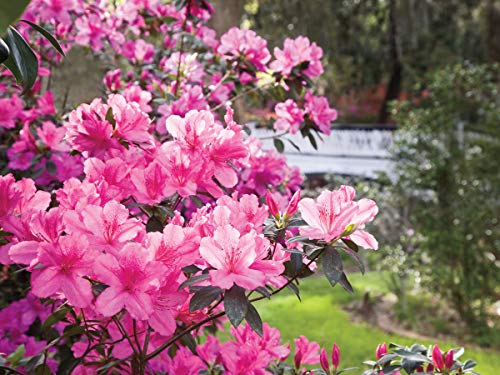
While mature shrubs can coexist with periwinkle, the ground cover can be problematic for younger specimens. Periwinkle growing too close to the trunk can hold moisture against the bark, potentially causing rot issues.
On top of that periwinkle can climb several feet up the stems of shrubs, adding weight that can break branches and create an unkempt appearance.
Good Companion Plants for Periwinkles
Despite its aggressive tendencies periwinkle can coexist successfully with certain plants:
- Mature trees: Established trees with significant root systems can handle periwinkle growing beneath them
- Large shrubs: Fully grown shrubs aren’t usually threatened by periwinkle
- Spring-flowering bulbs (with caution): Larger, more vigorous bulbs like daffodils can push through periwinkle if planted deeply enough
- Hellebores: These tough perennials seem to hold their own against periwinkle in my garden
- Larger hostas: Mature specimens of bigger hosta varieties can coexist with periwinkle if already established before the ground cover arrives
Tips for Successful Companion Planting
After much trial and error I’ve developed these strategies for managing periwinkle in my garden:
Use Physical Barriers
Install edging that extends at least 4-6 inches below the soil surface to prevent periwinkle from spreading into areas where you don’t want it. The metal edging I installed between my periwinkle slope and adjacent garden beds has saved countless hours of weeding and plant rescue operations.
Create “Islands” Within Periwinkle
For plants that don’t compete well with periwinkle but would look good rising above it, create periwinkle-free zones around each plant. I maintain circles of mulch around my coneflowers and black-eyed Susans, preventing the periwinkle from encroaching too closely and allowing these plants to thrive while still getting the ground coverage benefits nearby.
Regular Maintenance is Essential
If you’re mixing periwinkle with other plants, plan on regular monitoring and maintenance to keep it in check. I spend about 20 minutes every two weeks during the growing season pulling runners and trimming periwinkle back from neighboring plants. This consistent effort prevents major problems from developing.
Consider Container Planting
For particularly aggressive strains of periwinkle or very delicate companion plants, consider using large containers sunk into the ground to create physical separation between root systems. This technique saved my prized Japanese painted ferns from periwinkle invasion.
Choose Strategic Locations
Plant periwinkle where its spreading nature is an asset rather than a problem – steep slopes, areas under trees where little else grows, or places where you want to suppress weeds. My periwinkle-covered bank requires almost no maintenance now that it’s established, while still looking attractive year-round.
Final Thoughts
Periwinkle has earned its place in my garden, despite the challenges it sometimes presents. It looks good year-round and the delicate flowers add welcome color in spring. It’s excellent for controlling erosion on slopes and suppressing weeds in difficult areas.
However, successful gardening with periwinkle requires understanding its aggressive nature and planning accordingly. By avoiding the wrong plant neighbors and having a proper containment strategy you can enjoy periwinkle’s benefits without letting it take over your entire garden.
Different varieties of periwinkle show different levels of vigor, with Vinca major typically being more aggressive than Vinca minor. Consider your specific garden conditions and the variety you’re growing when planning companion plantings.
With the right approach periwinkle can be a wonderful addition to your landscape – just make sure you’re the one in control, not the periwinkle! My garden has reached a peaceful coexistence with this beautiful but assertive ground cover and yours can too.
