

When plants are struggling or unhappy they are very good at communicating it. Yellow leaves, brown tips, wilting stems, spots on the foliage – every symptom is the plant telling you something.
The problem is that a lot of those symptoms look similar on the surface. And the wrong diagnosis will result in the wrong fix, which often makes things worse. Treating an overwatered plant for underwatering, for instance, is likely to finish it off rather than save it.
I’ve made most of these mistakes at some point. I was sure one of my peace lilies was underwatered when in fact it was the roots were rotting. I also had a calathea with brown tips that I blamed on the humidity when the real problem was fluoride in my tap water.
Diagnosing plane problems is a skill, and it gets easier with practice. But it helps to have a clear something to work from.
With that in mind I’ve created this guide to help. It goes through the twelve the most common reasons plants struggle, in each case explaining how to identify the problem accurately, what’s causing it and exactly what to do to fix it.
Some of these problems are easy to solve once you know what you’re dealing with. Some will require more patience though.
And sadly there are a few that nothing can be done about if you’ve caught them too late. But even then, knowing why something went wrong helps you avoid the same mistake with the next plant.
Work through the symptoms your plant is showing against the points in each section. The right answer is usually the simplest one.
Quick Answer
- Watering Problems: Too much or too little water stresses the roots fast. Check how moist the soil is before you water again.
- Wrong Light: Plants that are put where it’s too dark or too sunny get weaker over time. Match the light level to what your plant needs.
- Root or Soil Issues: Poor drainage, compacted soil or root rot can stop growth. Look at the roots and repot the plant in fresh mix if needed.
Problems 1-4: The Most Common Reasons
These four problems account for the vast majority of struggling houseplants. If your plant is in trouble and you’re not sure why then start here before looking anywhere else.
01 Overwatering and Root Rot
I’ve said it many times before but overwatering is the most common cause of houseplants dying. It’s responsible for more plant losses than everything else on this list combined.
The cruel irony is that an overwatered plant often looks exactly like an underwatered one. You get wilting, yellowing leaves, a general decline and this all leads people to water more, which just worsens the problem. Understanding the difference is really important.
Symptoms to look for:
- Yellowing leaves, particularly the lower leaves first.
- Stems soft or mushy at the base.
- Soil that stays wet for more than a week after you’ve watered.
- A musty, nasty smell coming from the soil.
- Fungus gnats hovering around the pot (they breed in moist soil).
- Wilting even though the soil is wet – this is the key distinguishing sign from underwatering, where wilting accompanies dry soil.

What to do:
Stop watering and let the soil dry out. If the plant is severely affected, unpot it and look at the roots. Healthy roots are white or tan and will feel firm. Rotten roots are brown or black, soft and may smell bad.
Cut away all rotten roots with scissors or secateurs, use powdered cinnamon or sulphur on the ends of those roots to stop more fungus growth and repot it in fresh, dry potting mix. Water very sparingly for the next few weeks while the plant recovers.
In mild cases caught early just changing how often you watering is enough – let the soil dry appropriately between waterings and the plant will often recover on its own.
02 Underwatering
Underwatering is less common than overwatering but still happens, particularly with bigger plants that drink a lot, plants in terracotta pots that dry out faster and plants that get forgotten when you’re busy. Underwatering is usually easier to diagnose than overwatering because the soil tells you what’s happening.
Symptoms to look for:
- Wilting or drooping with dry soil – soil that feels dry an inch or more down, or a pot that feels very light when you pick it up.
- Dry, crispy leaf tips and edges.
- Leaves that are dull rather than looking glossy. Soil thats pulling away from the edges of the pot (the soil has shrunk as it dried out).
- In more severe cases the leaves might be dropping off or curling.

What to do:
Water thoroughly – slowly pour water over the soil until it runs out of the drainage holes. Make sure all roots get wet rather than just the top layer.
If the soil has become hydrophobic (so dry it stops the water and causes it to run straight down the gap between soil and pot and out the bottom) then the water isn’t reaching the roots even though it looks like you’re watering.
You can fix this by bottom watering: put the pot in a tray of water for 30 to 45 minutes and let the soil absorb that water from below. Brown leaf tips from past underwatering won’t recover but new growth will be healthy once the watering is back on track.
03 Wrong Light Levels
Light is something most people underestimate. The difference between the light on a bright windowsill and the light in the middle of a room is huge even if both spaces look reasonably light to our eyes. But we are far better at adjusting to low light than plants are, which means we overestimate how much light our rooms provide.
Symptoms of too little light:
- Pale or yellowing leaves. Leggy growth that is reaching out for the nearest light it can find.
- New leaves noticeably smaller than the existing ones.
- Loss of variegation in variegated plants.
- Very slow or no growth.
- Monsteras producing leaves without holes (a sign the plant is conserving energy).
- Bleached, faded or burnt patches on leaves – dry, crispy areas that look washed out. These are basically sunburn marks and won’t ever reverse.
- Soil drying out very quickly. Wilting in the afternoon despite enough water.
Symptoms of too much direct sun:
What to do:
For too little light: move the plant closer to a window or to a window facing a brighter direction. In the Northern Hemisphere south and west facing windows provide the most light; north facing windows the least.
If moving isn’t possible or sufficient then a grow light on a timer (12 to 14 hours a day) can make a big difference. For too much direct sun: move the plant back from the window or filter the light by using a sheer curtain. Remember that burnt leaves won’t heal. But the plant will produce healthy new growth once the conditions improve.
04 Pests
Pests are responsible for a lot of plants struggling or dying. And if often gets attributed to other causes, partly because many of the common houseplant pests are small, hide well or move slowly enough that their presence isn’t obvious until the damage is significant.
Taking a look at your plants on a regular basis – turning leaves over, checking where leaves meet stems, looking at the soil surface – is the only way to find them early.
Common pests and their signatures:
Spider mites: A webbing on the leaves and stems, tiny moving dots underneath the leaves, bronzed leaves. They love hot and dry conditions. Often worst in winter, especially plants near radiators.
Mealybugs: White groups in the axils of the leaves, along the stems and at the base of leaves. A sticky substance (honeydew) on the leaves and surfaces below the plant. White insects visible to the naked eye.
Fungus gnats: Small dark flies that hover around the pot and soil. Larvae live in moist soil and feed on roots and organic matter. The adults are annoying rather than harmful; the larvae cause the real damage in bad infestations.
Scale insects: Brown bumps attached to stems and the undersides of leaves, often along the midrib. Sticky honeydew below the plant. Easy to miss because they look like part of the plant.
Aphids: Clusters of small insects (green, black or white) on new growth and the tips of shoots. Curled new leaves. Sticky substance.
What to do:
Isolate any affected plants immediately so the pests don’t spread to any other plants. For spider mites: increase the humidity and spray with water to knock them off then treat with neem oil or insecticidal soap, repeating every five to seven days for three weeks to catch hatching eggs.
For mealybugs: dab the insects with a cotton swab you’ve dipped in rubbing alcohol then treat the whole plant with neem oil.
For fungus gnats: let the soil dry out more between each watering (removing the moist that the larvae need to survive), use sticky yellow traps to catch adults and something like Bacillus thuringiensis israelensis (BTi) or nematodes (Steinernema feltiae) on the soil to kill larvae.
For scale: remove by hand with a soft cloth or old toothbrush then treat with neem oil or horticultural oil. Whatever the pest you have to be persistent – a single treatment rarely deals with an infestation. Repeat applications and regular inspection are what works best.
Problems 5-8: Environmental Causes That Are Easy to Miss
These four problems are overlooked because they’re invisible. You can see an overwatered plant. You can see a pest. You can’t easily see a cold draft, low humidity or the wrong soil pH – which means these problems often go without diagnosis for much longer than they should.
05 Nutrient Deficiencies and Feeding Problems
Plants need a range of nutrients to function and when they’re deficient in specific ones the symptoms are often very distinctive – once you know what to look for. The challenge is that some nutrient deficiency symptoms look similar to other problems (yellow leaves, for instance, can be a sign of nitrogen deficiency, overwatering, or too little light). So it’s important to eliminate the more common causes first before deciding the problem is nutritional.
Symptoms by deficiency type:
Nitrogen deficiency:
- Pale green or yellow leaves starting with older, lower leaves.
- Slow growth.
- Thin, weak stems.
- The most common nutrient deficiency in houseplants, mainly in plants that haven’t been repotted or fed for a long time.
Iron deficiency:
- Yellowing between the veins of the leaves while the veins themselves stay green. This is very distinctive and called interveinal chlorosis.
- Usually affects younger, newer leaves first. Often caused by alkaline soil stopping iron from being taken up rather than a lack of iron.
Magnesium deficiency:
- Similar yellowing but affecting older leaves first. Common in roses, tomatoes and citrus.
Overfeeding:
- White deposits on the soil or at the edges of the pot (salt buildup from fertiliser).
- Brown, burnt leaf tips and edges.
- Wilting even with enough watering.
- It’s frustrating but overfeeding causes symptoms that look like underwatering or drought stress.
What to do:
For general deficiency in established plants: begin to feeding regularly with a balanced liquid fertiliser during the growing season (spring through early autumn). Don’t feed in the winter when the growth has slowed.
For iron chlorosis: check the soil pH – iron becomes unavailable to plants in alkaline soil regardless of how much is present. Lowering pH with sulphur or switching to an ericaceous feed for acid loving plants often resolves it.
For magnesium deficiency: a foliar spray or drenching the soil with Epsom salts at 1 teaspoon per litre of water is a quick fix.
For overfeeding: run a large amount of water through the pot to dissolve and wash out any salts that have built up then don’t fertilize for at least a month before resuming at a lower dose.
06 Temperature and Drafts
Most houseplants are tropical in origin and prefer stable, warm temperatures – something like 15 to 24 degrees Celsius (60 to 75 degrees Fahrenheit). What they really don’t like is a sudden temperature change and cold drafts, which cause cell damage in leaves and stems even when the average temperature seems reasonable.
This is one of those problems that’s easy to overlook because the cause – a draft from a door, cold air from a window at night, heat from a radiator – isn’t visible in the way soil moisture or a pest would be.
Symptoms to look for:
- Sudden leaf drop, often of otherwise healthy looking leaves.
- Brown patches that appear quickly rather than developing gradually.
- Wilting or drooping near windows or doors, especially in the winter.
- Leaves on one side of the plant damaged more than the other (the side facing the draft).
- Curling or puckering leaves.
- In severe cold drafts the leaves develop dark, water soaked patches that later turn brown – cold damage is often confused with disease.

What to do:
Identify and stop the draft. Hold a damp hand near windows, exterior walls and door frames on cold days – you’ll feel cold air movement clearly.
Move affected plants away from drafty windows, doors and air conditioning. In winter move plants on windowsills slightly away from the glass at night or put a layer of cardboard between the plant and window as basic insulation.
Equally, keep plants away from radiators and heating vents – the hot, dry air directly above or beside a heat source is as damaging as a cold draft. Damaged leaves from cold exposure won’t recover but the plant will produce healthy new growth once it’s in a stable position.
07 Humidity Issues
Humidity is talked about a lot and but actually dealt with the least often. Many popular houseplants – calatheas, ferns, orchids, anthuriums, monsteras etc. – are native to humid environments and struggle in the dry air that central heating creates in most homes, especially through winter. The symptoms build slowly and are easy to put down to other causes, which is why this problem persists longer than it should.
Symptoms to look for:
- Brown, crispy tips on the leaves and edges that develop progressively – starting at the tip and working inward, or beginning at the outer margins of the leaf. This is the most consistent low humidity symptom and is one of the most commonly misdiagnosed plant problems (overwatering, underwatering and fluoride sensitivity all produce similar brown tips, so it’s important to check other variables first).
- Leaves that curl downward or inward.
- Flower buds dropping before they open.
- Soil drying very fast.
- Symptoms consistently worse in winter when the heating is on.
What to do:
Group plants that like the humidity together – they will improve the humidity for each other. Put pots on pebble trays filled with water with the pot sitting on the pebbles above the water level rather than in it – as the water evaporates it raises local humidity.
Move plants away from radiators and heating vents. For serious humidity lovers like calatheas, ferns and orchids, a small room humidifier near the plants makes a noticeable difference.
Misting – spraying leaves with water – is often recommended but is pretty ineffective as a humidity solution; the water evaporates within minutes and provides next to no lasting benefit.
Worse, if you leave wet leaves on some plants it can encourage fungal problems. Use a pebble tray or humidifier instead.
08 Wrong Soil or Poor Drainage
The soil a plant grows affects almost every aspect of its health – how quickly it dries out, how well the roots can breathe, are there any nutrients are available to it and how vulnerable the plant is to root rot. Using the wrong soil type for a plant’s needs is a problem that no amount of watering or feeding can make up for. Getting the growing medium right matters more than most people realise.
Symptoms to look for:
- Soil that stays wet for a very long time after watering – more than a week for most plants – suggests it’s too dense and not draining properly.
- Yellow leaves and root rot symptoms in a plant you’re not overwatering, suggesting the soil is holding on to too much water.
- Conversely, soil that dries out extremely fast – within a day or two – suggesting it’s too coarse or the pot is too small.
- Roots growing out of the drainage holes or appearing above the surface of the soil.
- Water that sits on the soil surface instead of being absorbed, suggesting the mix has become compacted or hydrophobic.

What to do:
Match the growing medium to the plant’s needs. Succulents and cacti need a very free draining mix – standard cactus compost or regular potting mix amended with 50% perlite or coarse grit.
Tropical foliage plants (pothos, monsteras, philodendrons) do well in a mix of potting compost with added perlite for drainage. Orchids need specialist orchid bark that lets lots of air flowing around the roots.
Acid loving plants (blueberries, camellias, rhododendrons) need ericaceous compost. If your current soil is compacted or staying too wet, repot it in fresh, appropriate compost – don’t try to fix the existing soil in the pot, as it rarely works well. Make sure the pot has enough drainage holes and that they’re not blocked.
Problems 9-12: Tricky Ones That Are Easy to Get Wrong
These four problems are the ones that most often get misdiagnosed or missed completely. They’re subtler than overwatering or pests and two of them – dormancy and repotting shock – are situations where the plant is doing something normal that looks scary and the wrong intervention makes things a lot worse.
09 Root Bound Plants
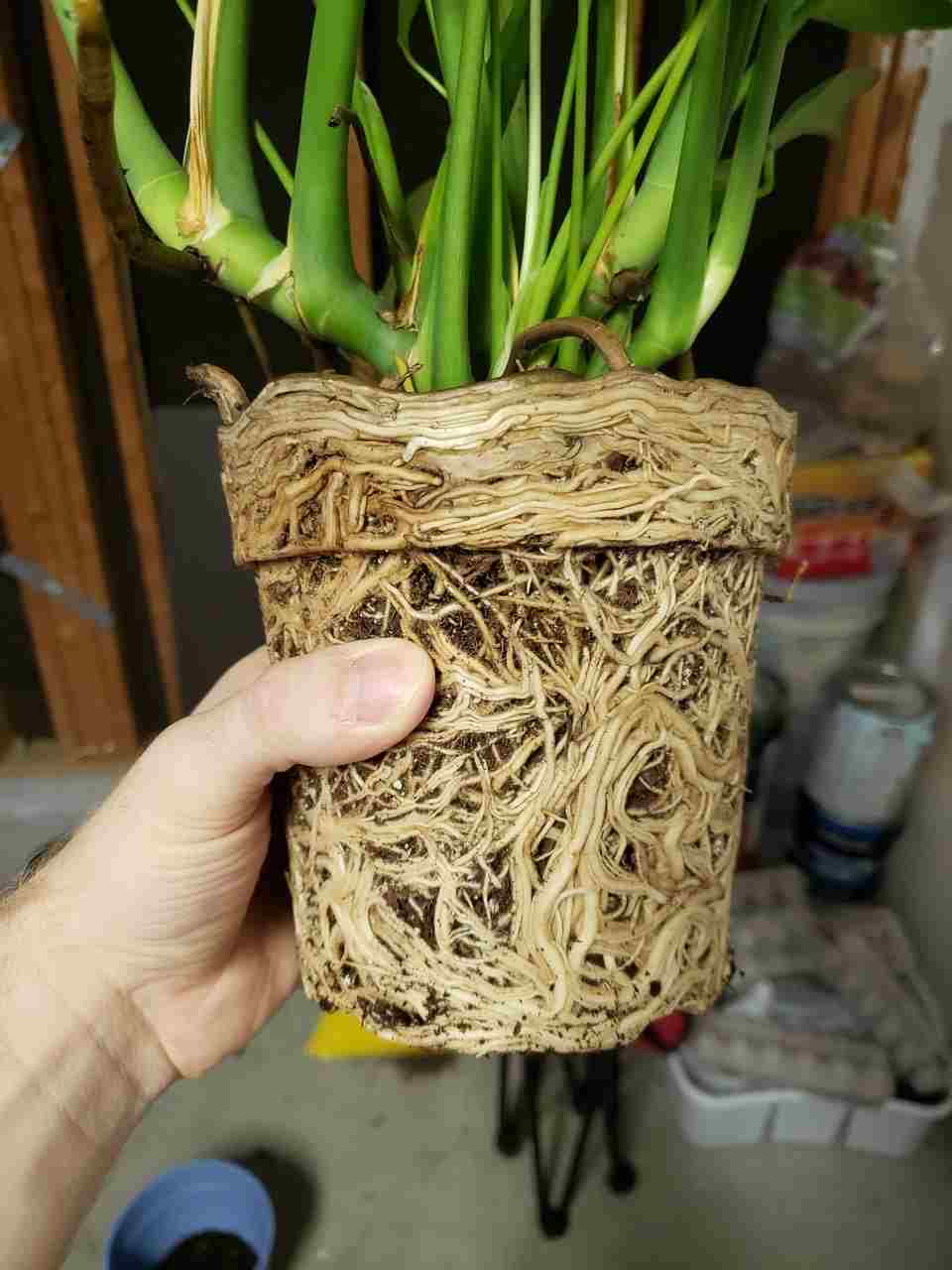
A root bound plant – one where the roots have filled the pot so much so that there’s little or no growing medium left – is a problem that develops very slowly and is easy to miss because of that slow pace. Plants can look fine for a long time while becoming more and more root bound and by the time obvious symptoms appear the problem has often been developing for a year or more.
Symptoms to look for:
- Roots growing out of the drainage holes at the bottom of the pot or growinnf in circles at the surface.
- Soil drying out unusually fast after watering – because there’s so little soil left relative to roots.
- Slow or stopped growth despite good conditions and regular feeding.
- Water running straight through the pot without being absorbed.
- Cracking of plastic pots as the roots expand.
- Lifting the plant out of its pot (easy to do by turning it upside down and tapping the base) reveals a a mass of roots with little or no visible soil.
What to do:
Repot into a container one size up – typically 2 to 5cm (1 to 2 inches) larger in diameter than the current pot. Don’t be tempted to jump to a much bigger pot though as too much soil around small roots will hold on to moisture the roots can’t absorb, increasing the risk of root rot.
Before repotting take out the outer roots if they’ve formed a tight mass – this encourages them to grow out into the new compost rather than continuing to circle. Use fresh potting mix, water in well and keep the plant in slightly lower light for a week or two while it gets used to it.
Not every plant needs to be repotted just because it’s root bound – some plants (peace lilies, spider plants, many orchids) actually flower better when slightly pot bound. Learn which category your plant falls into before you go straight to repotting.
10 Repotting Shock
Repotting shock is one of those problems that’s caused by doing the right thing. You repot a plant that needs it, you do everything correctly and then the plant wilts, drops leaves or looks generally terrible for days or even weeks afterward.
This is normal – transplanting disturbs the roots and temporarily disrupts the plant’s ability to take up water – but it’s worrying if you don’t know to expect it and the instinctive response (water more, move to more light, feed) can make things worse.
Symptoms to look for:
- Wilting or drooping within days of repotting, despite the right watering.
- Yellowing or dropping of leaves, mainly the lower or older leaves.
- Temporary stopping of growth.
- Symptoms appearing within one to two weeks of repotting and then gradually resolving.
- If symptoms appear more than a month after repotting or worsen rather than improve over time something else may be going on.
What to do:
Mostly, wait. Repotting shock resolves on its own as the plants roots get used to the new compost, usually within one to three weeks.
Keep the plant in slightly lower light than usual to reduce its water demands while the roots recover. Water normally – don’t overwater in an attempt to help and don’t let the plant dry out completely.
Stop feeding entirely for at least a month – fertiliser applied to stressed, damaged roots causes more harm than good. The best prevention is repotting at the right time (spring, when growth is beginning) and handling roots as gently as possible during the process.
11 Diseases
Plant diseases like fungal, bacterial, and occasionally viral are less common in well managed houseplants than the other problems on this list. But they do still occur and they’re sometimes confused with other problems because the symptoms can look similar.
The most notable feature of most plant diseases is the pattern and how the symptoms progress. Diseases tend to produce distinctive markings, spots or lesions that spread in certain ways, whereas environmental problems tend to produce more even symptoms.
Common diseases and their signatures:
Powdery mildew: White or grey powdery that coats the leaves, usually starting on the upper side. Common on roses, courgettes, cucumbers and some houseplants in warm, dry conditions with poor airflow. The mildew is actually a fungal mycelium growing on the leaf surface.
Leaf spot: Circular or irregular spots on leaves, often with a yellow halo around a brown or black centre. Various fungal or bacterial species cause leaf spot – the pattern and colour of spots differs down to the pathogen. Usually worse in humid conditions with poor airflow or when the leaves are wet on a regular basis.
Botrytis (grey mould): Fluffy grey mould on the leaves, stems, or flowers, often where there’s a wound or on dying plant material. Thrives in cool, humid, still conditions – common in greenhouses and cold frames in winter.
Root rot (Pythium, Phytophthora): Covered in the overwatering section but worth noting that the fungal pathogens that cause root rot are separate problems from simply wet soil – they spread between plants and can infect otherwise healthy roots in compost that’s too wet/moist.
What to do:
Remove the affected leaves and plant material promptly and put it in the bin. Improve the airflow around the plant.
For powdery mildew: a spray of diluted milk (one part milk to nine parts water) has evidence it works as a preventative and mild treatment. Bicarbonate of soda spray (1 teaspoon per litre of water with a drop of dish soap) also works on powdery mildew.
For leaf spot: avoid wetting the leaves when you’re watering, improve the airflow, remove affected leaves.
For botrytis: improve ventilation, reduce humidity, remove affected material. Fungicide sprays are available for persistent cases but are most effective as preventatives rather than cures.
Any plant showing systemic infection – symptoms throughout the whole plant with no healthy tissue – is unlikely to recover and should be disposed of so it doesn’t spread.
12 Seasonal Changes and Dormancy
This is perhaps the most misunderstood entry on this list and the one most likely to cause panic when it shouldn’t. Many plants go through dormancy or semi dormancy in the winter during which they slow or stop growth, drop their leaves and generally look worse than they did in the summer.
This is completely normal and healthy. Treating a dormant plant as a sick plant – watering more, feeding, repotting – is one of the fastest ways to kill something that was perfectly fine.
Symptoms to look for:
- Slowed or stopped growth from late autumn through winter.
- Leaf drop in deciduous plants and some tropical plants that go partially dormant.
- Yellow and loss of lower leaves as the plant conserves energy and resources.
- Soil drying out more slowly than in the summer.
- The plant looking dull or unresponsive even with good care.
- Symptoms developing gradually as the day length shortens rather than appearing suddenly – this gradual timing is the main indicator that seasonal change rather than a specific problem is the cause.
What to do:
Change your care to match the plant’s reduced needs rather than fighting the dormancy. Reduce watering – dormant or slow growing plants use far less water, and watering at the same rate as summer causes root rot in winter.
Stop feeding until growth resumes in spring. Accept that some leaf loss and aesthetic decline is normal and doesn’t need to be fixed.
Move plants closer to windows as light levels drop to give them the best available light. The distinction between dormancy and a genuine problem is timing and pattern: dormancy develops gradually as seasons change, affects the whole plant evenly, and reverses as conditions improve in spring.
A real problem tends to develop faster, may affect only part of the plant and doesn’t resolve simply because the days are getting longer. If a plant that was in obvious dormancy isn’t showing any signs of recovery by late spring then it’s worth investigating whether something else is wrong.
When to Give Up on a Plant
Not every plant can be saved and knowing when to let go is also a good skill to have. A plant with no healthy roots left, systemic disease throughout or stem rot that has reached the crown is unlikely to recover regardless of what you do.
Time and energy spent trying to rescue something that’s beyond saving is better spent on a new plant and giving the right conditions from the start.
Before you give up though take a cutting if the plant has any healthy growth left. Many plants that are dying at the root can be propagated from a healthy stem or leaf, giving you a new plant that carries no history of whatever problem was that killed the original.
Something like a dying pothos with one healthy vine or a wilting begonia with any intact leaves can be brought back through propagation even when the parent plant is too far gone.
The other thing worth doing when a plant dies is figuring out why before you replace it with the same thing in the same spot. A plant that died of root rot in a north facing corner is telling you that corner’s conditions aren’t good. A plant that got spider mites every winter near a radiator is telling you about that spot’s humidity and temperature.
Use that information. You don’t want to only learn how to fix problems. You should be figuring out conditions well enough that the problems don’t develop in the first place.
