

Watering plants is something everyone thinks they know how to do. It couldn’t be easier, could it?
You fill up a watering can or jug, pour it on the soil, job done. Except it’s not that simple and the proof is in the statistics.
Overwatering is the main killer of houseplants. It’s responsible for more deaths than pests, low light or neglect combined.
Most people don’t drown their plants due to being too careless. They drown them because they’re trying to do the right thing.
They’ve water on a schedule and water because it feels like the right thing to do. Maybe because their plant looks a little sad and water seems like the obvious answer to help it out.
It’s something I’ve done myself. My first pothos – a plant thats difficult to kill – lasted about six weeks before I killed it with a watering can. I watered it every few days because that felt right and by the time I noticed something was wrong, the roots had rotted so much they couldn’t be saved.
Thankfully once you understand a few core principles watering well becomes second nature. You don’t have to follow a schedule. You just learn to read your plants, understand what they need and adjust things as they change.
This guide covers all of that – how to know when to water, how to water properly, how different plants have different needs, if your tap water is doing more harm than good and how to deal with the seasons.
Quick Answer
- Check the Soil First: Put your finger 1 to 2 inches down into the soil. Water only if it feels dry at that point.
- Water Thoroughly: Pour water over the soil until it drains from the bottom and then empty the saucer.
- Adjust by Season and Plant Type: Most plants need more water in the spring and summer and less in the winter.
Why Watering is Harder Than It Looks
The main problem with watering is that there’s no universal answer. How often you need to water depends on the type of plant, how big the pot is, the potting mix, the season, the temperature in your home, the humidity, how much light the plant is getting, if the pot has drainage and more. Change any one of those and how often you need to water changes too.
This is why watering schedules like “water every Tuesday” or “water once a week” don’t work. A snake plant in a terracotta pot on a windowsill that gets lots of sun in July needs to be watered a lot more often than the same snake plant in a ceramic pot in a corner that gets little light in January. The plant is the same but has completely different needs.
What makes everything easier is switching from doing your watering on a schedule to when the plant needs water. You don’t decide in advance when you’ll water, you look at each of your plants and water them when they need it.
It takes a little more attention at first but it will become fairly intuitive fast. And your plants will be a lot healthier for it.

How to Know When to Water Your Houseplants
There are a few reliable methods for checking whether a plant needs water. None of them need you to have any special equipment or tools though one does make things a bit easier.
The Finger Test
The simplest and most widely used method: push your finger about an inch into the soil. If it feels dry at that depth then you can be confident about watering. If it feels damp or cool then it’s best to hold off and check again in a day or two.
For most tropical houseplants – pothos, philodendrons, monsteras, peace lilies – watering when the top inch of soil is dry is a good rule to stick with. For succulents and cacti you want to wait until the soil is completely dry a few inches down before you water again. For plants like ferns and calatheas you might water when only the surface feels dry.
The finger test sounds a but too basic but it’s what everyone uses. I still use it constantly. It’s fast, it’s free and it works.
The Lift Test
Once you’ve had a plant for a while you can judge whether it needs watering by how heavy it feels. Pick up the pot right after watering and pay attention to how much it weighs.
Then pick it up again a few days later when it needs water – you’ll feel how much lighter it is as the soil dries out. Over time this becomes surprisingly accurate, especially for your smaller pots.
It works especially well for succulents and cacti where waiting for the soil to dry out completely is important and the weight difference between wet and dry is quite big.
Watch the Leaves
Some plants will tell you when they’re thirsty. Pothos leaves start to curl slightly at the edges.
Peace lilies droop their leaves to the point where you’d think the plant was dying. But give it water and it bounces back within an hour.
Calatheas and marantas get a slightly dull, less vivid look to their leaves when they’re dry.
Learning your plants signals takes a little time but it’s worth getting familiar with. That said, don’t wait for these signals as your main cue.
Some plants, especially succulents, won’t show any obvious signs of distress until they’re seriously underwatered. Use the finger test as your regular check and treat the signals as a backup.
Moisture Meters
A basic soil moisture meter costs around $10 to $15 and means you don’t have to guess how moist then soil is, especially for bigger pots where the finger test only reaches the top layer.
You push the probe into the soil and get a reading on a scale of dry to wet. They’re not necessary but if you have a lot of plants or you’re prone to overwatering they’re worth getting.
One thing to know: cheap moisture meters can be inaccurate over time, especially once the probe tip starts to rust. Use it as a guide rather than being definitive and crosscheck with the finger test occasionally.
How to Water Houseplants Properly
Knowing when to water is half the battle. Knowing how to water is the other half and it’s where a lot of people go wrong even when they get the timing right.
Water Thoroughly Then Let It Drain
When you water you want to be watering deeply. Pour the water slowly and evenly over the surface of the soil until it runs out of the drainage holes at the bottom of the pot.
This makes sure all the roots gets water, not just the top layer. Shallow watering – just getting the surface wet – encourages the roots to stay near the top of the pot rather than growing down which makes the plant less stable.
After you’ve watered let the pot drain completely before putting it back on a saucer. Empty the saucer after about 30 minutes if water has collected there. M
Letting a pot sit in standing water is one of the fastest ways to give it root rot. The roots basically suffocate because waterlogged soil can’t hold on to oxygen.

Don’t Let Pots Sit in Water
This is worth saying again because it’s such a common mistake. That saucer under your pot is there to catch overflow, not to act as a reservoir.
If your plant is sitting in water for hours or days at a time the roots at the bottom of the pot are constantly wet, which starves them of oxygen and causes rot. So empty it every time.
The one exception to this is if you’re deliberately using a pebble tray to increase the humidity around your plant. But even then the pot should sit on top of the pebbles, above the water level, not directly in the water.
Water at the Base, Not the Leaves
For most houseplants you should be watering the soil rather than from overhead. Wet leaves on some plants – especially any with fuzzy or velvety leaves like African violets and some begonias – can cause fungal problems. Water sitting in the crown (that’s the center where the leaves emerge from) of plants like bromeliads can rot the plant from the center out.
Bottom watering is an alternative way that works well for some plants: put the pot in a tray of water for 20 to 30 minutes and let the soil absorb moisture from the bottom up. This is particularly good for plants with sense roots or for succulents where you want to be sure the soil is fully saturated before it dries out completely.

Watering by Plant Type: Not Everyone Wants the Same Thing
The biggest change in my plant care happened when I stopped treating all my houseplants the same and started understanding that different plants come from different environments and that how much water they need reflects that.
Tropical Foliage Plants (Pothos, Philodendrons, Monsteras)
These plants come from tropical environments where it rains a lot but the soil drains well. They like to be watered when the top inch or two of soil is dry and they do best in a potting mix that also drains well.
They can put up with a missed watering here and there – pothos especially is very forgiving -but they don’t like sitting in wet soil for a long period of time.
Signs of overwatering: yellow leaves, stems that are mushy at the base, soil that stays wet for more than a week. Signs of underwatering: wilting, dry tips of the leaves, very lightweight pot.
Succulents and Cacti
These are the plants most often killed by overwatering because people assume all plants need watering regularly. Succulents store water in their leaves, stems and roots because they evolved in environments where it doesn’t rain much. They need their soil to dry out completely – all the way through the pot – before the next watering.
In the summer that might mean watering every two to three weeks. In winter some succulents and cacti can go a month or more before needing to be watered again.
When you do water, water thoroughly. Then wait. The deep watering followed by complete drying is what copies how the rain would have fallen in their natural environment.
I killed quite a few succulents before I understood this. They looked fine for weeks and then suddenly collapsed. This is because by the time you see rot on a succulent it’s usually too late to do anything. When in doubt with succulents wait another week.
Ferns, Calatheas and More
At the other end of the spectrum are plants from humid forests that like consistent moisture. Ferns, calatheas, marantas and peace lilies prefer to never dry out totally. You’re watering before the soil gets completely dry – when just the top surface feels dry or when the pot feels noticeably lighter.
These plants are also more sensitive to the quality of the water (more on that below) and tend to show a buildup of minerals or sensitivity to fluoride through brown leaf tips and edges. If you’ve got a calathea with constantly browning tips and you’re confident your watering is right then taking a look at the water quality is usually the next thing to do.
Cacti vs. ‘Drought Tolerant’ – They’re Not the Same Thing
Snake plants, ZZ plants and cast iron plants are often lumped together with succulents as ‘drought tolerant’. And while they can go longer between being watered than tropical foliage plants, they’re not the same as true desert succulents.
They still want to be watered every two to four weeks in the growing season and they’ll grow faster and look better with consistent (if infrequent) watering rather than being completely neglected.

Does Water Quality Matter?
Quick answer: yes, for some plants more than others. This is one of those topics that can get complicated so let’s try and look at it in a clear way.
Tap Water
Most houseplants are fine with tap water. The two main concerns with tap water are chlorine and fluoride.
Chlorine can stop some beneficial soil microbes over time and fluoride can build up in the soil and cause toxicity symptoms – brown leaf tips being the most obvious – in sensitive plants.
The easiest fix for chlorine: fill your watering can and let it sit overnight before using it. Most of the chlorine will evaporate within a few hours. This is a simple habit that costs nothing and makes a real difference for sensitive plants.
Fluoride is harder to remove through sitting as it doesn’t evaporate. If your tap water is heavily fluoridated and you’re growing plants that are known to be sensitive to it (spider plants, dracaenas, peace lilies, calatheas) then you may want to use filtered water or rainwater for those specific plants.
Filtered Water
A basic pitcher filter (like a Brita) removes chlorine and reduces some fluoride. It’s a decent option if you have a lot of sensitive plants and your tap water is heavily treated.
The cost of filters adds up though so you’ll want to weigh that against how many plants you’re growing and how sensitive they really are.
Rainwater
Probably the best option for most houseplants, if you can collect it. Rainwater is naturally soft (low in dissolved minerals), slightly acidic which a lot of houseplants like and doesn’t have any chlorine and fluoride. Even collecting a bucket or two during can give you a useful supply for your most sensitive plants.
I keep a small collection of saved rainwater specifically for my calatheas and ferns. The difference in how they look compared to when I was using straight tap water was very clear to see within a few weeks.
Distilled Water
Chemically pure, but it strips out everything – including the beneficial minerals. It’s the best option for very sensitive carnivorous plants like pitcher plants and sundews that are harmed by any dissolved minerals but it’s overkill (and expensive) for regular houseplants.
Hard Water vs. Soft Water
If you live in an area with hard tap water – that is high in calcium and magnesium – you may notice white crusty build up on the soil and around the edges of your pots. This mineral buildup can eventually affect the chemistry of the soil and plant health.
Flush the soil thoroughly every few months by running a lot of water through the pot slowly as this helps to wash away salts that have accumulated through the drainage holes.

Seasonal Watering: Why Your Routine Needs to Change Throughout the Year
One of the most common watering mistakes is keeping the same routine all year round. Your plants’ water needs to change significantly with the seasons and if you don’t adjust you’ll end up overwatering in winter without realizing it.
Spring and Summer
Most houseplants grow actively in the spring and summer when the light levels are higher and temperatures are warmer. Active growth means the plant is photosynthesizing more, transpiring more water through its leaves and drawing more moisture from the soil. You’ll generallt water more often during this time – sometimes twice as often as you do in winter.
Summer heat can also dry out soil much faster, particularly for plants in terracotta pots or small containers. Check moisture levels more often during heat waves and be ready to water more than usual. This is also the season when plants in bright, sunny spots may need water every few days.
Fall
As the days get shorter and temperatures drop, most houseplants begin to slow their growth. Start pulling back on watering frequency from late September or October onward.
The soil will dry out more slowly as the plant’s need for water decreases. If you keep watering at the same rate as in the summer into fall you’ll be setting the pot up to stay wet for too long – which is exactly the condition root rot happens in.
Winter
For most houseplants winter is a period of rest. Growth slows a lot or stops entirely.
The plant needs much less water and the lower light levels mean it’s photosynthesizing less and losing less moisture through its leaves. Watering frequency can drop by half or more compared to summer for many species.
The finger test becomes even more important in winter – don’t water on a fixed schedule, check the soil each time. A pothos that needed water every five days in July might only need water every twelve to fourteen days in December. Let the soil be your guide, not the calendar.
There’s also heating to think about: central heating in winter dries out the air significantly which may increase the rate at which soil dries. So while the plant needs less water due to slower growth, the soil may dry out faster than you’d expect. Check regularly rather than assuming it needs less attention.
The Exception: Tropical Plants in Heated Homes
If your home stays consistently warm and you have grow lights or strong south facing windows that keep your tropical plants growing through winter, you won’t need to reduce watering nearly as much. Again, follow the plant’s needs rather than the calendar – a monstera that’s putting out new leaves in February still needs water at a reasonable frequency regardless of what month it is.

Watering Mistakes and How to Fix Them
Most watering problems fall into a handful of recurring patterns. Look out for the following and what to do about them.
Overwatering
By far the most common problem. Symptoms include yellowing leaves (especially lower leaves), a nasty smell from the soil, soft or mushy stems at the base and soil that stays wet for more than a week after being watered. In serious cases you may see fungus gnats – small flies that breed in consistently moist soil.
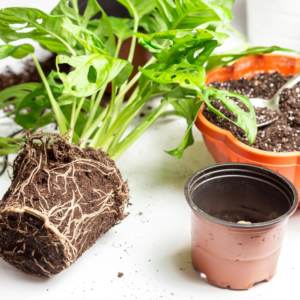
Fix: Let the soil dry out before watering again. If you think there might be root rot, unpot the plant, look at the roots and cut away any black or mushy parts with scissors.
Then repot the plant in fresh, dry potting mix and hold off on watering for a few days to let the roots recover. It’s more dramatic than it sounds and plants recover from it more often than you’d think if you catch it reasonably early.
Underwatering
Happens less often than overwatering but definitely still an issue, especially with bigger plants that drink a lot or plants that get forgotten when you’re busy.
Symptoms include dry, crispy leaf tips and edges, wilting that doesn’t recover after watering (because the soil has become so dry it repels the water) and soil that’s come away from the edges of the pot.
When the soil becomes hydrophobic – that is so dry it won’t absorb water anymore – the usual top watering won’t work because the water just runs straight down the gap between the soil and pot and out the drainage holes without getting the roots wet. Fix this by bottom watering: set the pot in a tray of water for 30-45 minutes until the soil has absorbed moisture from below.
Inconsistent Watering
Going from very wet to very dry and back again stresses plants and can cause issues like blossom drop in flowering plants, curled leaves or cracked fruit in edible plants. Try to be reasonably consistent – not robotic, but not swinging between extremes. Setting a reminder to check your plants every few days, even if you don’t water every time, helps build a habit of looking at them regularly.
Final Thoughts
Watering well isn’t complicated. You just need to get in the mindset of it being something you do as part of checking on your plants. Not a task to check off on a schedule.
The principles are simple: water when the plant needs it, water thoroughly when you do, make sure the pot drains properly and do it based on the plant, the season and the conditions in your home.
Get those basics right and you’ll find that most of your problems watering your houseplant will become a thing of the past. Almost all the issues with watering come down to habits that don’t match up with what the plant needs.
Just start with the finger test for every plant. Then get familiar with the weight of your pots when both wet and when dry.
Pay attention to what your plants look like when they’re happy and also when something isn’t right. It takes a few weeks to get in to the habit but once you do it’s pretty easy and your plants will look a lot better for it.
