
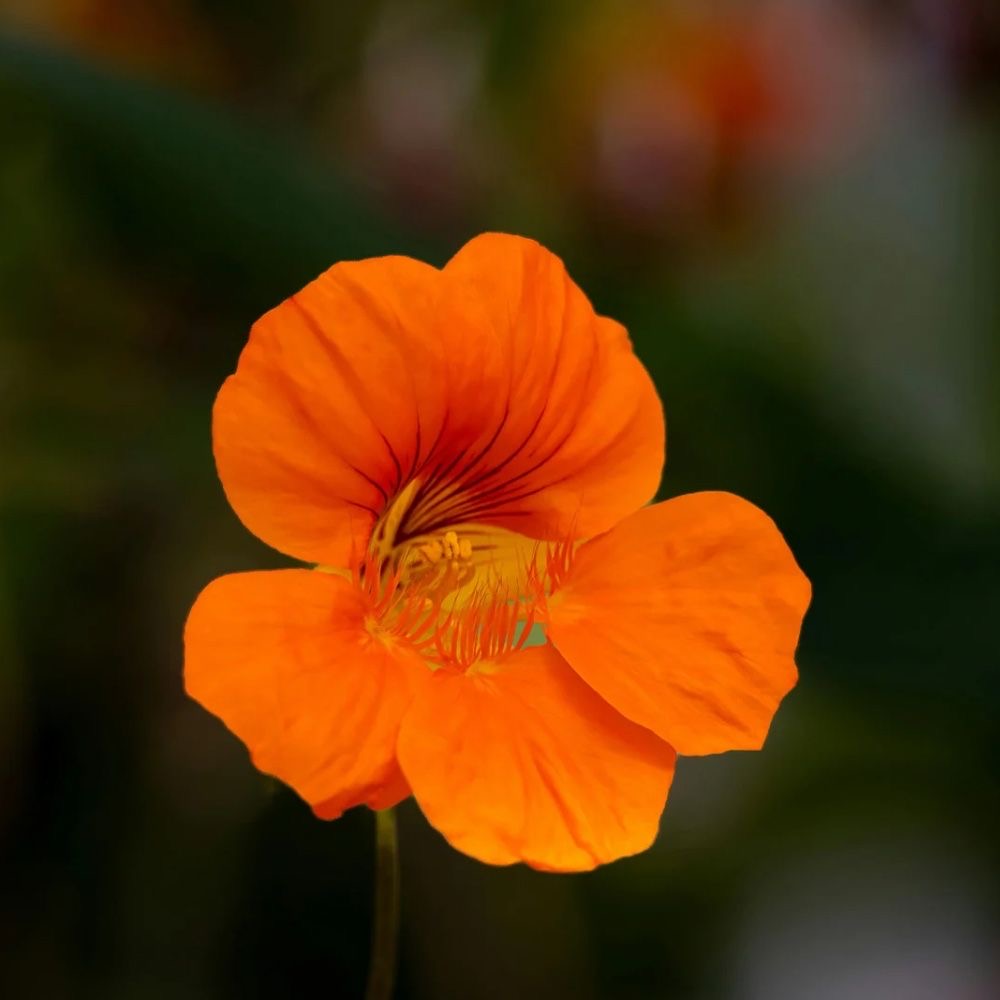
I’ve been growing nasturtiums for over a decade now and they’re some of the most beautiful flowers you can add to your garden. Not only do they look pretty but you can even eat them! But nasturtiums can be picky about what they’re planted with.
Nasturtiums attract pollinators, keeps away pests and can even be tossed into your salad. But get the plants alongside them wrong and they’ll struggle.
When nasturtiums don’t grow because of poor choices of companions they’ll often get leggy, less or no flowers and sometimes they’ll just fail to grow altogether. So you’ll want to steer clear of the following plants and flowers.
13 Plants You Should Never Plant with Nasturtiums
1. Tomatoes

Nasturtiums can help protect tomatoes from whiteflies when they’re planted close to each other but at the same time they’re fighting for many of the same nutrients. And tomatoes will win every time.
Plus the way nasturtiums grow can create too much humidity around tomato stems, which makes them more likely to get diseases.
Try it: Check Any Two Plants for Compatibility
Use the checker below to see how any two of your plants will get along – pick one from each side and we’ll tell you whether to plant them together or keep them apart.
Plant Compatibility Checker
Select two plants to check if they are compatible companions in your garden.
Compatibility Results:
2. Potatoes
Both nasturtiums and potatoes get similar pests and diseases. If you grow them together you’re going to get a lot pests. Also potato plants need hilling (which is where you add soil around the stems), which can bury nasturtium seedlings or young plants.
3. Brassicas (Cabbage, Broccoli, Cauliflower)

This might surprise you since nasturtiums are often recommended as companion plants for brassicas to keep away cabbage white butterflies. Bit the reality is that planting them together can lead to problems.
Brassicas have roots that will fight with nasturtiums for water and nutrients. And the shade that fully grown brassica plants make will stop nasturtiums from getting the sun they need.
4. Fennel
Fennel is a poor companion for so many plants. And nasturtiums aren’t an exception.
Fennel releases substances that stop any plants close to it from growing. I once planted fennel near my nasturtiums and within weeks they were showing signs of stress with yellow leaves and poor growth.
5. Cucumber
Both nasturtiums and cucumbers need space to spread out. If you planted them together they’ll fight for space and the result will be a tangled mess. Cucumbers also prefer slightly more alkaline soil than nasturtiums which like the soil to be either a little acidic or neutral.
6. Squash

Similar to cucumbers squash plants need a lot of space and have big leaves that can completely block the sun from getting to nasturtiums. They also take the nutrients from the soil that nasturtiums need. I’ve seen zucchini completely overtake nasturtiums in less than a month!
7. Melons
Melons are another one that will fight with nasturtiums for space. They need lots of water too which can lead to overwatering nasturtiums as they like the soil to be on the drier side once they’re established.
So many of the nasturtium issues I’ve seen in my garden have been down to overwatering – and that’s often because they were planted near melon vines.

8. Mint
Never, ever plant nasturtiums near mint. Mint is ridiculously invasive and will quickly kill off your nasturtiums. The mint roots will fight and win with nasturtiums for water and nutrients, leaving them struggling to survive.
9. Oregano
While not as aggressive as mint oregano can still push out nasturtiums if they’re planted too close together. Oregano likes drier conditions than nasturtiums and can fight for resources in the soil.
10. Climbing Beans
These two creates a practical problem. Nasturtiums are often used to attract aphids away from beans but they shouldn’t be planted together.
Climbing beans need to be supported and nasturtiums can get tangled in the supports you use. This in turn makes harvesting them difficult and you my run into to issues with damaging both plants.
11. Sunflowers
How high sunflowers grow makes too much shade for nasturtiums. On top of that sunflowers release allelopathic substances that can stop any plants from growing that are close by.

12. Corn
As corn grows and it makes a lot of shade and has roots that will fight with nasturtiums for water and nutrients. My neighbor tried this combination last year and her nasturtiums were pale and had very few flowers.
13. Zinnias

While both are beautiful zinnias and nasturtiums fight for the same pollinators. When they’re planted together I’ve noticed that the pollinators often go to the zinnias, leaving nasturtiums with fewer and so they make less seeds.
Good Companions for Nasturtiums
Now that we know what not to plant with nasturtiums let’s look at some plants that are good matches for them:
- Radishes – Nasturtiums can keep away flea beetles that often attack radishes
- Lettuce – The shade from nasturtium leaves can help keep lettuce cool in the hot weather
- Carrots – Nasturtiums stop carrot flies
- Fruit trees – Nasturtiums bring in pollinators
- Roses – Nasturtiums can help keep away aphids from roses
Tips for Successful Companion Planting
If you want to get the most from your nasturtiums here are some tips that have worked for me over the years:
Remember the Space Requirements
Nasturtiums come in both bush and climbing varieties but all of them need room to spread. Give them at least 12 inches of space in all directions.
Crowded nasturtiums will give you fewer flowers and are more likely to get fungal issues.
Consider Soil Preferences
Nasturtiums actually prefer poor or somewhat fertile soil. Too much nitrogen will mean less flowers grow.
This is why they struggle when planted with vegetables that need a lot of fertilization.
Think About Water Needs
Established nasturtiums like the soil to dry out between waterings. Planting them with plants that need more moisture can lead to problems.
Use Containers for Control
If you have to grow nasturtiums near plants they’ll clash with then you can always plant them in containers. This gives you more control over the conditions and stops any fighting between the roots.
Plan for Succession
Nasturtiums are annuals that will eventually die back after flowering. Plan for this by having other plants ready to fill in when they’re done for the season.
Final Thoughts
Like people some plants just don’t get along well together but others bring out the best in each other. With nasturtiums what you have to do is understand what they need and respecting their quirks. They don’t want rich soil, they don’t want to be crowded and they definitely don’t want to fight with their neighbors.
And of course every garden is different, and what works in mine might not work exactly the same in yours. What’s so great about gardening is the experimentation and discovery – so don’t be afraid to try new combinations and see what works best for you.
