

Irises can be pickier about about what they’re planted with when compared to a lot of other flowers. I’ve made mistakes when planting them that lead to a ruined garden.
So the following plants are the ones you should not plant with your irises and why.
Understanding Irises
Irises are gorgeous when they’re happy but quick to sulk when the conditions aren’t perfect for them. And they’re particular about what they’re planted with.
My first iris bed was a disaster. I surrounded my them with hostas, thinking they would look great together. But within two seasons the irises were struggling and looking sad. The reason? They were fighting for resources.
Irises need specific conditions to really do well – soil that drains well, lots of sunlight and room for their rhizomes to breathe. Many common garden plants just don’t work well with these needs.
When irises are planted with plants that aren’t compatible the results can be devastating:
- Poor growth and fewer flowers
- Likely to get rot and disease
- Shorter lifespan for your iris plants
- Wasted time and money replanting
So, I’ll help you avoid that.
Plants NOT to Plant With Iris
1. Hostas

Hostas on the face of it seem like natural companions but they’re really more like an enemy. Hostas like moist and shady conditions and irises need a dry, sunny spot. Plus the foliage of hostas can trap moisture around iris rhizomes causing them to rot.
What Makes it Bad:
- Competing water needs
- Creates too much shade
- Holds on to moisture which can encourage rot
- Hostas spreads and crowds irises

2. Mint and Other Aggressive Herbs
Keep these far away from your iris beds! Mint, oregano and other herbs will quickly overwhelm irises. I once planted a contained mint patch near my irises and within a few months the mint had sent runners right through the iris bed.
The Problem:
- Extremely aggressive in the way it grows
- Fights over nutrients and water
- Roots that will choke out irises
- Difficult to remove once established

3. Daylilies
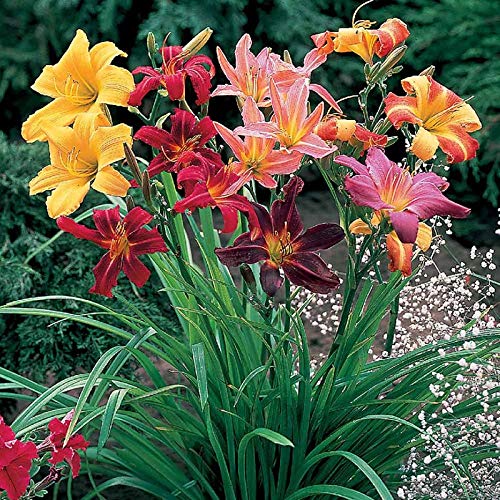
These seem like natural companions for irises but sadly they’re trouble. Daylilies grow densely and crowd out irises as well as fighting for nutrients.
Why They Don’t Work:
- Fight for the same nutrients
- Daylilies spread quickly and crowd irises
- Different watering needs
- Daylilies can block light from getting to irises as they grow larger
Try it: Check Any Two Plants for Compatibility
Use the checker below to see how any two of your plants will get along – pick one from each side and we’ll tell you whether to plant them together or keep them apart.
Plant Compatibility Checker
Select two plants to check if they are compatible companions in your garden.
Compatibility Results:
4. Shallow Rooted Ground Covers
Plants like creeping phlox, ajuga and creeping thyme might seem like good choices for covering the ground around irises but they’re a bad idea. They can grow over iris rhizomes and trap moisture which leads to rot.
The Issue:
- Creates humid conditions around rhizomes
- Fights for water and nutrients
- Makes it difficult to divide irises when needed
- Can hide pest problems until it’s too late
5. Trees and Large Shrubs
I planted a beautiful row of irises along my property line but forget that the oak tree nearby would mean they were growing in shade. The irises stuck around for a couple of seasons before giving up.
What Goes Wrong:
- Roots fight for water and nutrients
- Increasing shade as the trees grow
- Fallen leaves can cover the rhizomes
- The leaves decomposing can make the soil too acidic
6. Peonies

Both are gorgeous flowers but awful companions. Peonies need rich, moist soil and often have to be stakes or supported. These conditions are exactly what irises hate!
The Conflicts:
- Different needs when it comes soil and moisture
- Peonies make shade as they grow
- Both need dividing at different times
- Peonies like fertilizer that can harm irises
7. Heavy Feeders Like Roses
Last year I thought I was being clever by planting irises around my rose bushes. It turns out I wasn’t.
Roses need rich soil and lots of fertilizing – but this makes irises grow lots of foliage but very few flowers.
The Problem:
- Fertilizer that helps roses can harm irises
- Roses need more water than irises
- Thorny branches from roses can damage irises
- Have different ways to control pests
8. Tall Ornamental Grasses
Tall grasses are terrible neighbors for irises. Grasses like miscanthus or pampas grass have roots that will quickly choke out irises.
Why They Don’t Mix:
- Extremely competitive roots
- Make too much shade for irises as they grow
- Can be difficult to contain

9. Moisture Loving Perennials
Plants like astilbe, ligularia and Japanese primrose need soil that stays moist which is the exact opposite of what irises like. Your irises will rot while these plants happily grow.
The Issue:
- Different needs for of watering
- Creates conditions that make disease more likely for irises
- You’ll end up with unhappy plants on both sides
10. Late Developing Plants
I once underplanted my irises with some late emerging perennials like autumn sedums and balloon flowers. By the time they were hitting their stride they had made too much shade for my irises and stopped the rhizomes from baking in the summer sun – which is important for good flowers the next year.
What Goes Wrong:
- Late developing plants grow so that the sun doesn’t reach the rhizomes when they need it
- Difficult to manage the different needs of both
- Often creates crowded conditions
11. Spring Blooming Bulbs That Need to Naturalize
Daffodils and tulips would seem like they would work with irises, blooming at different times. But the bulbs that need to naturalize (keep their foliage until it yellows) can create problems for irises.
The Conflict:
- Dying bulb traps moisture around the iris rhizomes
- Difficult to divide irises without disturbing the bulbs
- Roots fight in small space
12. Aggressive Self Seeders
Plants like verbena, echinacea and rudbeckia are gorgeous but the way they self seed can quickly overwhelm an iris bed.
The Problem:
- Seedlings compete with irises
- Creates an overcrowded bed
- Difficult to remove seedlings without disturbing the irises
- Maintenance becomes tough
13. Plants That Attract Iris Borers
Some plants are magnets for iris borers, which can do real damage to your collection. Certain types of ornamental grasses and some native plants can be breeding grounds for these pests and give them the perfect opportunity to attack your irises.
The Issue:
- Makes pest issues for your irises
- Makes it more difficult to control everything
- Can lead to complete loss of irises
What to Plant With Irises Instead
Not all is lost! There are plenty of plants that work brilliantly with irises. Here are some that have worked well in my garden:
- Alliums – their round flowers look beautifully with irises
- Catmint (Nepeta) – grows low, doesn’t need much water and doesn’t fight
- Yarrow – similar needs and doesn’t overshadow irises
- Lavender – likes the same dry, sunny conditions
- Coreopsis – blooms later which means you get flowers in your garden for longer
- Salvia – the spikes look fantastic next to irises foliage
Tips for Successful Iris Companion Planting
- Leave space around the iris rhizomes – they need air
- Choose plants with the same sort of water needs
- Avoid anything that will stop the light getting to the rhizomes in the summer
- Consider flowerings times – plan for sequential flowering
- Remember that irises need dividing every 3 to 4 years
- Plant flowers or plants that don’t need extra water
One trick I’ve found helpful is to use annuals as iris companions. They give you color after the irises have finished blooming and you can remove them completely when it’s time to divide your iris in to clumps.
Final Thoughts
If your growing irises it’s definitely worth doing the extra planning beforehand. There isn’t much that is as elegant as their flowers and they do a great job of bridging the gap between spring bulbs and perennials.
Gardening is always a bit of an experiment though. What works in my garden might need some tweaking in yours. But no matter where you garden is giving irises the right plants alongside them will mean they have a much greater chance success.
