
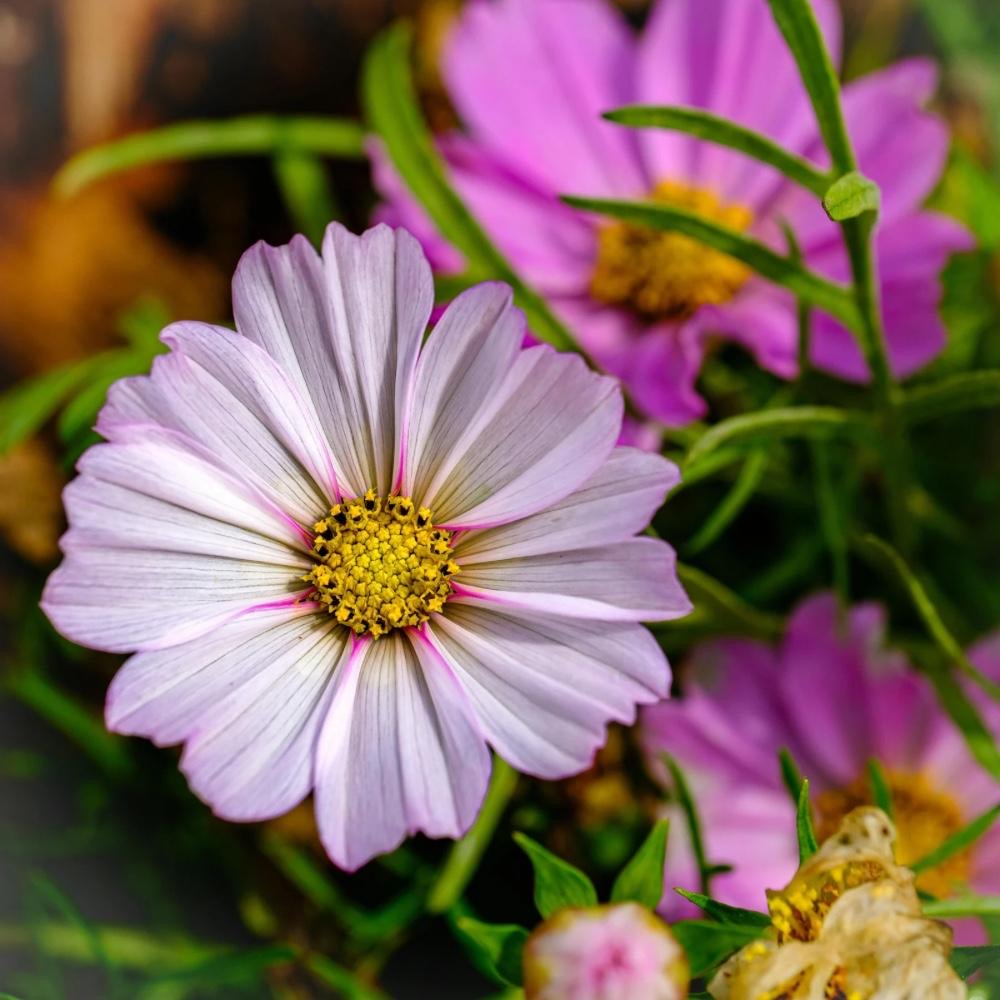
When I first planted cosmos in my garden I was delighted by their wonderful colors & delicate foliage. But I quickly learned that these beautiful flowers aren’t always the friendliest neighbors. Despite their easy-going reputation cosmos have specific preferences about who they share their garden bed with.
So I’ve compiled this guide to help you avoid the mistakes I’ve made. Even if you’re a seasoned gardener or someone just starting out, knowing which plants to keep away from your cosmos can make all the difference between a flourishing garden and a disappointing one.
Understanding Cosmos
Cosmos are annual flowers that originated in Mexico and have since become a garden favorite worldwide. With their daisy-like blooms in shades of pink, white, orange, yellow and red they’re hard to resist. I’ve found them to be relatively low-maintenance, drought-tolerant and prolific bloomers from summer until the first frost.
What many new gardeners don’t realize is that cosmos can grow quite tall – some varieties reaching up to 6 feet! They also self-seed readily, which is both a blessing and a curse. While I love their independent nature, this aggressive self-seeding can lead to competition with neighboring plants.
Cosmos have relatively shallow root systems but they’re nutrient-hungry plants. This becomes important when choosing companion plants since they can outcompete less aggressive growers for the soil’s resources. Last summer I noticed my cosmos absolutely thriving while the plants I’d carefully placed nearby were struggling – a classic sign of incompatible planting.
So avoid the following plants when you’re planting your own cosmos.
Plants to Avoid Planting with Cosmos
1. Tomatoes

I made this mistake two years ago – planting cosmos alongside my prized tomato plants. While they looked charming together initially I soon noticed my tomatoes producing fewer fruits.
Cosmos and tomatoes compete aggressively for the same nutrients, particularly phosphorus. Additionally, the tall cosmos can shade tomato plants, reducing their sun exposure.
Try it: Check Any Two Plants for Compatibility
Use the checker below to see how any two of your plants will get along – pick one from each side and we’ll tell you whether to plant them together or keep them apart.
Plant Compatibility Checker
Select two plants to check if they are compatible companions in your garden.
Compatibility Results:
2. Basil
Another disappointing combination I’ve tried is cosmos and basil. Both plants have similar water requirements, but cosmos’ extensive growth can quickly overshadow basil plants.
My basil became leggy and less flavorful when growing near cosmos, as it stretched desperately toward the sunlight that the taller flowers were blocking.

3. Rosemary
This pairing fails for the opposite reason. Rosemary prefers dry, well-drained soil with minimal water, while cosmos, though drought-tolerant once established, need consistent moisture during their growing phase.
4. Lavender

Similar to rosemary, lavender thrives in dry, poor soil conditions that cosmos simply won’t tolerate. When I tried growing them together, I had to choose which plant to properly care for – the cosmos needed more water than was good for the lavender, resulting in root rot issues for my beautiful purple herbs.
5. Petunias

This was a surprising discovery for me. Both being flowering annuals I assumed they’d get along well. However, petunias and cosmos have differing soil pH preferences.
Petunias like slightly acidic soil, while cosmos prefer neutral to slightly alkaline conditions. The result? Neither plant performed at its best and the petunias particularly suffered.
6. Marigolds
While marigolds are fantastic companion plants for many vegetables, they don’t play well with cosmos. Both are heavy feeders that compete for the same nutrients.
Cosmos can also grow much taller than marigolds, creating shade issues. Marigolds will end up stunted when planted too close to cosmos beds.
7. Sunflowers
This seems like a natural pairing aesthetically but it’s problematic because both cosmos and sunflowers grow tall and cast significant shade. When planted together, they compete for sunlight, with the typically taller sunflowers often winning.
On top of that – sunflowers release allelopathic compounds that can inhibit the growth of nearby plants, including cosmos.

8. Geraniums

Geraniums prefer nutrient-rich soil with excellent drainage, while cosmos can tolerate poorer soil conditions. When I planted them together the additional fertilizer I provided for the geraniums caused my cosmos to produce luxurious foliage but fewer flowers. It was a disappointing display for both plants.
9. Impatiens
This combination fails due to drastically different light requirements. Impatiens thrive in shade or partial shade, while cosmos need full sun to flourish.
In my partly shaded garden corner the cosmos grew spindly and produced few flowers, while the impatiens did fine but were occasionally scorched in the spots where enough light penetrated for the cosmos.
10. Hostas
Like impatiens, hostas are shade-loving perennials that simply cannot meet the sunlight requirements of cosmos.
Hostas also prefer consistent moisture and rich soil, while established cosmos are relatively drought-tolerant. This combination forces you to compromise on the needs of one plant or the other.
11. Mint
Never plant cosmos near mint! I learned this the hard way when mint’s aggressive root system invaded my cosmos bed. Mint spreads rapidly underground and will quickly overtake the area, choking out your cosmos before they have a chance to establish themselves. Keep mint contained in pots, well away from your cosmos.
12. Cilantro
Cilantro bolts quickly in hot weather – precisely the conditions that cosmos love. When I planted them together, my cilantro went to seed long before I could harvest much of it, while the cosmos were just getting started. Their growing seasons and temperature preferences simply don’t align well.
13. Sweet Woodruff
This fragrant ground cover creates a dense mat that can prevent cosmos seeds from reaching the soil and germinating properly. And sweet woodruff prefers partial to full shade, conditions under which cosmos will struggle to thrive.
Good Companion Plants for Cosmos
Not all plants clash with cosmos. I’ve managed to find several companions that work beautifully alongside them.
- Zinnias: These colorful annuals have similar growing requirements and create a stunning, vibrant display when planted with cosmos.
- Salvia: Their spiky blooms provide a nice contrast to the daisy shape of cosmos, and they attract similar pollinators.
- Verbena: Low-growing verbena works well in front of taller cosmos varieties, creating a beautiful layered effect.
- Cleome: These tall, airy flowers complement cosmos without competing too aggressively for resources.
- Coreopsis: Their similar growing conditions and complementary appearance make them ideal companions.
Tips for Successful Companion Planting
After some trial and error here are my top tips for successfully integrating cosmos into your garden:
Consider Height Differences
Plant taller cosmos varieties at the back of borders or in the center of island beds, with shorter plants in front. This prevents shading issues and creates a more balanced visual appearance. I’ve found that the ‘Sensation’ cosmos varieties, which can reach 4-5 feet, work beautifully behind shorter companions like dwarf zinnias.
Group Plants with Similar Needs
Combine cosmos with other plants that enjoy full sun and can tolerate similar watering schedules. This simplifies garden maintenance and ensures all your plants receive appropriate care. My dedicated “sunshine bed” groups cosmos with other sun-lovers, making watering and fertilizing much more straightforward.
Space Adequately
Give cosmos enough room to reach their full size – typically 1-2 feet of space between plants, depending on the variety. This prevents overcrowding and reduces competition for nutrients. I’ve learned to be ruthless about thinning cosmos seedlings, as better spacing leads to healthier plants and more prolific blooming.
Control Self-Seeding
Cosmos are prolific self-seeders. To prevent them from overtaking companions, deadhead spent blooms regularly or be prepared to pull unwanted seedlings in spring. Last year, I let my cosmos go to seed, and this spring I spent hours removing hundreds of seedlings that had sprouted throughout my garden beds!
Final Thoughts
By avoiding the plants listed above and focusing on compatible neighbors, you’ll create a happier garden ecosystem where your cosmos can truly shine. Remember that garden design is part science, part art and always involves some experimentation. What works in a Zone 4, 5, 6 etc. garden might need adjusting in your growing conditions.
Don’t be discouraged by occasional failures – they’re valuable learning experiences. My cosmos disasters have ultimately led to greater successes as I’ve adjusted my planting strategy. Keep observing, adapting and enjoying the process, and soon you’ll have a cosmos display that’s the envy of the neighborhood.
