
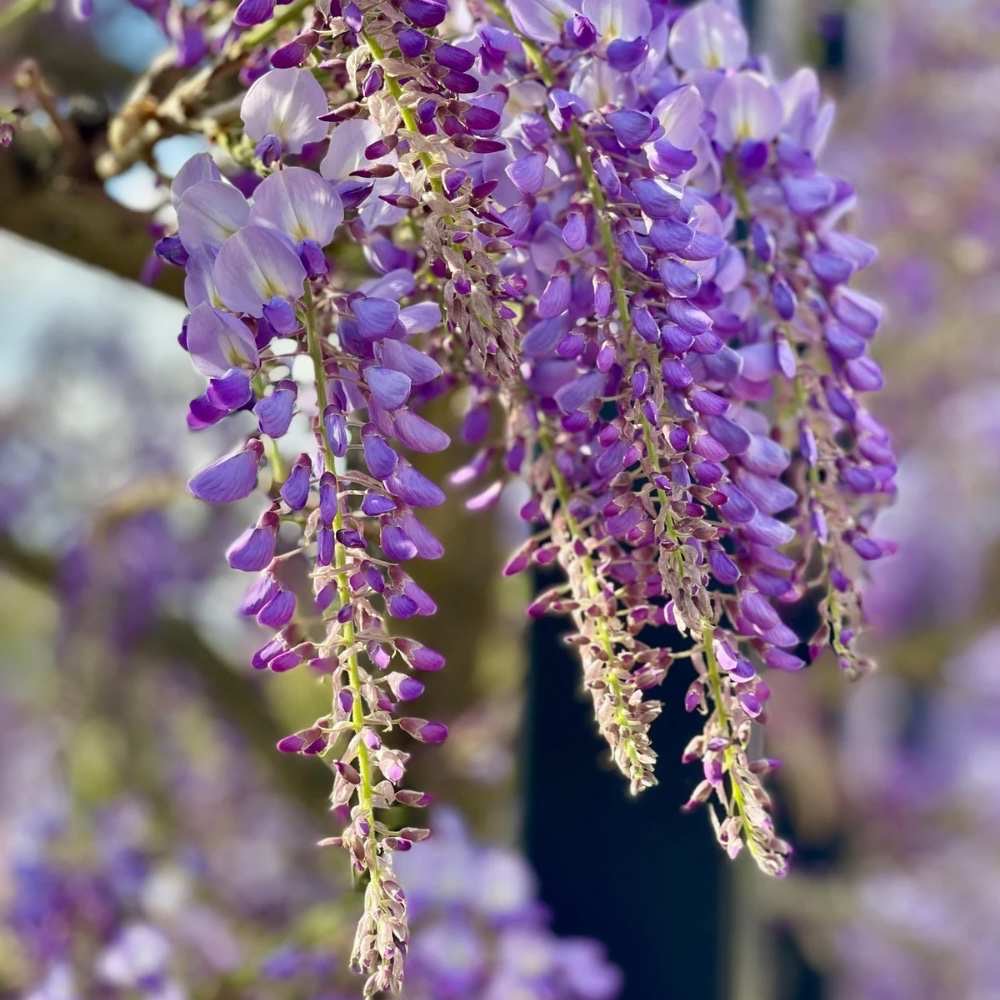
I’ve always been a sucker for drama in the garden and nothing delivers quite like wisteria. The cascading blooms that seem to drip from above like a watercolor painting come to life – wisteria is nothing if not dramatic. But it’s not exactly the friendliest neighbor in your garden.
Last spring I watched my carefully planned garden beds turn into a botanical battleground after adding wisteria to the mix. Suddenly plants that had thrived for years started looking sad and stressed. It turns out wisteria is gorgeous but incredibly demanding.
So I’m going to share with you the companion plants that just don’t work with wisteria.
Understanding Wisteria
Wisteria isn’t just any flowering vine. It’s a vigorous, sometimes aggressive grower that can reach heights of 30+ feet and spread just as wide. Those beautiful cascading flowers come with a price tag – they’re attached to woody vines that can literally pull down structures if left unchecked. And below ground? The roots are just as ambitious, spreading far and competing fiercely for resources.
This isn’t meant to scare you off from growing wisteria – I still love mine despite the challenges. But knowing what NOT to plant nearby will save you a world of heartache and dead plants. When I finally got smart about companion planting my wisteria still got to be the star of the show without destroying everything else.
So the following plants are the ones to keep well away from your wisteria.
Plants That Don’t Play Well With Wisteria
1. Other Climbing Plants
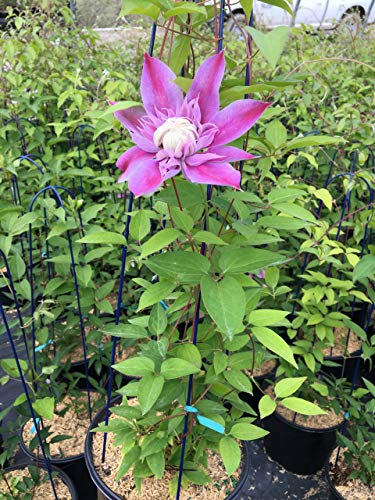
Remember that time I thought planting clematis alongside my wisteria would create a magical flowering wall? Big mistake. Huge. The wisteria absolutely dominated, wrapping itself around the clematis stems and practically choking them out. By midsummer the clematis was barely hanging on while the wisteria partied on like nothing happened.
Climbing roses, honeysuckle, trumpet vine – basically any plant that wants to climb the same structure as your wisteria is in for a rough time. Wisteria vines grow incredibly fast (up to 10 feet in a single season) and have no manners when it comes to sharing space. They’ll twist around other climbers, blocking their light & eventually weakening them beyond recovery.
2. Shallow-Rooted Trees
Any tree with shallow roots – dogwoods, redbuds, cherries – will face similar challenges. Wisteria roots are not only extensive but also allelopathic, meaning they release compounds that can inhibit the growth of competing plants. This is nature’s way of ensuring wisteria gets first dibs on water and nutrients, but it’s bad news for nearby trees.

3. Small Shrubs
The azaleas that had been thriving in my partial shade garden started declining rapidly after I added a wisteria nearby. I just couldn’t figure it out until I started digging around & discovered wisteria roots had infiltrated the azalea’s root zone, essentially stealing all the resources.
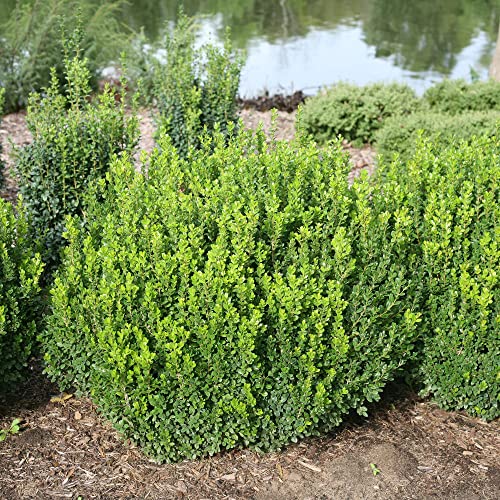
Boxwoods, small hydrangeas and other ornamental shrubs face similar threats. They simply don’t have the competitive advantage against wisteria’s growth habit. Most shrubs have about 90% of their roots in the top 18 inches of soil – exactly where wisteria likes to dominate.
4. Vegetable Gardens
This one might seem obvious but I’ve seen people try to maximize space by planting vegetables near wisteria. Let me save you the heartache – your vegetables will suffer. Your tomatoes won’t produce, your peppers will be stunted and your leafy greens will wilt faster than a popsicle in August.
Vegetables need consistent moisture and nutrients, exactly what wisteria will rob from the soil. Plus, as wisteria matures, the shade it creates can block crucial sunlight from reaching your veggies. Always keep at least 20 feet between wisteria and any vegetable garden area.
5. Bulbs and Perennials
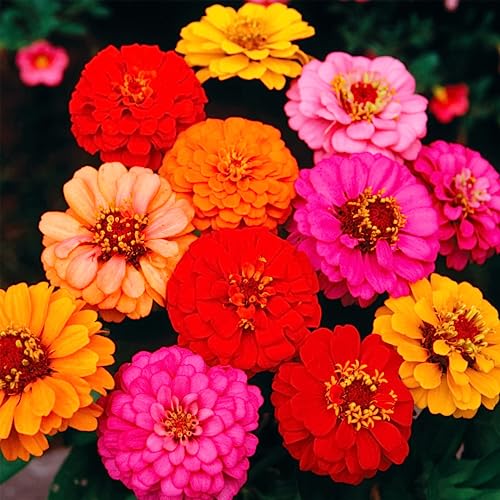
Bulbs like tulips and daffodils might bloom the first year near wisteria, but they’ll decline rapidly as the wisteria roots spread. Same goes for most perennials – they just can’t compete with wisteria’s resource-hogging ways.
6. Nitrogen-Fixing Plants
Here’s a gardening factoid that surprised me: wisteria is actually in the legume family, just like peas and beans. This means it can fix its own nitrogen from the air with the help of beneficial bacteria in its root nodules. So planting other nitrogen-fixers nearby (like clover or baptisia) is completely unnecessary and creates competition.
I tried underplanting my wisteria with clover as a living mulch, thinking more nitrogen would mean more flowers. Wrong. Too much nitrogen actually promotes leafy growth at the expense of flowers. The wisteria grew like crazy but produced fewer blooms that year.
7. Water-Loving Plants
Wisteria’s extensive root system means it can access water from a surprisingly large area. Plants that love consistent moisture – like astilbe, ligularia or cardinal flower – will find themselves in a losing battle with wisteria for water.
8. Lawn Areas
I’ve seen wisteria send runners 20+ feet away from the main plant, popping up new shoots right in the middle of lawns. These suckers are nearly impossible to eradicate once established. If you value your lawn, keep wisteria far away from it.

9. Delicate Perennial Borders
That carefully planned perennial border you’ve been nurturing for years? Keep wisteria far away. The combination of aggressive roots, dense shade, and nutrient competition will wreak havoc on your carefully curated collection.
10. Fruit Trees
Wisteria and fruit trees are a particularly bad combination. Not only will the wisteria compete for resources, but it can also physically damage fruit trees by climbing and wrapping around branches. Plus, the shade created by wisteria vines can reduce fruit production.
11. Roses
Roses and wisteria might seem like a dreamy combination but they’re actually terrible companions. Most roses prefer full sun and good air circulation – exactly what gets blocked when wisteria starts to spread. Plus, roses are heavy feeders that won’t appreciate competing with wisteria’s voracious appetite.
12. Annual Flowers
Those cheerful annuals that add instant color to your garden? They simply can’t compete with established wisteria. Between the shade, root competition, and soil depletion, most annuals will languish rather than flourish.
I tried planting impatiens and begonias near my wisteria, thinking they’d appreciate the partial shade. They grew, but never reached their full potential – staying small and producing fewer flowers than usual. Now I keep my annual displays at least 15 feet away from any wisteria influence.
13. Other Wisterias
It might be tempting to create a wisteria wonderland by planting multiple vines, but this is asking for trouble. Wisterias planted too close together will compete fiercely, potentially weakening both plants. Plus, it becomes nearly impossible to control their growth when they’re intertwined.
What CAN You Plant With Wisteria?
There is good news though – there are slme plants that can go with wisteria. Here are a few that have worked well in my garden:
- Tough groundcovers like pachysandra or vinca minor
- Spring ephemerals that complete most of their growth before wisteria leafs out
- Ornamental grasses with deep root systems
- Durable shrubs like viburnums or forsythia (but keep them at least 10 feet away)
- Evergreen trees that already have established root systems
I’ve had particular success with daylilies planted about 8 feet away from my wisteria. Their tough, fibrous roots seem to hold their own against the wisteria’s advances & they’re drought-tolerant enough not to suffer when the wisteria takes more than its fair share of water.
Tips for Successful Companion Planting With Wisteria
If you’re determined to have wisteria in your garden (and I don’t blame you!), here are some strategies that have helped me maintain peace:
- Install root barriers around your wisteria to contain its underground spread
- Plant wisteria in large containers for better control
- Choose a less aggressive variety like ‘Amethyst Falls’ American wisteria
- Prune roots annually by driving a sharp spade in a circle around the main plant
- Maintain a clear zone of at least 5-10 feet between wisteria and other prized plants
- Provide ample support structures to guide wisteria where you want it to grow
- Fertilize companion plants regularly to help them compete
One trick I’ve found incredibly helpful is to sink 24-inch deep root barriers in a circle around my wisteria. This hasn’t stopped it completely, but it’s definitely slowed down the underground spread that causes so many problems.
Final Thoughts
Living with wisteria is a bit like owning a beautiful but high-maintenance pet – it requires vigilance, boundaries and occasional tough love. But when those incredible purple blooms cascade down each spring I’m reminded why I put up with its difficult personality.
My advice? Give wisteria the space it deserves, either as a standalone specimen or paired only with plants tough enough to handle the competition. Be realistic about the maintenance required – regular pruning, root control and careful monitoring are non-negotiable if you want to keep peace in your garden.
So go ahead and plant that wisteria – just do it with your eyes wide open and a plan for managing its exuberant growth. Your garden will thank you and you’ll avoid the heartbreak of watching your favorite plants suffer under wisteria’s powerful influence.
