
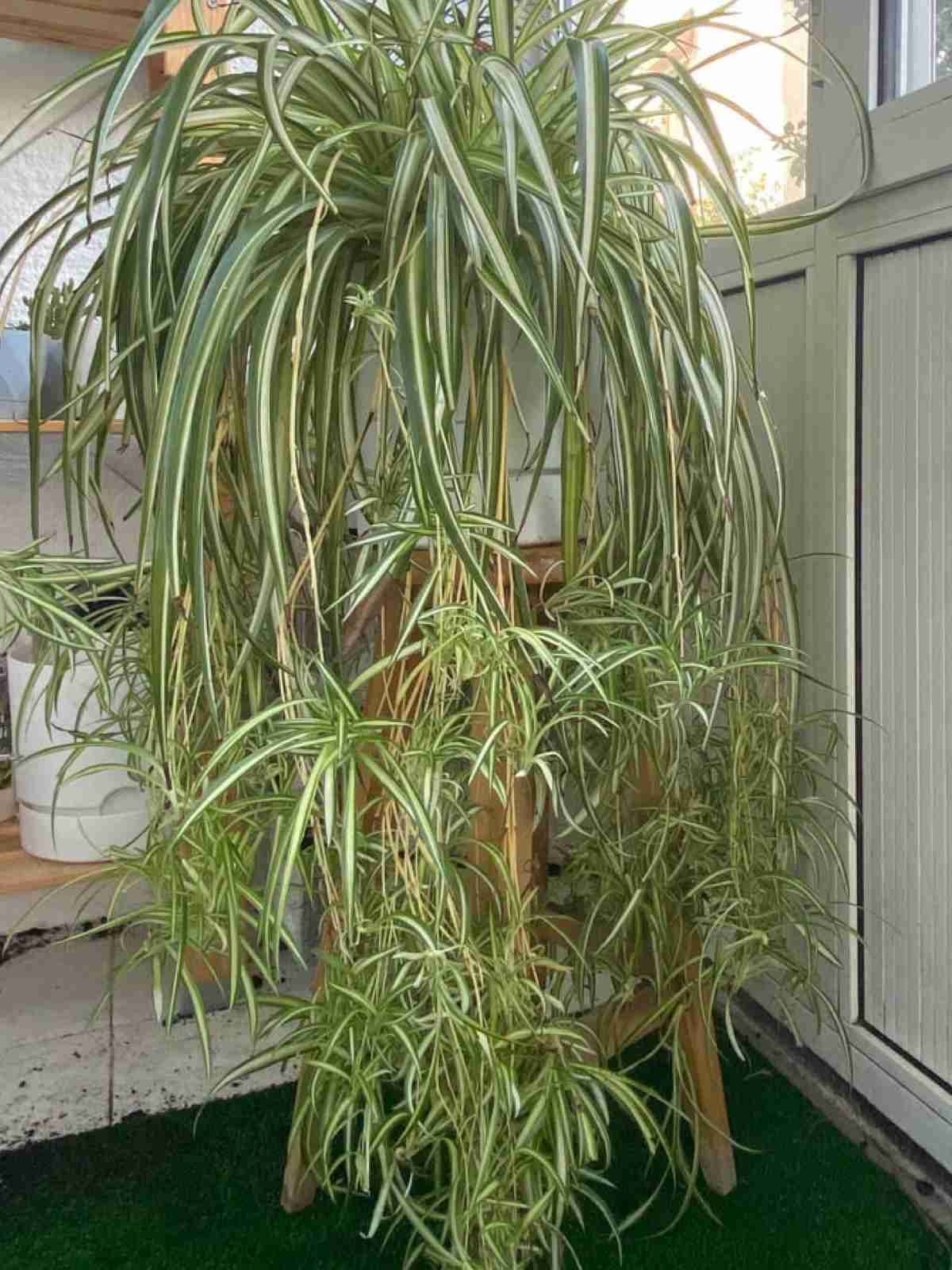
Most spider plant owners have a certain way they want their spider plant to look. The mother plant up high on a shelf or in a hanging basket with long stems coming over the sides. Each one of those having its own little baby plant.
And then there’s the reality. Which tends to be a lot more like one rubbish runner with a single sad baby on the end, if that.
But getting that cascading look is mostly down to a few things you can control and none of them are particularly complicated. Spider plants want to make babies.
You just have to give them the conditions that get them to do it. And then resist that urge to snip the babies off.
If your plant isn’t growing any babies at all yet that’s a slightly different starting point. This guide on reasons your spider plant isn’t producing babies will get you to square one first.
Everything below is about getting from having a few babies to that big trailing display.
Quick Answer
- Let It Mature and Get Slightly Pot Bound: Young, spider plants that are loose in their pot don’t make babies. A mature plant in a snug pot is what triggers them.
- Give It Bright, Indirect Light: Lots of gentle light gives the plant the energy to grow long runners that are full of pups.
- Leave the Babies On: If you want the trailing look – don’t cut the babies off. Hang the plant somewhere high and let the runners grow long.
New to spider plants? Start with this Spider Plant Care Guide: Tips to Get Thriving Plants.
How Spider Plants Make Babies
Spider plants produce their babies on long stems called runners or stolons. These grow out from the center of the plant.
Usually the runner will flower first and then a baby plant forms where the flowers were. Each of those babies, sometimes called spiderettes or pups, is a fully formed little spider plant that has its own tiny leaves and the beginnings of roots.
A happy mature plant can have dozens of babies at once. The runners will grow and trail a foot or more.
That’s the look you’re trying to achieve and to get it you’ll need the plant to be mature, get the right light, be in a snug pot and then it’s just patience.
1. Let the Plant Mature First
This is the one a lot of people skip over. A young spider plant won’t make babies no matter how well you treat it.
It needs to grow up first and put its energy into getting strong roots and lots of leaves.
Most spider plants start producing runners when they’re around a year or two old and properly established. So if yours is still young the best thing you can do is be patient and focus on hitting it to grow steadily. The babies will come with time.
If you want to get a bigger mother plant while you wait this guide on how to make your spider plant bushy will help you to get a full plant, which also gives it the energy to start growing pups.

2. Keep It Slightly Pot Bound
Spider plants are one of those plants that like being a little cramped.
A snug pot with the roots filling most of the space causes a little bit of stress whiff makes the plant reproduce. For spider plants that means growing runners with babies.
I had a spider plant that sat in the same pot that was too small for in for ages because I kept forgetting to repot it. And it was that plant that produced more babies than any of the others I’ve owned both before or since. The neglect wasn’t on purpose but it taught me a good lesson.
How to Get This Right:
- Don’t rush to repot. If your plant is making babies then leave the pot alone.
- Only move it up a pot size when it’s badly rootbound, drying out after a day or two of watering or the roots are coming out of the drainage holes.
- When you do repot it go up just one pot size. A huge pot will have the plant focusing on its roots instead of babies.
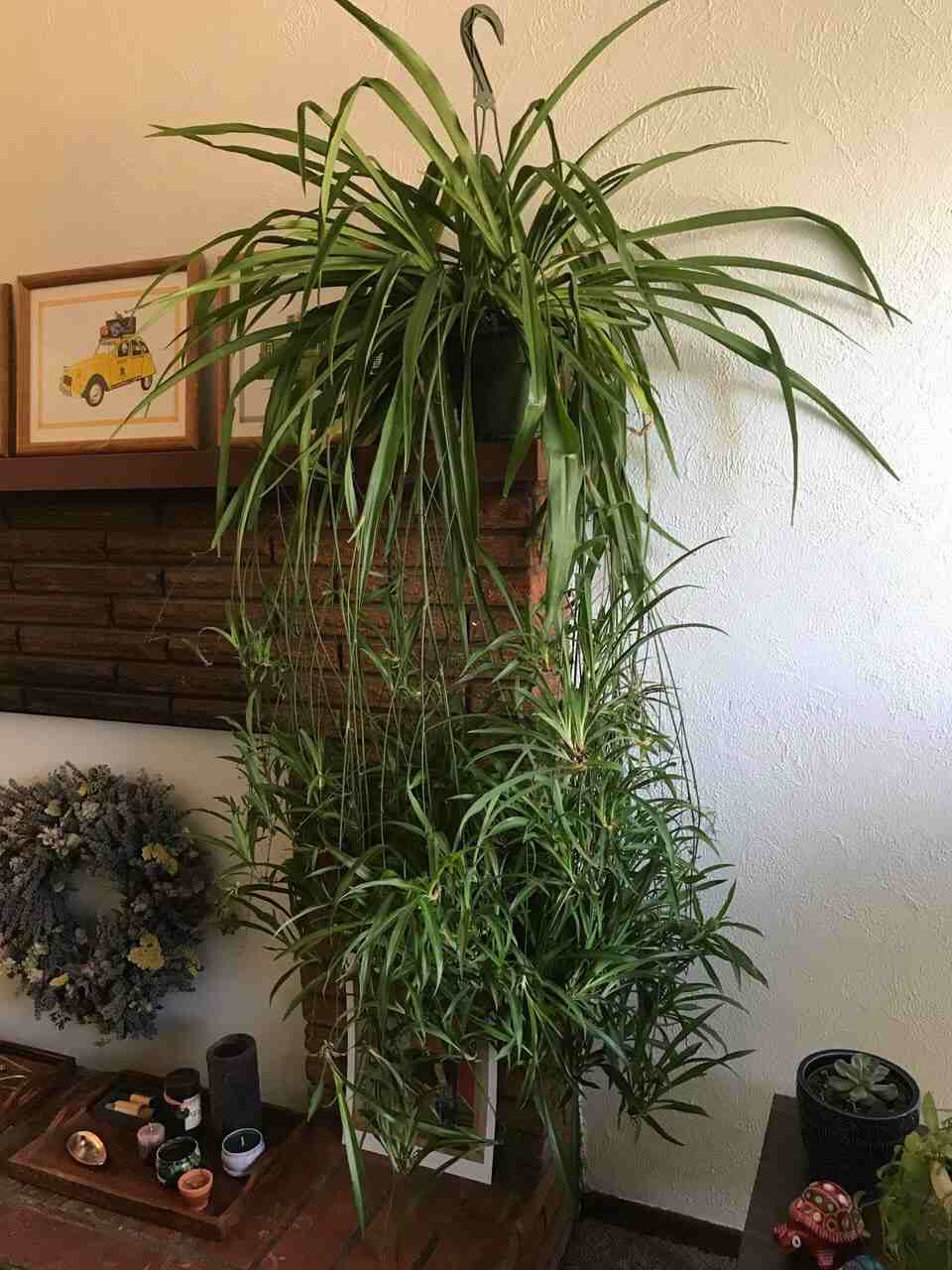
3. Give It Bright, Indirect Light
Babies take energy for the plant to grow and that energy comes from light. A spider plant that’s not getting a lot of light will survive but it won’t have the resources to grow the long runners covered in pups.
The best light for spider plants is bright, indirect light. Lots of it, but not direct sun that will burn the leaves and make them curl.
How to Get This Right:
- An east or north facing window is ideal or if not then a few feet away from a brighter one works too.
- A sheer curtain will take some of the strength out of afternoon sun while keeping the room bright.
- If your home is fairly dark no matter what you do then using a grow light a few hours a day makes a real difference to baby production.
Spider plant looking sad?
My free guide 7 Gardening Mistakes That Are Killing Your Plants covers the small habits that hold spider plants back from thriving — and how to turn yours around.
4. Use the Light Timing to Your Advantage
Spider plants tend to produce their babies in response to shorter days and longer nights. That’s why a lot of them throw out a load of runners in the fall as there is less and less daylight.
You can use this. If your plant gets a lot of artificial light late into the evening the hours of darkness it would naturally get is being cut short. So you can help it to start making spiderettes by not leaving it under any bright lamps all throughout the evening and give it the long period of darkness it needs.
It’s not essential and you’ll still get babies with good light and a tight pot. But if yours is being stubborn this something worth trying.
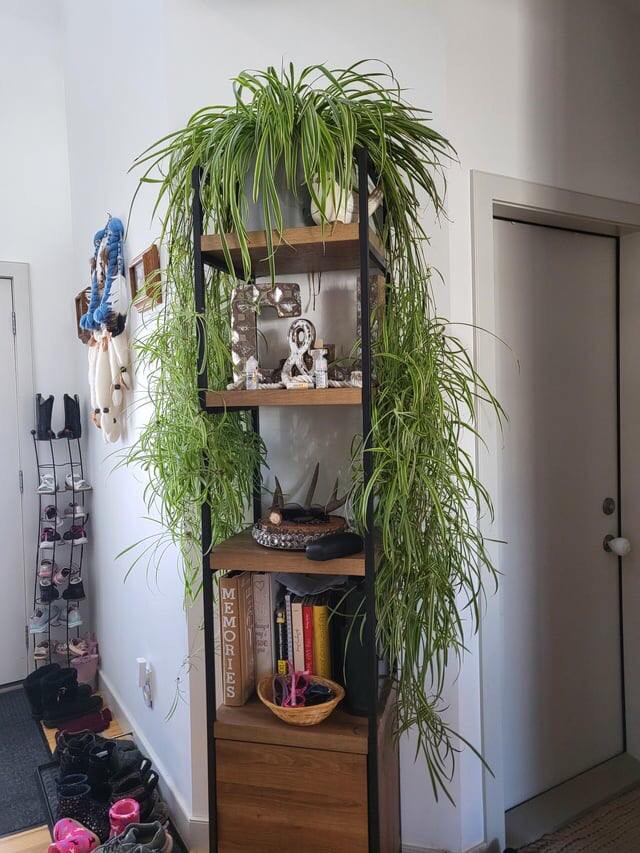
5. Feed It Through Spring and Summer
A plant that’s producing runners and babies is working hard and a little food helps it to keep going and avoid getting exhausted.
How to Get This Right:
- Use a balanced houseplant fertilizer at half strength.
- Feed it every 4 to 6 weeks during the growing season, spring through summer.
- Stop feeding in the fall and winter when it will be growing less.
- Don’t overdo it. Too much fertilizer will lead to a build up of salts that burn the roots and turn the leaves brown, which will set the whole plant back.
 Miracle-Gro Indoor Plant Food for All Plants, Liquid Plant Food for Houseplants
6. Keep Conditions Steady
Making the plant pot bound works because it’s not a big stress. The wrong kind of stress, though, does the opposite and stops any babies from growing as the plant is instead trying to survive.
Inconsistent watering, freezing drafts, dry air or strong sun will all stop a spider plant from making pups. So while you’re encouraging babies keep everything else as consistent as possible. Water it when the top inch of the soil dries out, keep it away from cold drafts and heat and don’t let it change back and forth between a lack of and too much water.
7. Leave the Babies On for the Trailing Look
This is how you get the trailing effect. What a lot of spider plant owners do is cut the babies off because they think it looks tidier or to pot them as new plants.
Which is fair enough. We all like new plants. But every baby you remove is one less in your cascade.
If the trailing display is what you want then you’ve got to leave them on. The runners will keep growing longer, the babies will get bigger and some of those babies will even start sending out their own little runners. All of which results in a layered look.
You can always take a few off later if you want to grow new plants from them. This guide on how to propagate a spider plant takes you through that.
But for the full cascading effect you’ve got to have some patience and absolutely not cut any babies off.
8. Hang It High and Let the Runners Fall
A spider plant covered in babies looks good on a shelf but it looks even better when it’s put somewhere the runners can hang down without anything getting in their way.
How to Get This Right:
- A hanging planter is the classic choice and shows off the trailing babies beautifully.
- A high shelf, a plant stand, the top of a bookcase etc. all work just as well.
- Give the runners room to dangle. The longer they can grow without anything getting in their way the more dramatic the look.
 Set of 2-10 Inch Hanging Planters for Indoor Plants with Self-Watering
9. Be Patient
None of this is going to happen overnight. A mature plant you’ve looked after properly in a snug pot will start sending out runners over a season. The full cascading look builds up over months as the runners get longer and the babies multiply.
So get the conditions right, leave the babies where they are and then it’s down to giving it enough time.
Quick Reference: Getting the Cascade of Babies
| Do This | Why It Works |
|---|---|
| Let the plant mature | Only established plants have the energy to make babies. |
| Keep it slightly pot bound | A snug pot is the stress that triggers the runners. |
| Bright, indirect light | Gets long runners full of pups without burnt leaves. |
| Allow longer nights | Shorter days encourage spider plants to produce babies. |
| Feed in the spring and summer | Supports a plant that’s working hard to reproduce. |
| Keep conditions steady | The wrong stress stops babies from growing. |
| Leave the babies on | Every baby left on adds to the trailing look. |
| Hang it high | Lets the runners fall for the waterfall look. |
Final Thoughts
A spider plant that has long runners with lots of babies is one of the easiest look to get from a houseplant. Part of that is because the plant does almost all of the work for you. Let it mature, keep it a little pot bound, give it good light and then leave it alone to do its thing.
The hardest part, for me at least, was resisting the urge to tidy it up and cut the babies off. Leave them as they are, hang the plant somewhere they can tumble and in a few months you’ll have that cascading look.
Spider plant looking sad?
My free guide 7 Gardening Mistakes That Are Killing Your Plants covers the small habits that hold spider plants back from thriving — and how to turn yours around.
