
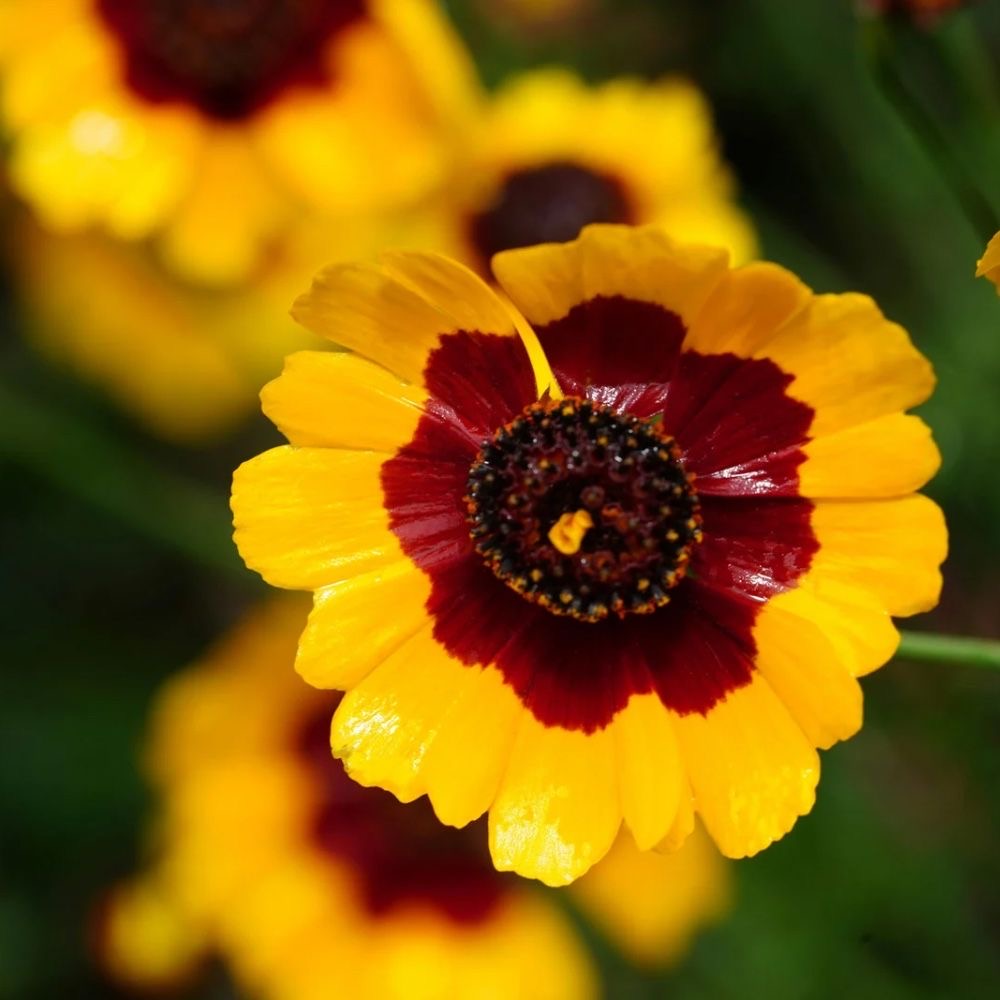
Coreopsis is one of those flowers that makes gardening feel like cheating. It’s tough, blooms forever & basically thrives on neglect. No surprise it’s become my go-to recommendation for friends who want a colorful garden without all the fuss.
But though it’s easy to grow not all plants make good neighbors for coreopsis. Some will compete too aggressively, others create shade issues, and a few just clash in ways that’ll make you question your design choices.
Understanding Coreopsis
First things first – let’s talk about what makes coreopsis tick. These native North American wildflowers (sometimes called tickseed) are basically the golden retrievers of the flower world – friendly, resilient & always happy to see you. They produce those signature daisy-like blooms in yellows, oranges, pinks and reds that keep coming from early summer straight through fall if you deadhead them.
When it comes to planting though, well coreopsis needs its space and plenty of sunshine. Most varieties prefer well-draining soil and actually perform better in poorer soil conditions (I’ve had them thrive in spots where other plants just gave up).
They evolved in meadows and prairies where they had room to breathe and soak up sunlight. Plant them in dense shade or soggy soil and you’ll end up with leggy, sad-looking plants with few flowers – if they survive at all.
The biggest mistake? Assuming you can just plop coreopsis anywhere and expect those signature blooms to appear. A lot of coreopsis failures come down to poor placement and incompatible plant neighbors.
So let’s take a look at what NOT to plant alongside your tickseed.
13 Plants Not to Plant with Coreopsis
1. Tall, Dense Grasses
Tall ornamental grasses like Miscanthus or Pampas grass might seem like dramatic companions but they’ll quickly overshadow your sun-loving coreopsis.
The problem isn’t just the shade – these grasses are resource hogs that will outcompete your coreopsis for nutrients and water. If you must have both keep at least 3-4 feet between them or use a root barrier.
2. Aggressive Spreaders like Mint
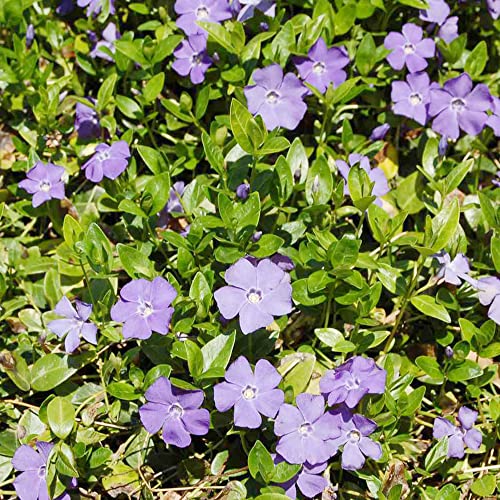
Any mint family plant (including catnip and lemon balm) will quickly overtake your coreopsis. The same goes for other aggressive spreaders like:
- Bishop’s weed
- Periwinkle
- Creeping Jenny
They really don’t play well with others and will crowd out your coreopsis faster than you can say “what happened to my flowers?”
3. Thirsty Hydrangeas
Hydrangeas are gorgeous but they’re proper drama queens when it comes to water needs. While your coreopsis is perfectly happy with moderate to dry conditions hydrangeas will wilt dramatically at the first sign of drought.
You’ll end up overwatering your coreopsis trying to keep your hydrangeas happy, which can lead to root rot and fungal problems. I’ve seen perfectly healthy coreopsis turn yellow & die within weeks when planted too close to these thirsty shrubs.
4. Heavy Feeders like Roses
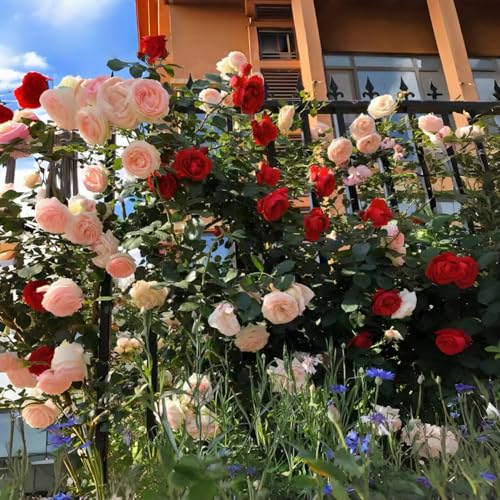
Roses need rich soil and regular fertilizing to perform well. Coreopsis, on the other hand, actually blooms better in leaner soil conditions. Plant them together and you’re creating a maintenance nightmare – fertilize for the roses and your coreopsis might produce tons of foliage but fewer flowers. Skip the fertilizer and your roses will suffer.
5. Tall Sunflowers
This one hurts because sunflowers & coreopsis look so pretty together on paper. The problem is that tall sunflower varieties create too much shade as they mature, leaving your sun-worshipping coreopsis stretching and leaning awkwardly to catch some rays.
Not to mention sunflowers are heavy feeders that will compete for nutrients. If you love both, plant dwarf sunflower varieties instead, or position sunflowers to the north of your coreopsis so they don’t block the sun.
6. Delphinium and Other Alkaline-Lovers

Coreopsis prefers slightly acidic to neutral soil (pH 5.5-7.0). Plants like delphinium that prefer more alkaline conditions create a soil pH conflict. You’ll end up with one plant or the other looking chlorotic and sad.
This isn’t just theoretical – my attempt at a blue-and-yellow garden scheme with delphiniums and coreopsis resulted in yellowing delphinium leaves despite regular applications of lime to raise the pH.
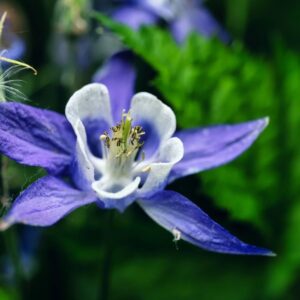
7. Hostas and Other Shade-Lovers
This combination fails for obvious reasons – hostas want shade, coreopsis needs sun. Plant them together and one or both will suffer. Yet garden centers often display them side by side and I still see this unsuccessful pairing in many gardens.
8. Thyme and Other Dense Ground Covers
While both thyme and coreopsis enjoy similar growing conditions, dense ground covers will compete for space and can smother young coreopsis plants. The coreopsis simply can’t compete with the mat-forming growth habit.
If you want both, plant your coreopsis first and give it time to establish before introducing creeping thyme at a safe distance.
9. Heavy Feeders like Dahlias
Similar to roses, dahlias demand rich, fertile soil & regular feeding to produce those show-stopping blooms. Your coreopsis, meanwhile, blooms better with a leaner diet. This fundamental care conflict makes them poor companions.
10. Plants with Invasive Root Systems
Bamboo, Japanese anemone and lily-of-the-valley all have underground running root systems that will quickly overtake a coreopsis planting. Once these thugs move in it’s nearly impossible to extricate them without destroying your coreopsis in the process.
Trust me on this one – I’m still finding lily-of-the-valley popping up in my coreopsis patch three years after removing the main planting.
11. Trees with Dense Canopies
It might seem obvious but I’ve seen plenty of gardeners (including myself) plant coreopsis under maples or other dense-canopy trees expecting them to thrive. They won’t. Coreopsis needs at least 6 hours of direct sun to flower well.
12. Water-Loving Plants
Astilbe, ligularia and other moisture lovers create a fundamental care conflict with drought-tolerant coreopsis. The constant moisture these plants require will eventually rot your coreopsis roots.
13. Allelopathic Plants like Black Walnut
Some plants, most notably black walnut trees, release compounds that inhibit the growth of other plants. Coreopsis is moderately sensitive to juglone (the compound black walnuts produce).
Great Companions for Coreopsis
Now for the good news – plenty of plants make find neighbors for your coreopsis. These are some proven winners:
- Echinacea (coneflower) – similar care requirements and complementary bloom times
- Salvia – the purple spikes look stunning with golden coreopsis
- Shorter ornamental grasses like blue fescue – they won’t overshadow coreopsis
- Gaillardia (blanket flower) – these drought-tolerant bloomers share similar needs
- Russian sage – provides height and airy texture without creating dense shade
- Black-eyed Susans – native plant companions that look like they were meant to grow together
Tips for Successful Companion Planting
- Always match water needs first – this is the number one reason companion plantings fail
- Give coreopsis room to breathe – most varieties will form 18-24″ clumps
- Position taller plants to the north of your coreopsis so they don’t cast shade
- Choose companions with similar soil preferences (well-draining, not too rich)
- Consider bloom times – pair coreopsis with plants that bloom earlier or later to extend the show
Remember that different coreopsis varieties have slightly different needs. The perennial types (like ‘Zagreb’ or ‘Moonbeam’) are typically more particular about their companions than the annual varieties.
Final Thoughts
Coreopsis might be one of the easiest perennials to grow but that doesn’t mean it will thrive alongside just any plant. Respect its need for sunshine, well-drained soil & elbow room, and you’ll be rewarded with months of blooms year after year.
