
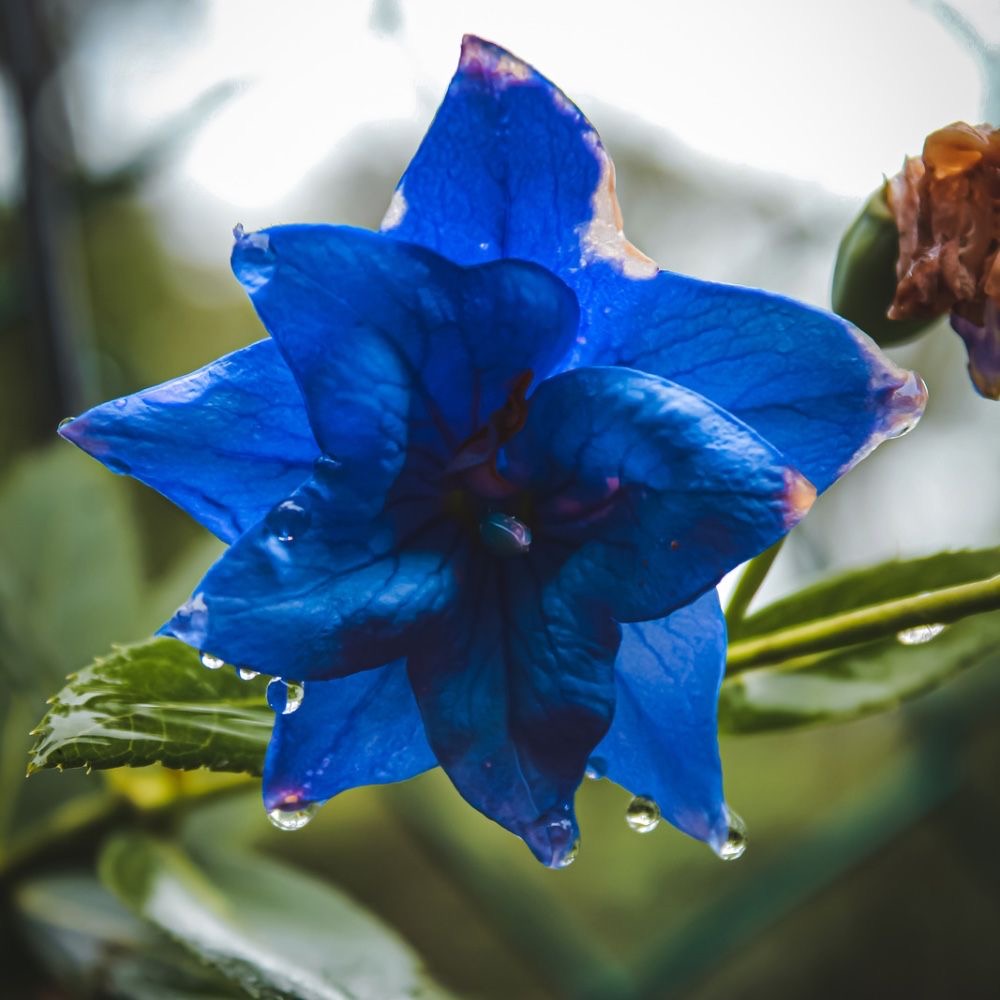
Larkspur is one of those flowers that makes you feel like a master gardener even when you’re not. Their tall spikes of blue, pink and purple blooms can transform an ordinary garden into something magazine-worthy. But whilst they’re wonderful to look at they aren’t always the friendliest neighbors in your garden.
The reality is larkspur (Delphinium consolida) has specific growing requirements and chemical properties that make certain plant partnerships problematic. They’re tall, they’re hungry & they contain alkaloids that can affect neighboring plants. Add in the fact that they self-seed aggressively, which means they can quickly take over a space if you’re not careful. All in all they can be a bit difficult.
So before you start tucking these beautiful flowers everywhere in your garden let’s talk about which plants you should keep far away from your larkspur – and why it matters so much.
Why Companion Planting Matters with Larkspur
Companion planting isn’t just garden folklore – it’s backed by science. Plants interact with each other through their root systems, above-ground competition for light and even through chemical signals. Larkspur, with its towering height (reaching 2-5 feet tall) and specific needs, creates a particular set of challenges.
What makes larkspur tricky? First, they’re heavy feeders that need rich, well-draining soil. Second, they cast significant shade with those tall stalks. Third – and this is the part many gardeners miss – larkspur contains toxic alkaloids that can leach into the soil and affect certain plants more than others.
I’ve been growing larkspur years now and I’ve made plenty of mistakes along the way. The good news? I’m sharing them so you don’t have to repeat them.
13 Plants to Keep Away from Your Larkspur
1. Tomatoes
Tomatoes & larkspur compete aggressively for the same nutrients. And larkspur’s allelopathic properties (those toxic compounds I mentioned) can stunt tomato growth.
What’s more tomatoes need full sun, while larkspur appreciates some afternoon shade in warmer climates. The tall larkspur stalks cast shadows over shorter tomato plants, reducing their productivity.
2. Peppers
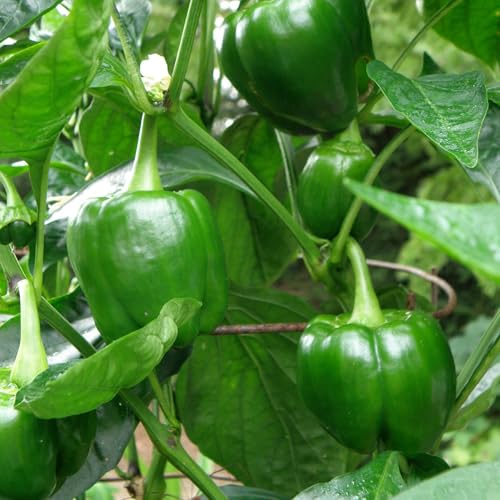
Like their nightshade cousins (tomatoes), peppers struggle when planted near larkspur. They compete for similar nutrients and peppers are particularly sensitive to the alkaloids that larkspur releases into the soil.

3. Root Vegetables (Carrots, Radishes, Beets)
Root vegetables need loose, uncompacted soil to develop properly. Larkspur’s relatively deep root system competes directly with these vegetables, often winning the battle for water & nutrients.
The dense growth habit of larkspur can also shade these sun loving root crops.
4. Beans and Peas
Here’s a surprising one – you’d think nitrogen fixing legumes would be good companions for nitrogen-hungry larkspur, but it’s actually the opposite. Larkspur’s toxicity can affect the beneficial bacteria that beans and peas need to fix nitrogen in the soil.
And both larkspur and climbing beans/peas need support structures, making them awkward garden neighbors from a practical standpoint. If you’re growing both, keep them in separate beds.
5. Mint Family (Mint, Basil, Sage, Oregano)
Plants in the mint family tend to struggle when planted too close to larkspur. The strong essential oils in mint-family plants & the alkaloids in larkspur create a bad chemical combination in the soil.
6. Other Delphinium Species
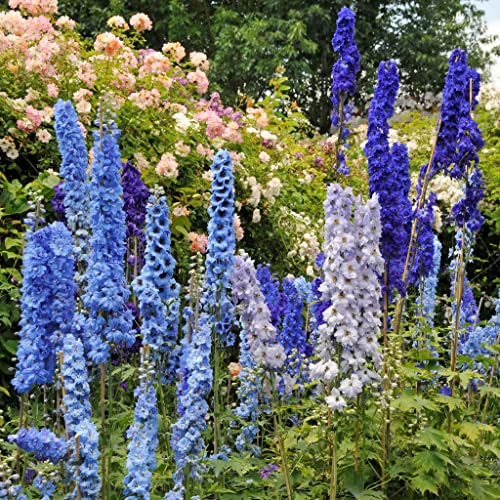
This might seem counterintuitive but larkspur doesn’t even like growing near its own cousins. Different varieties of delphinium and larkspur can cross-pollinate, resulting in less predictable color patterns in future generations if you’re seed-saving.
More importantly planting different delphinium varieties together increases the risk of disease spread and creates intense competition for the same soil resources.
7. Sunflowers
Both sunflowers and larkspur are tall plants that need similar growing conditions making them intense competitors. Sunflowers also release allelopathic compounds that can inhibit the growth of nearby plants – so you’ve got chemical warfare happening from both sides.
Sunflowers also attract different pests than larkspur does, potentially bringing unwanted insects to your larkspur patch. Keep these sun-lovers separated for best results.
8. Strawberries
Strawberries spread through runners & need space to establish new plants. Larkspur’s dense growth habit and self-seeding nature will compete with and often overrun strawberry patches.
The moist conditions that strawberries prefer can also lead to fungal issues in larkspur which prefers somewhat drier soil once established.
9. Lavender

Lavender prefers poor, dry soil and lots of sun – essentially the opposite of larkspur’s preference for rich, moist soil with afternoon shade in hot climates. Planting them together means one or both will perform poorly.
10. Phlox
Both larkspur and phlox are susceptible to powdery mildew so planting them together can accelerate disease spread. Their similar height and growth habits also mean they compete directly for the same garden resources.
11. Eggplant

Like its relatives tomatoes and peppers, eggplant struggles when planted near larkspur. They compete for nutrients & eggplant’s growth can be stunted by larkspur’s allelopathic properties.
Eggplants also need very warm soil to thrive, while larkspur prefers cooler growing conditions. This fundamental difference in temperature preference makes them incompatible garden neighbors.
12. Squash and Cucumber
Squash and cucumber plants need to spread out with their sprawling vines, directly conflicting with larkspur’s vertical growth habit. The dense shade from larkspur can also reduce fruit production in these sun-loving crops.
13. Most Herbs (Especially Mediterranean Types)
Mediterranean herbs like rosemary, thyme, and oregano prefer poor, dry soil and full sun – conditions that would stress larkspur. Conversely larkspur’s preference for rich, moist soil would likely cause root rot in these drought-loving herbs.
Even non-Mediterranean herbs can struggle with larkspur’s competitive nature and allelopathic properties. Keep your herb garden and your larkspur in separate growing areas for the best results.
Great Companion Plants for Larkspur
Now that we’ve covered what not to plant let’s focus on some plants that actually work well with larkspur:
- Roses – Their growth habits complement each other, and roses benefit from the pest-confusing properties of larkspur
- Spring Bulbs – Tulips, daffodils, and other spring bulbs bloom before larkspur reaches full height
- Nigella (Love-in-a-mist) – Similar growing conditions but different growth habits make these good companions
- Cosmos – Their airy structure complements larkspur without competing too directly
- Foxglove – Another tall, dramatic flower that shares similar growing preferences
I’ve had great success with a larkspur, foxglove & spring bulb combination in my back border. The succession of blooms keeps the area colorful from early spring through summer.
Tips for Successful Companion Planting with Larkspur
- Use physical barriers – Plant larkspur in large containers or use deep garden dividers to keep their roots and allelopathic compounds contained
- Plan for height – Position larkspur on the north side of shorter plants to prevent unwanted shading
- Control self-seeding – Deadhead spent flowers before they set seed if you don’t want volunteers everywhere
- Rotate plantings – Don’t grow larkspur in the same spot year after year, as toxins can build up in the soil
- Provide support – Use stakes or other supports for larkspur to prevent them from falling onto neighboring plants
Final Thoughts
Larkspur brings sone wonderful color to the garden. But it needs to be positioned thoughtfully. By avoiding the 13 problematic plant partnerships we’ve discussed you’ll give both your larkspur and its neighbors the best chance to thrive.
But garden “rules” are really just guidelines. Your specific climate, soil & growing conditions might create different results. Pay attention to how your plants interact and don’t be afraid to move things around if they’re not thriving.
