

Catmint is one of those plants that you can’t help but fall in love with. The silvery greenish foliage, those lavender-blue flowers that seem to bloom forever and let’s not forget – the cats that roll around in ecstasy when they find it in your garden! I planted my first catmint (Nepeta) about five years ago & it’s been a mainstay in my perennial border ever since.
But catmint isn’t exactly a “plant it anywhere” kind of flower. In fact some pf my biggest gardening disasters came from planting the wrong neighbors next to my beloved nepeta. One summer I watched my catmint get completely swallowed by an aggressive mint variety (rookie mistake, I know), and another year it just wouldn’t bloom properly because I’d squeezed it between two water-hogging plants.
So before you go pairing your catmint with just any pretty face in the garden center let’s talk about what plants make terrible neighbors for this beautiful perennial.
Understanding Catmint’s Growing Needs
Catmint is pretty easygoing as far as perennials go. It thrives in full sun to partial shade, prefers well-draining soil and doesn’t need constant watering once established. Mine survived a ridiculous drought we had a years ago when everything else in my front yard was begging for water.
But what is a little more surprising is that catmint really values its personal space. It has a moderate spread (usually 1-3 feet depending on variety) and doesn’t appreciate being crowded or overshadowed.
Another thing to consider is that catmint has some natural pest-repellent properties. It’s one of the reasons I originally planted it – to help keep the aphids away from my roses. But this can be a double-edged sword when it comes to companion planting.
When you pick the wrong neighbors, you’re not just risking your catmint’s happiness – you might be setting yourself up for a garden space that’s not living up to its potential. So let’s look at what you should avoid planting near your nepeta.
Plants Not to Plant with Catmint
1. Other Mint Family Members
I’ve written a lot about what plants to avoid planting with each other and nothing comes up more than mint. It’s a nightmare.
And in this case it bit me hard my first year. I thought, “Hey, they’re relatives, they should get along!” Wrong. Plants in the mint family (including actual mint, lemon balm & oregano) are typically aggressive spreaders that will compete directly with your catmint.
My spearmint literally tried to strangle my catmint within one growing season. The problem is they compete for the same resources and space, but true mints are often more aggressive than nepeta.
Why it’s a problem: Root competition, aggressive spreading, similar water and nutrient needs.
Try it: Check Any Two Plants for Compatibility
Use the checker below to see how any two of your plants will get along – pick one from each side and we’ll tell you whether to plant them together or keep them apart.
Plant Compatibility Checker
Select two plants to check if they are compatible companions in your garden.
Compatibility Results:
2. Tall, Dense Plants That Create Too Much Shade
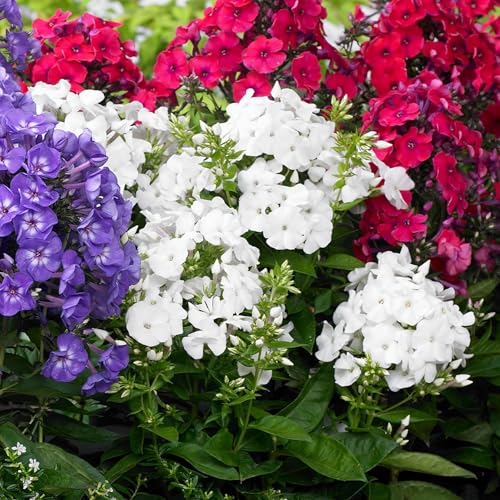
Catmint needs its sunshine. I made the mistake of planting some behind a clump of tall garden phlox and those catmint plants got so leggy trying to reach the sun that they couldn’t even hold themselves upright anymore.
Why it’s a problem: Reduced air circulation, insufficient sunlight leading to leggy growth and fewer blooms.
3. Russian Sage
This is a tricky one because visually Russian sage & catmint look incredible together. But don’t be fooled by those similarly colored blooms! Russian sage is extremely drought-tolerant and thrives in conditions that are often too dry for catmint to reach its full potential.
Why it’s a problem: Competing water needs, similar appearance causing a visually crowded look.
4. Aggressive Groundcovers

Plants like creeping Jenny, certain sedums and ice plant might seem like good front-of-border options but they can quickly invade your catmint’s territory.
Why it’s a problem: Root competition, crowding out catmint’s base which can lead to poor air circulation and potential disease.
5. Plants That Need Frequent Division
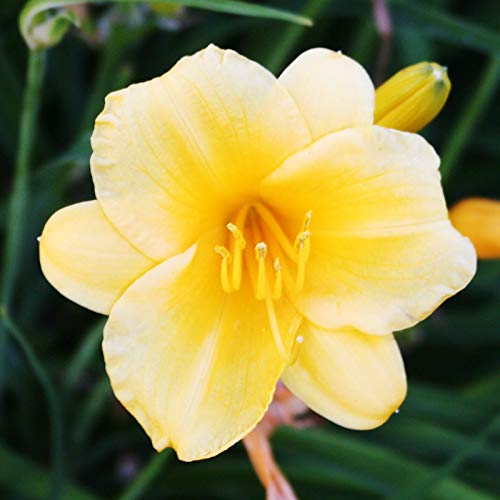
Daylilies, iris and certain hostas need regular division to stay healthy. When you plant these near catmint you’ll end up disturbing your nepeta’s roots every few years when you need to dig up and divide these neighbors.
Why it’s a problem: Root disturbance, incompatible maintenance schedules.
6. Heavy Feeders
Plants like dahlias, roses and vegetables are heavy feeders that want lots of nutrients. Catmint is more moderate in its feeding needs & can actually become floppy and produce fewer flowers if the soil is too rich.
When I planted catmint near my vegetable garden’s edge I noticed it grew too tall and floppy from the vegetable fertilizer and produced fewer of those lovely blue flowers.
Why it’s a problem: Incompatible fertilizing needs, potential for overgrowth.
7. Plants That Need Constant Moisture

Astilbe, ligularia and Japanese iris love consistent moisture. Catmint, once established, prefers life on the drier side. If you’re constantly watering these moisture-lovers your catmint might develop root rot or fungal issues.
Why it’s a problem: Incompatible watering needs, potential for disease.

8. Late-Season Tall Plants

Plants like tall asters, goldenrod & some helianthus varieties grow quite tall by late summer. If placed on the wrong side of your catmint they’ll eventually shade it out right when it might be gearing up for a second bloom.
Why it’s a problem: Seasonal shading issues, reduced late-season blooms.
9. Self-Seeding Flowers That Will Invade
While catmint itself can self-seed
it’s nothing compared to the enthusiastic reproduction of plants like verbena bonariensis, nigella (love-in-a-mist) or certain varieties of coreopsis.
These plants will seed themselves right into your catmint clump, creating a jumbled mess that’s hard to sort out.
Why it’s a problem: Difficult maintenance, visual confusion, competition.
10. Plants That Attract Opposite Pollinators
This is subtle but relevant – catmint attracts certain beneficial insects. If you plant something nearby that attracts insects that prey on those beneficials, you’re setting up a battlefield rather than a garden.
Why it’s a problem: Counterproductive insect populations, reduced pollination.
11. Plants That Need Staking
Tall plants requiring stakes or supports like delphiniums, hollyhocks, or tall varieties of garden phlox can be a maintenance nightmare when planted too close to spreading catmint.
Just try reaching through a 2-foot catmint to stake a delphinium without damaging either plant. I’ve tried. It’s not pretty.
Why it’s a problem: Maintenance difficulties, potential damage to both plants.
12. Plants With Incompatible Pruning Needs
Catmint often benefits from a mid-season haircut to refresh blooms. If you plant it right next to something that can’t be cut back at the same time you’ll find yourself performing some awkward gardening gymnastics.
Why it’s a problem: Maintenance conflicts, potential damage.
13. Most Annuals
Annual flowers need regular water to establish and bloom continuously. Most also need rich soil and regular fertilizing. This doesn’t play well with catmint’s preference for establishing itself & then being left relatively undisturbed.
The constant digging required to replace annuals will also disturb catmint’s roots. I tried interplanting my catmint with zinnias one year and ended up with unhappy plants all around.
Why it’s a problem: Conflicting cultural needs, root disturbance.
Good Companion Plants for Catmint
So, what does work with catmint then? Well there are still plenty of great companions:
- Roses – Classic pairing! The catmint deters aphids that love roses
- Coneflowers (Echinacea) – Similar cultural needs and complementary bloom times
- Salvias – These have similar growing requirements
- Ornamental grasses – Provide contrasting texture without competing
- Spring bulbs – They’re up and done before catmint reaches full size
My favorite combination is actually catmint, shorter varieties of coreopsis and compact ornamental grasses. These all have similar watering needs once established, don’t overshadow each other, and provide three distinct textures.
Tips for Successful Companion Planting with Catmint
- Give it space! Most catmint varieties need at least 18-24 inches of space in all directions
- Plant companions with similar watering needs – moderately dry once established
- Consider bloom time succession – pair early-season catmint bloom with mid or late-season companions
- Think about maintenance timing – don’t surround catmint with plants you’ll need to constantly access
- Layer plants of different heights, keeping taller plants to the north side of catmint
I’ve found that planting in drifts rather than isolated specimens also helps – maybe 3-5 catmint plants together, then a drift of companions, rather than alternating individual plants.
Final Thoughts
Catmint is one of those garden workhorses that deserves the right companions to really shine.
If you’ve got catmint struggling because of bad neighbors, early spring is a great time to dig it up and relocate it to a more suitable spot. Just make sure to water it well after transplanting even though it’s drought-tolerant once established.
The perfect garden isn’t one where every inch is planted – it’s one where every plant has room to reach its potential. Sometimes the best thing you can plant next to your catmint is nothing at all – just some good mulch and enough space to let those silvery stems spill naturally.
My garden has evolved over the years but catmint has remained one of my go-to perennials for reliable color, low maintenance and pollinator appeal. Just keep the incompatible neighbors away and your catmint will look wonderful, so much so that even your neighborhood cats will thank you for it!
