
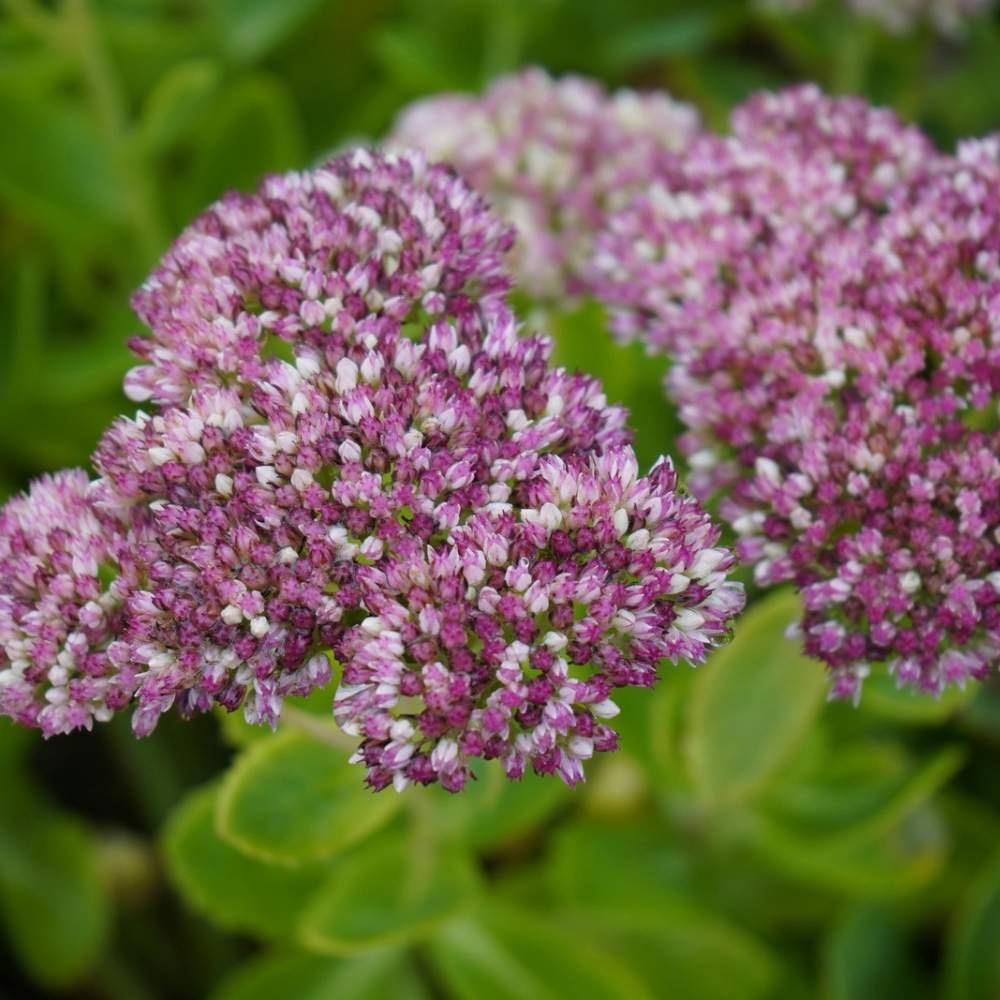
Sedum is a great plant. It’s hardy, drought-resistant and makes for a beautiful low maintenance addition to any garden. So no surprise it’s become so popular with both beginning gardeners and the more seasoned.
But not all plants make good neighbors for sedum. Some can compete for resources, create unfavorable growing conditions or just don’t play well together.
So you’ll want to avoid those plants if you’re growing sedum. The following guide will walk you through plants that you should keep away from your lovely sedum and why.
Understanding Sedum
I found out the hard way about sedum’s particular needs one summer when I planted a beautiful array of stonecrop sedum right next to my thirsty perennials. Three weeks later my carefully arranged sedum looked stressed & unhappy while everything around it thrived. It became very apparent that sedum isn’t just another pretty plant. It has very specific requirements.
Sedum, also known as stonecrop, belongs to the Crassulaceae family. These succulents store water in their thick, fleshy leaves, which gives them incredible drought tolerance. Most varieties love full sun and well-draining soil – they absolutely hate having wet feet. In fact overwatering is probably the fastest way to kill sedum.
What makes sedum tricky is that their root systems are relatively shallow compared to other perennials. This means they can easily get overwhelmed by aggressive neighbors. Their light requirements are also non-negotiable – most need at least 6 hours of direct sunlight daily to thrive and develop their best coloration.
When you plant incompatible neighbors around sedum you’re essentially setting up a battleground. The wrong companions can shade them out, steal their nutrients, introduce diseases or create moisture conditions that lead to root rot. Getting it wrong doesn’t just impact how your sedum looks – it can actually kill these otherwise tough plants.
So make sure you avoid the following plants and you won’t have any problems.
Plants to Avoid Planting with Sedum
1. Hostas
Hostas are shade-loving moisture hounds – basically the exact opposite of what sedum wants. I tried this combination once in a mixed border and my sedum literally stretched itself sideways trying to escape the hosta’s shade.
The problem is that hostas create too much shade with their broad leaves and require consistently moist soil. This combination is a disaster for sun-loving, drought-tolerant sedum which will either rot from excess moisture or become leggy from lack of light.
2. Mint and Other Aggressive Herbs
Mint, oregano, and similar aggressive herbs have invasive root systems that will quickly overwhelm sedum’s more delicate roots. Their rapid growth habit also means they’ll shade out lower-growing sedum varieties before you can say “garden takeover.”
3. Japanese Forest Grass (Hakonechloa)

This popular ornamental grass looks great but it’s a terrible companion for sedum. Japanese forest grass prefers partial shade and consistently moist soil – the complete opposite of sedum’s preferences.
When planted together either the grass suffers from too much sun and drought, or the sedum suffers from too much moisture and shade. I’ve never seen this combination work well, despite how lovely they might look together on a garden plan.

4. Thirsty Annuals

The likes of petunias, impatiens and other water-loving annuals make terrible neighbors for sedum. When I interplanted some ‘Dragon’s Blood’ sedum with petunias I found myself in a no-win situation – either underwater the petunias or overwater the sedum.
These annuals require frequent watering that will inevitably lead to root rot in your sedum. The constant moisture also attracts slugs and snails that can damage your sedum.
5. Tall Coneflowers (Echinacea)
While coneflowers and sedum both love sun the height difference creates problems. Tall varieties of echinacea will cast shade on shorter sedum varieties, causing them to stretch and become leggy as they search for light.
Coneflowers can also be aggressive self-seeders, potentially crowding out your carefully placed sedum. I learned this lesson when my ‘Magnus’ coneflowers completely overshadowed a beautiful patch of low-growing sedum within two seasons.
6. Astilbe

Astilbe looks gorgeous with its feathery plumes but it needs rich, moist soil and partial shade – environmental conditions that spell disaster for most sedum varieties. Planting these two together forces you to choose which plant to disappoint.
Either your astilbe will struggle in the dry, sunny conditions sedum loves, or your sedum will develop root rot in the moist conditions astilbe requires.
7. Ferns
I once tried to create a “textural paradise” with sedum and ferns. I wouldn’t recommend it.
Ferns require shade and constant moisture – conditions that make sedum stretch, weaken and eventually rot. The dense fronds of ferns also block vital airflow around sedum plants, potentially increasing disease problems. This is truly a mismatch made in garden hell.
8. Thirsty Trees and Shrubs
Weeping willows, birch trees and other moisture-loving woody plants make terrible neighbors for sedum. Not only do they cast too much shade, but their aggressive root systems will steal every drop of moisture from the soil, leaving your sedum parched.
If you must plant sedum near trees, stick with drought-tolerant varieties like juniper that won’t compete as aggressively for water.
9. Heavy Feeders like Roses
Roses are gorgeous but greedy. They’re heavy feeders that deplete soil nutrients quickly, leaving little for neighboring plants. Sedum, while not particularly fussy about soil fertility, will struggle to compete with roses’ voracious appetite.
On top of that the frequent watering and fertilizing that roses typically require creates overly rich, moist conditions that can lead to leggy growth or rot in sedum.
10. English Ivy and Other Ground Covers
Last spring, I witnessed a neighbor’s sedum patch slowly disappear under an advancing wave of English ivy. Ground covers like ivy, ajuga and vinca are designed to spread and fill space – exactly what you don’t want around sedum.
They’re frankly just too aggressive & will quickly engulf your sedum, stealing light, nutrients and space. By the time you notice the problem your sedum may already be struggling to survive.
11. Water-Loving Irises
Irises, particularly Japanese & Siberian varieties, crave consistent moisture that would kill most sedum varieties. The boggy conditions they prefer are completely at odds with sedum’s need for excellent drainage.
I’ve seen well-meaning gardeners try this combination, only to end up with either drought-stressed irises or rotting sedum.
12. Large Ornamental Grasses
While some smaller grasses can work with sedum, large varieties like Miscanthus or Pampas grass will quickly overwhelm your sedum plantings. Not only do these grasses grow tall enough to block crucial sunlight, but their extensive root systems effectively steal water and nutrients from everything growing nearby. By midsummer your sedum will be struggling to survive in their shadow.
13. Most Vegetables
The frequent watering, rich soil and regular fertilizing that vegetable gardens require make them poor companions for sedum. Attempting to grow sedum among vegetables means either your vegetables won’t get enough water or your sedum will get too much. Plus, the constant soil disturbance from harvesting can damage sedum’s shallow root systems.
Good Companion Plants for Sedum
Now that we know what NOT to plant let’s focus on some great companions that share sedum’s preferences:
- Lavender – shares sedum’s love of sun and well-drained soil
- Yarrow – drought-tolerant and complements sedum’s texture
- Ornamental onions (Allium) – their structural blooms look stunning with sedum
- Russian sage – provides height without excessive shade
- Dianthus – loves the same rocky, well-drained conditions
- Low-growing ornamental grasses like blue fescue – add texture without competition
Tips for Successful Companion Planting with Sedum
- Match water needs: The most important factor is selecting companions with similar drought tolerance.
- Consider height and spread: Choose plants that won’t shade or crowd your sedum.
- Group by soil preference: Stick with plants that enjoy lean, well-draining soil.
- Plan for root competition: Avoid aggressive spreaders that might overwhelm sedum’s more delicate root system.
- Think long-term: Remember that small, well-behaved plants might become thugs over time.
One trick I’ve found helpful is creating “pockets” of amended soil within my sedum bed for plants that need slightly different conditions. This allows me to include a few less-than-perfect companions without compromising my sedum’s health.
Final Thoughts
Sedum is one of the most rewarding plants to grow – low maintenance, beautiful and tough as nails if given the right conditions. The key to success is understanding that their drought tolerance and need for excellent drainage must be respected when choosing companion plants.
Try to remember that garden design is always about compromise. Sometimes the most beautiful plant combinations aren’t practical from a cultivation standpoint. When it comes to sedum, prioritize their cultural needs over aesthetic pairings and you’ll be rewarded with healthy, vibrant plants that return year after year.
Don’t get discouraged if your first attempts aren’t perfect – gardening is a journey of constant learning. Your sedum will forgive your mistakes as long as you correct them reasonably quickly.
And trust me, once you see a mature sedum planting in full bloom, buzzing with pollinators and glowing in the late summer sun, you’ll know it was worth the effort to get their companions right.
