
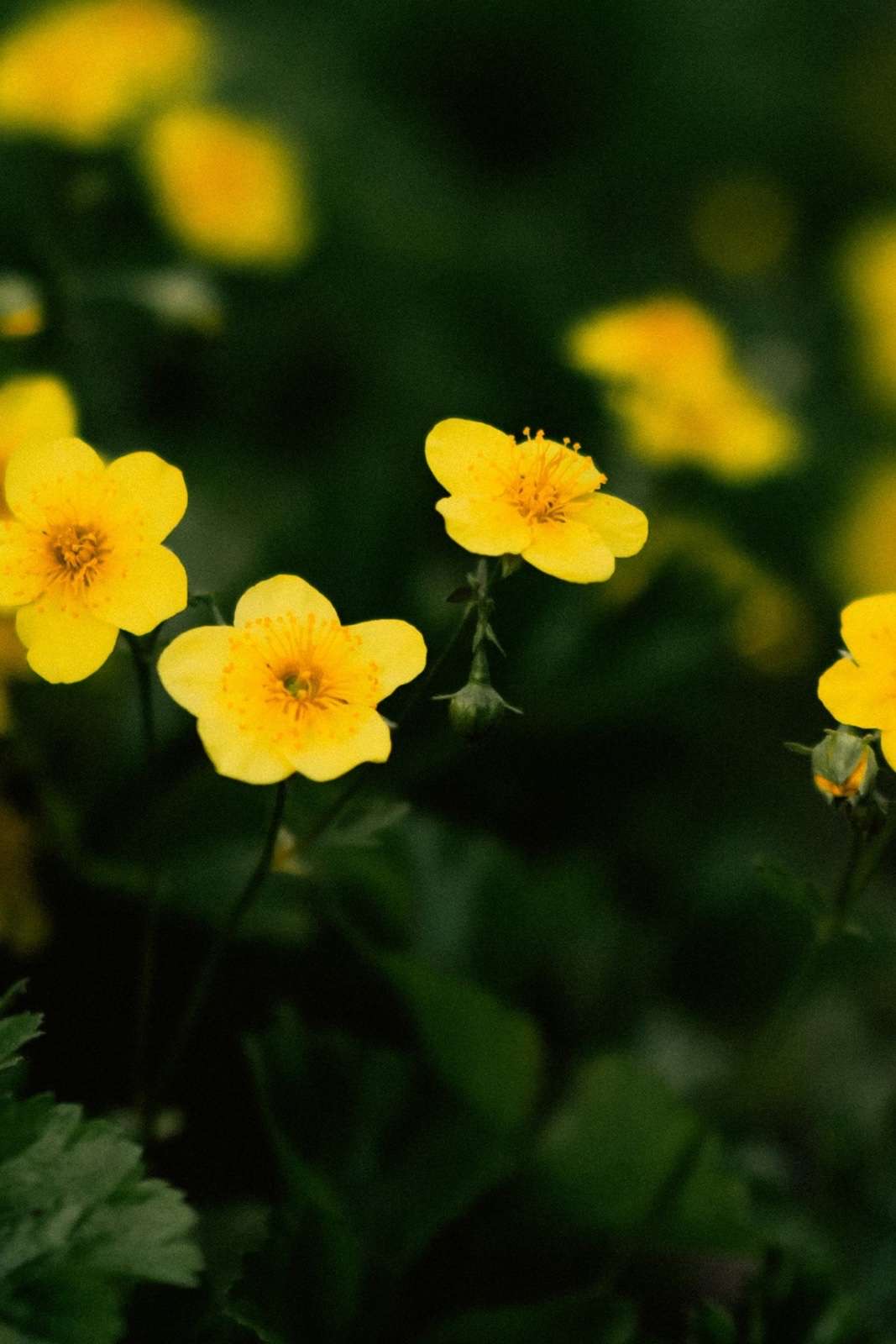
Every gardener who’s fallen for the charm of buttercups knows they’re not just any ordinary flower. Sadly though buttercups don’t play nicely with everything.
So I’m going to take you through what works, and what doesn’t, when planting alongside buttercups.
Understanding Buttercups
Buttercups have been brightening gardens and meadows for years. I remember as a kid holding them under my chin to see the yellow reflection. That old wives’ tale about liking butter!
But a lot people don’t realize how territorial buttercups can be.
Most varieties, especially the common Ranunculus species, contain a compound called protoanemonin that’s actually toxic to many plants. This natural defense mechanism helps buttercups claim their territory in the wild. But in your carefully planned garden it can spell disaster.
Buttercups are also aggressive growers with spreading roots. They compete for soil nutrients, water and sunlight.
In natural settings this aggressive nature helps them grow those meadows we all know. But in your controlled garden environment they can quickly overpower less competitive plants.
Getting your companion planting wrong with buttercups can lead to:
- Stunted growth in neighboring plants
- Yellowing leaves in companion plants
- Reduced flowering in nearby ornamentals
- Total failure of more delicate species
- An unbalanced garden ecosystem
Plants NOT to Plant with Buttercups
1. Herbs (Most Varieties)
Buttercups release compounds that inhibit herb growth. Herbs need specific soil conditions that often conflict with buttercups’ preferences. Plus most culinary herbs prefer well drained soil while buttercups often enjoy more moisture retention.
2. Root Vegetables
Carrots, radishes, beets – basically anything growing underground will compete directly with buttercups’ extensive root systems.
The allelopathic compounds in buttercups can also affect root development in vegetables, leading to bitter flavors and poor yields. Keep your edible roots far away from buttercups.
3. Roses

This pairing might look gorgeous on paper, but roses hate growing near buttercups. Roses and buttercups compete for similar nutrients and the moisture loving nature of buttercups can create conditions too damp for rose roots, potentially leading to fungal issues. On top of that the allelopathic compounds from buttercups seem particularly hard on roses.
4. Shallow-Rooted Annuals

Plants like pansies, marigolds, petunias etc. simply can’t compete with the roots of buttercups. I’ve watched entire borders of annuals get overwhelmed when buttercups decide to spread.
They often can’t establish strong enough root systems to compete for nutrients and water when buttercups are present. Save yourself the heartbreak and keep these pretty bloomers in separate areas.
5. Bulbs with Similar Bloom Times

Tulips, daffodils and other spring-flowering bulbs will be competing for the spotlight with buttercups. More importantly they’ll be fighting for the same nutrients at critical growing times.
I’ve noticed when I plant spring bulbs near buttercups the bulbs tend to produce smaller flowers and fewer blooms over time as the buttercups drain resources from the soil.
6. Strawberries
Both strawberries and buttercups are spreading plants that want to claim territory. Put them together and you’ve got a battle going on.
The allelopathic effects of buttercups seem particularly potent against strawberries, affecting fruit production and plant vigor. Keep these far apart for the sake of your summer fruit harvests.
7. Most Vegetables
Vegetable gardens and buttercups simply don’t mix. Besides the toxicity concerns buttercups will outcompete most vegetables for nutrients.
The shallow roots of many vegetables can’t compete with the aggressive spread of buttercup roots. And many vegetables require regular feeding schedules that can inadvertently benefit the buttercups more than your intended crops.
8. Rhododendrons and Azaleas

Azaleas have specific soil requirements that don’t work with buttercups’ preferences.
The moisture requirements also differ substantially – rhododendrons and azaleas prefer consistently moist but well drained soil. Many buttercup varieties however can tolerate periods of standing water that would damage these shrubs’ roots.
9. Hostas
Though both tolerant of shade, hostas and buttercups compete aggressively underground.
The mat formed by buttercup roots can prevent hostas from establishing the strong root systems they need to grow properly.
10. Lavender
Here’s a classic clash of needs – lavender wants dry, well drained soil while most buttercups prefer more moisture.
The aromatic compounds in lavender also seem to suffer when exposed to buttercups’ allelopathic effects.
11. Clematis
These beautiful climbing vines require specific soil conditions that buttercups can disrupt.
Clematis prefers a cooler root zone which the spreading nature of buttercups can prevent by creating root mats that heat up the soil surface. This stress can make clematis more susceptible to disease and less flowering.
12. Lawn Grasses
If you want to maintain a tidy lawn, keep buttercups at bay! They’ll create uneven patches and outcompete grass in many conditions. My once-uniform lawn now has buttercup “islands” that I’m still trying to address.
Most lawn grasses can’t compete with the rapid spread of buttercup roots. Especially in slightly damp conditions where buttercups thrive. The result is an uneven, patchy lawn that’s difficult to maintain.
13. Other Ranunculus Species
It might seem counterintuitive but different varieties of buttercups often compete with each other rather than complement. Each buttercup variety has slightly different growth habits and competitive strengths. When planted together usually one will dominate at the expense of the others, defeating the purpose of a diverse display.
Good Companion Plants for Buttercups
Despite their challenging nature buttercups can coexist with some plants. Here are a few that have worked well in my garden:
- Ferns – Their different root structure means less direct competition
- Spring bulbs that bloom earlier (plant bulbs deeper to avoid root competition)
- Ornamental grasses – Their fibrous roots operate at a different soil depth
- Some native wildflowers that have evolved alongside buttercups
- Tough perennials like rudbeckia and echinacea can hold their own
Tips for Successful Companion Planting with Buttercups
- Use physical barriers like deep garden edging to prevent buttercup roots from spreading
- Plant buttercups in containers to control their spread while still enjoying their blooms
- Provide extra fertilizer to compensate for buttercups’ nutrient demands
- Create separate watering zones to accommodate different moisture needs
- Monitor for signs of stress in companion plants and adjust spacing as needed
Final Thoughts
Don’t forget that different varieties of buttercups have varying levels of aggression. Some are much better behaved than others! The creeping varieties tend to be the most problematic while the more upright, clumping types can be easier companions.
While this list might make buttercups sound like garden villains, they’re actually fascinating plants with a rightful place in many gardens. Their cheerful flowering is some of the first to appear in spring. And their golden color is unmatched for brightening up damp areas where other plants struggle.
You just have to understand their growth habits and plan accordingly. Give them appropriate companions or their own special spot, and you’ll have that unmistakable buttercup glow without sacrificing the health of your other flowers.
