

I’ve had years of planting stock. And I know what helps them to thrive. And what makes them struggle.
So if you’re not sure about growing stock I’m going to show you which companion plants work and which you should definitely avoid.
Understanding Stock
Stock flowers (Matthiola) have been stealing the show in gardens for generations. Their wonderful fragrance is beloved by everyone, especially in the evening when the scent really kicks in.
But it’s easy to get companion planting wrong with stock. My best tip is simple: it’s all about understanding what stock needs to thrive.
Stock plants aren’t particularly difficult to grow but they are particular about their neighbors. They prefer cool weather, rich soil and plenty of nutrients.
When competing with the wrong plants they’ll quickly let you know by producing fewer blooms or developing stunted growth.
What to Consider When Planting Stock
- Their shallow root systems
- Nutrient requirements (they’re heavy feeders)
- Susceptibility to certain pests
- Preference for cooler temperatures
- Space needs for proper air circulation
- Soil moisture requirements
Plants Not to Plant With Stock
1. Tomatoes
Tomatoes are well known nutrient hogs and their aggressive roots quickly outcompete stock.
Why it doesn’t work:
- Tomatoes steal nutrients aggressively
- Their sprawling growth creates too much shade
- They attract pests that can spread to stock
- Different watering needs create problems for both plants
2. Potatoes
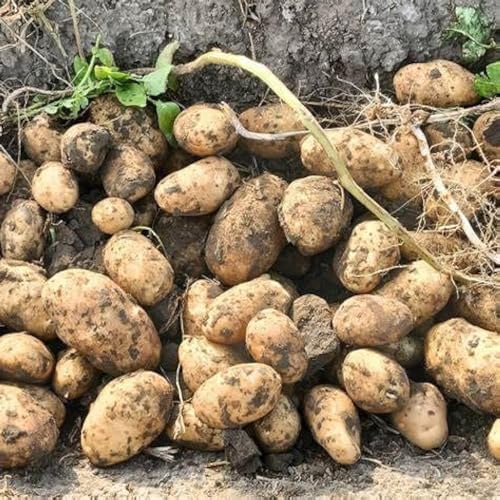
If you plant stock near potatoes they will start strong but quickly fade. The underground tuber development disrupts the shallow roots of the stock. You can also find aphid problems.
What makes it problematic:
- Root competition damages stock’s delicate root system
- Potatoes attract aphids which love to spread to stock
- Fungal diseases can transfer between plants
- Soil disturbance when harvesting potatoes destroys nearby stock

3. Mint
Picture this: Saturday afternoon, perfect weather and I’m trying to figure out why my stock plants are half the size they should be. The culprit? That innocent looking mint I planted nearby had sent underground runners everywhere, choking out everything in its path. The mint is now in containers where it belongs but my stock took weeks to recover.
How to avoid this mistake:
- Mint’s aggressive runners will overwhelm stock
- Strong mint oils can inhibit stock growth
- Different water requirements create stress
- Mint attracts different pollinators that might ignore stock
4. Sunflowers
When you can’t figure out why your stock is struggling, look up. Towering sunflowers create too much shade and their allelopathic properties inhibit the stock’s growth.
Making it work instead:
- Sunflowers create too much shade
- They release growth-inhibiting compounds into soil
- Heavy nutrient requirements starve stock plants
- Different water needs cause either over or underwatering
5. Fennel
Both plants might look healthy for a few weeks but soon the stock will start showing signs of stress. Fennel releases compounds that inhibit the growth of many plants, and stock is particularly sensitive.
Getting the details right:
- Fennel is allelopathic to most plants, especially stock
- Strong aroma can confuse pollinators
- Fennel attracts beneficial insects away from stock
- Competitive root systems fight for the same resources
6. Cabbage Family Plants

If you think about it this makes sense. Stock itself is related to cabbage (both in the Brassicaceae family). They not only compete for the same nutrients but share the same pests and diseases.
When a friend of mine planted stock near his broccoli both plants suffered from cabbage worm infestations that spread like wildfire.
How to separate them:
- Family plants share the same pest problems
- Disease spreads easily between related plants
- Competition for identical nutrients
- Similar growing seasons create harvesting conflicts

7. Grass (Lawn areas)
One of my worst gardening mistakes was planting stock along the edge of my lawn. They looked gorgeous for a few weeks then gradually faded despite regular fertilizing.
The aggressive roots of lawn grasses make dense mats that stock roots can’t compete with. The photos of their sad decline are now in my “what not to do” garden album.
Tips to make it work elsewhere:
- Grass roots outcompete stock for water and nutrients
- Lawn care activities (mowing, edging) can damage stock
- Different water needs create constant stress
- Grass clippings can promote disease in stock plants
8. Marigolds

This one’s perfect for the garden myth-buster. Despite marigolds being celebrated as companion plants for many flowers they’re actually poor companions for stock.
I arranged a flower bed for my mother-in-law with stock surrounded by marigolds thinking I was being clever with pest control. The strong scent of marigolds overwhelmed the delicate fragrance of the stock and the stock plants remained stunted all season.
Making better choices:
- Marigolds’ strong scent masks stock’s fragrance
- They attract different pollinators
- Chemical compounds released by marigolds can inhibit stock
- Different light requirements create competition
9. Gladiolus
For history buffs or just gardeners with great color schemes try avoiding planting gladiolus with stock. Gladiolus corms compete directly with stock for underground real estate and their tall growth creates awkward shadows. Add in the fact that gladiolus needs to be staked (potentially damaging stock roots), and you’ve got a pairing that doesn’t work.
Tips:
- Root competition is fierce between these two
- Height differences create odd visual and practical problems
- Different bloom times make planning difficult
- Opposing water needs stress both plants
10. Strawberries
Keep strawberries away from stock. I recently planned a garden where we intentionally placed strawberry patches far from stock flowers. The spreading nature of strawberry plants quickly invades stock’s space. While stock’s need for deadheading can damage nearby strawberry plants.
What makes it problematic:
- Strawberry runners quickly overtake stock’s space
- Different pest management needs
- Strawberries attract unwanted garden visitors that can damage stock
- Maintenance of one can damage the other
- Different fertilizer requirements create feeding issues
Good Companion Plants for Stock
Skip the generic companions and think about what truly benefits stock. For a successful stock garden try something like Sweet Alyssum as living mulch around the base of stock plants. It can suppress weeds but also attract beneficial insects that help control aphids.
Other great companions include:
- Calendula – attracts pollinators without competing
- Geraniums – their scent repels insects that damage stock
- Pansies – low-growing and enjoy similar conditions
- Snapdragons – similar growing requirements without competition
- Dusty Miller – creates beautiful silver contrast without competing
Tips for Successful Companion Planting with Stock
Start planning early, but be smart about it. Focus your energy where it matters:
First month:
- Prepare soil with plenty of organic matter
- Feel out the spacing needs of your stock variety
- Consider shade patterns throughout the day
Planting time:
- Give stock plants enough room (at least 12″ apart)
- Plant companions at appropriate distances
- Mulch around plants to suppress weeds
Throughout season:
- Monitor for signs of competition
- Have a backup plan for plants that don’t play nice
- Deadhead stock regularly to encourage more blooms
- Provide consistent moisture without overwatering
Final Thoughts
The secret to the best stock garden has one thing in common – observation. Not just about today but about how plants interact over time.
About sixty days of growing, adjusting and building relationships between plants. Sometimes your garden story is told through elaborate planning and perfect plant combinations. Sometimes it’s as simple as noticing which plants look stressed when placed together.
You don’t need to empty your savings for great stock plants. Some of the most memorable stock displays I’ve grown were in humble containers with just the right companion plants. The difference was knowing what NOT to plant with them.
So pick two or three complementary plants that really enhance stock and do those combinations really well. Good planning, good soil preparation and a few thoughtful touches will take you further than cramming too many incompatible plants together.
