
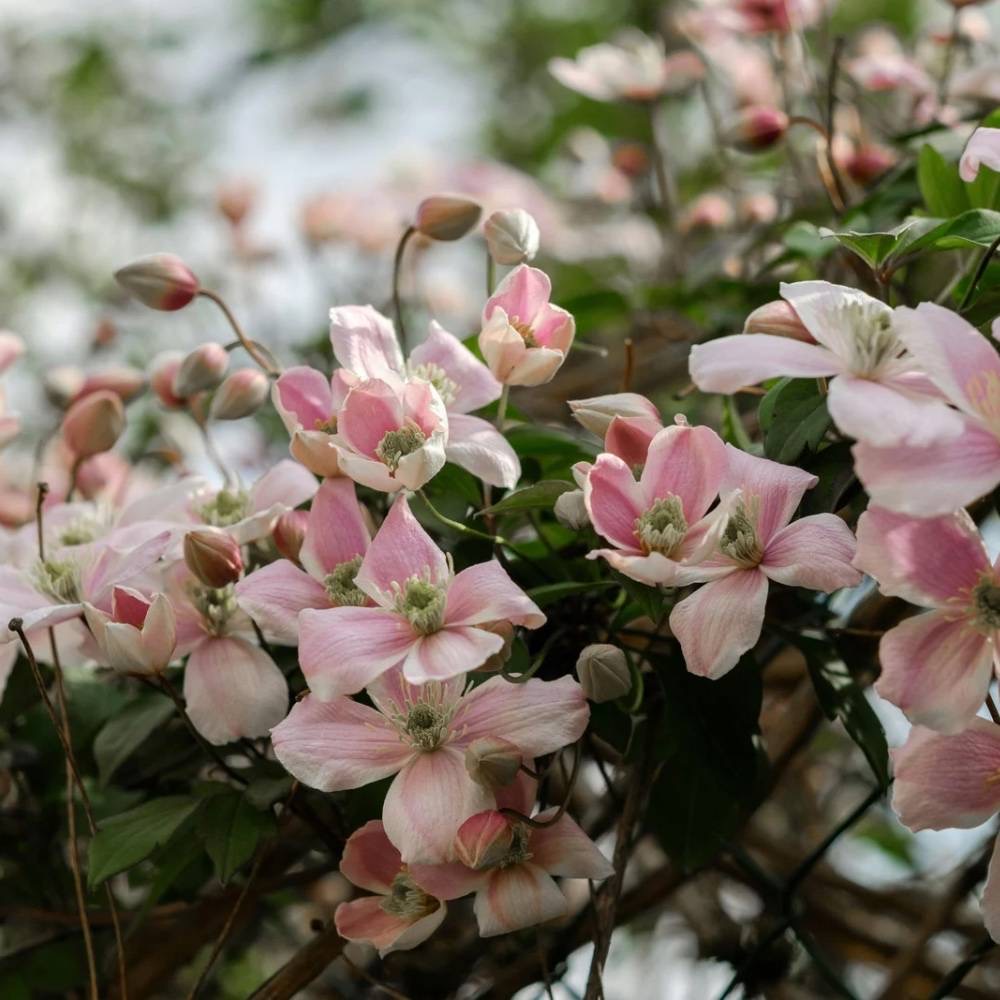
Over the years I’ve killed both clematis and lots of other plants alongside them. Through all those failures (and eventual successes), I’ve discovered that what you plant NEAR your clematis can make or break its performance.
Some plants just don’t play nice with these spectacular climbers. It may be they’re competing for the same nutrients, creating unhelpful shade or just plain getting in each other’s way. Whatever it is, certain plant combinations spell trouble.
So I’m going to save you the heartache I experienced by showing you what NOT to plant with your clematis.
Understanding Clematis
Ask any experienced gardener about clematis and you’ll likely hear something like, “They like their feet in the shade and their heads in the sun.” This common saying really sums up one of the key things to understand about these stunning vines – they have somewhat contradictory needs.
Clematis can be finicky. Their roots prefer cool, moist conditions while their foliage and flowers need plenty of sunlight to perform well. They’re also hungry feeders that need rich soil and regular fertilizing. And while they’re not especially disease-prone, when they do get sick, it can be catastrophic. (I once lost three clematis plants in a single week to clematis wilt – still haunts my gardening nightmares!)
Getting companion planting wrong with clematis can lead to:
- Stunted growth and poor flowering
- Increased vulnerability to clematis wilt
- Vine damage from competition
- Nutrient deficiencies
- Root stress from inappropriate soil conditions
So let’s get into the plants that make terrible neighbors for your clematis vines.
Plants Not to Plant with Clematis
1. Aggressive Ground Covers

When I first started gardening I thought planting English ivy at the base of my clematis would be perfect – it would shade the roots, just like the experts suggested! They were wrong.
Why They Clash: Aggressive ground covers like English ivy, pachysandra or vinca can actually strangle clematis at the base. Their vigorous growth competes for water & nutrients, and their dense root systems can physically prevent the clematis from establishing properly.
My ‘Jackmanii’ clematis struggled for two years before I finally realized the problem was the English ivy I’d planted to “protect” its roots. The ivy had completely enveloped the base of the clematis, choking out new shoots and stealing all the available moisture. Once I removed the ivy and replaced it with a more appropriate companion, the clematis finally took off.
2. Trees with Shallow Root Systems
Trees might seem like natural supports for clematis but choose the wrong tree and you’re asking for trouble.
Why They Clash: Trees with aggressive, shallow root systems like maples, birches and willows create intense competition for water and nutrients. Plus their dense canopies can create too much shade for sun-loving clematis.
3. Plants That Attract Slugs and Snails
This one was a painful lesson. My hostas looked beautiful at the base of my clematis trellis but they brought unwanted guests.
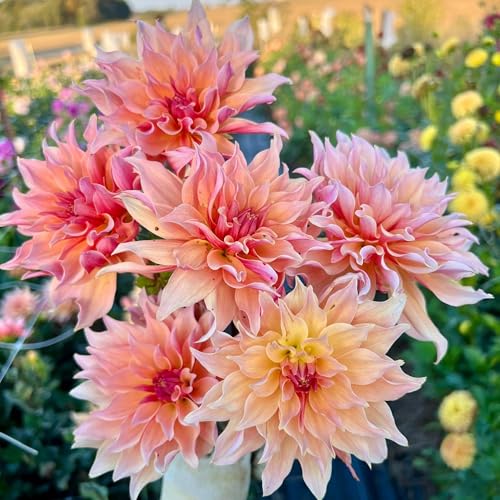
Why They Clash: Plants like hostas, dahlias and lettuce are magnets for slugs and snails. While mature clematis aren’t usually their first choice, young clematis shoots are tender and delicious to these pests. Once slugs and snails establish a population in your garden, they can devastate young clematis plants.
4. Super-Thirsty Plants
While clematis like consistent moisture, planting them near extremely thirsty neighbors creates problems.
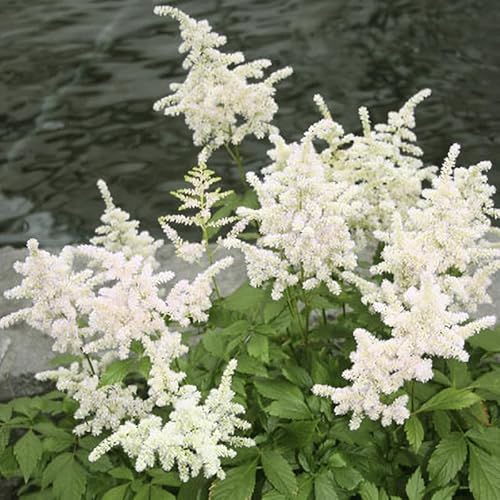
Why They Clash: Hydrangeas, astilbes and other moisture-loving plants can drain the soil of water, leaving insufficient amounts for your clematis. This is especially problematic during hot summer months when water is already at a premium.
I once positioned a beautiful ‘Ernest Markham’ clematis near a stand of hydrangeas. Despite regular watering, the clematis always seemed stressed and produced far fewer flowers than expected. When I eventually moved it away from the hydrangeas, its performance improved dramatically.
5. Other Vigorous Climbing Plants
It seems logical to group climbers together but this often leads to a competitive tangle.
Why They Clash: Vigorous climbers like wisteria, climbing roses, or honeysuckle will literally fight for the same support structure. They can easily overwhelm and shade out a clematis, especially during the establishment phase.
My garden arbor disaster taught me this lesson well. I planted a wisteria and a clematis to cover opposite sides of an arbor, thinking they’d meet in the middle for a beautiful display. Within two years, the wisteria had completely dominated, and my poor clematis was barely hanging on with just a few scraggly stems managing to find sunlight.
6. Plants That Need Frequent Division
This one’s about practical gardening considerations rather than direct competition.
Why They Clash: Perennials that need frequent division (like many ornamental grasses, daylilies, or Shasta daisies) create a maintenance conflict. When planted too close to clematis, you risk damaging the clematis roots during division.
7. Plants That Create Dense Shade
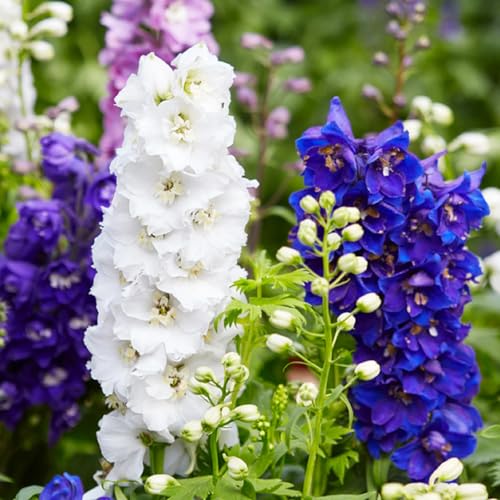
Remember the saying “heads in the sun”? That’s critical for clematis success.
Why They Clash: Plants that create dense shade directly above or in front of clematis prevent them from getting the sunlight they need for proper flowering. Culprits include large hostas, cannas, dense shrubs, and tall perennials like delphinium.

8. Allelopathic Plants
Some plants are chemical warriors that can suppress growth in neighboring plants.
Why They Clash: Certain plants release chemicals that inhibit the growth of other plants – a process called allelopathy. Black walnut trees are the most famous example, but sunflowers, some junipers and certain sages can also exhibit this trait.
I once tried growing clematis near a stand of sunflowers. While it might have been the shade factor as well, that clematis never thrived, and subsequent plants in the same location also struggled until I moved further from the sunflower patch.
9. Plants that Create Hot, Reflected Heat
This subtle factor can make a big difference to clematis performance.
Why They Clash: Plants with silver, gray or extremely light-colored foliage often reflect heat and light, creating a microclimate that can be too hot for clematis roots. Plants like lamb’s ears, artemisia, or lavender can create these hot spots.
Good Companion Plants for Clematis
So what does work well with clematis? Here are some companions that help your clematis thrive:
Shallow-Rooted Perennials
Plants like hardy geraniums, small heucheras and brunnera provide that critical root shade without aggressive competition. I’ve had great success with ‘Biokovo’ geraniums as clematis companions.
Spring Bulbs
Daffodils, tulips and other spring bulbs provide early season interest before clematis gets going, and their foliage helps shade roots during late spring. By the time the bulb foliage dies back, the clematis is usually tall enough to shade its own roots.
Small Shrubs
Dwarf varieties of boxwood, spirea or viburnum can provide both support and root shade for clematis while not creating excessive competition. My ‘Little Princess’ spirea makes a perfect companion for my ‘The President’ clematis.
Non-Aggressive Roses
While some roses can overpower clematis, many shrub roses and smaller climbing roses make excellent partners. The clematis can use the rose canes for support, and their contrasting bloom forms create spectacular combinations. My ‘Comtesse de Bouchard’ clematis with ‘Gertrude Jekyll’ rose is a garden highlight every year.
Non-Invasive Ornamental Grasses
Smaller grasses like Japanese forest grass (Hakonechloa) or blue fescue provide root shade while creating textural contrast. Just be sure to choose varieties that don’t need frequent division.
Tips for Successful Companion Planting with Clematis
Here are some tips I’ve picked up over years of growing clematis that will help you create successful combinations:
1. Create a Root Shield
When planting clematis, position a physical barrier like a flat stone or small ground-covering plant to shade the roots without competing with them. I often place a couple of flat rocks around the base of newly planted clematis.
2. Plant Clematis Deeply
Plant your clematis with the first set of true leaves below soil level. This encourages multiple stems and protects the plant if clematis wilt strikes. This technique has saved several of my clematis over the years.
3. Water Consistently
Provide regular deep watering, especially during the first two years after planting. If companion plants seem to be taking too much moisture, consider installing a dedicated soaker hose or drip irrigation for your clematis.
4. Feed Separately
If your clematis is growing near other plants, make sure to provide dedicated fertilizer directly to the clematis rather than general feeding. I use a liquid clematis fertilizer applied directly at the base of my vines.
5. Provide Adequate Support
Make sure your clematis has its own dedicated support rather than competing with other climbers for the same structure. Chicken wire, trellises, or obelisks work well.
Final Thoughts
Clematis are truly worth the extra effort they sometimes require. There’s nothing quite like a mature clematis in full bloom, transforming an ordinary fence or trellis into a spectacular display.
If you’re new to growing clematis, start with easier varieties like ‘Jackmanii’ or ‘Nelly Moser’ before attempting the more challenging types. And don’t be discouraged if your first attempts aren’t perfect – I’ve killed plenty on my way to becoming a decent clematis grower.
Different clematis varieties have slightly different preferences, so observation and adjustment are key parts of success. What works for one type might not work for another. The willingness to move plants that aren’t thriving is one of the most important skills a gardener can develop.
With the right companions and proper care clematis can be the crowning glory of your garden for many years to come.
