
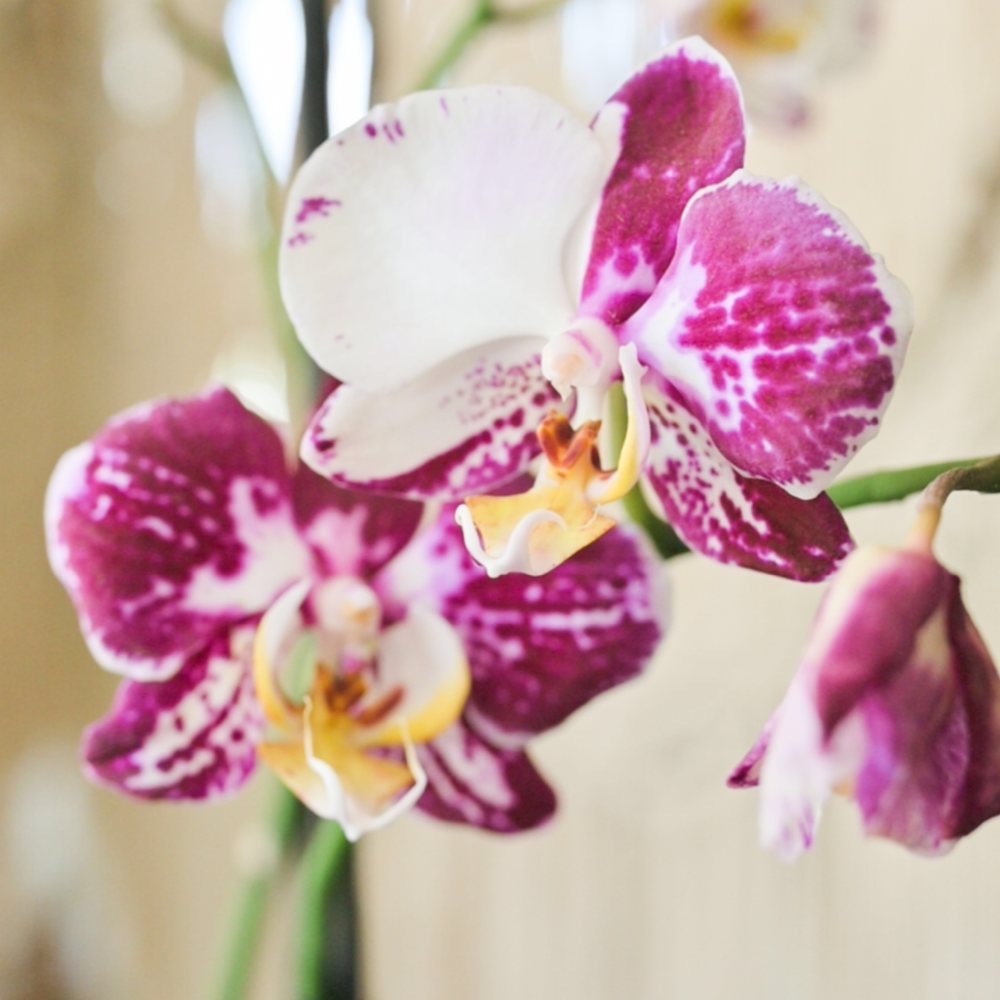
When I got my first orchid, many years ago now, I killed it within the first couple of weeks. It was a beautiful purple Phalaenopsis from the grocery store and my experience and failure with it left me convinced orchids were just fancy plants meant for people who had real gardening skills.
But where I was going wrong was treating all orchids like the same. But some orchids are pretty forgiving. Some might even say, quietly, that they’re easy.
And now after many years of growing and caring for them I’ve figured out which orchids will happily live in your home and thrive.
There are more then 25,000 species, but don’t let that number scare you off. Most of those are for serious collectors with greenhouses and humidity monitors.
For us regular people who just want something beautiful that won’t die if we forget to water it for a week there are maybe six to eight varieties worth considering.
And I’ll take you through those varieties so you decide which is the right one for you.
What Makes an Orchid Beginner Friendly
Orchids have a reputation for being high maintenance because people assume all orchids need the same care. But thats far too general.
The best beginner orchids can handle being watered inconsistently. We all forget sometimes and a good starter orchid won’t instantly die on you for doing so. They also adapt to average home conditions without needing any special equipment or treatment.
Temperature tolerance is huge. Many orchids want very specific temperature ranges but beginner friendly varieties are happy with whatever keeps you comfortable. That one thing can get rid of so many of the complications you would otherwise face.
Root health is another factor. Some orchids have incredibly sensitive roots that rot with the slightest problem. The varieties I recommend have more resilient roots that can cope with watering mistakes.
But the best orchids are the ones that show you when they’re happy or unhappy. A stressed one will tell you what’s wrong before it’s too late to fix it. Compare that to some of the specialty varieties that just die without a warning or any second chances.
Beginner orchids have been selected and bred for decades to be houseplants first, not just beautiful flowers.

Best Orchids for Beginners
Phalaenopsis (Moth Orchid)
 Premium Purple Live Phalaenopsis Moth Orchid
If you buy one orchid in your lifetime, make it a Phalaenopsis. These are the orchids you see everywhere and they’re popular for one major reason – they’re nearly impossible to kill.
I keep three Phalaenopsis on my kitchen windowsill and they’ve been blooming consistently for two years. That’s mainly because they like to almost dry out between waterings.
Feel the bark mixture with your finger. Of it’s dry about an inch down the you can be confident it’s time to water.
These orchids bloom for months at a time. And then once the flowers fade cut the stem above a node and you’ll often get another spike of blooms within a few months.
Growing Tips:
- Water weekly in summer, every 10 days in winter
- East or west facing windows work perfectly
- Use orchid bark mix, never regular potting soil
- Fertilize every month with diluted orchid fertilizer
The best part about Phalaenopsis is they will show you what they need. If the leaves are wrinkled that means they want more water. Yellow leaves means too much. Dark green leaves is them needing more light. Once you learn to read these signals it’s easy to look after them and keep them looking happy and healthy.

 American Plant Exchange Dendrobium Orchid – Live 4-Inch Potted Flowering Plant
Dendrobiums have a reputation for being tricky but the Nobile variety is quite forgiving. They grow tall canes that can reach up to two feet with flowers along their length and look gorgeous.
What makes Nobile dendrobiums great for beginners is their clear growing cycle. They need a cool, dry rest period in winter (which matches most home heating patterns perfectly), then they wake up in spring with they’re awesome blooms.
With my first Dendrobium I kept watering it all winter and wondered why it never bloomed. Once I understood their natural rhythm and gave them that break in the winter they began to bloom so reliably.
Care Essentials:
- Bright light but not direct afternoon sun
- Water regularly spring through fall, then dramatically reduce in winter
- Cool nights (60 to 65°F) in winter trigger blooming
- Don’t remove the old canes as they store energy for new growth
Oncidium (Dancing Lady Orchid)

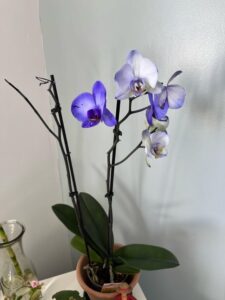
These are the orchids with clouds of small yellow flowers that look like little dancers in puffy skirts. Oncidiums are fantastic for beginners because they love water when compared to other orchids which means your natural instinct to water them regularly will work in your favor.
The pseudobulbs (thick, bulb like stems) store water and nutrients and means they are quite drought tolerant once they get established. But unlike other orchids that prefer to dry out Oncidiums like consistent moisture during their growing season.
Growing Success:
- Keep consistently moist but not soggy
- Bright, indirect light – they can cope with more than Phalaenopsis
- Good air circulation will stop any issues with fungus
- Blooms can last 6 to 8 weeks
Cattleya Alliance

Cattleyas have big, showy flowers with a wonderful fragrance. While some varieties can be challenging the hybrid Cattleya alliance orchids are much more forgiving and good for beginners who don’t mind a bit of drama.
I was a little intimidated by Cattleyas because of their reputation but my first hybrid (a Brassolaeliocattleya) has been blooming constantly for three years. The flowers are massive – easily 4 to 5 inches across – and the fragrance lovely too.
Cattleyas need more light than Phalaenopsis but less water. They also appreciate a temperature drop at night, which most homes will do during the winter months.
Care Requirements:
- Bright light – south facing windows work well
- Water when the medium is nearly dry
- Night temperatures 10 to 15°F cooler than day temperatures
- Blooms usually once or twice per year but last 4 to 6 weeks
Paphiopedilum (Lady Slipper Orchid)
 Oncidium Sharry Baby Orchid – Chocolate Fragrance
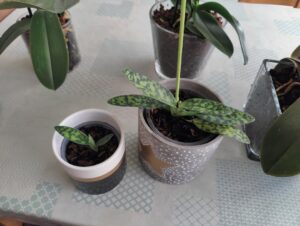
These are completely different from other orchids – they don’t have any pseudobulbs, no aerial roots – they’re just terrestrial plants that grow more like regular houseplants. The unique shape of threat flowers are some of the most noticeable and many varieties have beautiful foliage even when they’re not in bloom.
Paphiopedilums are perfect for beginners who struggle with knowing when to water because they prefer to stay slightly moist at all times. You don’t have to guess or wait for the bark to dry out – just keep them consistently damp (not soggy).
I keep mine in lower light than my other orchids so they’re excellent for spots where other orchids wouldn’t thrive. The flowers last for months.
Growing Tips:
- Lower light requirements – east windows are perfect
- Keep consistently moist all year round
- Use a finer bark mix than other orchids
- Regular potting schedule every 2 years keeps them healthy
FAQ
How often should I water my orchid?
This depends on your environment and the type of orchid but most beginners water too much. For Phalaenopsis put your finger in the bark – if it’s dry an inch down you should water. For most homes this works out to once a week in the summer and every 10 days in the winter. Paphiopedilums are the exception – they prefer consistent moisture.
What’s the best location for orchids?
East or west facing windows work best for most beginner orchids. You want bright, indirect light. If the leaves turn dark green then they need more light. If they turn yellow or get brown spots they’re getting too much direct sun. South facing windows can work but you may need to use a sheer curtains in the summer.
Why isn’t my orchid blooming?
Most orchids need a temperature drop at night to trigger blooming. If your home stays the same temperature all the time then try moving your orchid to somewhere cooler at night. Also many orchids are seasonal bloomers – Dendrobium nobile, for example, usually blooms in the spring after a cool winter rest.
Can I use regular potting soil?
Never. Orchids grow on trees rather than in soil in nature. They need excellent drainage and air circulation around their roots. Use orchid bark mix which you can find at most garden centers. It will look weird compared to regular soil but that’s what orchid roots need.
How do I know if my orchid is healthy?
Healthy orchids have green leaves (though some varieties naturally have more mottled or purple foliage). Roots should be green when wet, silver when they’re dry and feel firm. Mushy, black or hollow roots ae a sign there’s a problem. New growth – whether it’s leaves, roots or flower spikes – is always a good sign.
Should I repot my orchid right away?
Not usually. Most orchids from stores are fine and can wait a year or two before they need to be repotted. Repot when the bark breaks down and gets soggy or when the roots are growing out of the pot. Spring is the best time for repotting as new growth begins.
Final Thoughts
Starting with orchids doesn’t have to be scary or complicated. The varieties I’ve shared here have survived my learning curve, inconsistent watering schedules, and less-than-perfect growing conditions. They’ve rewarded me with years of blooms and taught me to read what plants actually need rather than what I think they need.
The biggest mistake I see beginners make is overthinking it. Orchids aren’t as fragile as their reputation suggests – at least, not the right ones. Start with a Phalaenopsis or Dendrobium nobile, learn to read its signals, and build your confidence before moving on to more challenging varieties.
Remember, even experienced growers lose plants sometimes. I killed my share during those first couple of years, and I still occasionally make mistakes. The difference is now I know which orchids will forgive those mistakes and bounce back stronger.
Your first orchid might not be perfect, and your care routine definitely won’t be. That’s completely normal and part of the learning process. What matters is choosing varieties that want to succeed in your home, not fight against your natural tendencies as a plant parent.
Trust me – once you see that first flower spike emerging, you’ll understand why people get obsessed with these plants. There’s something magical about coaxing blooms from what looks like a few leaves and some chunky bark. And when friends ask how you keep orchids alive, you’ll realize you’ve joined a pretty amazing club of people who’ve figured out these beautiful, slightly weird plants.
