
Dreaming of a bright garden but finding yourself limited by a small balcony? Good news – you can still create a wonderful and colorful area with the right flowers.
From gardening newbies to the more experienced, the following flowers will help you transform a compact space into somewhere you can treasure and enjoy.
Geraniums

Geraniums are a fantastic choice for small balcony gardens. They’re ways to care for and come in a wide variety of colors that all look great.
Care Requirements
Water moderately and let the soil dry out between waterings. Feed them fertilizer twice a week during the growing season. Prune them regularly as it will encourage them to grow and prune.
Ideal Conditions
Give them full sub for at least six hours every day to get good flowers. Use soil that drains well to stop root rot. And bring them indoors during any extremely cold weather to protect them from frost.
Petunias: Perfect For Hanging Baskets

Petunias are a fantastic option for small balcony gardens, especially in hanging baskets. They’re full of color and very charming.
Care Requirements
Water often to keep the soil moist but not soggy. Waterlogged soil will lead to root rot. Fertilize petunias every couple of weeks with balanced, liquid fertilizer as it will help them to flower continuously.
Deadhead the spent flowers regularly as it will promote new growth. They are susceptible to strong winds though as it can damage their flowers.
Ideal Conditions
They need full sun for at least 6 hours a day. Make sure the soil drains well to prevent standing water. A lightweight potting mix will support the roots.
Keep their temperature around 60 to 75°F as they do well in mild, warm conditions. Pests like aphids and caterpillars can affect petunias so keep an eye out for them.
Pansies

Pansies are bright, beautiful and do well even in cold temperatures.
Care Requirements
Water pansies regularly so the soil stays moist but don’t let it get waterlogged. Fertilize them every few weeks.
Deadhead the spent flowers as it prolongs the blooming period keeps your pansies healthy.
Ideal Conditions
Put your pansies somewhere they get at least 4 to 6 hours of sunlight daily. Use a pot that has good drainage holes and soil that drains well (so the roots don’t rot).
Pansies can deal with some frost which makes them make the great for growing into the early spring and late fall.
Marigolds
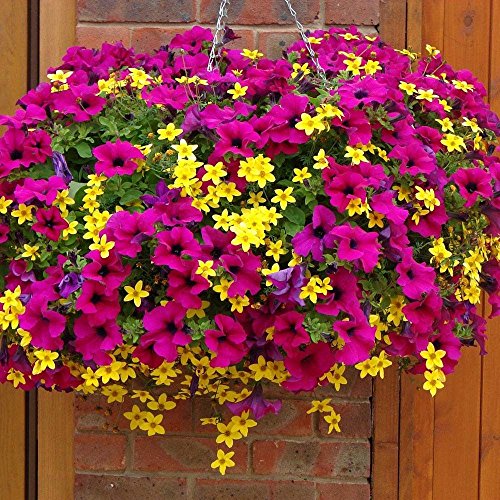
Marigolds are beautiful but also exceptionally easy to care for. So a perfect flower for a small garden.
Care Requirements
Water your marigolds regularly to keep the soil slightly moist but not waterlogged. Fertilize them once a month during the growing season.
Deadhead the spent flowers as it will stimulate new growth and keep the whole plant looking brighter and happier. Watch for pests like aphids and spider mites too as they can affect marigolds.
Ideal Conditions
Plant marigolds where they will get sun for at least 6 hours a day. Lots of drainage from the pot is important and soil that drains well.
Marigolds do best in warm weather and can tolerate both high heat and direct sunlight. So you don’t have to put much effort in to enjoy them all season.
Begonias
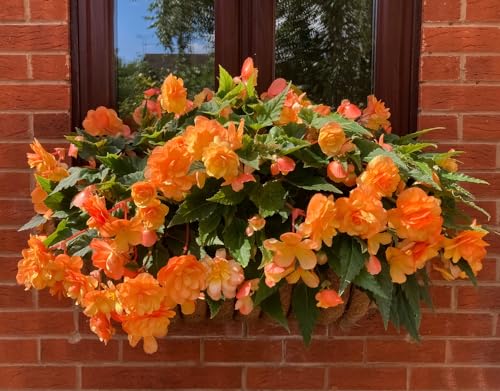
Begonias are perfect if you have a balcony with lots of shade. They will give it a lot of color and warmth.
Care Requirements
Water them on a regular basis but don’t let them get waterlogged. Let the soil dry fully between each watering to avoid root rot.
Fertilize them every two weeks using a balanced fertilizer. And prune any dead or damaged leaves as it will help with growth. If you find any pests like spider mites or aphids then treat them quickly.
Ideal Conditions
Put your begonias in shaded spots where they will get indirect light. Use a potting mix that drains well and a pot that has lots of drainage holes.
Keep the temperature between 65 to 75°F for best growth. High humidity helps so mist them occasionally if you’re in a dry area. And try to keep your begonias out of strong winds as they can damage the leaves.
Zinnias
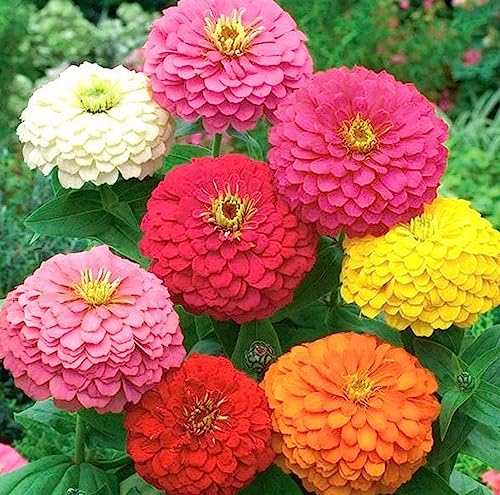
Zinnias are strong and tough so another good choice for gardening in an urban area.
Care Requirements
Water your zinnias regularly without waterlogging the soil. Deadhead spent flowers to encourage more blooming.
Fertilize them every four to six weeks with a balanced fertilizer. Watch for pests like aphids and spider mites and treat as needed.
Ideal Conditions
Put zinnias in a sunny spot as they need at least six hours of direct sunlight every day. Use soil that drains well so they don’t get root rot.
Keep the temperature between 70 to 85°F, which is where they will grow best. And don’t overcrowd them as they need a good amount of air circulating.
Impatiens
Impatiens are so colorful and will brighten up any shady balcony garden.
Care Requirements
Water regularly. Impatiens need consistently moist soil.
Avoid waterlogging them by making sure they have good drainage. Fertilize every month as it will keep the flowers healthy .
Pinch back the stems as you will encourage them to grow more bushy. And keep your eyes open for pests.
Ideal Conditions
Put your impatiens in partial to full shade areas. They like temperatures between 50 to 75°F and soil that drains well rich.
Check the pots you’re using have enough drainage holes to stop root rot. And give them lots of room so there is good air flow. It will help keep away diseases and make for healthier plants.
Daisies
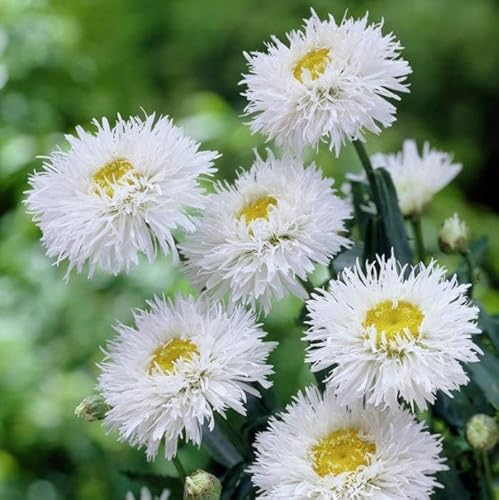
Daisies are perfect for brightening up small balcony gardens. They’re ways to grow and don’t require much in the way of care so are a great choice for beginner gardeners.
Care Requirements
Water them regularly. Daisies need a lot of moisture but as with the others here – don’t waterlog the soil as it could cause root rot.
Fertilize monthly. Deadhead then spent blooms and remove any wilted flowers as it will help with new growth and keeps them looking fresh. Protect from pests. Watch for aphids and slugs and if spot any treat quickly to to keep your daisies healthy.
Ideal Conditions
Provide full sun. Daisies like at least six hours of direct sunlight every day. Choose soil that drains well.
Go for a quality potting mix so it drains properly and don’t let the water accumulate. Daisies like temperatures between 60 to 70°F.
Make sure their pots have drainage holes. The right drainage will stop water from stagnating and help the roots to stay healthy.
Good airflow is important. Having proper air circulating will reduce the risk of fungal diseases and keeps the plants healthy.
Fuchsias
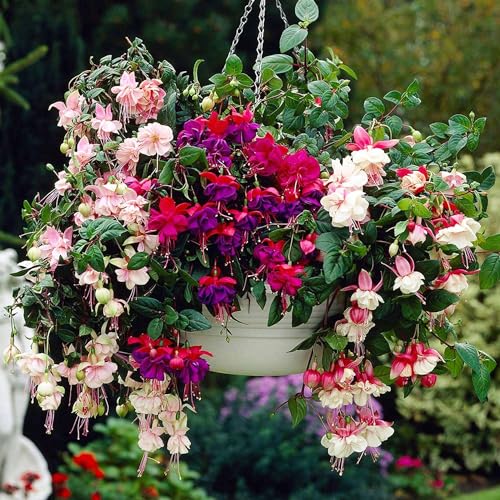
Fuchsias are lovely and have wonderful bell like flowers. They’re really charming and unlike many other flowers.
Care Requirements
Water fuchsias regularly keeping the soil moist but not waterlogged. Prune them occasionally and you will get bushier growth and more flowers.
Use a balanced fertilizer every two to four weeks during the growing season.
Ideal Conditions
Put fuchsias in a spot with partial shade, as too much sun can burn their petals. They need to be in good draining soil to stop root rot.
Keep them protected from strong winds otherwise their stems will get damaged. And make sure the air flow is good around them (cause it stops fungus from developing)
Lobelias

Lobelias are great for small balcony gardens because they are trailing plants and will split over the edges of the pot or container they’re grown in. Which looks awesome.
Care Requirements
Water regularly, keeping the soil moist but not waterlogged. Prune the flowers and you’ll get more blooming during the growing season.
Use a balanced fertilizer every two weeks to improve the growth and flowers. Check for pests such as aphids and spider mites, treating them as fast as you can so they don’t cause any problems.
Ideal Conditions
Grow lobelias in full sun to partial shade to get the best flowers. Well draining soil will stop root rot.
Put them in hanging baskets or containers with good drainage holes and you will get the trailing growth. Lobelias like cooler conditions and can struggle in extreme heat. So moderate temperatures are best.
Nasturtiums

Nasturtiums are versatile and look great on a small balcony garden. They’re beautiful but also edible!
Care Requirements
Water nasturtiums moderately. You want it moist but not waterlogged. Too much fertilizer can give you lots of foliage but not many flowers.
Prune regularly to get new growth. Watch out for pests like aphids.
Ideal Conditions
Nasturtiums need full sun to get them growing and flowering well. They love soil that drains well and has a pH between 6.1 and 7.8. They do accept poorer soils better than heavily fertilized ones too.
Make sure they have good air flow to stop any fungal diseases.
Cyclamens
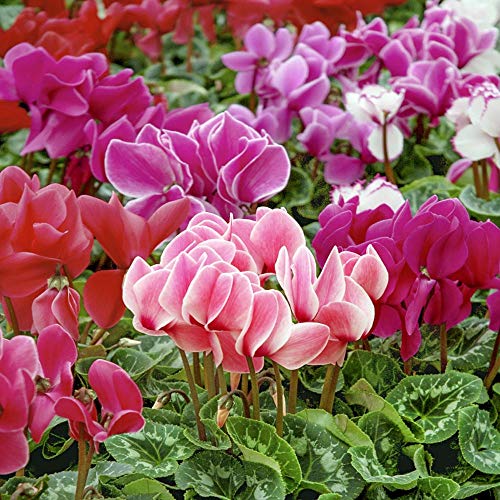
Cyclamens are a wonderful choice if you want some color on your balcony garden during the cold months.
Care Requirements
Watering: Cyclamens need regular watering but don’t like soggy soil. Water from below to avoid wetting the leaves as this can cause rot.
Feeding: Fertilize every two to four weeks with a balanced liquid fertilizer.
Pruning: Remove spent blooms and yellow leaves to keep the plant health.
Pest Control: Watch for aphids and spider mites.
Ideal Conditions
Light: Place your cyclamens in a spot with bright, indirect light to keep them thriving.
Temperature: Cyclamens like cooler temperatures. Somewhere between 50 to 68°F. Avoid putting them near heat sources or in drafts.
Soil: Use slightly acidic soil that has good drainage as it will stop root rot.
Humidity: They like moderate humidity. So use tray of water as a humidifier and put it near them. It can stop the blooms from wilting.
Chrysanthemums
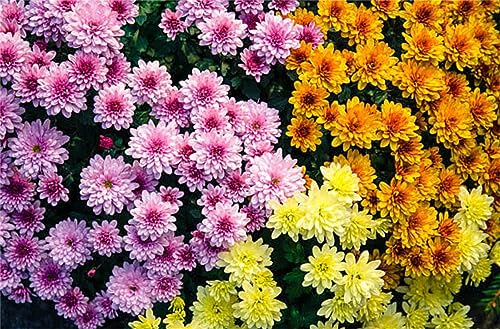
Chrysanthemums (or “mums”) are quintessential fall flowers that will give you some color when most of the other flowers are fading.
Care Requirements
Watering is really important for chrysanthemums. So water them consistently but don’t let the soil get soggy. It could lead to root rot.
Fertilize them every 2 to 4 weeks with a balanced fertilizer as it will support their growth and flowering. Prune spent blooms and yellowing leaves.
Ideal Conditions
Chrysanthemums like the full sun so check they get at least 6 hours of direct sunlight each day. Plant them in soil that drains well. Organic matter will help the soil to keep the right moisture level.
They also like cooler nights so they’re ideal for fall planting. If your balcony gets strong winds you can make an effort to protect them so they don’t get damaged.
Snapdragons
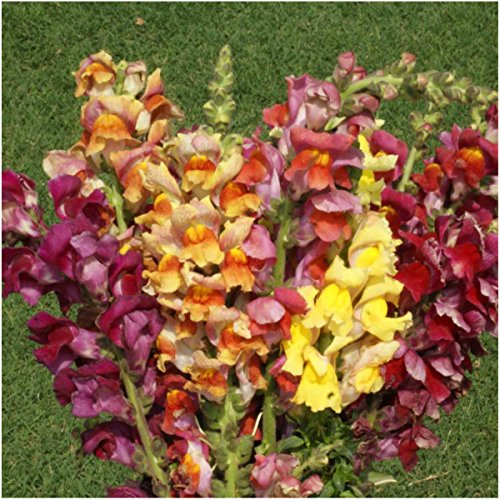
Snapdragons are colorful and tall. Then will catch the eye and look fab.
Care Requirements
Water regularly to keep the soil moist but not soggy. Fertilize every 4 to 6 weeks. Pinch back the stems and prune spent flowers.
Ideal Conditions
Snapdragons want full to partial sun. They need at least 4 to 6 hours of direct sunlight every day.
Plant them in soil that drains well which also had a good amount of organic matter. They like cooler temperatures, ideally between 55 to 75°F. Good air flow is important to stop mildew and other fungal diseases.
Sweet Alyssums

Sweet alyssums are a great option for small balcony gardens. They smell nice, spread out and cover ground will having a simple, elegant look that doesn’t take up too much space.
Care Requirements
Watering regularly will make sure sweet alyssums grow and are happy. They need a decent amount of moisture but don’t overwater them.
Pruning spent flowers keeps them blooming throughout the season. Fertilizing with a balanced fertilizer every 4 to 6 will make them growth healthily.
Ideal Conditions
Full sun to partial shade gives the best light for sweet alyssums. They really do well in soil that’s well draining and full of organic matter.
Cooler temperatures are perfect for getting them to flower, which makes them work very well in the spring and fall.
Avoid any extreme heat though as it stresses them. Wind protection is a good idea if your balcony gets strong winds.
Sweet alyssums are also tough and can out up with a light frost, so they’re good in a variety of climates.
Final Thoughts
Creating a small balcony garden is so rewarding. And by choosing the right flowers like marigolds, begonias, zinnias etc. you can make your space special to you and what you like.
And you can find a perfect flower for every season. Each plant will have their own specific care needs but the effort is well worth it.
These 15 perfect flowers will have hopefully inspired you to get started on your small balcony garden.

