
Hanging baskets brighten up any outdoor space. Patios, balconies or just a corner of your garden can be made into something special with some trailing vines and beautiful flowers.
But you’ve got to choose the right plants for your hanging baskets. Get it wrong and it’ll look a little odd. Or worse – a total mess. So you need flower and plants that fit in and work with your space.
The plants found here are all great for hanging baskets and will turn them into the highlight of your garden. From bright flowers that attract pollinators to tough plants that can withstand the elements you’ll find something perfect for your baskets.
1. Sweet Alyssum

Sweet Alyssum are relatively easy to grow and don’t need a lot in the way of looking after. So they’re perfect for hanging baskets!
Characteristics and Care
They only need regular watering and feeding occasional. They grow quickly and can flower within 6 to 8 weeks once you’ve planted them.
Deadheading spent flowers will encourage them to bloom more and make your baskets look fresh all season.
Best Conditions for Growth
Put them in full sun to partial shade to get the best growth. Soil that drains well is perfect and they’re able to deal with light frost.
Ideal temperatures range from 55°F to 75°F. Plant them early in spring or fall to get the best results. And keep the soil moist but not waterlogged.
2. Trailing Lobelia

If you want a cascading plant then trailing Lobelia is a great choice. They have blue, violet and white flowers and look fantastic in hanging baskets.
Varieties to Try
Look at varieties like ‘Regatta Sky Blue’ for sky blue flowers or ‘Sapphire’ for deep blue ones with white centers. They’ll look amazing in contrasts with your other banging plants. ‘White Lady’ is another excellent choice if you prefer pure white blossoms.
Watering and Sunlight Requirements
Make sure Lobelia gets consistent moisture as it doesn’t like dry conditions. Water regularly keeping the soil evenly damp but not waterlogged.
Put your hanging basket in a spot that gets partial to full sun and at least 4-6 hours of light a day. This will give it the best growth.
3. Petunias

Petunias are easy to care for and look amazing so are a popular choice for hanging baskets. They come in so many colors so will add brightness to wherever you use them.
Maintenance Tips
Water often to keep the soil moist but not waterlogged. They need full sun for at least 6 hours a day to do well.
Pinch back the stems often as it will encourage them to have bushier growth and more flowers. Use a liquid fertilizer every two weeks during the growing season. And deadhead the spent flowers so you get lots of blooming.
Complementary Pairings
Pair petunias with plants like Bacopa to get a wonderful cascading effect.
They can be combined with Lobelia for a mix of bright blues.
Calibrachoa, which has a similar growing habit, will make a fuller basket if you paint them together. Trailing varieties like Sweet Potato Vine make an interesting contrast in color and form.
4. Begonias
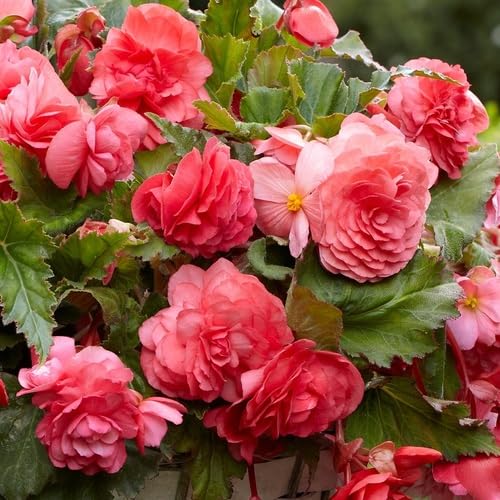
Begonias are incredibly easy to look after and bring brightness to your space.
Unique Features
Begonias have a huge amount of colors and patterns. Their blooms range from white, pink, red and even yellow.
The foliage often has interesting shapes and textures with some varieties having bronze or variegated leaves. Along with being beautiful to look at they also do well in both shaded and partially sunny spaces.
Optimal Growing Conditions
Begonias like moderate temperatures between 60°F and 75°F. A good amount of moisture and well draining soil will have them growing at their best.
Put them in areas with partial shade to protect them from direct afternoon sun. Trim the spent flowers and leaves on a regular basis. And a balanced fertilizer applied every few weeks will help them to stay bright and healthy.
5. Fuchsia

Fuchsias have dangling flowers that look like bells and work brilliantly in hanging baskets. They will catch the eye wherever you put them in your garden.
Flowering Patterns
Fuchsias produce a lot of flowers that hang beautifully from their stems. You can find fuchsias in combinations of pink, purple, red and white.
Varieties like ‘Swingtime’ and ‘Dark Eyes’ are popular because of their strong colors and how many flowers they grow.
They flower from late spring through to early fall, so you get lots of color.
Care Instructions
Fuchsias do best in soil that drains well and likes partial to full shade. So ideal for shared areas in your garden.
Water them consistently to keep the soil moist but not waterlogged. And feed them every two weeks with a balanced fertilizer.
Prune back spent flowers to get new growth and to keep the plant looking tidy. And protect them from extreme heat as high temperatures will stress them, stopping them from flowering.
6. Ferns
Ferns are wonderfully cascading and trailing plants. They’re also very easy to look after.
Best Species for Hanging Baskets
Boston Fern: Offers arching fronds that create a full look. It does well in indirect sunlight and so is perfect for shaded patios or even indoors.
Maidenhair Fern: Features have delicate fronds and is great for adding a some elegance. It does best in bright, indirect light and high humidity.
Asparagus Fern: Despite its name it’s not a true fern. It has fine leaves that are like needles which spill over the basket’s edge. It’s tough and can tolerate rough conditions, including indoors.
Care and Maintenance
Watering: Ferns need consistent moisture but the soil shouldn’t get waterlogged. Water when the topsoil feels dry when you touch it.
Proper Humidity: Ferns like lots of humidity. So mist your ferns regularly or use a humidifier, especially in dry environments.
Offer Indirect Light: Most ferns do well in indirect light. Don’t put them in direct sunlight as it can burn them.
Feed Regularly: Use a balanced fertilizer every month during the growing season to keep them healthy.
7. Calibrachoa

Calibrachoa, also called Million Bells, blooms a lot and makes for a wonderful display.
Growth Habit
Calibrachoa trails and will grow over the edges of hanging baskets. It can get to a height of 6 to 12 inches and spreads up to 24 inches wide. Which makes it great for adding both volume and color.
You don’t have to deadhead it much but doing so will encourage it to bloom more.
Soil and Fertilization Needs
Use soil that drains well to keep Calibrachoa healthy. A good quality peat beard potting mix that holds moisture is also important.
Fertilize every two weeks with a balanced fertilizer. Avoid overfertilizing though as you can end up with fewer flowers. And keep a close eye on the moisture, especially in the hot weather.
8. Lavender
Lavender is perfect for hanging baskets. Along with having a wonderful scent its purple flowers are just beautiful.
Varieties Suitable for Baskets
English Lavender and French Lavender both work well for hanging baskets. Compact varieties like ‘Hidcote’ or ‘Munstead’ are also good choices as they’re smaller yet still have that fantastic scent. They will all work because of their manageable size and how much they bloom.
Pruning and Harvesting Tips
Pruning keeps your lavender in shape. Trim back by about a third after it blooms to encourage new growth.
Regularly deadhead the spent flowers too. For harvesting cut the stems before the flowers open up fully. This will make sure you get the most fragrant oil. You can use the harvested lavender for sachets or in dried arrangements.
9. Nasturtiums

Another beautiful flower that is ways to grow and look beautiful in hanging baskets.
Planting and Propagation
Choose a sunny spot for your Nasturtiums since they really like the full sun. Use a lightweight potting mix to so you get good drainage.
Plant the seeds directly in the basket and space them about 3 inches apart. Water them thoroughly and keep the soil moist until they germinate. This will be in about 7 to 10 days.
Benefits and Uses
Nasturtiums are beautiful as a flower but can also be used in cooking. They are often added to salads and have a sort of peppery taste.
They also attract insects that help in your garden. Ladybugs, for example, keep away pests such as aphids. So nasturtiums are wonderful companion plants for other plants and flowers.
10. Ivy Geraniums

Flowering and Foliage Features
Ivy geraniums have flowers that come in red, white, pink and lavender. The leaves are what makes them similar to ivy and those stay throughout the growing season.
Year-Round Care
Put them in a spot that receives full sun to partial shade. Water consistently and keep the soil moist but not waterlogged.
Fertilize every two weeks during the growing season with a balanced fertilizer. In the colder months bring the plants indoors to somewhere that is cool and bright and then water moderately.
11. Edible Strawberries
Growing edible strawberries in hanging baskets is fantastic because you can enjoy some fresh strawberries that are right at your fingertips.
Cultivating in Hanging Baskets
Choose everbearing or day neutral strawberry varieties as they will last longer.
Make sure the basket has good drainage so the roots don’t rot. A high quality potting mix will give your strawberries the nutrients they need too.
Put the baskets in a sunny spot as strawberries need at least 6 hours of sunlight every day.
Harvest and Maintenance
Check the berries regularly so you can pick and enjoy them when they’re at best – fully red and nice and juicy. And don’t forget to remove any overripe or damaged fruit as they will attract pests.
Trim any runners (that is the long stems coming from the main plant) if you want to get more fruit rather than have the plant spread. Prune dead leaves to keep the plant healthy. You should also protect them against the frost by bringing the baskets indoors or covering them during the cooler months.
12. Bee Balm
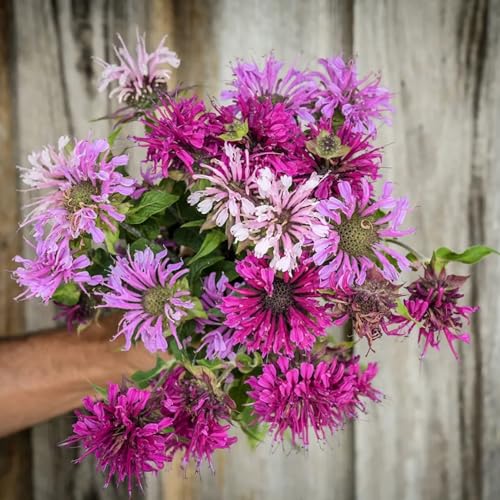
Bee Balm will bring to your hanging baskets or garden pollinators like bees, butterflies and hummingbirds.
Plant Shades and Textures
Pick Bee Balm varieties with shades ranging from bright red and pink to purple and white. Having a diversity of colors will make your hanging baskets stand out. They also have textured leaves with a minty scent that you’ll smell when you rub against them.
Care Routine
Put your Bee Balm in an area that receives full sun to partial shade. Water the plant regularly checking the soil stays consistently moist but not waterlogged. Feed with a balanced fertilizer monthly during the growing season.
Deadhead spent flowers and prune the plant in late fall so it stays healthy. Regularly check for powdery mildew, a common issue, and treat it immediately to stop it causing any problems.
13. Impatiens
Impatiens have eye catching flowers that do brilliantly in shaded areas and are very simple to care for, making them a good option if you’re a busy gardener.
Color Range
Impatiens come in a wide range colors. Reds, bright pinks, purple, oranges, whites etc. Varietals like ‘Accent Red’ or ‘Super Elfin XP White’ have gorgeous blooms. By mixing different colors you can create a a display that will impress everyone.
Light and Watering Requirements
Impatiens are at the best in partial to full shade which makes them great for areas not getting direct sunlight. They must be watered consistently though to keep the soil moist (but avoid waterlogging). Water in the morning to reduce the risk of mildew.
14. Trailing Herbs
Best Herbs for Hanging Baskets
Growing herbs in hanging baskets is both practical and fun. Trailing herbs like oregano, thyme and mint do excellently in these setups. Use good draining soil and put the baskets in a sunny spot for the best results.
Usage and Preservation
Harvest the herbs often as you’ll get even more growth. Use the fresh herbs in cooking or dry them for later. Hang dried herbs in a cool, dark place, then store them in airtight containers to keep them fresh and so they don’t loose their flavor.
15. Trailing Dichondra
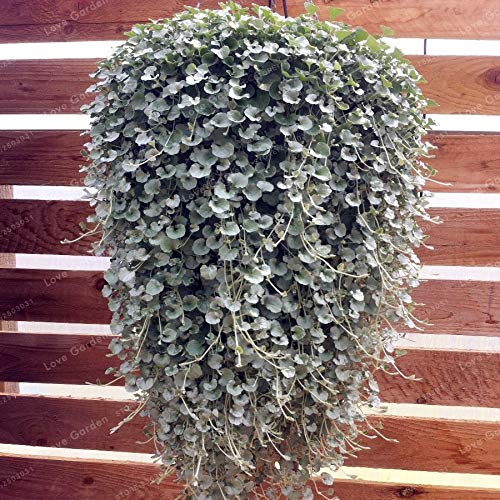
Trailing Dichondra is perfect for hanging baskets. You’ll love the way it cascades from your basket.
Growth and Maintenance
You can make sure your Trailing Dichondra grows well by planting it in soil that drains well. Put your baskets in areas with partial to full sun as Dichondra prefers bright light but can tolerate some shade. Water the plant regularly keeping the soil lightly moist but definitely not soggy.
Feed Dichondra with a balanced fertilizer every month during the growing season. Trim back any vines that are growing too much if you want to keep it looking neat. Dichondra is good at resisting pest and disease resistant.
Final Thoughts
These 15 fantastic plants that are well suited for hanging baskets gives you so many options for making a really special space. From a wonderful display to a herb garden, hanging baskets are versatile and fantastic ways to enjoy flowers and plants.

