
A garden that is bursting with color regardless of the season is what we all want, right?
Well its very possible with the right choice of flowers. Year round bloomers not only keep your garden lively but also benefit it by attracting pollinators (as well as adding curb appeal to your home).
So with that in mind the following 15 flowers defy seasons and give you lovely blooms throughout the year. These perennial beauties will bring wonderful color to your garden whatever the season or time of year.
Geraniums

Geraniums are wonderfully colorful and versatile for gardens of all sizes.
Varieties For Every Garden
Geraniums come in a really wide range of varieties. Each of them has their own special qualities and distinctive colors.
For example zonal geraniums have large flowers that work well in garden beds and pots. Ivy leaved geraniums are perfect for hanging baskets as they have trailing vines and beautiful flowers. Regal geraniums (known as Martha Washingtons) give you ruffled flowers that do well in the cooler weather.
Pick a variety or varieties that will work in your gardens climate and will suit the look of it.
Caring Tips
Water geraniums when the top inch of soil feels dry. Don’t overwater or it could result in root rot. Fertilize every 4 to 6 weeks to encourage geraniums to flower constantly.
Deadhead the spent flowers often to help with new growth. Make sure they get at least 6 hours of sunlight every day as they really love full sun. During the colder months protect them from frost by bringing any pots indoors or using frost covers.
Lantana

Lantana is a vivacious flower that comes in bright colors. It’s also known for being strength and toughness.
Sun Needs
Lantana does best in full sun. Its bright, multicolored flowers are really noticeable in sunny spots.
Plant lantana in well drained soil. You can add it to borders, plant in it in containers or use it as ground cover in your sunniest areas. The fact that it can withstand heat makes it a great option if your garden gets tons of sun.
Maintenance and Care
Lantana doesn’t need much in the way of care. So if you’re regularly busy it’s definitely worth considering. Just water it when the soil feels dry (but don’t overdo it).
Deadhead the spent flowers and fertilize them lightly during the the growing season. It will help to get it flowering more. And prune it occasionally so you don’t get leggy growth.

Begonias
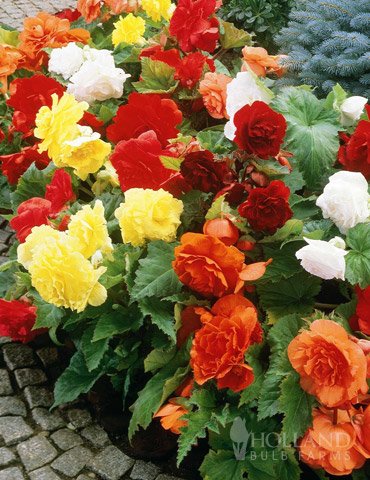
Begonias come in so many shapes, colors and sizes they can work and improve any garden.
Choosing The Right Varieties
As there are so many varieties of begonias it’s important to get the right one.
Tuberous begonias have large flowers that are ideal for shaded gardens. Rex begonias have striking leaves that bring some texture and color to your indoors.
Wax begonias are tough and can do well in both indoors and outdoors, so if you need some versatility they should definitely be high up your list. Angel Wing begonias, which look incredible, are another great option.
Watering And Light Requirements
Water regularly but let the top of the soup dry out between the waterings so the soil doesn’t get waterlogged. Most begonias prefer bright, indirect light. But some certain varieties, like wax begonias, can tolerate more sun.
They need at least 4 to 6 hours of filtered sunlight every day to get the best growth. Keep the humidity levels mid rate to high as well as that can help with the flowering.
Roses

Roses are a timeless flower that everyone loves and knows.
Choosing Varieties
Choose varieties like ‘Knock Out’ or ‘Iceberg’ as they bloom all year round. They are strong and flower through lots of the seasons. And it’s a good idea to choose roses that can withstand diseases and it will make looking after them simpler. Make sure they get full sun and soil that drains well for the best growth.
Pruning
Prune your roses regularly as it will encourage them to give you new growth. Use sharp, clean pruners to cut above buds that face outwards.
Remove any dead or diseased canes as it will make the air flow better. Prune them in the early spring and to keep them looking great and healthy deadhead the spent flowers all year.
Marigolds

Marigolds are some of the most bright and cheerful flowers you can add to your garden. On top of that they keep pests away. How could you not like them?
Where to Plant
Marigolds look great along the borders pf gardens. You can pair them with vegetables like tomatoes and peppers as they’ll keep pests away from them (and you’ll helpfully get lots of lovely veggies!).
And if you want marigolds on your patio then they work well in containers too.
Tips for Flowering
Marigolds will grow more flowers if you deadhead them regularly. They must get at least 6 hours of direct sunlight each day.
Water them moderately, keeping the soil slightly moist but not waterlogged. If you follow all of this your marigolds will bloom all year.
Petunias

Different Types
Petunias come in colors ranging from deep purples (e.g., ‘Purple Wave’) to bright reds (e.g., ‘Red Picotee’). Some varieties even have special patterns like edges or stripes. These will look great in your green and really standout.
Soil and Fertilization Needs
Soil that drains well and has a nice amount of organic matter will stop any root rot and make your petunias grow more healthily.
Fertilize with a balanced fertilizer every two weeks during the growing season. And don’t forget to water regularly without making it waterlogged. Deadheading often will also help with nee flowers.
Bougainvillea

Bougainvillea is another tough customer that will grow in lots of different climates.
Best Climbers
Bougainvillea stands out as one of the best climbers that also gives you lots of color. You get loads of bright, papery bracts that surround small white flowers. Plant them and you’ll get pink, purple, red, orange or white all over your garden.
It does best where it will has full sun and well draining soil, so that makes it perfecr for garden beds and container gardens.
Give it with a sturdy support like a trellis or pergola and will climb and spread beautifully. Bougainvillea’s toughness means it can deal with dry conditions, so you won’t need water it much.
Training and Pruning
You will probably need to train and prune your bougainvillea to keep it healthy and stop it from getting unruly.
Start by securing the main stems to your whatever support you’ve chosen. Use garden ties, they work well.
Regularly trim any branches that have grow too long or getting wild as it will stop the plant from becoming leggy.
Removing any dead or weak wood is a good idea too. You’ll be making the airflow around the plant better too which reduces the chances of it getting pests or diseases.
Impatiens
Impatiens are great for shady areas of your garden.
Best Spots
Plant impatiens where they will get partial to full shade. They do best under the canopy of trees or alongside taller plants.
Use them for edging garden beds, put them in pots on a shaded porch or even for decorating north facing windowsills. They will get protection from the direct sun, so won’t wilt, if you put them in thaw sorts of spots.
Managing Water and Pests
Water impatiens consistently and keep the soil moist but not soggy. Overwatering will end with to root rot. So they’ll need proper drainage. Try to water them in the morning and let the leaves dry during the day.
Keep an eye out for the usual pests and treat them quickly if you find any.

Hibiscus

Hibiscus can bloom all year round if you give them the right conditions. And their large flowers are hard to miss as well as looking amazing.
Choosing a Variety
Go for strong hibiscus varieties like Hibiscus moscheutos and Hibiscus syriacus. They can cope with different climates and will give you continuous flowering.
Look for varieties such as “Lord Baltimore” and “Blue Chiffon” which are strong/tough and come in gorgeous colors. Be sure whichever you get are free from pests and diseases when purchasing.
Care and Maintenance
Plant your hibiscus in a sunny spot and soil that drains well. Water them regularly but avoid waterlogging. Use a balanced fertilizer on a monthly basis during the growing season.
Prune after flowering and you will get better growth and flowers. Check for pests like aphids and spider mites and treat them promptly if you find any. Use mulch around the base of the plant to keep the roots cool and moist.
Periwinkles

Periwinkles will bring you lots of color and groundcover.
Benefits For Soil Health
Periwinkles have large roots that stop the soil from eroding, keeping things stable in sloped areas. They also improve the fertility of the soil over time by giving off organic matter as the leaves decompose. These roots help with the air in the soil too.
Mulching And Watering
Apply mulch around periwinkles to suppress weeds, hold on to the moisture in the soil and keep its temperature steady. Use organic materials like bark or straw for the best results.
Regular watering is important, especially during dry spells. Water deeply and but not that often as it will help to get the roots go grow deeper.
Salvia
Salvia, also known as sage, looks great and gives off a lovely scent.
Varieties That Bloom All Year Round
Look at Salvia ‘Hot Lips’ for lots of color. Its gorgeous red and white flowers bloom all year. Salvia ‘Wendy’s Wish’ will give you bright magenta flowers and is another excellent option.
For rich and deep blues try Salvia ‘Mystic Spires’. These varieties are tough and do well in lots of climates, so perfect for having a lively garden through all seasons.
For Borders
Use Salvia for eye catching borders. The tall spikes stand out, adding height and character.
Plant them in groups so they make a statement and have a real impact. They pair well with other perennials like lavender and rudbeckia.
Calendula

Calendula, also known as pot marigold, has lovely cheerful flowers you’ll get throughout the year.
Using As Companion Plants
Plant calendula alongside the likes of tomatoes, carrots and asparagus. It keeps away pests like aphids, thrips and tomato hornworms, so will protect your vegetables without you having to do anything. It also attracts insects that help, like ladybugs and lacewings which will also control garden pests.
Harvesting
Wait until calendula flowers are open and then harvest them. Dry them in a cool, dark place so they keep their color and medicinal qualities.
Use the dried petals to make things like teas or tinctures that treat skin irritations, wounds and digestive issues. Calendula-infused oil is great as a homemade skincare product.
Kalanchoe
Kalanchoe, also known as “Flaming Katy,” is a succulent with large blooms that brighten any space.
Varieties for Indoor And Outdoor
There are over 200 species of Kalanchoe, so you’ve got a lot to choose from. If you’re looking for something to have Indoors then go for Kalanchoe blossfeldiana. For using outdoors Kalanchoe pumila does well and had a wonderful pinky purple blossom. You pair different species together to make something really a lot interesting and noticeable.
Light and Watering
Put Kalanchoe in bright, indirect sunlight. They really want about four to six hours of light each day.
While they’re actively growing water them thoroughly but also not too often. And let the soil dry out between those waterings.
When the plant is in a dormant phase you can pull back on then the watering.
Chrysanthemums

Using in Floral Arrangements
Chrysanthemums are the perfect flowers for floral arrangements. You can choose from a range of colors like red, yellow, white and purple to match them to any sort of theme you have.
Use them as amazing centerpieces in large bouquets or add them as accent flowers for texture. They last for a long time too so your arrangement will stay fresh for weeks.
Seasonal Care
To get them growing at their best chrysanthemums need specific care.
Plant them in soil that drains well and mow sure they are getting at least six hours of sunlight every day. In the summer water them regularly but be careful not to overwater them.
During the fall trim back any dead flowers as it will allow for new ones to grow. Protect rheum from frost in winter by putting mulching around the roots or bringing any in pots indoors.
In spring the fertilize them and it will help with getting larger and lusher blooms. Regular pruning and deadheading will also make how long they bloom throughout the year longer.
Pelargoniums

Pelargoniums are often confused with geraniums because of the way they look. They have a wonderful scent and will give you year round blooms.
Distinguishing from Geraniums
Understanding the differences between pelargoniums and geraniums is going to be important for caring for them properly. Both belong to the Geraniaceae family but pelargoniums have asymmetrical flowers and upper and lower petals that are very distinct. True geraniums on the other hand, or hardy geraniums, have symmetrical blooms.
Pelargoniums do well as tender perennials or annuals depending on the climate. This is different to hardy geraniums which can withstand colder temperatures.
Growth Factors
Making sure pelargoniums grow and do so healthily will come down to a few factors. First, they need full sun for at least 6 hours a day to really give you lots of flowers. Second, soil that drains well is very important, as they will get root rot in wet conditions.
Third, moderate watering is necessary. Let the soil dry out between waterings to so you’re not overwatering. And lastly, regular deadheading of spent flowers and some occasional fertilizing with a will give you healthy blooms throughout the year.

