

Every beautiful garden has its secrets. And when it comes to growing ranunculus they need to have the right partners.
So the following plants are what actually works (and what definitely doesn’t) when it comes to companion planting these fussy flowers.
Understanding Ranunculus
Ranunculus are buttercup relatives, and have paper thin, multi-layered blooms that look delicate (and they are). But the real issue isn’t their fragility – it’s how they interact with their plant neighbors. Ranunculus have specific growing needs: well-draining soil, moderate watering and they absolutely hate competing for resources.
When I first started growing ranunculus years ago I thought I could just tuck them anywhere with decent sun. But as they have shallow root systems that get easily overwhelmed by aggressive growers. They’re also susceptible to certain diseases that other plants can harbor while showing no symptoms themselves.
Getting your companion planting wrong with ranunculus doesn’t just mean slightly smaller blooms – it can mean total failure. I’ve seen entire patches just give up when crowded by the wrong neighbors. Their growth becomes stunted, blooms become scarce and those that do appear look nothing like the lush, multi-petaled flowers you were promised on the bulb package.
What Makes Ranunculus Picky Neighbors?
- Their shallow root systems make them vulnerable to competition
- They’re prone to rot if surrounding plants create too much humidity
- They’re light-lovers that suffer when shaded by taller, faster-growing plants
- They prefer slightly acidic soil conditions that not all plants thrive in
Plants to Keep Away from Your Ranunculus1. Aggressive Vines and Climbers

Morning glories, clematis and other climbing plants are absolute nightmares for ranunculus. One year I foolishly planted some morning glory seeds near my ranunculus bed, thinking the vertical growth wouldn’t interfere. Within weeks, those innocent-looking vines had crept along the ground, tangling around my ranunculus stems and essentially choking them out.
The problem with these aggressive climbers is twofold: they compete fiercely for nutrients below ground and their spreading growth habit can physically overwhelm your ranunculus plants. Plus many vines create dense shade that prevents ranunculus from getting their required 6+ hours of daily sunlight.
Ways they harm ranunculus:
- Underground root competition depletes soil nutrients
- Vining stems can physically entangle and damage delicate ranunculus growth
- Create unwanted shade when they get established
- Many vines are allelopathic, releasing chemicals that inhibit the growth of neighboring plants
2. Thirsty Shallow-Rooted Annuals

Certain annuals like impatiens and begonias seem like they’d make good neighbors since they’re also relatively short and colorful. But these moisture-lovers need frequent watering that can spell disaster for ranunculus corms.
I’ve seen ranunculus planted by impatiens in a border go very wrong. By mid-spring the ranunculus were showing signs of rot because the soil stayed consistently damp to keep the impatiens happy. Remember, ranunculus need that cycle of drying out between waterings.
Problematic thirsty annuals:
- Impatiens
- Begonias
- Coleus
- Fuchsia
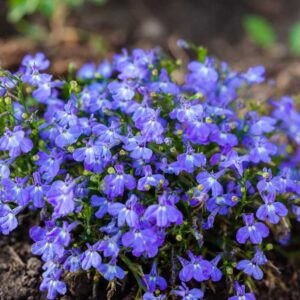
- Lobelia
3. Tall, Dense Growers
I once made the mistake of planting delphiniums behind what I thought would be a perfectly staged ranunculus display. The delphiniums shot up so quickly they blocked all the morning sun my ranunculus needed. On top of that their dense growth created a humidity trap that promoted fungal problems.
Plants like hollyhocks, tall dahlias and sunflowers might seem like good backdrops, but they quickly overshadow ranunculus both literally and figuratively. They not only block crucial sunlight but also create air circulation issues that can lead to disease problems.
Why they don’t work:
- Cast too much shade as they mature
- Often need staking which can damage ranunculus corms when poles are inserted
- Create pockets of humidity and poor air circulation
- Draw significant nutrients from the surrounding soil
4. Aggressive Self-Seeders

Plants like calendula, forget-me-nots and California poppies might seem innocent enough. But their aggressive self-seeding habits mean they’ll compete directly with your ranunculus, often winning the battle for resources.
Problem plants in this category:
- Nigella (Love-in-a-mist)
- Calendula
- Borage
- California poppies
- Forget-me-nots
5. Heavy Feeders
Crops like corn, tomatoes and potatoes are notorious for depleting soil nutrients. When planted near ranunculus, these heavy feeders can leave little for your flowering beauties. I once tried growing ranunculus in a bed that had housed tomatoes the previous season – the results were lackluster blooms half the size they should have been.
Major culprits:
- Corn
- Tomatoes
- Cabbage family plants
- Squash varieties
- Potatoes
6. Sprawling Ground Covers
That creeping thyme may seem like a good idea until it starts to encroach on your ranunculus patch. Ground covers like ajuga, creeping jenny and ice plant might keep weeds down but they’ll also crowd out ranunculus without mercy.
The issue is particularly problematic because many ground covers are perennial, getting more established each year. While ranunculus often need annual replanting in many climates. By the time you’re ready to plant new ranunculus corms that innocent-looking ground cover has claimed the territory.
Avoid planting these nearby:
- Creeping thyme
- Ajuga (bugleweed)
- Creeping jenny
- Ice plant
- Vinca minor

7. Plants with Similar Disease Susceptibilities

This one’s tricky because it’s not always obvious. Plants in the same family often share vulnerability to the same diseases. For ranunculus (in the Ranunculaceae family), other members like anemones, delphiniums, and hellebores can potentially share and spread diseases.
Potentially problematic relatives:
- Delphinium
- Anemone
- Clematis
- Hellebore
- Columbine
8. Plants with Opposite Soil Requirements
Ranunculus prefer slightly acidic to neutral soil (pH 6.0-7.0). Planting them near plants that alter soil pH can create stress. I made this mistake combining them with lavender, which prefers alkaline conditions, resulting in yellowing ranunculus leaves & sparse blooms.
Avoid planting nearby:
- Lavender
- Rosemary
- Carnations
- Dianthus
- Plants that prefer highly alkaline soil
9. Allelopathic Plants
Some plants engage in a form of chemical warfare. They release compounds that inhibit the growth of neighboring plants. Black walnut trees are the most famous example. But even common garden plants like sunflowers and chrysanthemums have mild allelopathic effects that can stunt ranunculus growth.
Known offenders:
- Sunflowers
- Chrysanthemums
- Wormwood
- Rue
- Any walnut trees (even at a distance)
10. Bulbs with Similar Growing Seasons
When I first started gardening I thought planting different spring-flowering bulbs together would create a beautiful display. But when I mixed ranunculus with daffodils the aggressive daffodil bulbs outcompeted my ranunculus for space and nutrients.
Spring-flowering bulbs that grow and bloom at the same time as ranunculus will compete directly for resources during their critical growth period.
Competition to avoid:
- Daffodils
- Hyacinths
- Tulips that bloom simultaneously
- Alliums
Good Companion Plants for Ranunculus
These are some companions that don’t have any issues with each other:
- Low-growing, drought-tolerant herbs like thyme and oregano (kept in check)
- Spring-flowering annuals like pansies and violas
- Ornamental grasses that won’t overshadow them
- Early-blooming perennials like bleeding heart
- Later-blooming bulbs like lilies that will take over as ranunculus fade
Tips for Successful Companion Planting
1. Give ranunculus pride of place. They’re show-stoppers that deserve center stage, not supporting roles. I arrange my garden beds with ranunculus as the focal point, surrounded by plants that enhance rather than compete.
2. Consider bloom times. Plants that flower before or after ranunculus are often better companions than those that bloom simultaneously and compete for pollinators and visual attention.
3. Plan for their dormancy. In most climates, ranunculus go dormant in summer heat. Partner them with plants that will fill in as they fade, like summer annuals or later-blooming perennials.
4. Remember their short stature. At typically 12-18 inches tall, ranunculus can easily be overshadowed. Place taller plants on the north side so they don’t block the sun.
5. Create breathing room. These flowers need good air circulation to prevent fungal issues, so avoid densely packing companions around them. I always give my ranunculus at least 6-8 inches of space on all sides.
Final Thoughts
Ranunculus arent the easiest garden residents but few plants offer such spectacular returns for your effort.
But successful companion planting isn’t just about avoiding bad neighbors – it’s about plants that bring out the best in each member.
For ranunculus, that means protection without competition, complementary colors without overcrowding and similar care requirements without resource battles.
Next time you’re planning your spring garden give your ranunculus some breathing room and compatible companions. Keep those aggressive growers, moisture-lovers, and towering shade-makers at a distance.
And if you make mistakes? That’s just gardening. There’s always next year to try again with the wisdom of experience — something every gardener accumulates season by season.
