
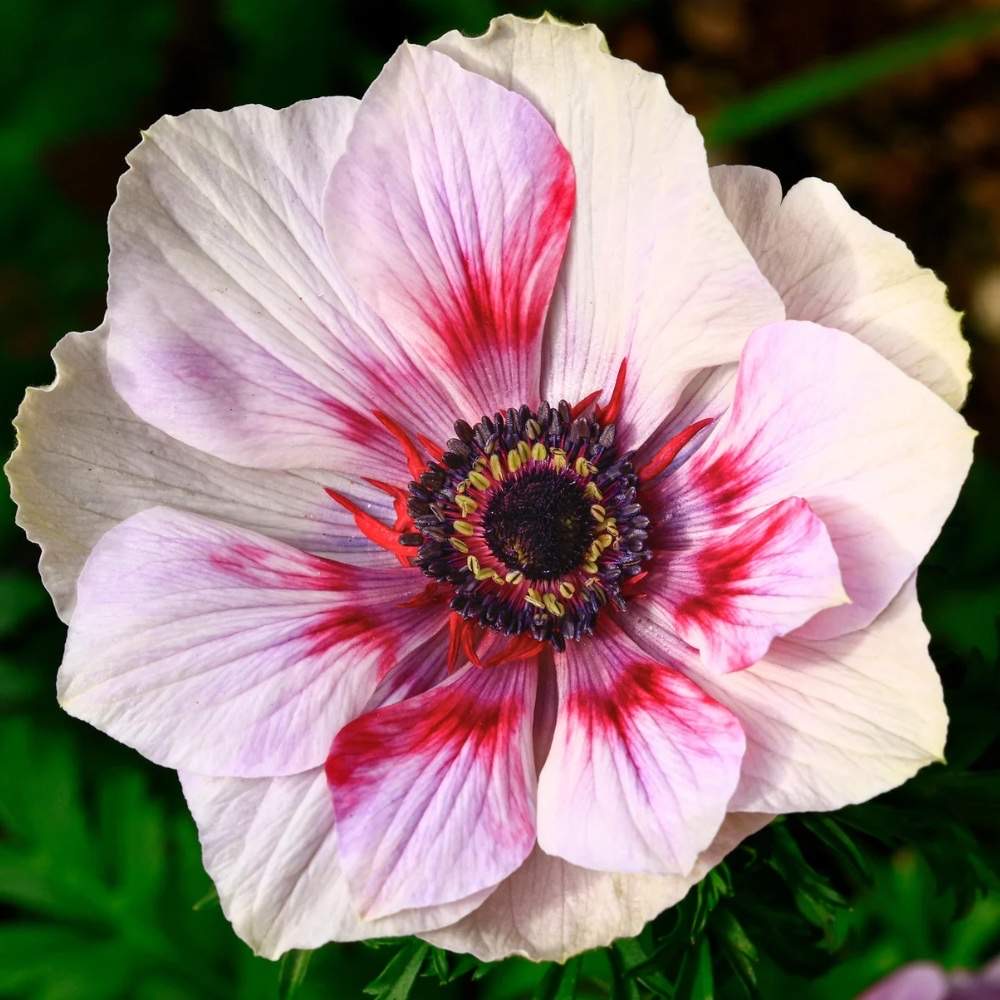
Anemones are delicate and beautiful flowers. But they need the right plants around them to work.
After a number of seasons watching what works (and more importantly, what doesn’t) with them I’ve put together what I consider the definitive list of plants to keep away from your anemones.
Understanding Anemone
I’m not going to sugarcoat it – anemones can be a bit high-maintenance. They have earned their nickname “windflowers” because they dance in the slightest breeze. But don’t let their delicate appearance fool you – they have specific needs that, when ignored, lead to disaster.
Anemones need their space, specific soil conditions and the right neighbors to truly thrive. Most species prefer well-draining soil with plenty of organic matter and partial shade (though some varieties handle full sun like champs). Their shallow root systems make them vulnerable to competition from aggressive neighbors.
The biggest mistake? Assuming they’ll just “work it out” with neighboring plants. They won’t. Anemones can be bullied by aggressive growers, shaded out by taller plants or simply starved of nutrients by heavy feeders planted too close.
Getting the companion planting wrong doesn’t just mean fewer flowers – it can lead to disease susceptibility, pest problems and in worst cases, complete failure. I’ve watched entire clusters disappear over a single season when placed with incompatible neighbors.
13 Plants to Never Plant with Anemone
1. Mint and Other Aggressive Herbs
Mint, oregano and other spreading herbs might seem innocuous, but they’re essentially the garden bullies. Their aggressive root systems will outcompete anemones for water and nutrients faster than you can say “garden mistake.”
Why they clash: Aggressive spreading habits, competitive root systems that strangle anemone’s more delicate roots.
2. Black Walnut Trees
This might seem obvious to experienced gardeners but my neighbor’s black walnut taught me a painful lesson when its roots extended into my garden. Anemones planted within its drip line simply failed to thrive due to the juglone (a natural chemical) that black walnuts release.
Why they clash: Black walnuts produce juglone, a natural growth inhibitor that’s particularly toxic to anemones

3. Most Ornamental Grasses
In the past I thought tall ornamental grasses would create a stunning backdrop for my white anemones. The reality? The grasses grew faster, sucked up all available moisture and left my anemones parched and stunted.
Why they clash: Competitive for moisture, many grass varieties have dense fibrous root systems that outcompete anemones’ more delicate roots.
4. Peonies

Both beautiful, both popular – should be perfect together, right? Nope. When I planted spring-blooming anemones near my established peonies the results were disappointing. The peonies’ dense growth and heavy nutrient needs left little for my anemones.
Why they clash: Compete for similar nutrients, peonies create too much shade as they mature.
5. Bamboo (Even “Contained” Varieties)
A garden designer friend once convinced me that “clumping, non-invasive bamboo” would make a perfect backdrop for tall anemones. Within two seasons I was digging up what remained of my anemone patch as bamboo shoots popped up throughout.
Why they clash: Extremely aggressive root system, creates too much shade, depletes soil moisture
6. Hostas
This pairing looks amazing in catalog photos but fails in real gardens. My attempt at creating a hosta-anemone border resulted in the hostas completely overwhelming the more delicate anemones, especially as the season progressed.
Why they clash: Mature hostas create deep shade that starves anemones of needed light, compete for water during critical growing periods
7. Aggressive Groundcovers (Ivy, Pachysandra, Vinca)
![Greenwood Nursery: Live Ground-Cover Plants - Pachysandra Terminalis + Japanese Spurge - [Qty: 50 Bare Roots] - (Click for Other Available Plants/Quantities)](https://m.media-amazon.com/images/I/51VGMbsuxqL._SL500_.jpg "Greenwood Nursery: Live Ground-Cover Plants - Pachysandra Terminalis + Japanese Spurge - [Qty: 50 Bare Roots] - (Click for Other Available Plants/Quantities)")
I once underplanted my Japanese anemones with what a garden center employee assured me was “well-behaved” ivy. Within a year the ivy had climbed the anemone stems and choked out nearly half my plants.
Why they clash: Will literally strangle anemones, compete aggressively at the root level, create too much ground-level humidity leading to fungal issues.

8. Sunflowers
Tall sunflowers behind fall-blooming anemones sounds charming. The reality is the sunflowers’ massive water and nutrient needs would leave the anemones struggling to survive.
Why they clash: Heavy feeders that deplete soil nutrients, create too much shade, shed allelopathic substances that can inhibit anemone growth.
9. Daylilies
This was a little bit of a surprise. I would have thought daylilies and anemones seemed perfect on paper. But the reality is they fight constantly underground. The daylilies’ thick roots literally push the anemones out of their space over time.
Why they clash: Compete aggressively for underground territory, different water needs (daylilies are more drought-tolerant once established)
10. Butterfly Bush (Buddleia)
The butterfly bush I planted near my white wood anemones grew so quickly that it completely overshadowed them by year two. The anemones stretched awkwardly toward available light and produced fewer blooms.
Why they clash: Grows too quickly, creates dense shade, aggressive water user during anemone’s critical growing period
11. Marigolds
I tried using marigolds as a pest deterrent near my fall-blooming anemones. But their strong scent seemed to repel not just pests but pollinators too. My anemones had noticeably fewer visitors and subsequently poorer seed set.
Why they clash: Chemical incompatibility, allelopathic effects that can stunt anemone growth
12. Aggressive Self-Seeders (Like Foxglove or Verbena bonariensis)
I loved the idea of tall, airy verbena dancing above my anemones. What I didn’t love? How quickly the verbena seedlings colonized the entire bed, crowding out the less aggressive anemones.
Why they clash: Will quickly outnumber your anemones through prolific self-seeding, creating competition
13. Trumpet Vine and Wisteria
I’ve witnessed wisteria near to an anemone border. Within two seasons, the wisteria’s underground runners had infiltrated the entire anemone patch making removal nearly impossible without destroying everything.
Why they clash: Extraordinarily aggressive growth habit both above and below ground, will literally consume anemones
Good Companion Plants for Anemone
These plants have proven themselves worthy companions:
- Early spring bulbs (daffodils, crocus) – they bloom before anemones emerge don’t compete for space
- Ferns – their growth habits complement rather than compete
- Astilbe – similar light and moisture preferences without aggression
- Coral bells (Heuchera) – their low-growing nature doesn’t overwhelm anemones
- Bleeding heart – blooms early then recedes as anemones emerge
Tips for Successful Companion Planting
- Give anemones their own dedicated space initially – at least 12 inches from aggressive neighbors
- Consider bloom times – pair spring-blooming anemones with summer/fall bloomers to extend garden interest
- Think about root systems – shallow-rooted companions are less likely to compete
- Monitor moisture needs – grouping plants with similar watering requirements makes maintenance easier
- Start with small companion plants – let the anemones establish before introducing potential competitors
The magic comes from watching your garden over multiple seasons. I keep a simple garden journal noting which combinations thrive and which fail – it’s been invaluable for preventing repeated mistakes.
Final Thoughts
Anemones, despite their delicate appearance, are survivors when given the right conditions. They’ve been gracing gardens for centuries because they reward careful placement with spectacular displays.
The most important takeaway? Be patient and observant. Sometimes what looks perfect in a garden plan becomes problematic in reality. Don’t be afraid to move plants if they’re clearly unhappy together.
My own garden has been rearranged more times than I can count as I’ve learned these lessons. Just keep the bullies at bay and your anemones will reward you with years of wonderful blooms that make fall gardens magical.
