
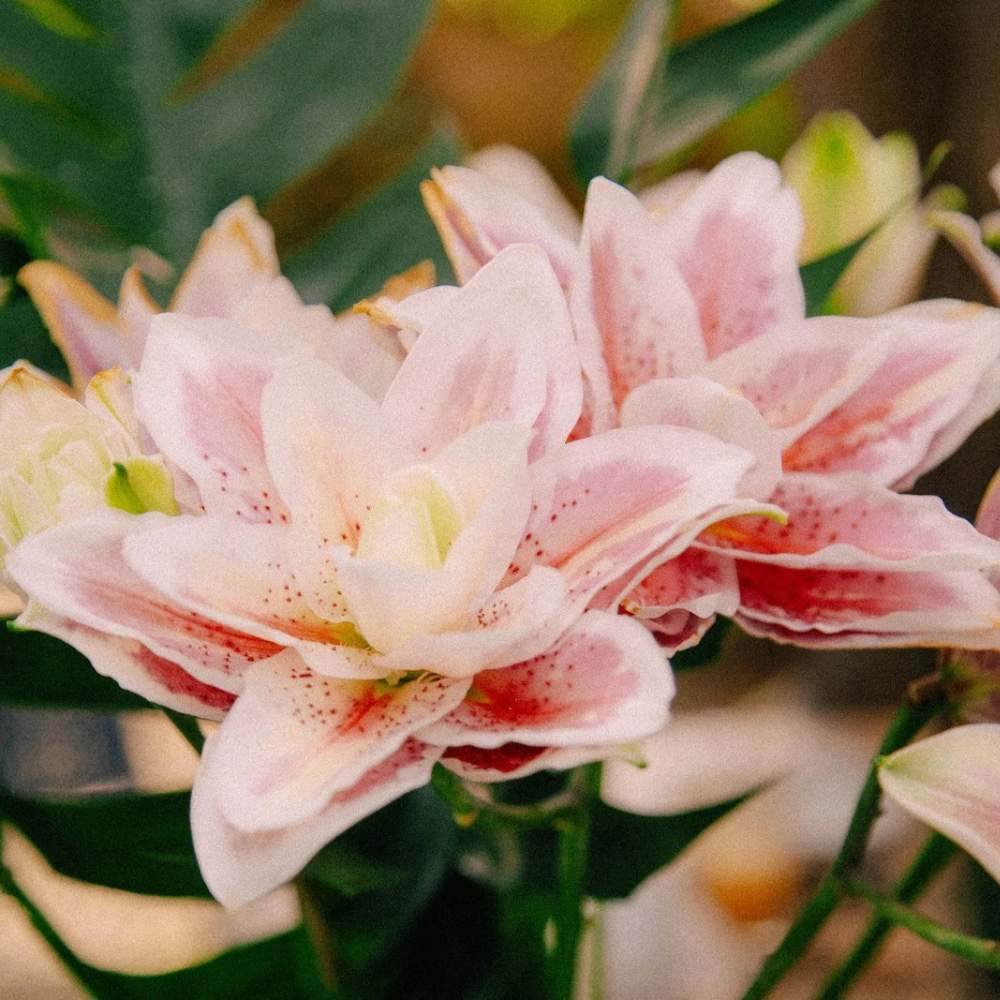
I’ve spent years growing lilies in everything from tiny balcony containers to sprawling garden beds. And I’ve killed enough lily plants to start my own compost business.
So let me save you the heartache and share what NOT to plant with these dramatic bloomers.
Understanding Lilies
The first time I planted lilies I stuck them in a crowded bed with just about everything else in my garden. Six weeks later I was staring at sad, stunted stems while my neighbor’s lilies were putting on a show worthy of a magazine cover.
The takeaway? Lilies have very specific needs. And they’re surprisingly fussy about their companions.
Why? Lilies have a unique growth pattern with shallow and deep roots that can easily compete with certain plants. They need good air circulation to prevent disease, plenty of sunlight to develop those gorgeous blooms and specific soil conditions to thrive. Plant them with the wrong neighbors and you’ll be lucky to get any flowers at all.
Understanding what not to plant with lilies isn’t just about preventing wasted money – it’s about creating the conditions for them to reach their full potential. So these are the plants that make terrible neighbors for lilies.
13 Plants Never to Plant with Lilies
1. Aggressive Herbs (Mint, Lemon Balm, Oregano)

I learned this one the hard way. These herbs might seem innocent enough, but underground they’re like garden thugs. Their aggressive root systems will invade lily bulbs’ space and literally strangle them. Last summer, my mint escaped its container, spread to my lily bed, and within months, my Stargazer lilies were history.
Why they’re incompatible:
- Incredibly invasive root systems that crowd out lily bulbs
- Compete aggressively for nutrients and water
- Can literally grow through lily bulbs, damaging them permanently
- Spread so quickly that lilies get overwhelmed before you notice the problem
If you absolutely must grow both, keep aggressive herbs in containers at least 3 feet away from your lily beds. Better yet, give them completely separate growing areas.
2. Deep-Rooted Vegetables (Tomatoes, Corn, Pumpkins)
That clever garden layout I planned putting lilies behind my tomatoes? Total disaster. Deep-rooted vegetables require heavy feeding and create too much competition for nutrients. Plus, most need regular watering schedules that simply don’t align with lilies’ needs.
The compatibility issues:
- Different watering needs (vegetables often need more consistent moisture)
- Vegetables require heavy feeding that can burn lily bulbs
- Different sun requirements throughout the growing season
- Vegetable roots can disturb and damage lily bulbs when harvesting

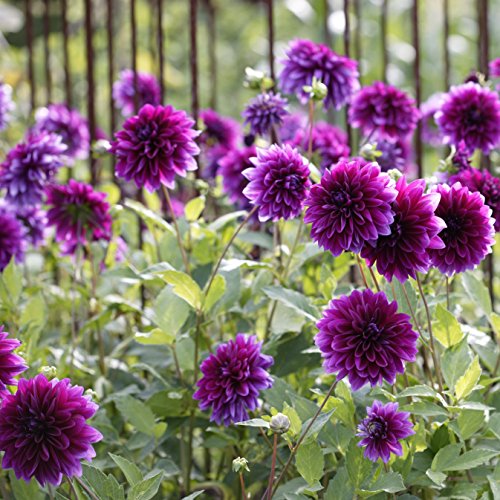
3. Tall, Dense Plants (Sunflowers, Hollyhocks, Tall Dahlias)
Sunflowers seem like they’d make great backdrop plants for lilies, right? Wrong. These giants cast too much shade and their massive root systems suck up every drop of moisture and nutrient within reach. My experiment with a “sunflower and lily border” resulted in spindly, stretched lilies desperately leaning toward any available sunlight.
What makes them bad companions:
- Create too much shade as the season progresses
- Extreme water and nutrient hogs
- Block crucial air circulation (leading to fungal issues for lilies)
- Can physically crush or damage lily stems when the weather turns stormy
4. Other Bulbs with Similar Growth Periods (Tulips, Daffodils)

This pairing seemed logical until I tried it. While these spring bulbs look gorgeous together, they compete directly for the same underground resources exactly when they both need them most. My mixed bulb border ended up with stunted plants all around.
The main issues:
- Direct competition for nutrients during critical growth periods
- Difficult to fertilize appropriately for both
- Challenging to dig and divide without damaging neighboring bulbs
- Can spread diseases between similar plants
5. Dense Ground Covers (Creeping Jenny, Pachysandra)

That Pinterest-worthy garden plan showing lilies emerging through a carpet of creeping ground cover? A complete fantasy. Ground covers might look pretty, but they create a moisture-trapping blanket that leads to bulb rot and fungal issues for lilies.
Why this combination fails:
- Traps excessive moisture around lily stems and bulbs
- Creates perfect conditions for botrytis (a devastating fungal disease)
- Competes for nutrients at the soil surface
- Makes it nearly impossible to manage lily bulbs seasonally
6. Shallow-Rooted Annuals (Impatiens, Petunias)

Last spring, I planted impatiens around my emerging lily stems, thinking they’d create a beautiful underplanting. By June, my lilies were stunted with yellowing lower leaves. Turns out these seemingly innocent annuals are fierce competitors for surface nutrients and water.
Problems with this combination:
- Compete directly for water and nutrients in the critical top layers of soil
- Often require more frequent watering which can lead to lily bulb rot
- Their maintenance (deadheading, fertilizing) can damage emerging lily shoots
- Create humidity problems around the base of lily stems

7. Woody Shrubs (Roses, Hydrangeas)
The classic garden combination of roses and lilies might look stunning in flower arrangements, but in the garden, it’s a recipe for disappointment. Woody shrubs have extensive root systems that will eventually choke out lily bulbs.
Why they clash:
- Shrub roots eventually dominate the soil space
- Different pruning and maintenance requirements
- Woody plants often attract different pests that may also damage lilies
- Nearly impossible to divide or manage lily bulbs once shrubs are established
8. Plants That Create Deep Shade (Hostas, Large Ferns)
This might seem obvious, but I still tried it. While hostas and lilies both enjoy similar soil conditions, mature hostas create too much shade for lilies to thrive. My “woodland garden experiment” resulted in stretched, spindly lilies with few blooms.
The shady issues:
- Insufficient light for proper lily stem and bloom development
- Lily plants become leggy and weak reaching for light
- Blooms are smaller and fewer
- Increased susceptibility to disease in reduced light conditions
9. Heavy Feeders (Cannabis, Corn, Sunflowers)
During my “experimental” phase (ahem), I planted lilies near heavy feeding plants. Big mistake. These nutrition-hungry neighbors depleted the soil so thoroughly that my lilies produced tiny, sad-looking blooms despite regular fertilizing.
The nutritional competition:
- Extreme competition for soil nutrients, especially nitrogen and phosphorus
- Different fertilizing requirements that can damage lily bulbs
- Soil depletion that affects lilies for multiple seasons
- Challenging to restore soil balance once depleted
10. Plants That Attract Lily Beetles (Fritillaria)
This was a gardening lesson I learned painfully. Certain plants attract the dreaded red lily beetle, which can decimate a lily collection in weeks. Fritillaria, while beautiful, is a favorite host plant for these destructive pests and will bring them straight to your lilies.
The pest problem:
- Acts as a breeding ground for lily beetles
- Creates a direct pest pathway to lily plants
- Requires more frequent pesticide applications
- Can lead to complete defoliation of lilies
11. Plants with Disease Vulnerability (Other Lilies with Different Resistance)
Different lily varieties have varying disease resistance. Mixing Asiatic lilies (generally more disease-resistant) with susceptible Oriental lilies created a disease pathway in my garden. Once botrytis hit one variety, it quickly spread to others that might have otherwise remained healthy.
The disease dilemma:
- Facilitates disease spread between different lily varieties
- Complicates treatment and prevention strategies
- Can lead to losing entire lily collections
- Makes proper diagnosis more difficult
12. Plants with Opposite Watering Needs (Succulents, Cacti)
That artistic container with lilies and succulents? Designer fantasy, gardening disaster. Lilies need consistent moisture while succulents and cacti prefer dry conditions.
The watering conflict:
- Impossible to meet both plants’ moisture requirements
- Leads to root rot in one or drought stress in the other
- Creates constant maintenance headaches
- Results in compromised health for both plants
13. Plants with Allelopathic Properties (Black Walnut Trees, Sunflowers)
Some plants actively kill their competition through chemical warfare. The black walnut tree releases juglone, a toxic compound that prevents many plants – including lilies – from growing properly.
The chemical warfare issue:
- Certain plants release growth-inhibiting chemicals into the soil
- Causes stunted growth, yellowing, and eventual death of lilies
- Effects can persist in soil even after removing the allelopathic plant
- No amount of fertilizer or care can overcome this chemical interference
Good Companion Plants for Lilies
Not all is lost though. After years of killing lilies with bad companions, I’ve found some great plant partners. Here are a few that actually work well with lilies:
- Low-growing Perennials: Coral bells (Heuchera), geraniums, and small ornamental grasses provide ground cover without competing aggressively
- Spring Bloomers that Go Dormant: Plants like bleeding hearts flower early then fade away just as lilies hit their stride
- Shallow-rooted Shrubs: Azaleas and small hydrangea varieties can work if given enough space
- Non-aggressive Annuals: Sweet alyssum, lobelia, and small marigolds can provide color without stealing resources
In my front garden, the combination of lilies with coral bells has been spectacular for three years running. The coral bells provide attractive foliage all season while the lilies burst through with their dramatic blooms.
Tips for Successful Companion Planting with Lilies
These are a few practical tips for successful companion planting:
- Buffer Zone: Leave at least 12 inches between lilies and other perennials to reduce competition
- Staggered Planting: Place companions so their mature size won’t overshadow lilies
- Root Depth Consideration: Pair lilies with plants that have different root depths to reduce competition
- Similar Water Needs: Group plants with comparable moisture requirements
- Disease Resistance: Choose companions that don’t share lily diseases
Final Thoughts
Lilies are worth the effort. Despite my many failures, I keep growing them because nothing else delivers that combination of fragrance and elegance in the garden. The key is respecting their prima donna nature and giving them appropriate companions.
But remember that the best garden is one that brings you joy, even if it’s imperfect. My lilies certainly aren’t growing in picture-perfect conditions, but they’re healthy, blooming and making me smile – and that’s what really matters.
If you’re just starting with lilies, learn from my mistakes and give these spectacular flowers the growing conditions they deserve. Your reward will be years of stunning blooms that make all the fuss worthwhile.
