
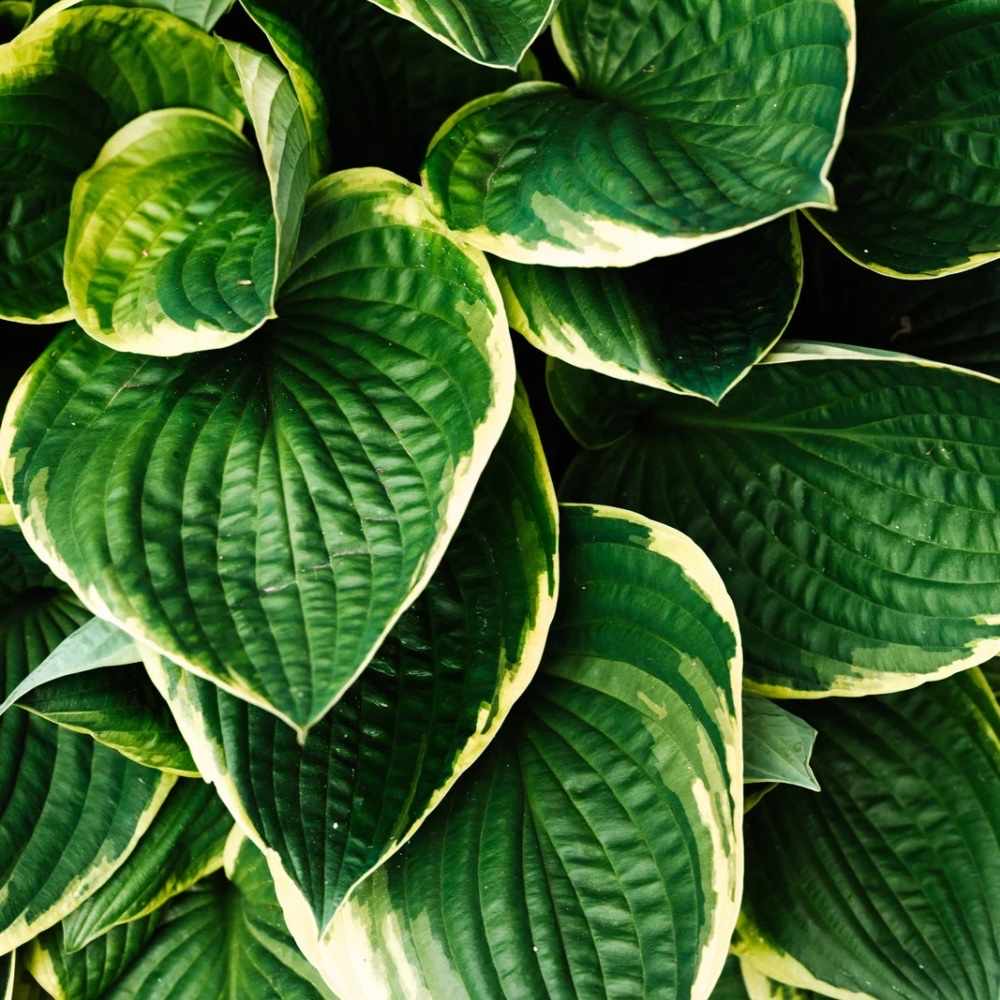
I’ve been growing hostas for over a decade now, and they’ve taught me more lessons about gardening partnerships than my last three relationships combined. They may seem easy going at first glance but they can be surprisingly picky about their garden companions.
After years of watching my hostas thrive, struggle and sometimes flat-out give up because of poor planting choices, I’ve learned what works and what absolutely doesn’t. And I’m going to share with you the plants and flowers that you absolutely should avoid planting with them.
Understanding Hostas
Hostas show up every spring, rarely complain and fill those difficult shady spots with foliage when other plants would just give up and die. With over 3,000 varieties ranging from tiny ‘Mouse Ears’ to massive ‘Blue Whales,’ there’s a hosta for practically every garden situation.
But here’s the thing most garden centers won’t tell you when you’re loading up your cart with them – hostas have specific needs that make some plant partnerships absolute disasters. I learned this the hard way when I surrounded my prize ‘Guacamole’ hostas with plants that seemed like logical companions but turned out to be their worst enemies.
Hostas need three main things to thrive: partial to full shade (depending on the variety), consistent moisture and rich, well-draining soil. They’re relatively shallow-rooted plants that can be bullied by aggressive neighbors, outcompeted for nutrients or simply stressed by incompatible growing conditions.
Getting your companion planting wrong with hostas usually means one of three outcomes:
1. Stunted growth and smaller leaves
2. Increased vulnerability to pests and diseases
3. Complete failure to thrive despite proper care
Plants NOT to Plant With Hostas
1. Black Walnut Trees
If you’ve ever wondered why nothing grows well under your black walnut tree, here’s your answer: juglone. This natural compound released by black walnut trees is basically plant poison for hostas.
The roots of black walnut trees release juglone into the soil, creating a toxic zone that extends well beyond the tree’s drip line. Even if you plant hostas at what seems like a safe distance, the underground root system can still affect them. And it’s not just the roots – fallen leaves and nuts contain juglone too, creating a slow release poison system that hostas simply can’t tolerate.
Try it: Check Any Two Plants for Compatibility
Use the checker below to see how any two of your plants will get along – pick one from each side and we’ll tell you whether to plant them together or keep them apart.
Plant Compatibility Checker
Select two plants to check if they are compatible companions in your garden.
Compatibility Results:
2. Aggressive Ground Covers like English Ivy

English ivy might look innocently beautiful scrambling across your garden, but it’s a silent hosta killer. The fast-growing vines will quickly overwhelm hostas, stealing water and nutrients while physically smothering their growth. I once had a patch of ‘June’ hostas completely disappear under a tide of ivy that I’d naively thought would make a “nice ground cover.”
What makes it dangerous:
- Competes aggressively for water and soil nutrients
- Creates a physical barrier that can block new hosta shoots
- Once established, it’s incredibly difficult to remove without damaging hostas
- Can harbor pests that damage hostas

3. Bamboo
The allure of bamboo is understandable – who doesn’t want that zen garden vibe? But trust me on this one: bamboo and hostas are mortal enemies. Running bamboo varieties are the worst offenders, with underground rhizomes that will literally strangle your hostas from below.
Bamboo’s aggressive root system will outcompete hostas for every resource, and the dense foliage creates deeper shade than most hostas can handle. Even “clumping” bamboo varieties should be kept far away from your prized hostas.
4. Shallow-Rooted Trees (Maples, Birches)
While hostas love tree shade, some trees make terrible partners. Maples and birches might seem like logical companions, providing the perfect dappled light hostas crave. The problem is below ground – these trees have notoriously shallow, aggressive root systems that compete directly with hostas.
For example, if you had an old maple in your backyard you would want to keep your hostas at least 10 feet beyond its drip line. Any closer and the tree roots will steal every drop of water and nutrient before your hostas can get their share.
5. Large Ornamental Grasses
Those stunning miscanthus or pampas grass varieties look amazing in garden catalogs, but plant them near hostas and you’re asking for trouble. The problem is two-fold: most ornamental grasses prefer sun (creating conflict with shade-loving hostas), and their vigorous root systems are hosta nemeses.
I once thought a nice border of zebra grass would complement my hosta bed. Within two seasons, the grass had invaded the entire area, sending underground runners throughout the bed. My hostas started showing signs of stress – smaller leaves, slower growth, and increased slug damage as their vigor declined.
6. Plants That Require Dry Soil (Lavender, Rosemary)

Mediterranean herbs like lavender and rosemary need excellent drainage and relatively dry conditions to thrive. Hostas, on the other hand, love consistent moisture. Try to make these plants happy together and you’ll end up with either drowned herbs or dehydrated hostas.
The fundamentally different water requirements make this pairing doomed from the start. I learned this when I tried to edge a hosta bed with lavender – thinking the contrast would be stunning. The hostas looked increasingly stressed whenever I kept the soil dry enough for the lavender, and the lavender rotted when I watered to the hostas’ satisfaction.
7. Full-Sun Perennials (Echinacea, Rudbeckia)
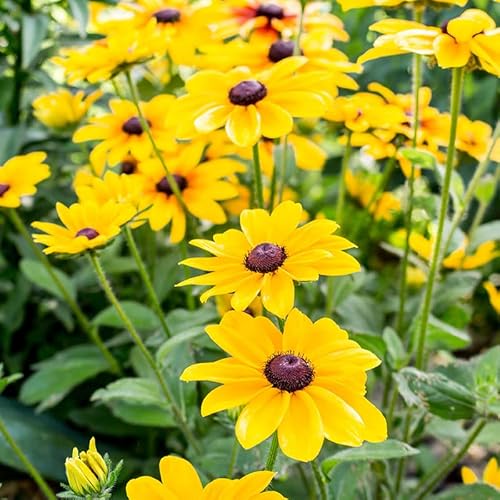
This mismatch seems obvious, but I see it all the time in garden plans. Sun-loving perennials like coneflowers and black-eyed Susans need exactly what hostas don’t want – direct sunlight. While there are some hosta varieties that can tolerate morning sun, forcing them to compete with full-sun lovers creates stress for both plants.
The light requirements are simply incompatible. I tried this combination once, thinking I could find a middle ground with part-sun exposure. The result? Leggy, stretched-out sun perennials and burned, stressed hostas. Nobody was happy in this arrangement.

8. Thirsty Shrubs (Hydrangeas)
Hydrangeas might seem like natural hosta companions since they both appreciate shade and moisture. The problem is that most hydrangeas are water hogs that will outcompete hostas every time. Their expansive root systems can draw down soil moisture rapidly, leaving hostas high and dry.
I have both plants in my garden but keep them in separate beds for this very reason. When I’ve seen them planted together, the hostas almost always show signs of drought stress by mid-summer, even with regular watering.
9. Plants With Aggressive Root Systems (Mint Family)
Never, ever plant members of the mint family anywhere near hostas. This includes actual mint, bee balm and many other common perennials. Their underground runners will infiltrate your hosta beds with alarming speed, creating a nightmare scenario that’s nearly impossible to remedy without starting over.
10. Plants That Self-Seed Aggressively (Borage, Nigella)
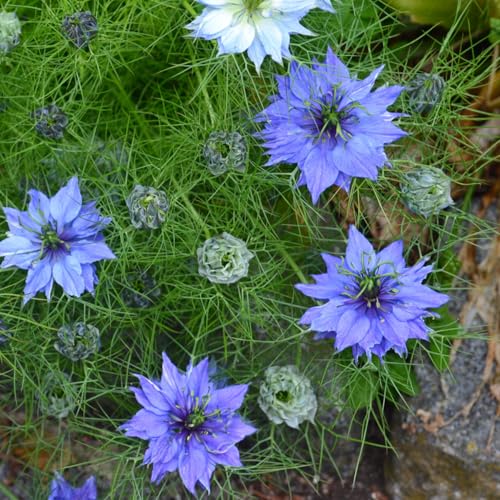
Some plants are garden thugs not because of their roots but because of their enthusiastic self-seeding habits. Borage, love-in-a-mist, and many other cottage garden favorites can quickly overtake a hosta bed, with seedlings sprouting by the hundreds in spring.
While the initial plantings might coexist peacefully, the second generation becomes competition that can crowd and stress your hostas. I love these self-seeders but would recommend you keep them corralled in their own area of your garden away from any of your precious hostas.
11. Plants That Attract Slug Populations (Strawberries)
Hostas already battle slugs constantly (I’ve spent many evening garden walks picking these pests by flashlight). Certain companion plants like strawberries create ideal slug habitat, exponentially increasing the slug population that will then move on to feast on your hostas.
After adding strawberry plants near one hosta bed, I noticed a dramatic increase in slug damage. The solution was simple – moving the strawberries far away decreased the slug pressure significantly.
12. Acid-Loving Plants (Blueberries, Azaleas)
While hostas can tolerate slightly acidic soil, they generally prefer neutral to slightly alkaline conditions. Planting them alongside acid-lovers like blueberries creates a pH conflict where someone has to lose. Amending soil for blueberries will gradually make hostas unhappy, and vice versa.
13. Rabbit-Attracting Plants (Clover, Alfalfa)
Finally, consider the wildlife factor. Rabbits already find hostas delectable, so avoid planting rabbit favorites nearby. Plants like clover essentially put up a “free buffet” sign, drawing more rabbits to your garden who will happily hop over to sample your hostas for dessert.
What To Plant With Hostas Instead
Now that we’ve covered the plant partnerships that fail let’s talk about some companions that actually enhance your hosta garden:
- Ferns: Japanese painted ferns and autumn ferns create beautiful textural contrasts without competing aggressively
- Heuchera (Coral Bells): Their colorful foliage complements hostas perfectly and they share similar growing requirements
- Astilbe: These feathery flowered perennials add height and color without bullying hostas
- Bleeding Heart: Early spring flowers that go dormant as hostas reach their prime
- Japanese Forest Grass: One of the few ornamental grasses that plays nicely with hostas
Tips For Successful Companion Planting With Hostas
These are my guidelines that help make sure my hostas thrive alongside their garden neighbors:
- Match water requirements first – this is the most crucial compatibility factor
- Consider root depth and aggression when planning
- Leave enough space between plants – hostas need room to expand
- Use physical barriers (like buried pot rims) to contain aggressive spreaders you want to keep nearby
- Monitor for signs of competition stress – smaller leaves, slower growth, increased disease susceptibility
Final Thoughts
Creating a successful hosta garden isn’t just about picking pretty plant combinations – it’s about understanding the complex relationships happening below the soil surface and throughout the growing season. My biggest garden disasters and most stunning successes have come from learning these partnerships through experience.
Garden rules are rarely absolute though. Your specific microclimate, soil conditions and maintenance routine might allow some “forbidden” combinations to work. The key is observation – watch how your plants interact and be ready to intervene if you notice signs of trouble.
The most beautiful gardens I’ve created or visited always feature hostas grown with thoughtfully selected companions that enhance rather than compete. By avoiding the plant partnerships I’ve warned about and embracing compatible companions you’ll create a hosta display that will be the envy of your neighborhood.
