
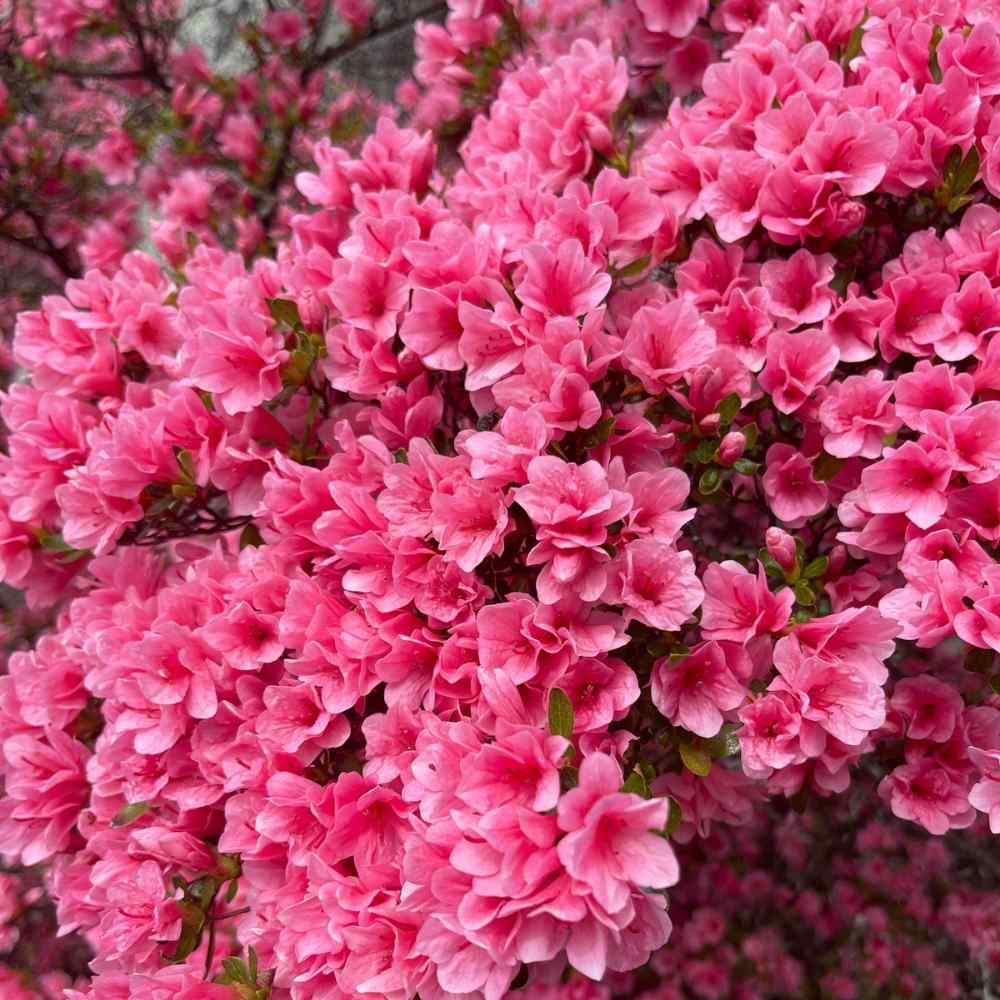
Azaleas are one of the most popular plants for gardens. They look great but more than that they don’t mind if they don’t get a lot of light and grow well in acidic soil.
But although azaleas are a good choice for your garden not all plants work well with them. Other plants will fight over resources, bring nasty pests to the garden or just upset the soil that azaleas need to grow.
So if you’re planning a garden with azaleas it’s a good idea to be know which plants can cause you problems.
Why Compatibility Matters in the Garden
Choosing the right plants to grow together can mean the difference between a garden that looks fantastic and one that doesn’t work. There are some plants that help each other out by sharing their nutrients, keeping pests away and just helping with their growth.
Others, though, do the opposite. They fight over nutrients, change the soil pH or bring in pests that can will hurt the other plants.
So to keep your azaleas healthy don’t plant them near the following plants.
1. Boxwood

Boxwoods are tough shrubs but they aren’t the best neighbors for azaleas.
Why Boxwood is a Problem
- Soil pH: Boxwoods like the soil to be neutral to alkaline but azaleas need high acid soil.
- Nutrient Competition: Both plants need a lot of nutrients which can mean the azaleas struggle to get enough.
Try it: Check Any Two Plants for Compatibility
Use the checker below to see how any two of your plants will get along – pick one from each side and we’ll tell you whether to plant them together or keep them apart.
Plant Compatibility Checker
Select two plants to check if they are compatible companions in your garden.
Compatibility Results:
2. Black Walnut
Black walnut trees release a chemical called juglone that is toxic to most plants, including azaleas.
Why Black Walnut is a Problem
- Allelopathic Effects: Juglone in the roots and leaves stops azaleas from growing.
- Soil Drainage: Walnut trees roots grow deeply in to the soil and that can dry it out which makes it more difficult for azaleas to get water.
3. Hydrangeas

Hydrangeas and azaleas are beautiful but they don’t grow well together in a garden.
Why Hydrangeas are a Problem
- Nutrients: Hydrangeas take up a lot of nutrients and mean azaleas miss out on what they need.
- Shade Competition: Hydrangeas can grow very tall and block the light from getting to other plants like azaleas.

4. Roses
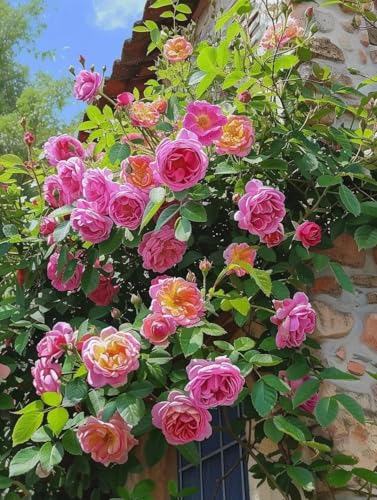
Roses need a lot of maintenance and special care that can clash with azaleas.
Why Roses are a Problem
- Different Soil Needs: Roses like neutral to slightly alkaline soil and azaleas grow best in acidic soil.
- Pest Attraction: Roses attract aphids, spider mites and Japanese beetles, which given the chance will spread to azaleas and cause problems.
5. Peonies

Peonies look great in most gardens but they’re not good alongside azaleas.
Why Peonies are a Problem
- Soil pH: Peonies like neutral to slightly alkaline soil which again doesn’t work for azaleas.
- Space Competition: Peonies have large roots when compared to azaleas roots and so can upset them.
6. Lavender
Lavender is a great plant for dry, sunny spots in a garden but it doesn’t work with azaleas.
Why Lavender is a Problem
- Different Soil Needs: Lavender like alkaline soil that drains well but azaleas need acidic, moist soul.
- Sunlight: Lavender grows best in full sun and azaleas like more shade.
7. Tomatoes
Tomatoes and azaleas don’t grow well together even if they’re both common in gardens.
Why Tomatoes are a Problem
- Pest Issues: Tomatoes attract aphids and whiteflies which can hurt azaleas if they spread to them.
- Nutrient Competition: Tomatoes take a lot of nutrients from the soil and that leaves less for azaleas.
8. Cabbage
Cabbage and other members of the brassica family shouldn’t be planted near azaleas.
Why Cabbage is a Problem
- Soil Nutrients: Cabbage needs a lot of nitrogen, which azaleas also need and can leave them lacking.
- Pest Attraction: Cabbage attracts caterpillars, aphids and other pests that can spread to azaleas.
9. Fennel
Fennel is one of the worst companion plant for many other plants like azaleas.
Why Fennel is a Problem
- Allelopathic Effects: Fennel releases chemicals that stop other plants close to it from growing.
- Space Competition: Fennel grows tall and can stop the light from getting to azaleas.
10. Sunflowers
Sunflowers will brighten up a garden but they won’t help your azaleas.
Why Sunflowers are a Problem
- Water Competition: Sunflowers roots grow deep and absorb a lot of water which doesn’t leave enough for azaleas.
- Shade Issues: Sunflowers grow very tall and can block the light from getting to azaleas.
11. Maple Trees

Maple trees are beautiful and give lots of shade but they also aren’t good for azaleas.
Why Maple Trees are a Problem
- Root Competition: Maple roots grow fast and take up a lot of water and nutrients from the soil.
- Shade Problems: Azaleas like some shade but too much that maple trees make can stop them from flowering.

12. Mint
Mint is known for how aggressive it is and that works against azaleas.
Why Mint is a Problem
- Invasive Growth: Mint spreads quickly and can take over gardens.
- Root Competition: The roots of mint grow so fast they can upset the roots of azaleas.
Good Companions for Azaleas
Some plants grow well with azaleas though and help make your garden work:
- Ferns: They love shade and don’t fight over nutrients.
- Hostas: Their leaves look beautiful with azaleas and they both grow well in the same conditions.
- Camellias: They share the same soil and light needs.
Tips for Successful Companion Planting
- Check Soil pH: Azaleas need acidic soil so choose plants that need the same.
- Balance Sunlight: Keep plants with the same light needs together.
- Prevent Overcrowding: Give azaleas space so their roots and branches can grow fully.
Final Thoughts
If you want to grow azaleas in your garden then you should do some planning beforehand. If you avoid the wrong plants then there’s no reason you can’t have beautiful azaleas growing year after year.
