
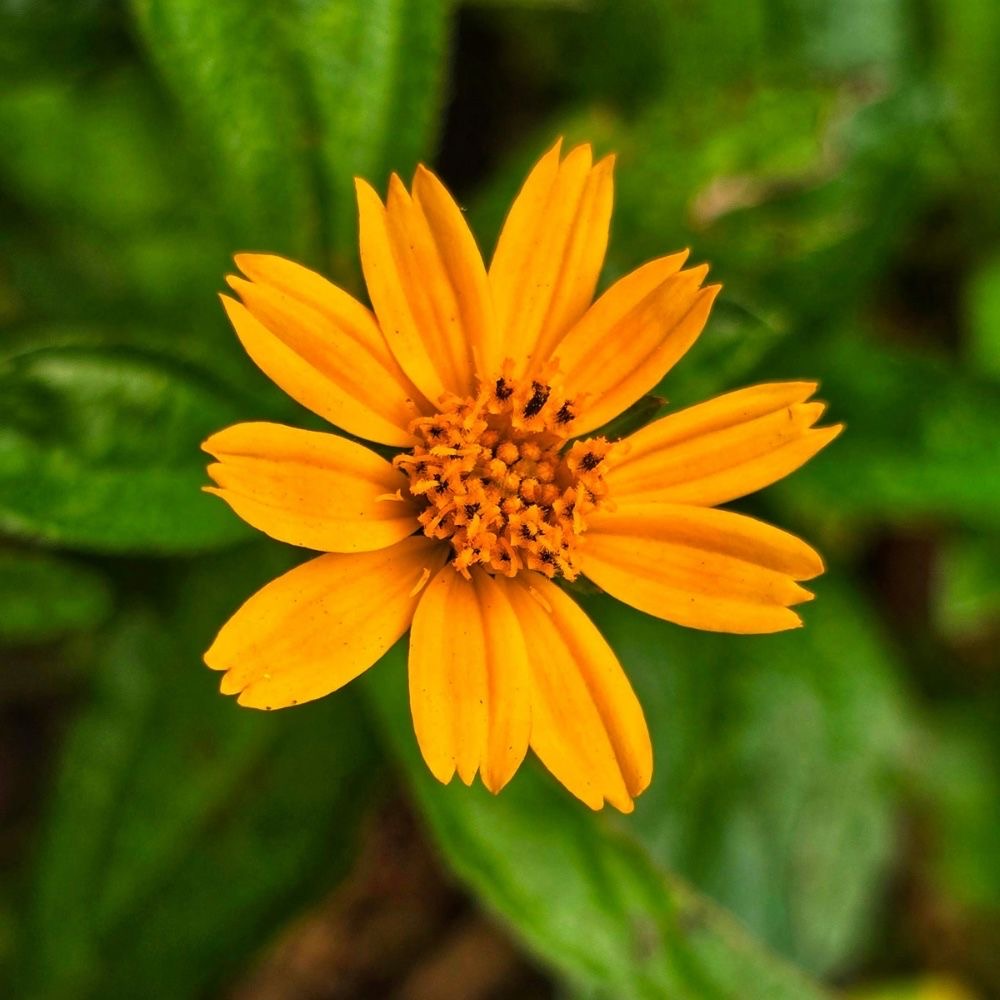
Every gardener knows that perfect feeling when your garden finally comes together. But one wrong plant pairing and you might as well kiss your beautiful hypericum goodbye.
After years of trial and error (and yes, killing more plants than I’d like to admit), I’ve learned the hard way about what works with hypericum and what absolutely doesn’t.
I’m going to share what plants you should keep far away from your hypericum if you want it to thrive, not just survive.
Understanding Hypericum
Hypericum – or St. John’s Wort as many of us know it – are surprisingly tough customers. They look delicate and like they might be sensitive but they put down deep roots and spreads enthusiastically when happy. That’s part of what makes them great for borders and ground cover – but also what creates challenges with companion planting.
Hypericum plants are actually a bit selfish when it comes to their growing space. They contain natural compounds that can inhibit the growth of certain plants nearby – it’s called allelopathy, and it’s basically chemical warfare in your flower bed.
In the past I noticed my lavender looking particularly sad next to my established hypericum. The lavender that had previously been thriving suddenly looked stunted and produced fewer flowers. That’s when I really started digging into what was happening below the soil.
Getting your hypericum companions wrong doesn’t just affect those plants – it can actually stress your hypericum too, making it more susceptible to disease and reducing its blooms you planted it for in the first place.
So avoid the following plants and your hypericum will be happy and hopefully thrive.
Plants NOT to Plant With Hypericum
Root Competitors
- Bamboo – I once thought bamboo’s architectural structure would create a nice backdrop for my hypericum. It didn’t. Bamboo’s aggressive rhizome system completely overwhelmed my hypericum within one season. The bamboo roots are so invasive they’ll quickly starve hypericum of water & nutrients. Plus, bamboo creates too much shade as it grows and hypericum really needs that full sun to partial shade sweet spot.
- Mint – Just like bamboo, mint seems determined to take over the world through its roots. While hypericum is fairly assertive itself, mint is in another league entirely. The roots spread horizontally just under the soil surface, intercepting water meant for your hypericum and creating a mess of tangled roots.
- Willow trees – The thirsty root systems of willows are notorious for seeking out every drop of moisture in the soil. Even a small willow can send roots stretching 30+ feet in search of water. Your poor hypericum doesn’t stand a chance when competing with these water hogs. I’ve seen established hypericum patches decline rapidly when planted within the root zone of willows.
Soil Chemistry
- Azaleas and Rhododendrons – These shrubs create the exact opposite soil environment that hypericum prefers. While hypericum can tolerate slightly acidic conditions, it really thrives in neutral to slightly alkaline soil. The specialized ericaceous soil that azaleas demand will slowly weaken your hypericum, leading to chlorosis (yellowing leaves) and poor flowering. I found this out when I tried to create a mixed border with both plants – the hypericum looked increasingly sickly until I moved it.
- Blueberries – For the same reason as azaleas, blueberries make terrible neighbors for hypericum. They demand strongly acidic soil (pH 4.5-5.5) while hypericum prefers 6.0-7.5. The amendments you’d add for healthy blueberries (sulfur, peat moss etc.) will stress your hypericum.
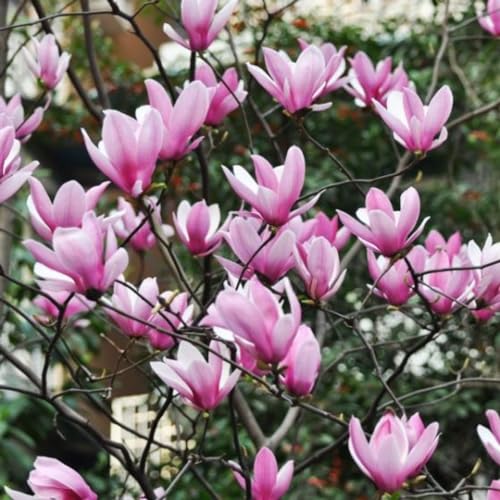
- Magnolias – Many magnolia species drop leaves that are slow to decompose & can make the soil more acidic over time. This gradual soil modification creates an environment that’s increasingly hostile to hypericum. Plus, established magnolias create dense shade patterns that hypericum won’t appreciate.
Disease Crossovers

- Roses – Both hypericum and roses can suffer from similar fungal issues, particularly rust and black spot. Planting them together creates a disease superhighway where pathogens can easily jump from one host to another. Even if you’re diligent with treatment, having both plants close together makes controlling outbreaks much harder.
- Apple Trees – This might seem like an odd pairing anyway but hypericum and apple trees (along with other members of the Rosaceae family) can share cedar-apple rust. This fungal disease can overwinter on hypericum and then affect your fruit trees during the growing season. If you have prized apple trees, keep hypericum in a different part of the garden.
- Junipers – Another disease connection most people miss. Junipers can be hosts for rust that affects hypericum. The pathogen requires both plants to complete its lifecycle so keeping them separated breaks this cycle and protects both plants.
Resource Competitors

- Butterfly Bush (Buddleia) – can quickly overshadow hypericum, stealing precious sunlight. They’re also heavy feeders that will deplete soil nutrients needed by your hypericum. The result is often leggy, weak hypericum growth as it struggles to compete. I had a beautiful established butterfly bush that completely overshadowed my newly planted hypericum – within one season the hypericum was barely hanging on.
- Ornamental Grasses – Particularly the larger varieties like Miscanthus or Pampas grass. They form dense root systems that can completely dominate the soil space, outcompeting hypericum’s roots for water & nutrients. The heavy shade from mature ornamental grasses will also reduce hypericum flowering.
- Morning Glory and other vigorous vines – I once thought it would look charming to have morning glory climbing through my hypericum. Instead the aggressive vine literally choked out sections of my hypericum as it wrapped around stems and blocked sunlight. Avoid this combination at all costs.
Good Companion Plants for Hypericum
- Echinacea (Coneflower) – The purple blooms complement hypericum’s yellow flowers beautifully, and they have similar growing requirements without competing aggressively.
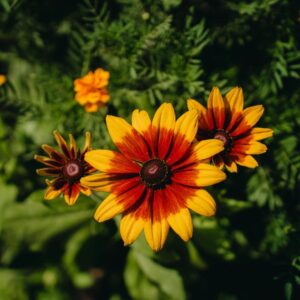
- Rudbeckia (Black-eyed Susan) – These create a stunning yellow-on-yellow effect, blooming at similar times, and they’re compatible in their growth habits.
- Salvia – Particularly the blue and purple varieties create a stunning color contrast with hypericum’s yellow flowers. They also attract different pollinators, creating a buzzing, vibrant garden space.
- Ornamental Alliums – Their structural, globe-shaped flowers add interest, and their slight repellent quality can help protect hypericum from certain pests.
- Low-growing sedums – These make excellent ground cover around hypericum without competing aggressively for resources.
Tips for Successful Companion Planting
- Respect the root zone – Hypericum develops a substantial root system, so give it space! Plant companions at least 2-3 feet away from established plants.
- Monitor soil pH – Check your soil regularly, especially if you’re amending for other plants nearby. Keep hypericum’s area in the neutral to slightly alkaline range.
- Consider maturity sizes – That cute little plant you put next to your hypericum might grow into a monster that completely overshadows it. Always research the mature size of all companions.
- Create root barriers – If you’re determined to grow hypericum near more aggressive plants, consider installing underground root barriers to prevent invasion.
- Watch for early warning signs – Yellowing leaves, reduced flowering, or stunted growth in either your hypericum or companion plants can indicate incompatibility. Don’t wait until plants are dying to make changes.
Final Thoughts
Hypericum can be an absolute star in your garden with its bright yellow flowers and easy-care nature. But it needs to be planted carefully in your garden landscape.
It’s good to keep in mind that garden design is always about compromise and observation though. What works in one garden might not work in another due to subtle differences in soil, climate & even the specific varieties you’re growing.
The good news is that once you find the right companions for your hypericum you’ll enjoy a garden that looks like it was designed by a professional – with plants that support rather than sabotage each other’s growth.
And isn’t that what we’re all after? A garden where every plant gets to shine without fighting for survival.
