
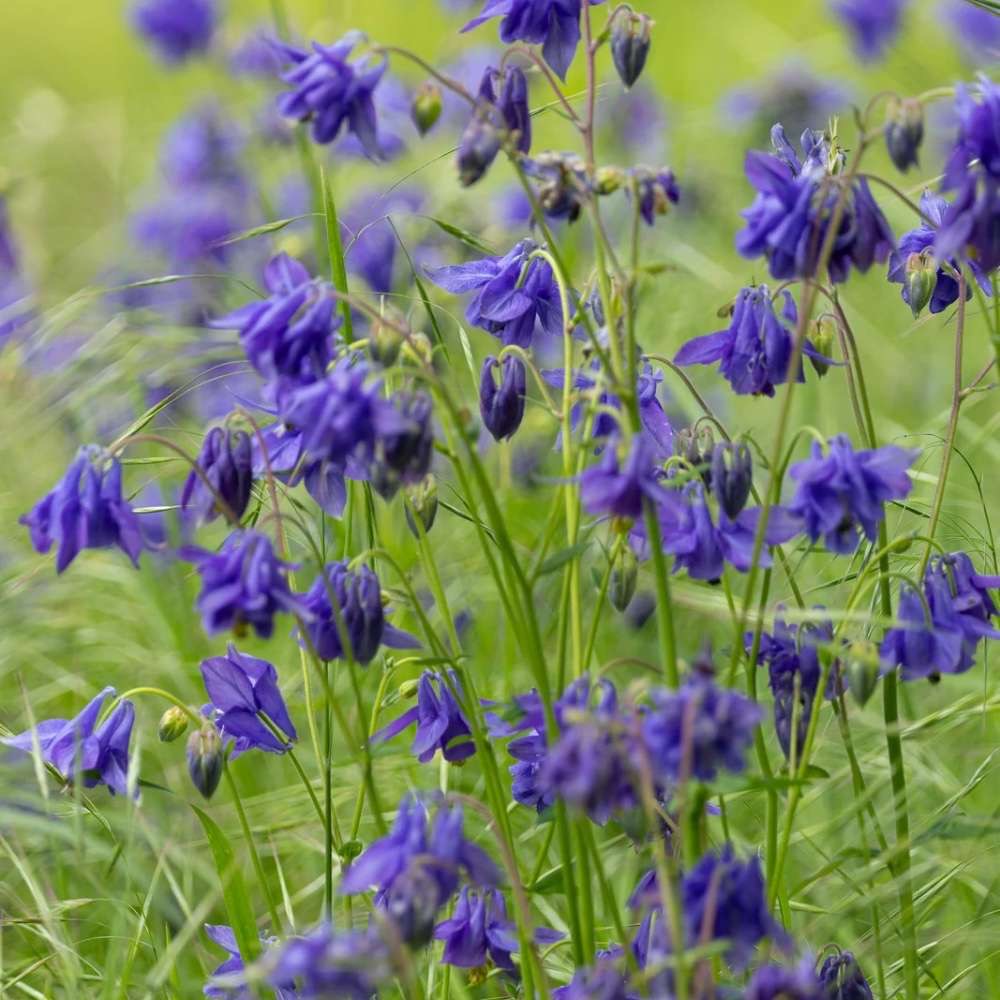
After spending years trying to grow the perfect cottage garden I’ve killed more Campanula than I would like to admit. Campanulas beautiful bell-shaped blooms have broken my heart more times than my first girlfriend. But I finally cracked the code on what works and what definitely doesn’t when planting them.
So I’m going to share what I’ve learned the hard way about companion planting with Campanula – straight from my garden disasters to yours.
Understanding Campanula
They may be exceptionally pretty flowers but Campanula can be surprisingly fussy about their neighbors. They’re not exactly the social butterflies of the plant world – some might even call them particular. Getting their companion planting wrong can lead to stunted growth, fewer blooms & in worst cases, plant death.
Regardless of whether you’re growing the tall and dramatic Canterbury bells (Campanula medium), the spreading groundcover varieties, or anything in between, understanding what NOT to plant nearby will save you heartache and plant funeral costs.
Plants NOT to Plant with Campanula
1. Mint and Other Aggressive Herbs
I made this mistake once – just once. Planted some chocolate mint “near enough” to my Campanula carpatica thinking they’d be fine. Within a month the mint had sent runners throughout the area, stealing nutrients and literally choking out my bellflowers. Mint’s invasive roots will outcompete Campanula for water and nutrients faster than you can say “garden takeover.”
Other culprits in this category include:
- Oregano
- Lemon balm
- Marjoram
These herbs might seem innocent in their little nursery pots but they’re garden thugs that will bully your bellflowers.
2. Tall Sunflowers

This combination seems obvious in hindsight but my garden journal from 2019 contains a sad entry about the “great sunflower shadow disaster.” Campanulas need their sunshine – most varieties thrive in full to partial sun. When I planted ‘Mammoth’ sunflowers nearby, they created so much shade that my Campanula rotundifolia produced exactly three sad blooms all season.
The sunflowers will:
- Cast too much shade
- Compete for nutrients
- Create root competition
3. Aggressive Climbing Vines
The vines of Morning Glory will see the tall Campanula stems as the perfect support structure and use them like garden poles. It won’t take long until the morning glories twist around the Campanula stems so thoroughly that the bellflowers cant properly develop.
Keep these clingy neighbors away:
- Morning glory
- Black-eyed Susan vine
- Climbing nasturtiums
4. Hungry Brassicas
Broccoli, cauliflower & their brassica cousins are heavy feeders that will steal nutrients from your bellflowers faster than my neighbor’s teenager raids my cookie jar.
The heavy feeders to avoid include:
- Broccoli
- Cauliflower
- Cabbage
- Brussels sprouts
5. Allelopathic Plants
Some plants are just chemically incompatible with Campanula because they release compounds that inhibit other plants’ growth. Black walnut trees are notorious for this, but even common garden plants like sunflowers and marigolds release substances that can inhibit Campanula growth.
6. Tall Grasses

Ornamental grasses look stunning in the garden but they’re serious competitors with Campanula for both above and below-ground resources.
Problem grasses include:
- Miscanthus
- Pampas grass
- Fountain grass
- Switch grass
7. Thirsty Hydrangeas
I love hydrangeas for their showstopping blooms but these water hogs will leave little moisture for neighboring plants. When I placed a Campanula poscharskyana near my ‘Endless Summer’ hydrangea, the bellflower constantly wilted because it couldn’t compete for water, despite regular irrigation.
8. Tall Delphiniums
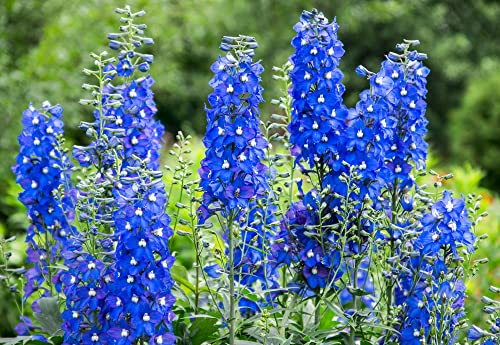
This pairing looks good on paper – both cottage garden favorites! But in practice, tall delphiniums cast too much shade over shorter Campanula varieties. Plus, they have similar nutrient needs and disease susceptibilities, which can create unwanted competition and risk.
9. Aggressive Spreading Groundcovers
Creeping plants like Ajuga, creeping Jenny & creeping thyme might seem like good neighbors for taller Campanula varieties, but they’ll quickly invade the bellflowers’ space.
10. Most Members of the Nightshade Family
Tomatoes, potatoes, peppers & eggplants can host diseases that affect Campanula. Plus, they require different soil conditions to thrive.
11. Water-Loving Plants
Campanula generally prefers well-drained soil and moderate watering. Planting them near moisture-lovers like Ligularia, Astilbe, or Rodgersia creates an impossible situation – either the water-lovers dry out or the Campanula get soggy roots and rot.
12. Plants with Incompatible Soil pH Needs
Campanula generally prefers slightly alkaline to neutral soil. When I tried growing them near my acid-loving azaleas and blueberries they struggled despite everything else being right. The soil amendments I added for the acid-lovers made the bellflowers unhappy.
13. Other Campanula Species (Sometimes)
This might sound counterintuitive but different Campanula species can compete with each other when planted too closely. Some are aggressive self-seeders (looking at you, Campanula rapunculoides!) that can overtake their more well-behaved cousins.
Good Companion Plants for Campanula
There are some plant partnerships that do work though.
- Dianthus – similar growing requirements & the spiky foliage contrasts beautifully with bell-shaped blooms
- Geraniums (hardy types) – they coexist peacefully, sharing resources well
- Shasta daisies – their white blooms complement the purple/blue of most Campanula
- Salvia – similar light requirements but different root structures
- Lavender – both appreciate good drainage and don’t overwhelm each other
- Achillea (Yarrow) – different growth habits that don’t compete
Tips for Successful Companion Planting with Campanula
- Give each plant adequate space – bellflowers need air circulation to prevent mildew
- Group plants with similar water needs – most Campanula want consistent moisture but not soggy conditions
- Layer plants by height with Campanula in the middle ground – not shaded by taller plants nor smothered by groundcovers
- Use shorter Campanula varieties like C. carpatica at the front of borders or in rock gardens
- Consider bloom times – pair early-blooming Campanula with late-season performers to extend garden interest
I’ve found that creating planting pockets with good spacing between different species helps everyone get along better. Think of it as giving your garden plants their personal space bubbles.
Final Thoughts
Getting Campanula companions right isn’t rocket science but it does require thinking about plant relationships beyond just what looks pretty together.
Looking back at my decade of Campanula triumphs and disasters I truly believe they are worth the effort. When given the right companions you get weeks of blooms that make your garden look like something from a fairytale.
My current favorite combination is a patch of Campanula persicifolia with Geranium ‘Rozanne’ and some compact Shasta daisies. They’ve coexisted happily for three seasons now, sharing resources without competing too aggressively.
The best approach is to observe, adjust and sometimes just admit when a plant pairing isn’t working. That’s the real secret to gardening success – being willing to learn from your mistakes and try again next season.
