

Celosia is such a noticeable and interesting plant. But trying to figure out what not to plant alongside these vibrant bloomers can be tricky.
It’s like trying to mix oil and water sometimes, isn’t it? You think, “Hey, more plants, more beauty!” but then.. well, things go sideways.
So here’s a rundown of what to avoid straight from someone who’s made a few messy mistakes in their own garden.
Understanding Celosia
Celosia, as mentioned before, have these amazingly funky, feathery or crested blooms. They bring some real color to any garden.
I mean, who doesn’t love those bright, almost velvety textures? But here’s the thing: they’re a bit picky. They need their space, their nutrients & their own little slice of sunshine.
You can’t just throw them in with any old plant and expect them to thrive. I remember planting some gorgeous celosia next to a patch of.. well, let’s just say, a bit of an aggressive spreader. The celosia looked like it was trying to hide, all stunted and sad. Turns out they were competing for everything, and the celosia lost.
Getting it wrong can really impact their growth. Think of it like trying to share a tiny apartment with someone who hogs all the space and eats all the snacks. Celosia needs its own resources to really shine.
If they don’t get what they need you’ll end up with weak, lackluster plants that barely flower. It’s a real bummer.
What Celosia Needs
- Well-draining soil: They hate wet feet.
- Plenty of sunlight: At least six hours a day.
- Good air circulation: To prevent fungal diseases.
- Moderate watering: Not too much, not too little.
Plants to Avoid Planting with Celosia
Okay, let’s get down to the nitty-gritty. Here are some plants you should really think twice about planting next to your celosia.
Mint
Oh, mint. That stuff spreads like wildfire. And it’ll choke out your celosia in no time.
It’s a nutrient hog and takes over everything, sending out runners that aggressively compete for space and resources. I once thought, “Just a little mint, it’ll be fine.” Huge mistake. Within weeks, the mint had infiltrated everything and my celosia looked stressed and stunted. It’s not just about space; mint also changes the soil structure, often making it too dense for celosia’s liking.
Sunflowers
I know, they seem like a match made in heaven, right? But sunflowers are big, thirsty and cast a lot of shade. Celosia needs full sun to really thrive and sunflowers will steal that right away. Plus, they’ll compete for water and nutrients, and guess who loses? The celosia, every time. Sunflowers have deep roots that can quickly deplete the soil of the water and nutrients celosia needs, leaving them parched and malnourished.

Ivy

Ivy is another aggressive grower. It’ll smother your celosia and make it impossible for them to get the light and air they need. It can also make the soil too damp, which celosia hates.
Ivy’s dense foliage blocks sunlight and reduces air circulation, creating a perfect environment for fungal diseases that celosia is susceptible to. Its robust root system outcompetes celosia for water and nutrients too.
Anything from the Brassica family (like cabbage, broccoli, kale)

These guys are heavy feeders and can deplete the soil of the nutrients celosia needs. They also attract pests that might go after your celosia.
I tried this once & it was a pest-fest. Brassicas require rich soil and lots of fertilizer which can create an imbalance that celosia doesn’t like. Moreover, they attract pests like aphids and cabbage worms, which can easily spread to your celosia, causing significant damage.
Plants that prefer acidic soil (like azaleas or rhododendrons)
Celosia likes neutral to slightly alkaline soil. If you plant them with acid-loving plants, one of them is going to be unhappy. Azaleas and rhododendrons thrive in acidic environments and their presence can lower the soil pH, making it unsuitable for celosia. This pH imbalance can lead to nutrient deficiencies and stunted growth in celosia.
Plants that grow too tall and bushy
Think about plants that cast a lot of shade, like some varieties of cosmos or tall dahlias. Celosia needs its sun!
Tall, bushy plants block the sunlight that celosia needs to flower properly. This shade not only reduces flowering but also makes the celosia weaker and more susceptible to diseases due to reduced photosynthesis.
Water-loving plants (like ferns or marsh marigolds)
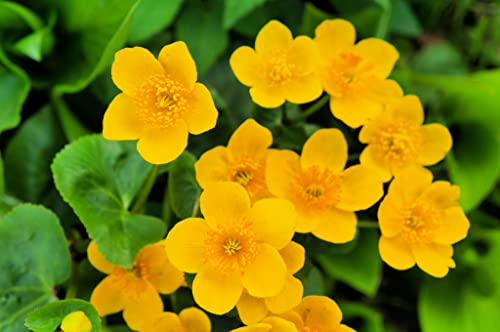
Celosia prefers drier conditions. Planting them with plants that need consistently moist soil will lead to root rot. Ferns and marsh marigolds thrive in wet, boggy conditions, which are the opposite of what celosia needs. The constant moisture can lead to root rot and fungal diseases that will quickly kill celosia.

Plants with invasive root systems (like bamboo)
Bamboo is a nightmare. It’ll take over everything, including your celosia. It’s like trying to have a picnic in the middle of a stampede.
Bamboo’s extensive & aggressive root system spreads rapidly, choking out any nearby plants, including celosia. It competes fiercely for water and nutrients, leaving celosia struggling to survive.
Plants prone to similar diseases (like powdery mildew)
You don’t want to create a disease hotspot in your garden. For example, some varieties of phlox can be prone to powdery mildew and so can celosia. Planting them together increases the risk of both plants contracting the disease, as spores can easily spread between them. This creates a breeding ground for disease.
Plants that take up a lot of space (like pumpkins or squash)
These guys spread out and take over. Celosia needs its own space to thrive. Pumpkins and squash have sprawling vines that can quickly overwhelm celosia, blocking sunlight and competing for resources. Their large leaves can also trap moisture, creating conditions that favor fungal diseases.
Plants that are too competitive for nutrients (like some fast growing grasses)
Grasses can be very competitive and celosia does not like to compete. Fast-growing grasses have extensive root systems that quickly deplete the soil of nutrients and water. They can also create a dense mat that prevents celosia from getting adequate air circulation and sunlight.
Plants that attract pests that love celosia (like certain types of aphids)
Some plants attract pests that also like celosia. This can cause you to have a much bigger pest problem. Certain plants act as host plants for pests like aphids, which also enjoy feeding on celosia. Planting these together creates a concentrated area of pests, making it harder to control them and increasing the risk of damage to your celosia.
Plants that change the PH of the soil
Some plants can drastically change the PH of the soil, which can harm your celosia. Plants that significantly alter soil pH can create an unsuitable environment for celosia. This can lead to nutrient deficiencies, stunted growth, and increased susceptibility to diseases.
Good Companion Plants for Celosia
Alright, so we know what to avoid. But what about the good guys? Here are a few plants that play nicely with celosia:
- Marigolds: These are great companion plants. They help deter pests and add a nice pop of color.
- Zinnias: These also love full sun and well-drained soil. They’re colorful and easy to grow.
- Salvia: Salvia adds a different texture and color, and it’s not too competitive.
- Petunias: These are low-growing and don’t compete for space or resources.
Tips for Successful Companion Planting
- Know your plants: Understand the needs of both celosia and its companions.
- Give them space: Don’t overcrowd. Celosia needs room to breathe.
- Check the soil: Make sure the soil is right for both plants.
- Water wisely: Don’t overwater.
- Observe and adjust: Keep an eye on your plants and make changes as needed.
Final Thoughts
Gardening is all about trial and error. We all make mistakes. I’ve definitely had my share of plant pairings that went completely wrong. But that’s how you learn, right?
The key with celosia is to give them what they need: sun, space and well-drained soil. Avoid the bullies and the space hogs, and you’ll be golden. It might seem complicated but when you get it right, those celosia blooms are something else. And remember, don’t be afraid to experiment, just maybe not with the mint.
