

Amaranth has wonderful leaves and grains you can eat. It’s also one of the most versatile plants you can have in your garden.
But if you’re looking to grow amaranth in it’s good to know which plants it will work with and which it won’t. There are certain plants that if planted alongside it will fight over nutrients, cause poor growth and bring in dangerous pests.
So these 12 plants are ones you should avoid planting with amaranth and why.
Why Compatibility Matters in the Garden
In gardening there are plants that do well together and others that don’t. The ones that don’t can mess with their growth, bring in damaging pests and fight over resources.
Knowing which work together will allow you to make the right choices and get a successful garden rather than one that struggles.
1. Tomatoes
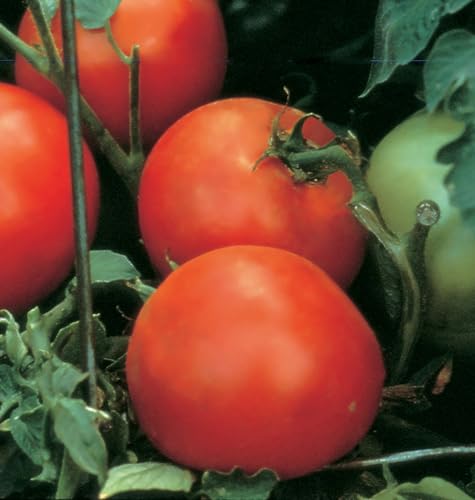
Why Tomatoes are a Problem:
- Nutrient Competition: Both tomatoes and amaranth take up a lot of nutrients, particularly nitrogen. Planting them together can lead to competition for those nutrients and in the end both will suffer.
- Pest Attraction: Tomatoes being pests like aphids and whiteflies to gardens. These pests can then spread to amaranth.
2. Potatoes
Why Potatoes are a Problem:
- Nutrient Depletion: Potatoes need lots of nutrients, especially phosphorus and potassium. They take a lot from the soil, and as amaranth need those nutrients too they then struggle.
- Pest Issues: Potatoes will bring pests like aphids and Colorado potato beetles to wherever they’re growing. They can also affect amaranth.

3. Sunflowers

Why Sunflowers are a Problem:
- Allelopathic Effects: Sunflowers release chemicals into the soil that can stop other plants growing, including amaranth. They’ll have a hard time reaching their potential and growing fully if they’re near sunflowers.
- Nutrient Competition: Sunflowers will fight with amaranth for nutrients, particularly nitrogen. This ends up with amaranth struggling to get the nutrients it needs.
4. Cucumbers
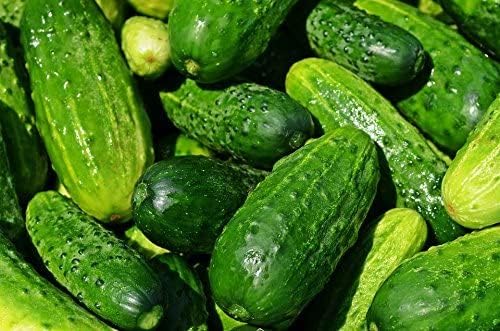
Why Cucumbers are a Problem:
- Space Competition: Cucumbers need a lot of Spahn to grow and spread out. When you plant them best amaranth they can take over the garden and will fight over space and resources.
- Pest Attraction: Cucumbers bring in pests like cucumber beetles, but they also do damage to amaranth, as well as more pest problems in the garden.
5. Fennel
Why Fennel is a Problem:
- Allelopathic Effects: Fennel releases substances into the soil that stops plants close to it from growing. This will stop amaranth from succeeding.
- Space Competition: Fennel grows can grow so big that it stops light from getting to smaller plants like amaranth.
6. Corn
Why Corn is a Problem:
- Nutrient Competition: Corn needs a lot of nutrients, especially nitrogen, and this means it will fight for it with amaranth. This can cause amaranth to struggle.
- Shade: Corn grows tall and stops amaranth from getting the light it needs.
7. Melons
Why Melons are a Problem:
- Space Competition: Melons need a lot of space to grow. When they’re planted close to amaranth they can dominate the area and stew all the resources and space amaranth needs to do well.
- Pest Attraction: Melons attract pests like aphids and cucumber beetles, which can also target amaranth, leading to increased pest issues in your garden.
8. Zucchini
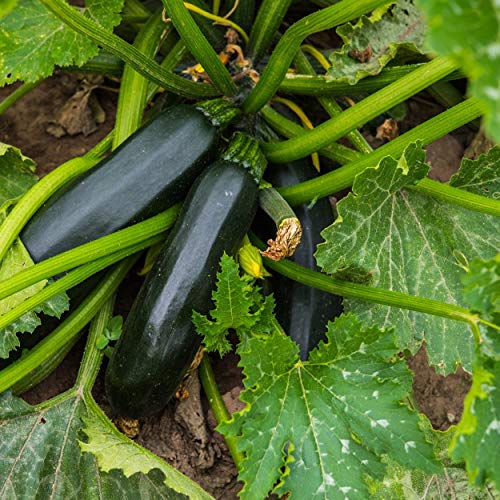
Why Zucchini is a Problem:
- Space Competition: Zucchini is bushy and needs a lot of space to grow. If it’s planted near to amaranth they can fight for nutrients and stop enough light getting to amaranth.
- Pest Attraction: Zucchini brings pests like squash bugs and cucumber beetles to gardens, which and they also affect amaranth.
9. Carrots
Why Carrots are a Problem:
- Root Competition: Both carrots and amaranth roots grow far down. When they’re planted together those doors fight for space and nutrients, which makes both struggle.
- Allelopathic Effects: Some studies have looked at carrots releasing chemicals that stop other plants growing.
10. Beets

Why Beets are a Problem:
- Nutrient Competition: Beets need a lot of nutrients, particularly potassium. They take so much from the soil and amaranth need it too so will have problems.
- Disease Susceptibility: Beets and amaranth can be affected by similar diseases in the soil and when planted together it’s more likely these diseases will spread.
11. Brassicas (Cabbage, Broccoli, Cauliflower)
Why Brassicas are a Problem:
- Nutrient Competition: Brassicas need a lot of nutrients, especially nitrogen. If they’re planted near amaranth they will fight over nutrients, with both suffering.
- Pest Attraction: Brassicas bring pests like cabbage worms and aphids to gardens, and these will also target amaranth.
12. Peppers
Why Peppers are a Problem:
- Nutrient Competition: Peppers need a lot of nutrients too, particularly nitrogen and potassium, which leaves the soil and in turn amaranth struggling to get enough.
- Pest Attraction: Peppers bring pests like aphids and spider mites to your garden, and these also target amaranth.
Good Companions for Amaranth
Now we’ve got the bad plants out the way it’s good to know ones work well.
- Lettuce: Amaranth gives lots of shade that helps lettuce grow well in the hot weather.
- Eggplant: These plants grow well together as they like the same sort of soil.
- Beans: They help fix nitrogen in the soil which amaranth likes.
Final Thoughts
Keep experimenting and seeing how your plants work together. Every garden is unique and what works well in one may not work in another. Once you figure it out though you’ll have amaranth that’s successful and growing well.
