

Alliums, which include onions, garlic, leeks and chives, are fantastic for growing in your garden. Not just because of the food you get from them but they’re also keep pests away and have beautiful flowers.
But they don’t get along with every plant. So when you’re looking to grow them you need to be careful.
Some plants struggle when grown near alliums because of the need for the same nutrients, problems with pests and issues with chemicals. If you want a healthy garden that works then you need to avoid planting alliums with certain plants.
These 11 plants are ones you shouldn’t plant with alliums and why they don’t work together.
Why Compatibility Matters in the Garden
Not all plants grow well together. There are plants that help each other out by keeping away pests, improving the quality of the soil, giving each other shade etc. Others can do the opposite – fight over nutrients, being in insects that can damage them or release chemicals that mess with growth.
Alliums, for instance, contain sulfur compounds that can keep away some pests but can also stop other plants growing . They can also take up a lot of nutrients.
Getting the right plants to plant together will make a huge difference in your garden. It can be the thing that decides if it’s a success or not.
1. Beans
Beans and alliums don’t work well as alliums release chemicals that can stop the beans from growing.
Why Beans Are a Problem
- Chemical Incompatibility: Alliums release sulfur substances into the soil that stops beans roots from growing properly.
- Soil Bacteria Disruption: Beans are legumes, which means they need certain bacteria to help them absorb nitrogen from the air. Alliums can upset these bacteria, which means the beans will struggle to get the nutrients they need.
2. Peas

Like beans, peas are legumes and won’t work well planted near to alliums. They have the same issues with soil bacteria and chemicals.
Why Peas Are a Problem
- Growth Suppression: Peas need nitrogen bacteria to do well and alliums upset this. In turn this makes the less grow badly.
- Reduced Yields: Peas grown near onions, garlic or leeks often have worse growth and lower harvests.

3. Asparagus
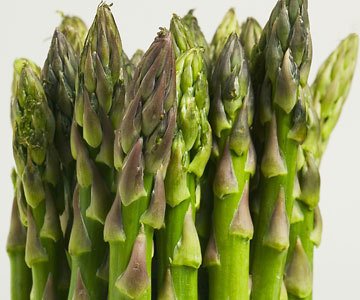
Asparagus needs a lot of space and nutrients to grow well. It fights with alliums for these nutrients.
Why Asparagus Is a Problem
- Nutrient Competition: Both asparagus and alliums take up a lot of nutrients and they need the likes of nitrogen, potassium, and phosphorus. If you plant them together then they will fight for the same nutrients and both will end up weaker.
- Growth Interference: Alliums have shallow roots, but asparagus roots go much deeper. This results in crowded roots.
4. Sage
While a lot herbs grow well with alliums sage is very much not one of them.
Why Sage Is a Problem
- Growth Inhibition: Sage likes dry soil that drains well but alliums need more moisture in the soil.
- Competing for Space: Sage grows big and can stop the sun from getting to alliums as well and means there is less air that flows around them too.
5. Turnips
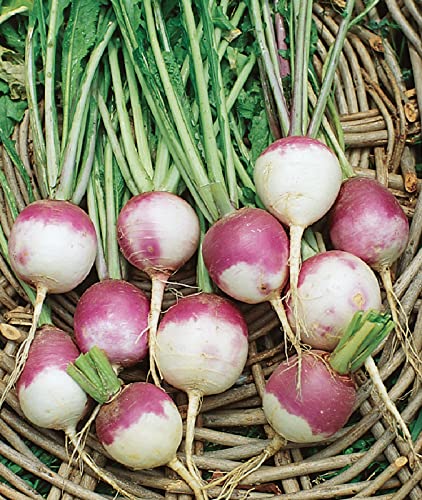
Turnips and alliums don’t work well together as alliums stop them growing properly and even make the turnips taste worse.
Why Turnips Are a Problem
- Flavor: Alliums can affect the taste of turnips making them much more bitter.
- Growth Suppression: Turnips need loose soil for their roots to grow properly. Onions and garlic roots can upset the turnip roots.
6. Grapes
You need to be careful with the plants you plant with grapevines and alliums don’t work.
Why Grapes Are a Problem
- Growth Inhibition: Some gardeners have seen that onions and garlic can slow down grapevines growth. This is probably because of the roots fighting against each other.
- Soil Nutrient Competition: Grapevines need roots that grow deep and long, and they don’t do well in soil that’s lacking nutrients. Alliums can take a lot of nutrients from the soil and mean the grapes struggle to grow.

7. Parsley

Parsley may seem like it would be a good neighbor but it doesn’t do well alongside alliums.
Why Parsley Is a Problem
- Growth: Onions and garlic release substances that really mess with parsleys growth.
- Soil Competition: Both parsley and alliums need soil full of nutrients and so they fight with each other for them.
8. Strawberries

Strawberries and alliums fight over the same nutrients.
Why Strawberries Are a Problem
- Growth: The sulfur in alliums can slow down how strawberries grow.
- Root Crowding: Strawberries have shallow roots and alliums roots are far more aggressive and will overwhelm them.
9. Brassicas (Cabbage, Kale, Broccoli, Brussels Sprouts)
Brassicas like cabbage, kale and broccoli, need to be spaced properly in gardens and planting them near alliums doesn’t really work.
Why Brassicas Are a Problem
- Nutrient Competition: Both brassicas and alliums take up a lot of nutrients which results in soil that struggles to support either of them.
- Growth Interference: Some gardeners have said that onions can stop cabbage and other brassicas growing.
10. Carrots
Carrots and alliums have a strange relationship. Some gardeners use onions to keep away carrot flies but it they’re grown too close together it can cause issues.
Why Carrots Are a Problem
- Growth Suppression: Onions release natural substances that stop carrots roots from growing.
- Competing for Space: Both carrots and onions grow underground and their roots can become tangled which stops them both growing well.
11. Fennel
Fennel is a bad companion plant for almost everything.
Why Fennel Is a Problem
- Allelopathic Effects: Fennel releases chemicals that can stop any plants near to it from growing.
- Competing for Nutrients: Fennel likes a lot of nutrients which leaves the soil without enough for alliums.
Good Companions for Alliums
After all those ones that don’t work there are some plants that do really well when planted with alliums.
- Tomatoes: Alliums can keep away pests that affect tomatoes.
- Carrots: Alliums can help stop carrot flies from coming to your garden.
- Roses: Alliums can stop aphids and other pests from attacking roses.
Tips for Successful Companion Planting
- Understand Plant Relationships: Research which plants work to help with each others growth.
- Consider Growth Habits: Make sure that plants that grow similarly are planted together so they don’t fight with each other.
- Monitor Soil Health: Test your soil on a regular basis so you keep it full of the nutrients the plants need.
Final Thoughts
If you want a garden that works well and has plants that support each other then you have to known which plants are compatible. So don’t plant your alliums with species that work against them and will fight. Avoid these plants found here and you shouldn’t have any problems.
