

Freesia are those sweet-smelling flowers that everyone seems to love. But, like all things in life, they’re not perfect. And they definitely have some plants that they really don’t get along with.
So let’s look at what to avoid planting with Freesia & why.
Understanding Freesia
Freesia can brighten up any garden but they’re a bit.. particular. I mean, who isn’t? But with Freesia it’s not just about aesthetics; it’s about survival.
They need specific conditions to thrive, and throwing them in with just any old plant is a recipe for disaster. I remember when I first started gardening I thought “Hey, flowers are flowers, they’ll all get along.” Yeah, I was wrong.
My Freesia looked like they’d lost a boxing match, all droopy and sad. Turns out they were fighting a losing battle for nutrients. It’s a lesson I won’t forget. You’ve got to understand Freesia’s needs or you’ll end up with a garden that’s more concerned with plants fighting than thriving.
Freesia bulbs are sensitive. They need well-drained soil, plenty of sunlight & just the right amount of water. Get any of that wrong and you’re looking at stunted growth, weak blooms, or worse, no blooms at all. And if they’re competing with the wrong plants, well, it’s a recipe for disaster.
Why It Matters: Getting It Wrong
If you plant Freesia with the wrong companions you’re basically setting them up for failure. They might compete for essential nutrients, get overshadowed and lose out on sunlight, or even succumb to soil-borne diseases that spread easily in crowded conditions. It’s like you wouldn’t put a toddler in a room full of teenagers and expect them to thrive, would you? Plants are kinda the same.
Plants Not to Plant with Freesia
Okay, let’s get down to the nitty-gritty. Here’s a rundown of plants you should keep far, far away from your Freesia:
Mint
Mint is like the garden equivalent of that one friend who always overstays their welcome. Seriously, this stuff is a spreader. It’s got these runners, underground stems that just shoot out in all directions, and before you know it, your Freesia are fighting for their lives.
They’re competing for water, nutrients and space. Mint also tends to dominate and your delicate Freesia will just get swallowed up. I once thought, “A little mint won’t hurt.” My Freesia ended up looking like they were gasping for air, and the mint? It was thriving, laughing in their faces, basically.
Sunflowers
Sunflowers are like those tall, loud people at a concert who block your view. They’re beautiful, sure, but they’re also huge and cast a massive shadow. Freesia loves sunlight, it practically lives for it, and putting them next to sunflowers is like telling them, “Sorry, no sunshine for you.”
Plus sunflowers are heavy feeders, meaning they suck up a lot of nutrients, leaving your Freesia with the scraps. It’s a recipe for sad, stunted blooms.
Rosemary

Rosemary is tough. It’s built for dry, arid conditions, while Freesia prefers moist, well-drained soil. It’s a complete mismatch.
Imagine trying to get a fish and a cat to share a water bowl – it’s just not going to work. Rosemary will thrive, sucking up what little moisture there is, and your Freesia will be left parched and unhappy. They’re just on completely different pages when it comes to what they need.
Eucalyptus
Eucalyptus trees are water hogs. They drink up everything, leaving the surrounding soil bone dry. And if that wasn’t bad enough they also release chemicals into the soil that can inhibit the growth of other plants.
Basically they’re like the neighborhood bully that steals your lunch money and then tells you to leave. Freesia needs consistent moisture & eucalyptus will just steal it all.
Ivy
Ivy is another aggressive spreader. It’s like a botanical ninja, creeping and climbing over everything in its path. It can quickly smother your Freesia, blocking out sunlight and airflow. It’s like being trapped under a heavy blanket on a hot day. Your Freesia will suffocate and you’ll be left wondering what went wrong.
Bamboo
Bamboo roots are incredibly invasive. They spread underground like a network of spies, taking over everything in their path. They’ll outcompete your Freesia for space & nutrients and before you know it, your Freesia will be fighting a losing battle.
Certain Types of Grasses
Especially those that spread quickly and form dense mats. These grasses are like the garden equivalent of a crowded subway during rush hour. They’ll steal water and nutrients from your Freesia, leaving them struggling to survive. It’s a turf war you don’t want to get involved in.
Potatoes
Potatoes need a lot of space and nutrients and they can also attract pests and diseases that might affect your Freesia.
Raspberries
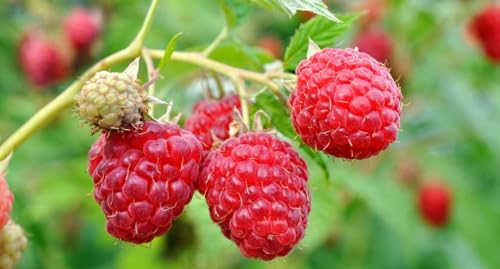
Raspberries, while delicious, are also aggressive growers. They spread rapidly and take up a lot of space, which can crowd out your Freesia. Plus they tend to prefer slightly different soil conditions, so it’s just not a harmonious pairing.
Black Walnut Trees
Black walnut trees are notorious for releasing a chemical called juglone, which is toxic to many plants, including Freesia. It’s like trying to live next door to a plant that’s actively trying to poison you. Your Freesia will struggle and you’ll wonder why they look so miserable.
Anything That Creates Heavy Shade
Freesia needs a lot of sunlight to thrive. Planting them near plants that cast dense shadows is like putting them in a cave. They won’t get the light they need and their blooms will be weak and sparse. It’s like trying to sunbathe in a cave – pointless.
Good Companion Plants for Freesia
Okay, so who does Freesia get along with? Here are a few good buddies:
- Daffodils: They both like similar growing conditions and look lovely together.
- Tulips: Another bulb that pairs well with Freesia.
- Anemones: They enjoy the same soil and sun requirements.
- Low-growing herbs: Like thyme or chives, they won’t compete for space or nutrients.
Tips for Successful Companion Planting
Here are a few tips to help you get it right:
- Know your plants: Understand the specific needs of each plant you’re working with.
- Space them out: Give your Freesia enough room to breathe and grow.
- Consider soil and sunlight: Make sure all your plants have similar requirements.
- Rotate your crops: Don’t plant Freesia in the same spot every year to avoid soil depletion.
- Watch for signs of stress: If your Freesia looks unhappy, it might be telling you something.
Final Thoughts
Gardening is always a bit of a gamble. There’s no getting away from that. You’re dealing with living things and they have their own personalities.
But by understanding what Freesia needs and avoiding the plants that just don’t mesh well you’ll be on your way to a beautiful, thriving garden. It’s all about creating harmony, not chaos. And honestly, who needs more chaos in their life?
So, take it slow, learn as you go, and don’t be afraid to make mistakes. That’s how we learn, right? And remember, even if your Freesia throws a bit of a tantrum, they’ll usually bounce back if you treat them right.
