
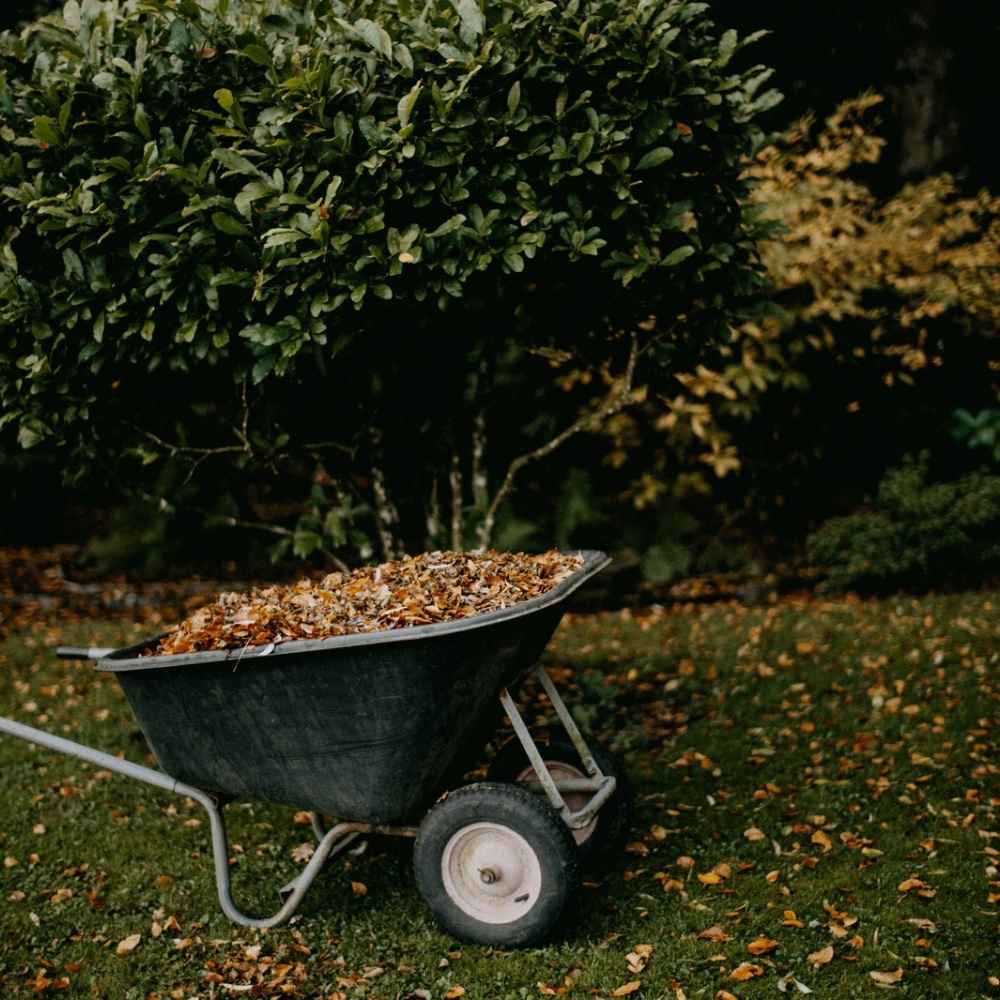
Most gardeners think of fall as the season for winding down. The last tomatoes are in. The dahlias have been blackened by frost and need lifting.
The beds look tired, the light is going and there’s an instinct to tidy up, put the tools away and wait for spring. It’s an understandable instinct. But its also one that means missing out on a lot of gardening potential that would otherwise go untapped.
fall is, by almost any measure, one of the best planting seasons of the year. The soil is still warm from summer – warm enough for roots to establish properly before the ground freezes. But the air temperature has dropped which means newly planted things don’t face the stress of heat and drought that makes spring and summer planting so demanding.
Rain is more reliable too. The frantic pace of the growing season has eased. And anything you plant now has months of ahead of it to get established quietly underground before spring arrives.
So if you do the right fall planting you’ll get a massive payoff. A rose planted in fall will establish a root system through winter and hit spring with a running start, putting on a lot more growth in its first season than the same rose planted in spring.
Hardy perennials planted will also be twice the size they would have been if planted in spring. Bulbs planted in fall will give you a wonderful display in February or March when color appears in a still bare garden. That alone is worth every minute of the fall planting you should go through.
So the following guide goes through six categories of fall planting, in each case explaining not just what to plant and how but why fall is specifically the right time for it – because understanding the reason makes it much easier to get the timing and the method right.
Quick Answer
- Cool Season Vegetables: Plant lettuce, spinach, kale and carrots in early fall for sweet harvests that can tolerate the cold
- Spring Flowering Bulbs: Plant tulips, daffodils and crocuses in fall so they bloom in the spring.
- Perennials and Shrubs: The cooler weather helps the roots establish before the heat of summer.
Spring Flowering Bulbs
If you do nothing else in the fall garden, plant bulbs. This is the most straightforward task for any gardener at any level of experience.
You put something ugly in the ground in October or November and in February or March – when everything else is still dormant and the garden looks like it forgot spring was coming – color appears. There is nothing else in gardening quite like it.
Why fall Is the Only Time for Spring Bulbs
Spring flowering bulbs need a cold period to bloom. It’s called vernalisation and it’s not optional.
The bulb has to have a sustained spell of cold temperatures to trigger the hormonal changes that lead to flowers growing. Plant a tulip bulb in spring and it will sit in the ground doing very little because it hasn’t had the cold period it needs. Plant it in fall, let it experience winter and it flowers the following spring as reliably as the season itself.
This is why fall is the only window for this category. Not the best time – the only time. Miss it and you’ve missed your chance until the following year.
Tulips: Plant Later Than You Think

Tulips are the exception to the standard bulb planting advice. While most spring bulbs go in from September tulips are best planted in late October to November – later than most people expect.
The reason is tulip fire, a fungal disease that spreads more easily in warm soil. Planting when the soil temperature has dropped below 10 degrees Celsius (50 degrees Fahrenheit) reduces the disease risk by a big margin. In warmer climates where soil temperatures stay high into late fall this is an even more important to be aware of.
Plant tulips at a depth of three times the bulb’s height – in practice that’s going to be about 15 to 20cm (6 to 8 inches) for most varieties. In heavy clay soils add a handful of grit under each bulb to improve the drainage around it as tulip bulbs that sit in damp or wet soil will rot quickly.
For the cottage garden aesthetic plant in groups of odd numbers – seven, nine, eleven etc. – rather than rows, which look a bit formal and stiff. Variety recommendations for a cottage garden setting: ‘Spring Green’ (white with green feathering), ‘Queen of Night’ (near-black, extraordinary), ‘Apricot Beauty’ (soft salmon-pink, very early) and the lily-flowered ‘White Triumphator’ for elegance.

Alliums: A Bridge to Early Summer
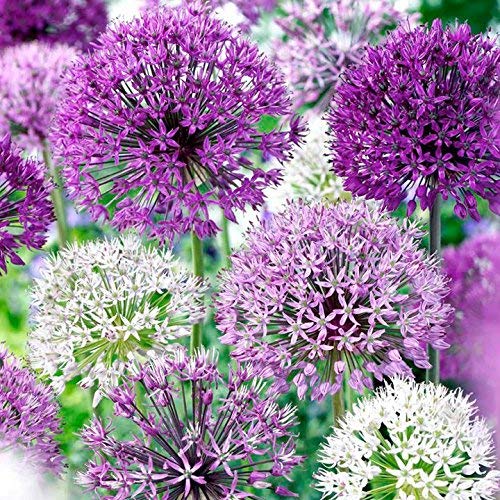
Alliums flower in late spring to early summer – later than most bulbs, which makes them really useful as a sort of bridge between the spring bulb season and the early summer perennials.
Their spheres of purple, white or violet on tall stems rising above the border are one of the defining images of the early cottage garden. And the best part is they’re very easy to grow. Plant in fall at a depth of three times the bulb’s diameter, in full sun and well drained soil.
The one thing to know about alliums: the foliage dies back before the flowers have finished. Which means you’ll probably need the neighbouring plants to disguise it.
Geraniums, salvias and ornamental grasses all work well planted around groups of alliums for this reason. ‘Purple Sensation’ is the most widely grown and reliably good. ‘Globemaster’ is larger and later.
Narcissus

Daffodils and narcissus are the most reliably perennial of the spring bulbs. One they’re planted they naturalise and multiply year after year without needing to do any lifting or replanting.
In grass they look amazing, spreading slowly into large drifts that flower earlier each year as the clump establishes. In borders they give you early color before most perennials have woken up.
Plant from September onward at a depth of twice the bulb’s height. The species narcissus – smaller, more delicate than the large flowered hybrids – naturalise really well and have a charm that the big hybrids don’t.
- Plant narcissus and alliums from September onward
- Wait until late October to November for tulips (the cooler soil means less risk of disease)
- Plant at the correct depth – three times bulb height for tulips, two times for narcissus
- Add grit under bulbs in heavy or poorly drained soil
- Plant in odd numbered groups for a more natural effect
- Interplant alliums with neighbours that will disguise the dying leaves
- Label planting locations – you will forget where they are by spring
Bare Root Plants
Bare root plants are one of gardening’s better kept secrets. They’re only available in the dormant season – from late fall through to early spring – and are sold without any soil around their roots, dug straight from the field and dispatched or collected in that state. This sounds like a disadvantage but for the right plants it works.
Why Bare Root Plants Are Worth Understanding
Bare root plants are much cheaper than the same plants sold in containers. Often half the price or less.
They’re also, counterintuitively, often better specimens. Plants grown in the field develop larger, more fibrous roots than those grown in pots where the roots will circle the container.
A bare root rose planted in fall will usually become established faster and grow more vigorously in its first season than a rose planted in a container in spring. This is because it has better roots to start with and fall planting gives it time to settle before growth begins.
The categories available as bare root are broad: roses (including climbing and rambling varieties), fruit trees and bushes, hedging plants (hawthorn, beech, hornbeam, blackthorn), soft fruit (gooseberries, currants, raspberries) and some perennials. If you’re planning a hedge, planting a fruit tree or adding roses to the garden then buying bare root in fall is almost always the right decision.
Roses: Fall Is Their Best Planting Season

Experienced rose growers are almost unanimous on this: fall is the best time to plant roses. The warm soil encourages the roots to establish before winter, which means the plant is ready to put its energy into top growth the moment spring arrives. fall planted roses consistently outperform spring planted roses in their first season, often so much so you can visibly notice it.
Plant bare root roses as soon as they arrive. If you can’t plant immediately then heel them in temporarily in a trench in a sheltered spot, covering the roots with soil to prevent them drying out.
When you’re ready to plant properly soak the roots in a bucket of water for an hour before planting. Dig a hole wide enough to fit the roots without bending them and plant so that the bud union (the knobbly join between the rootstock and variety) sits just at or slightly below the soil level.
Backfill, firm well to remove air pockets, water in thoroughly and mound soil around the base for protection from the frost through winter.
Fruit Trees
A fruit tree is a long term investment and fall is the best time to make it. Bare root fruit trees planted in fall establish their root systems through winter and begin the growing season with a big head start.
They’re also, as noted, substantially cheaper than container grown trees and available in a much wider range of varieties. A lot of heritage and specialist varieties are only available bare root because the commercial nurseries don’t grow them in containers.
Stake newly planted trees. A short stake angled at 45 degrees into the prevailing wind, with a proper tree tie rather than string, is the standard approach.
The stake supports the roots while they establish, not the trunk. It should be removed once the tree is established, usually after two or three years. Planting without staking in a windy spot will mean the roots rocking in the ground, which stops it from becoming established.
Hedging: fall Planting at a Fraction of the Cost
If you need a hedge – for privacy, for wildlife, for shelter, for structure etc. – buying bare root hedging plants in fall is the best approach. Bare root beech, hornbeam, hawthorn, blackthorn and field maple can cost as little as a tenth of the price of the same plants in containers.
A hedge that would cost hundreds of pounds or dollars bought in a container in spring can be planted for a fraction of that bought bare root in fall.
For a mixed native hedge – which is excellent for wildlife – combine hawthorn (the backbone, fast-growing and stock-proof), blackthorn (impenetrable, berries for wildlife), field maple (fall color), dog rose (flowers and hips) and hazel (structure and nuts). Plant in a double staggered row 45cm (18 inches) apart for a dense hedge.

Hardy Perennials and Shrubs
This is the fall planting category that surprises people the most. The instinct is to plant perennials and shrubs in spring when everything is visibly growing and it feels like the right moment to be adding things to the garden.
But fall planting of hardy perennials and shrubs offers an advantage that spring planting can’t match and understanding it changes how you think about the whole growing season.
The Root Growth Window
What happens underground in fall is the temperature of the soil drops more slowly than air temperatures. The soil holds on to the warmth of summer for weeks after the air has turned cold. During this window, when soil is still warm but top growth has slowed or stopped, plants direct their energy down.
Roots continue to grow in soil temperatures above about 5 degrees Celsius (40 degrees Fahrenheit) which in many temperate climates means roots are growing underground well into December.
A hardy perennial or shrub planted in September or October has the entire fall and any mild spells through winter to establish its roots. By the time spring arrives and need for growth increase, it already has the infrastructure to meet them. The same plant planted in spring goes straight from establishment into the demands of the growing season without that preparation period – it’s playing catch up.
In practical terms this means that hardy perennials you plant in the fall are typically significantly larger and more established by the end of their first growing season than spring-planted equivalents. The difference is most visible in the second year, when they can look like two or three year old plants while the spring planted ones are still settling in.
What to Plant and What to Wait On
The main criteria for fall planting is hardiness. Fully hardy perennials and shrubs – those rated to survive the winters in your climate without protection – are excellent choices. Half hardy or tender plants are definitely not.
Planting something that isn’t going to survive your winters in fall, when it has no growing season to establish before the cold hits, is just asking for a dead plant.
Good options for fall planting are:
- Hardy perennials: Echinacea, salvia nemorosa, astrantia, geraniums (hardy varieties), rudbeckia, heuchera, nepeta, achillea and most ornamental grasses. These are all fully hardy in most temperate climates and will establish through fall without any issues.
- Shrubs: Roses (covered above), lavender, buddleja, hardy fuchsia, cornus, viburnum, and most deciduous shrubs. Evergreen shrubs can also be planted in early to mid fall – but don’t plant evergreens in cold climates in late fall as they continue to lose moisture through their leaves through winter while their roots aren’t yet established enough to replace it.
- Ornamental grasses: Most hardy grasses establish well in fall. The exception is some warm season grasses (miscanthus, panicum) which prefer spring planting in colder climates.
What to leave until spring: anything tender or borderline hardy and any plants you’re not confident will survive your winters. The establishment advantage of fall planting only applies to plants that can make it through to spring.
Aftercare
Hardy perennials and shrubs planted in the hall need less aftercare than spring planted ones. Which is another positive about them.
The cooler temperatures and more reliable fall rainfall mean newly planted things rarely need extra watering once established. Unlike spring and summer plantings that can need daily watering through dry spells.
Water in well at planting, apply a mulch layer around (not touching) the crown or stems and they’ll largely look after themselves until spring. Check occasionally during dry spells in early fall when the soil can still dry out quickly, but once the fall rains set in you can largely leave them alone.
Biennials: Plant Now for Next Year
Biennials are the plants that reward you for thinking ahead. They spend their first year building roots and leaves, then flower in their second year and set seed before dying.
The consequence of this life cycle is that to have biennial flowers in your garden next spring and summer you need to plant them this fall. There is no shortcut – biennials planted in spring will flower the spring after that, not the coming one.
I find biennials one of the most satisfying plants to grow precisely because of this planning. Putting in wallflower plants in October, knowing they’ll be giving your garden a lovely scent the following April needs a kind of optimism that feels oddly right for gardening.
Wallflowers

Wallflowers are one of the great spring garden plants and almost nobody grows enough of them. Planted in fall and available as plug plants or small pot grown plants from late summer onward, they flower from March to May in shades of yellow, orange, red, mahogany and cream. The aroma on a warm spring afternoon is very distinctive – one of those smells that stops you in your tracks.
Plant them in full sun in well drained soil. They like to be up against a south facing wall where the soil is warm and dry.
Space them about 30cm (12 inches) apart and pinch out the growing tips when planting to encourage bushy, branching plants rather than single leggy stems. Pair them with tulips for one of the great spring combinations: the wallflowers provide a fantastic scent and the tulips rise through them in complementary or contrasting colors.
Foxgloves
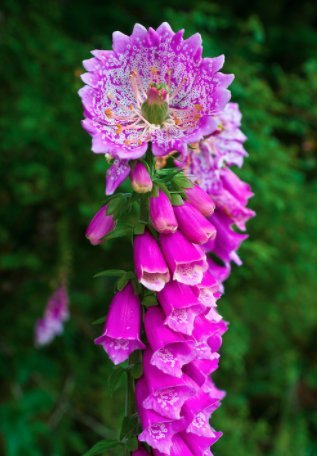
Foxgloves planted in fall as young plants will produce those magnificent tall spires of tube shaped flowers the following June. In shadier gardens where most tall plants struggle foxgloves are great – they’re among the best plants for light under trees and in north facing borders.
Plant young foxglove plants in fall, space 45cm (18 inches) apart and let them establish through winter. They’ll flower in early summer and, if you let some set seed, self seed hugely.
A note on the self seeding: foxgloves cross pollinate freely, which means self seeded plants often come up in surprising color combinations – the white or purple of the parent plants ends up spotted or speckled in the offspring. This is entirely a feature rather than a problem, and it’s part of what gives a foxglove filled border its wild, unplanned quality.
Sweet Williams and Honesty

Sweet Williams planted in fall flower the following May and June in tight clusters of red, pink, white blooms with a fragrance similar to cloves. They’re excellent cut flowers and work beautifully in the cottage border.
Honesty is less often grown but very much worth it. The purple or white spring flowers are followed by silver seed pods that are as decorative as any flower and last well into winter. Both are sown as seed in summer or planted as young plants in fall for the following year’s display.
- Plant wallflowers in October – pinch out tips to encourage bushy growth
- Pair wallflowers with tulip bulbs planted at the same time
- Plant foxglove young plants in fall, spaced 45cm apart
- Allow some foxgloves to self seed for a rolling self-sustaining population
- Plant sweet Williams for fragrant early summer color and cutting
- Add honesty for spring flowers and winter seed pod interest

Vegetables and Salad Crops
The assumption that a vegetable garden shuts down in fall is one of the most limiting beliefs in food gardening. Some of the most productive and least demanding food crops of the whole year are planted in the late summer and fall. They will produce harvests through the colder months when nothing else is growing.
What you have to do is choose crops that are suited to cool conditions and understanding that slow, steady growth through fall and winter is still growth – you’re just working on a different timescale than the faster pace of a summer kitchen garden.
Garlic

Garlic is one of the most enjoyable crops to grow. You plant individual cloves in fall – from October to November in most climates. They establish roots and produce small shoots before winter, sit quietly through the coldest months and then grow rapidly in spring to produce full bulbs ready for harvest in early summer.
The process takes eight to nine months from planting to harvest but the work involved is very minimal: plant, weed occasionally, harvest. That’s more or less it.
Plant cloves pointed end up, about 2.5cm (1 inch) below the soil surface, spaced 15cm (6 inches) apart in rows 30cm (12 inches) apart. Full sun and well drained soil are the main requirements – garlic in waterlogged soil rots.
Hardneck varieties (Allium sativum var. ophioscorodon) produce fewer but larger cloves with a different flavor and are better suited to colder climates. Softneck varieties store longer and are the type you see braided in photographs. Both are worth growing though.
Overwintering Onion Sets
Overwintering onion sets – varieties that are bred for planting in the fall – go in the ground in October and November and produce earlier, often larger onions than spring planted sets. Varieties like ‘Electric’ and ‘Senshyu Yellow’ are bred for fall planting and cold hardiness.
Plant at the same depth and spacing as garlic and do it in full sun and well drained soil. They’ll produce small green shoots before winter, sit through the cold and begin growing strongly as the days get longer in spring.
Hardy Salad Leaves and Greens

The range of salad and leaf crops that can be grown through fall and into winter is bigger than most people realize. In mild climates or with the protection of something like a polytunnel or cloche the following can all be harvested well into the colder months:
- Winter lettuce varieties (Arctic King, Valdor) – much hardier than summer lettuces and able to survive light frosts
- Spinach – extremely cold hardy, productive through winter in most climates with little protection
- Rocket (arugula) – grows slowly but steadily in cool conditions
- Corn salad (lamb’s lettuce) – one of the hardiest salad crops which can survive through temperatures well below freezing
- Asian greens (pak choi, mizuna, mustard leaves) – fast growing, tolerant of cold and productive from late summer sowing
- Kale and chard – among the hardiest vegetables available, productive through serious winter cold and often improving in flavour after frost
The limitation in colder climates is not temperature but light. Growth slows massively as the length of the day gets smaller and from midwinter to late winter many crops basically pause.
The strategy is to get plants established and at a reasonable size before the shortest days so they’re ready to resume growth quickly as light returns in the late winter.
Broad Beans
In milder climates (roughly USDA zone 7 and warmer, or the UK and much of Western Europe) broad beans sown in October or November overwinter as small plants and flower and crop significantly earlier than spring-sown beans – often by four to six weeks. Earlier crops mean harvest before blackfly (a major broad bean pest) becomes a serious problem, which alone is worth the earlier sowing. Use varieties specifically bred for fall sowing – ‘Aquadulce Claudia’ is the standard, reliably hardy and productive.
Lawn Overseeding and Turf Laying
Fall is the second best season for lawn work – the other being spring – and for some tasks it’s actually the better of the two. The combination of warm soil, cooler air temperatures and rain in the fall creates near perfect conditions for grass seed germination. Overseeded or newly turfed lawns laid in fall have a long, stress free establishment period ahead of them before the demands of the following summer arrive.
Why fall Lawn Work Pays Off
The logic is similar to the perennial planting advantage. Grass seed sown in fall germinates in warm soil and then establishes through the cooler months at its own pace, without being affected by summer heat and drought.
By spring a fall overseeded lawn has a well developed roots and fills in much more quickly than spring sown areas. New turf laid in fall needs far less watering than turf laid in the summer because the cool weather and rain do much of the work for you.
There’s also a weed argument for fall overseeding. Annual weeds germinate most aggressively in spring.
Grass sown in the fall gets established and dense before the spring flush of weed germination, outcompeting weeds more effectively than a lawn that’s still thin and patchy when the weeds want to move in.
Overseeding Thin and Bare Patches
Thin or bare patches in an established lawn are best addressed in early to mid fall – September is ideal in most temperate climates when the soil is still warm from summer and there are still enough weeks of growing weather for the new grass to establish before winter. The process is fairly simple:
- Rake the bare or thin area to get rid of dead material and rough up the soil surface. New grass seed needs good contact with soil to germinate – a loose, open surface is much better than a compacted or thatch covered one.
- If the soil is compacted then use a fork to get some air through it – push it in and rock it gently to open up the structure without completely turning the soil.
- Scatter grass seed at the recommended rate for your seed mix – typically 25 to 35g per square metre (about 1oz per square yard). Don’t skimp: thin sowing produces a thin result.
- Rake lightly to get the seed into the top few millimetres of soil.
- Water gently but thoroughly if conditions are dry. In most fall natural rainfall will do the job – but check and water if the surface dries out before germination.
- Keep people off the area for at least six weeks. Feet will damage it.
Laying New Turf in fall
New turf can be laid any time the ground isn’t frozen or waterlogged – but fall is the best season for it. Turf laid in fall roots into the soil quickly in the warm conditions, doesn’t need much watering compared to summer turf laying and is well-established and tough by the time the following summer arrives. Prepare the ground thoroughly before laying – level, remove all perennial weeds, and incorporate organic matter into the top layer – because the effort of correcting problems after the turf is down is hard.
Lay turf in a brick bond pattern (staggered joints), press it into contact with the soil with a flat board and butt the edges together to avoid gaps where the weeds will establish. Water in well immediately after laying and keep moist until the turf has rooted.
You can check by lifting a corner; if it lifts away easily, it hasn’t rooted yet. In cool fall conditions with regular rain, most turf roots within three to four weeks.
- Overseed thin and bare patches in September – before soil cools too much
- Rake areas before sowing to ensure good seed to soil contact
- Sow at the recommended rate – don’t undersow
- Lay new turf in fall for easier establishment and less watering
- Prepare ground thoroughly before turfing – level, weed and improve the soil
- Keep new seed and turf areas free from anyone walking on it for six weeks minimum
- Apply fall lawn feed (high potassium, not high nitrogen) to established lawns

Final Thoughts
What runs through all of this guide is the same: fall planting sets things up in a way spring planting can’t because it gives plants time. Time to root before the demands of the growing season and to establish before summer heat and drought.
The garden in spring is largely the product of what happened in fall. And the gardeners who understand this tend to have better gardens in April and May than those who put everything away in October and wait.
None of this requires a huge amount of time or effort. A Sunday afternoon planting tulip and allium bulbs in October.
Maybe a morning in September heeling in a bare root rose delivery and potting on some wallflower plugs. An hour overseeding the thin patch of lawn that’s been bothering you since July.
The gardening year doesn’t end in the fall. In many ways that’s when some of the most important work begins.
Start thinking about your garden that way and the whole calendar opens up – twelve months of possibility rather than six months of growing season.
Plant something this fall. It will be there, quietly doing its work underground, all winter. And when spring comes you’ll be very glad you did.
