

Dahlias are awesome and really pretty. But when I grew dahlias for the first fine I thought I’d done something wrong.
I’d planted the tubers in late May, and those tubers are odd things that look more like a bunch of sweet potatoes than anything that was going to give me flowers. Sadly I then had to watch as the soil did absolutely nothing.
Just an empty patch of ground that I’d marked with a bamboo cane so I wouldn’t accidentally dig it up. But then, somewhere around late June, a few small shoots appeared. By August the plants were chest height and covered in the most extraordinary flowers I’d ever grown.
That’s not an uncommon experience for most beginners when they grow dahlias. Slow and uncertain at first, then suddenly, boom – loads of them.
Dahlias flower from midsummer until the first hard frost and have bloom after bloom in a range of colors that covers almost every shade except blue. They’re the backbone of the late-season garden and one of the best cut flowers you can grow – the more you pick, the more they produce.
They do ask more of you than most plants though. The tubers have to be lifted and stored over winter in colder climates or at least protected in the ground.
They also need staking, feeding and a technique called pinching out that improves how many flowers you get. None of it is complicated, but there’s more to learn than with a packet of cosmos seeds.
This guide covers all of that – choosing the right variety, planting correctly, caring through summer, feeding for the best blooms, dealing with pests and getting your tubers safely through winter. Work through it in order and your first dahlia season should be a good one.
Quick Answer
- Plant in Full Sun: Dahlias need at least 6 to 8 hours of direct sunlight each day to get strong stems and large flowers.
- Use Well Draining Soil: Plant tubers in loose soil after the last frost and don’t let them get too wet as that will cause rot.
- Support and Feed: Stake taller varieties early and feed them every few weeks through the growing season.
For more ideas see the 10 Easiest Flowers for Beginners to Grow.
Choosing the Right Dahlia Type and Variety
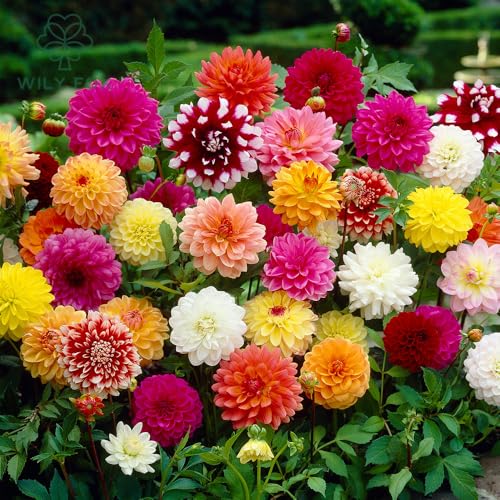
Dahlias are classified by flower form and the range is huge. The Royal Horticultural Society recognises fourteen different flower groups, from tiny pompons to giant dinner plate sized ones that can reach up to 30cm (12 inches) across.
For beginners the classification system can be an bit overwhelming at first. But in practice you mostly just need to know which forms suit your garden and what you want to achieve.
Understanding the Main Flower Forms
The most grown types for garden and cutting purposes are:
- Decorative dahlias: Fully double flowers with broad, flat tipped petals arranged in a neat spiral. The massive varieties fall into this group. ‘Cafe au Lait’ – that famous blush and caramel blend that appears in every florist’s fall arrangement – is a decorative dahlia, as is the burgundy ‘Arabian Night’. These are perhaps the most dramatic to look at dahlias you can grow.
- Ball and pompon dahlias: Smaller, perfectly spherical flowers with tightly rolled petals. Ball dahlias are about the size of a tennis ball; pompons are smaller again, golf ball or less. ‘Wizard of Oz’ (orange) and ‘Cornel’ (deep red) are good ball types. These are excellent cut flowers and hold their shape well in arrangements.
- Cactus dahlias: Fully double flowers with narrow and pointy petals that roll backwards along their length, giving the flower a spiky look. ‘Hamari Gold’ and ‘Preference’ are popular cactus types. They have a more dramatic feel than decorative dahlias and work beautifully in the border.
- Single and anemone dahlias: One or two rows of petals surrounding a central disc – simpler, more like daisies and by far the best dahlias for pollinators. The Bishop series (Bishop of Llandaff, Bishop of Oxford, Bishop of Auckland) are single flowered with dark foliage and are among the best cottage garden dahlias you can grow. If wildlife matters to you then single dahlias are the most responsible choice.
- Collarette dahlias: Single outer ring of petals with a central collar of shorter, often contrasting petals around the disc. ‘Pooh’ (yellow with orange collar) is a classic. These are charming, slightly old fashioned,m and excellent for bees.

Choosing Varieties as a Beginner
There a few things that make the choice easier. First, start with fewer varieties than you think you want – three to five different dahlias is plenty for a first season.
You’ll learn a lot about how they grow, what your conditions suit and what you like. Buying twenty tubers because you’re super enthusiastic and then finding you prefer ball types to decoratives is an expensive lesson to learn.
Second, check the eventual height. Dahlia heights range from 40cm (16 inches) for compact border varieties to well over 150cm (5 feet) for the giant decoratives. The plant label or catalogue description will give you a mature height – read it and make sure taller varieties are going in the back of the border where they won’t block shorter plants.
Third, for your first season, stick to well established, reliably performing varieties rather than chasing the newest introductions. ‘Cafe au Lait’, ‘Bishop of Llandaff’, ‘Karma Choc’ (deep chocolate-red decorative), ‘Totally Tangerine’ (orange single, excellent for bees) and ‘Twyning’s After Eight’ (white single with dark foliage) are all proven that experienced growers return to year after year. They’re popular because they work.
Planting Dahlia Tubers: When, Where and How Deep
Getting the planting right sets up everything that follows. Dahlia tubers planted in the right conditions at the right time establish quickly and hit the ground running.
Planted too early, too deep or in the wrong spot and they’ll rot before they even get started. Which is a pretty poor way to start your dahlia journey.

When to Plant
The most important rule: dahlias go in the ground after all risk of frost has passed. Dahlia tubers cannot cope with frost at all. In fact a late frost will kill emerging shoots and can damage or destroy the tuber itself.
In the UK that typically means late April in the south and May in the north. In the US/Canada it means after your last frost date which varies a lot by zone – anywhere from March in zone 9 and warmer to late May in zone 5.
If you want earlier flowers – and dahlias started indoors can be bloom a good weeks ahead of direct planted tubers – start them in pots indoors in April. Use a 3 litre pot or larger, cover the tuber with about 5cm (2 inches) of compost, water sparingly until shoots appear, and keep in a frost-free, bright spot. Harden off before planting out after last frost.
Alternatively plant directly into the ground when the conditions are right and then wait. It takes longer to see results but doesn’t need as much fussing and direct planted dahlias often catch up quickly once the soil warms.
Choosing the Right Spot
Dahlias do not like shade. At all. They need full sun – a minimum of six hours of direct sunlight every day and more is better.
In a shaded or partially shaded position dahlias grow weakly, give you fewer flowers and become much more susceptible to disease. If your garden get a lot of shade and dahlias are what you want then containers on a sunny patio are a better option than a shaded border.
They also need shelter from strong winds. Dahlia stems are surprisingly brittle despite their height and a strong gust can snap branches or flatten them.
Somewhere that gets sun but is sheltered by a fence, hedge or other planting is ideal. Exposed, windy gardens are difficult dahlia territory – not impossible but you’ll need to have staked them well and be ready to lose some of them in bad weather.
Soil matters too. Dahlias do best in well drained soil that’s been improved with organic matter. They don’t like waterlogged conditions as the tubers rot quickly in poorly drained soil. If your soil is heavy clay either grow dahlias in raised beds or improve the planting area with grit and compost before you begin.

How to Plant
Before planting try to identify the growing points on your tuber – the small pink or cream buds that will become shoots. They appear at the base of the old stem (the neck) not on the tubers themselves.
If you can’t see any obvious growing points give the tuber another week in a warm spot and then check again. Planting a tuber with no growing points is planting something that won’t grow.
- Dig a hole 10 to 15cm (4 to 6 inches) deep – about the depth of your spade’s blade.
- If your soil isn’t already well improved add a handful of general purpose granular fertiliser and a scoop of compost to the planting hole and mix in.
- Put the tuber horizontally in the hole with the growing points facing upward or at a slight angle if that suits the shape of your tuber better. The neck (where the growing points are) should be just below the the surface of the soil – about 5cm (2 inches) down.
- Insert the stake now, before you fill in the hole. Pushing a stake in after the plant is growing risks damaging the tuber. Use a bamboo cane or a sturdy wooden stake at least 120cm (4 feet) tall for medium varieties, taller for large ones.
- Backfill with soil and water in lightly.
- Do not water again until you see shoots emerging. This is where a lot of beginners go wrong as they water the bare soil regularly thinking they’re helping,l but instead they end up rotting the tuber before it’s had a chance to sprout. The tuber has enough stored energy to get started; it doesn’t need extra water until it’s actively growing.

Staking, Pinching and General Summer Care
This where we’ll get into how to make sure your dahlias are absolutely covered in blooms from August to October. Two techniques – staking properly and pinching out – make more difference to how your dahlias do than almost anything else. Neither is complicated but both are easy to skip over or forget about if you don’t know why they matter.
Staking
You should have staked when planting. Id so – good. Now as the plant grows tie the main stem loosely to the stake with (soft) twine or plant ties, adding ties every 20 to 30cm (8 to 12 inches) as the plant gets taller.
The key word here is loosely – you want to support the stem without it being too tight or constricting. A figure of eight tie between the stem and the stake (loop around the stem, cross in the middle, loop around the stake) gives support that doesn’t rub.
For larger, bushier dahlias just one central stake is sometimes not enough. A ring of three or four canes around the plant with string or netting connecting them gives better support for plants that are producing a lot of branches. It will looks a bit odd but does work.
Pinching Out
Pinching out is probably the most valuable technique when growing dahlias and it’s the one that surprises most beginners when they first see what it does.
When your dahlia plant has reached about 40 to 45cm (16-18 inches) tall and has three or four pairs of leaves, you pinch out – remove – the central growing tip. Just snap or cut it off cleanly just above a set of leaves.
This sounds counterintuitive. You’re removing growth from a plant you want to be bigger. But removing that central tip redirects the plant’s energy into its side shoots, which then multiply and branch in turn, eventually creating a much bushier plant with far more flowering stems than an unpinched plant would ever produce.
An unpinched dahlia will usually produces three to five main stems. A pinched dahlia can produce eight to twelve or more. More stems means many more flowers.
The tradeoff is that pinching delays the first flowers by a couple of weeks. If you’re growing dahlias mostly for very early blooms you might want to skip it.
But to get the most flowers across the whole season – which is what most gardeners want – pinching out is a must. Do it once, when the plant is at the right height, and then let it get on with growing.
Deadheading to Keep Flowers Coming
Once your dahlias start blooming, deadheading – removing spent flowers – is the task that keeps them producing. Left on the plant, spent flowers divert the plant’s energy into seed production and slow down the production of new buds. Remove them and that energy goes back into flowering.
Cut spent blooms back to the next set of leaves or side shoot, not just the flower head on its own. This encourages a new flowering stem to grow from that point rather than just leaving a behind that’s bare.
Do a pass through your dahlias every three or four days – it takes ten minutes and keeps the display going weeks longer than it otherwise would.
One thing to know: it can be hard to tell a spent dahlia flower from a bud that hasn’t opened yet. The difference is in the shape.
A bud that’s yet to open is round and firm and will be pointing up or outward. A spent flower hangs down on its stem and the petals have a soft and slightly collapsed look. Once you’ve spotted it a few times it becomes second nature.
Garden not living up to its potential?
My free guide 7 Gardening Mistakes That Are Killing Your Plants covers the most common reasons outdoor plants struggle — and what to do about it.
Watering and Feeding Dahlias for the Best Blooms
Dahlias are hungry, thirsty plants in full growth. Getting the watering and feeding right is what gets you those large flowers. Get it wrong – either neglecting them or smothering them – and you’ll get plants that look okay but never quite deliver on what the catalogue or what you’ve seen online promised.
Watering
For the first few weeks after planting water sparingly. The tuber has enough stored energy to germinate and for the initial growth without much external water, plus wet soil around an inactive tuber is a fast way to cause it to rot. Once the shoots are 10 to 15cm (4 to 6 inches) tall and the plant is clearly in active growth you can start to water more regularly.
Through the growing season dahlias need consistent moisture but not waterlogged soil. In dry summers a deep watering two or three times a week is better than doing a light daily sprinkle.
Deep watering encourages roots to grow down into the soil, which makes the plant tougher. Light surface watering keeps roots shallow and depending on regular watering from you.
A thick mulch layer – 5 to 8cm (2 to 3 inches) of compost or well rotted manure – around the base of each plant (not touching the stems) helps retain soil moisture and reduces how often you need to water. It also stops weeds which compete with dahlias for the water and nutrients they need. In a hot summer mulching makes a very noticeable difference.
Feeding
Dahlias respond well to feeding but the type of feed matters and changes through the season. The basic principle is this: early in the season when the plant is building stems and foliage a balanced general fertiliser works well.
From the moment the first buds appear is when you want to switch to a high potash feed – the kind used for tomatoes works perfectly – which supports flower growth rather than leafy growth.
A liquid tomato feed applied every ten to fourteen days from when the buds form is one of the most reliable things you can do for dahlia flower quality and quantity. It sounds almost too simple but the improvement over unfed plants is really noticeable. Flowers are larger, colors are more intense and the plants keep producing later into the season.
Don’t overfeed with a high nitrogen fertiliser like the kind used for lawns or leafy vegetables. Too much nitrogen produces lots of dark green foliage and disappointing flowers. Dahlias need the balance to tip toward potash once flowering begins, not toward nitrogen.
Planting to first buds: balanced granular fertiliser worked into soil at planting, or a general liquid feed fortnightly.
First buds onward: high potash liquid feed (tomato fertiliser) every 10 to 14 days until first frosts.
Stop feeding entirely from mid September to let the plant to begin preparing for dormancy.

Pests and Common Problems
Dahlias have a reputation for being pest magnets and it’s not entirely unfair. There are quite a few creatures that find them delicious and a few diseases that can cause real problems if conditions are right. Thankfully most dahlia problems are predictable and easy enough to manage once you know what to look for.
Slugs and Snails
Newly emerging dahlia shoots are extremely vulnerable to slug and snail damage – the soft young growth is exactly what they’re looking for and a bad night can set a plant back weeks or destroy it completely. You should be most vigilant from the moment shoots appear until the stems have hardened and the plant is 30cm or more tall.
Methods that work include copper tape around individual pots or the edge of beds, nematode treatments applied to the soil (Phasmarhabditis hermaphrodita is effective and completely non-toxic to other wildlife), going out after dark with a torch and removing slugs by hand (hard work but effective) and encouraging natural predators like hedgehogs, ground beetles and thrushes that all eat slugs.
Pellets work but the metaldehyde based ones are harmful to wildlife and have been restricted or banned in several countries; if you use pellets, use ferric phosphate based ones which are safe for wildlife.

Earwigs
Earwigs are a specific dahlia problem that catches beginners off guard. They hide during the day and feed at night, chewing holes in the petals that make flowers look untidy and damaged.
The plant itself is rarely seriously harmed but the flowers are spoiled. The classic trap is an upturned flowerpot filled with straw or screwed up newspaper on top of a cane near the plants. The earwigs shelter in it during the day and you can then get rid of them each morning.
It’s low tech but more effective than you’d think. Checking under leaves and around buds regularly helps too.
Aphids
Aphids will take over dahlia shoot tips and flower buds, stopping their growth and, more seriously, spreading dahlia mosaic virus as they move between plants. A strong jet of water will get rid of them from stems and buds.
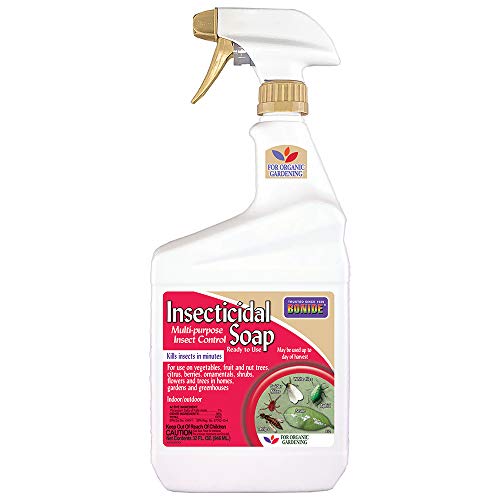
Ladybirds, lacewings and hoverflies are natural predators so you can encourage them by growing companion plants like fennel, dill and marigolds nearby. For serious infestations an insecticidal spray applied directly to the aphids works well and doesn’t do too much harm to other insects if you use it carefully in the evening when pollinators aren’t active.
Powdery Mildew
Powdery mildew appears as a white powdery on the leaves, usually from the late summer. It’s caused by a fungus that thrives when days are warm and nights are cool – which are classic late summer conditions – and is made worse by plants being stressed from underwatering or overcrowding. It rarely kills dahlias but it disfigures the foliage and weakens the plant toward the end of the season.
Prevention is more effective than treatment: water at the base rather than overhead, make sure they’re spaced well it get good airflow and don’t let plants become seriously drought stressed.
If mildew appears then remove any affected leaves quickly and don’t compost them. A spray of diluted milk (one part milk to nine parts water) on the leaves sounds unlikely but has some real evidence behind it as a mild preventative treatment. Can’t say I’ve tried it myself but if you’re desperate it could be worth a shot.
Dahlia Mosaic Virus
Mosaic virus resuts in mottled yellow leaves and poor growth. Sadly there is no cure.
Infected plants should be dug up and put in the bin – not composted – and the tools used to handle them cleaned before touching any other plants. The virus is spread mostly by aphids, which is another reason to manage aphid populations early. Buy tubers from suppliers you trust whose stock is certified virus free where possible.

Lifting, Storing and Overwintering Dahlia Tubers
This is the part of dahlia growing that puts some people off before they’ve even started. Lifting tubers, drying them, storing them through winter and planting them out again the following year sounds like a lot of work. And honestly, it is a bit of chore.
But the result – tubers that multiply each year, meaning more plants for free and established roots that produce bigger and earlier plants than new tubers – makes it worthwhile.
When to Lift
In most of the UK (zones 8 to 9) and in USDA zones 8 and warmer dahlias can potentially be left in the ground over winter with a thick mulch for protection. Whether this is worth the risk depends on your conditions – a well drained, sheltered garden in a mild coastal area is very different from an exposed garden in the Midlands.
If in doubt, lift. A tuber safely in storage is worth more than one that might have rotted in the ground.
In USDA zones 7 and colder lifting is not optional. The tubers will not survive winter in the ground.
Lift after the first frost blackens the foliage but before the ground freezes solid. The frost actually does something useful: it triggers the tubers to begin hardening off and concentrating their stored energy, which helps them store better. Don’t lift immediately after the first frost though – give it a few days.
How to Lift and Cure the Tubers
- Cut the stems back to about 15cm (6 inches) above ground level after the foliage has been blackened by frost.
- Use a fork rather than a spade to lift the tuber clump. Work outward from the plant rather than directly underneath, as the tubers extend further than you’d expect and a spade can cut them in half.
- Shake off as much soil as you can without washing the tubers. Some people wash tubers clean; others prefer to leave some soil on. Either way works if the tubers are then dried properly.
- Turn the clump upside down and leave it to dry in a cool, airy shed or garage for at least two weeks. Turning them upside down allows any moisture in the stems to drain out rather than sitting at the cut end and causing rot.
- Once dry look at the clump carefully. Remove any tubers that are clearly damaged, soft or showing signs of rot. A healthy tuber is simple: it should be firm, have a visible neck connecting it to the main stem and ideally have at least one visible growing point at the neck. A tuber without a neck attached to the main crown will not grow.
Storing Through Winter
The goal of winter storage is to keep the tubers cool enough to stay dormant, dry enough so they don’t rot and just moist enough to prevent them from shrivelling completely. The ideal storage conditions are 7 to 10 degrees Celsius (45 to 50 degrees Fahrenheit), darknand with moderate humidity.
Pack tubers in boxes or crates in barely damp compost, vermiculite or wood shavings – the medium should feel a little damp to the touch but not wet.
Some gardeners store them in paper bags or old tights with good amount of airflow. Check them every few weeks through winter.
If you find soft or rotting tubers remove them quickly before the rot spreads. If tubers are shrivelling add a little more moisture to the storage medium.
A frost free garage, garden shed or cellar is the best place to store them. They need to stay above freezing throughout winter – a single hard frost in storage can destroy the whole lot. If your storage area gets very cold wrap the boxes in old blankets or bubble wrap as insulation.
Dividing Tubers in Spring
By the time spring arrives each group you lifted will have multiplied. A single tuber planted in spring usually becomes a clump of four to eight or more by fall.
This is how experienced growers build up large collections quickly. Before replanting in spring divide the clump into individual tubers, each with a section of neck and at least one visible growing point. A clean, sharp knife is the right tool as cuts made with a blunt or dirty blade can introduce disease.
Dust cut surfaces with powdered sulphur or garden lime to help stop any fungal infections at the wound, then pot or plant as you would a new tuber. Any tubers without a visible growing point are unlikely to produce plants so set them aside and wait a couple of weeks in a warm spot to see if any growth appears before you get rid of them.
Final Thoughts
Dahlias are not difficult but they’re not completely simple to grow and care for either. They want full sun, well drained soil, staking, pinching out, regular feeding, consistent deadheading and winter protection in colder climates. That’s a longer list of requirements than something like rudbeckia or an echinacea.
What they give back in return though is quite extraordinary. From midsummer until the first hard frost a well grown dahlia delivers more flowers than almost any other plant in the garden.
The range of forms and colors is unlike anything else in the plant world. And year after year the tubers multiply and the plants get bigger and more productive. It’s like a good financial investment that compounds each season.
If you’re just starting out then begin with three or four varieties. Learn what your conditions suit. Get comfortable pinching and deadheading and with the feeding schedule. And get the winter storage right.
Then by your third or fourth season you’ll have a collection of flowers you know work, a stock of tubers you’ve grown yourself from that first season’s purchase and a late summer garden that will be stopping people in their tracks.
As for me – I still grow dahlias every year. Once they get their hooks into you, they tend to stay.
Garden not living up to its potential?
My free guide 7 Gardening Mistakes That Are Killing Your Plants covers the most common reasons outdoor plants struggle — and what to do about it.
