
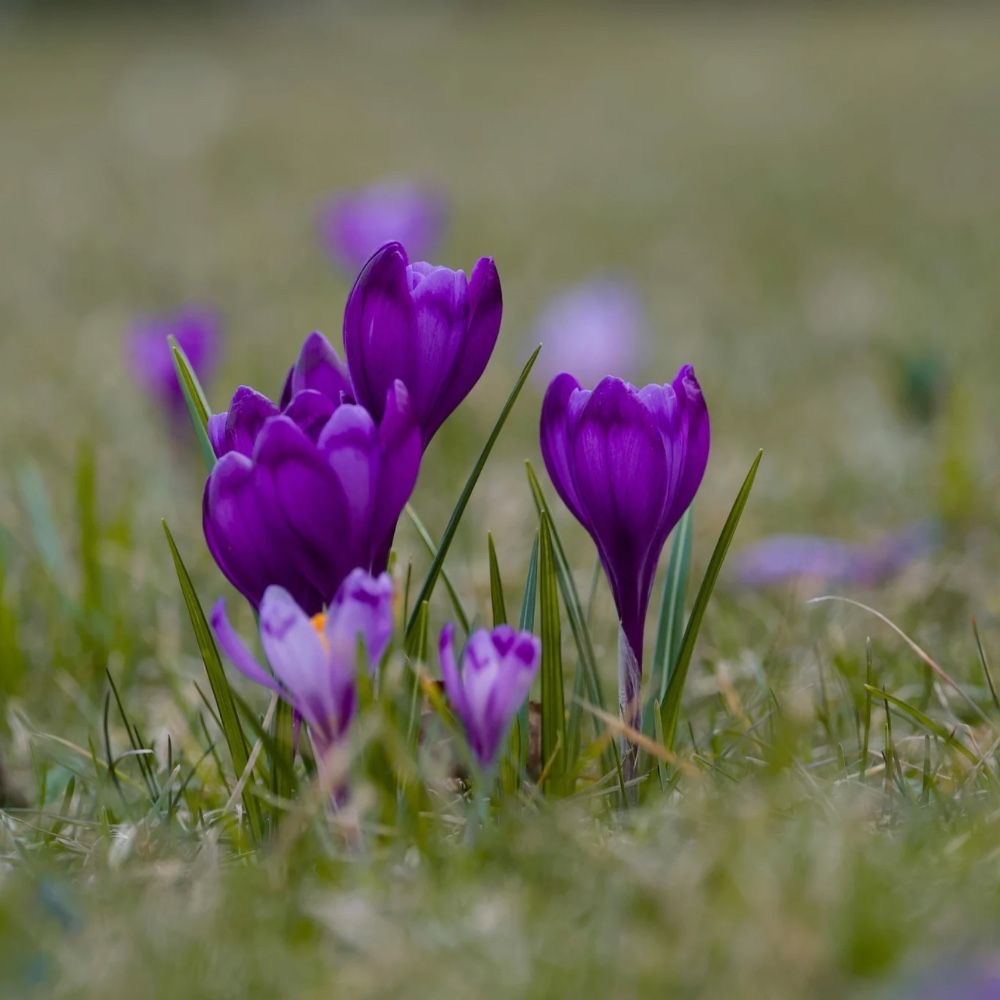
Crocus flowers pop up just when you think winter might never end. I’ve loved these early bloomers since I was a kid – there’s something magical about their purple, yellow and white cups pushing through nearly-frozen ground.
But not all plants make good neighbors for crocus. Some will outcompete them, shade them excessively or just generally make life harder for these spring beauties.
When planting crocus you need to consider their specific growing requirements. They need well-draining soil, plenty of sunlight (especially in early spring) & space for their bulbs to naturalize over time. Plants that compete for these resources or create conditions that aren’t favorable can seriously impact their growth and flowering.
Getting your crocus companions wrong doesn’t just mean fewer blooms – it can actually kill the bulbs over time. They might rot from too much moisture retention, starve from nutrient competition,m or simply get smothered by more aggressive plants.
So I’m going to show you which plants you should keep away from your precious crocus and why they don’t play nice together.
Plants That Will Bully Your Crocus
1. Aggressive Ground Covers
I once planted English ivy near my crocus bed thinking they’d happily coexist. They didn’t. By the next spring the ivy had created such a thick mat that my crocus couldn’t push through. Aggressive ground covers like English ivy, pachysandra or vinca can quickly overtake an area and smother your crocus bulbs.
Why it’s a problem:
- Creates physical barriers that crocus shoots can’t penetrate
- Competes aggressively for soil nutrients
- Many have shallow but dense root systems that tangle with bulbs
2. Tall Ornamental Grasses
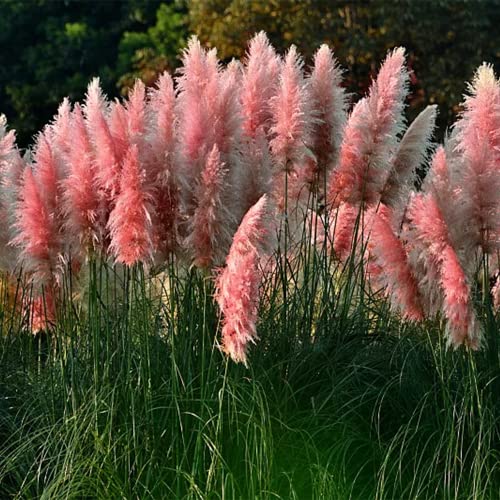
Grasses like miscanthus, pampas grass & switchgrass might seem like they’re dormant when crocus blooms but their dead foliage can be just as problematic.
Issues to watch for:
- Previous season’s dead growth blocks critical early spring sunlight
- Extensive root systems compete for water and nutrients
- When they start growing, they quickly overshadow the small crocus

3. Heavy-Feeding Vegetables

The year I decided to plant early potatoes near my crocus was the year I barely saw any crocus blooms. Vegetables like potatoes, cabbage and broccoli are heavy feeders that will steal nutrients your crocus needs.
The nutrient problem:
- Vegetables deplete soil nitrogen and other nutrients crocus needs
- Their larger root systems can physically displace bulbs
- Regular vegetable bed cultivation can damage dormant bulbs
4. Trees with Shallow Root Systems
Trees with shallow, spreading roots like birch, maple & willow are particularly problematic for bulbs like crocus.
Why they clash:
- Root competition for water and nutrients is intense
- As trees mature, the shade pattern changes what was once a sunny spot
- Fallen leaves in autumn can smother small crocus if not removed
5. Deep-Rooted Perennials
That patch of daylilies seemed like a smart addition to my garden until I realized they were situated right where my crocus should have been coming up. Plants with extensive root systems like daylilies, hostas & peonies may not leave enough soil space for crocus bulbs.
Space invaders:
- Can physically displace bulbs as their root systems expand
- Often emerge early enough to compete with crocus for resources
- Create too much shade once they leaf out fully
6. Plants That Create Dense Shade

Plants that create dense shade like rhododendrons, large viburnums and evergreen shrubs prevent crocus from getting the sunlight they need.
Light thieves:
- Block critical early spring sunshine crocus needs
- Often have acidic leaf litter that isn’t ideal for crocus
- Create competition for moisture during dry spells

7. Water-Loving Plants
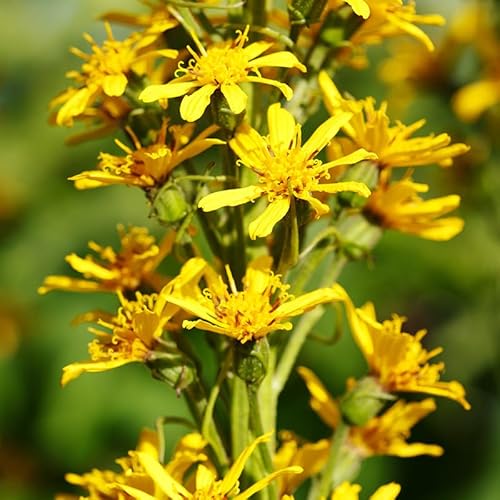
Plants that prefer consistently moist soil like astilbe, ligularia and Japanese iris require watering regimens that can rot crocus bulbs.
Moisture mismatches:
- Create overly wet conditions that lead to bulb rot
- Require summer irrigation that disrupts the crocus dormancy period
- Often change soil structure to hold more moisture than crocus prefers
8. Plants That Self-Seed Aggressively
Three years ago I planted some lovely bachelor’s buttons near my crocus. By the next spring baby bachelor’s buttons were sprouting everywhere, including right through my crocus patch. The likes of bachelor’s buttons, forget-me-nots and some varieties of poppy can quickly take over through self-seeding.
Seed bombers:
- Create physical competition as seedlings emerge
- Can form dense mats that overshadow crocus
- Often peak right when crocus are trying to store energy for next year
9. Late Summer Bulbs
Bulbs that require regular lifting like gladiolus, dahlias and some lilies don’t mix well with leave-alone bulbs like crocus.
Maintenance conflicts:
- Digging to lift summer bulbs damages dormant crocus
- Different planting depths create layering issues
- Competition for underground space limits both plants
10. Acid-Loving Plants
Crocus prefer neutral to slightly alkaline soil, while plants like azaleas, blueberries & hydrangeas create and thrive in acidic soil conditions.
Soil pH problems:
- Soil amendments for acid-lovers can make crocus unhappy
- Different fertilizer requirements create conflicts
- Many acid-lovers create shade that’s too dense for crocus
Good Companions for Crocus
The following are some plants that actually make wonderful crocus companions:
- Low-growing sedums don’t compete and provide interest after crocus are dormant
- Later-blooming tulips and daffodils – their foliage emerges as crocus finishes
- Small ornamental thymes create nice groundcover without overwhelming bulbs
- Early primroses bloom alongside crocus for beautiful combinations
- Dwarf iris varieties share similar growing conditions and bloom times
Last spring I planted purple crocus with some pale yellow primroses and the color combination was stunning. They bloomed together for about two weeks, creating a perfect early spring vignette.
Tips for Successful Companion Planting with Crocus
- Plant crocus in drifts rather than straight lines for more natural appearance
- Choose companion plants that won’t require summer irrigation
- Mark crocus planting areas clearly if you’ll be working nearby later
- Plant companions that either bloom simultaneously or after crocus have gone dormant
- Remember that crocus need sunlight before most trees leaf out – early spring sun exposure is critical
I’ve found that using small plant markers (I use popsicle sticks) to outline crocus areas helps prevent accidental digging during summer garden work. Nothing’s more frustrating than forgetting where you planted them and accidentally disturbing them while they’re dormant.
Final Thoughts
Crocus are some of the most rewarding bulbs in the garden bringing some color when we need it most after a long winter. By choosing their companions thoughtfully you’ll make sure they have the space, light and nutrients they need to thrive year after year.
The most important lesson? Respect what these little powerhouses need rather than trying to force them to coexist with incompatible plants.
Keep in mind that crocus are dormant for much of the growing season. So the ideal garden design accounts for this by providing interest in the same space after they’ve finished their show. Just make sure whatever takes center stage later doesn’t overwhelm or damage your sleeping crocus bulbs.
With the right companions – and by avoiding the wrong ones – your crocus will multiply over the years, creating increasingly impressive spring displays with very little effort on your part.
