
Every successful garden has its secrets. And a big one is knowing which plants work together and which really don’t.
Oleanders can be particularly finicky neighbors. Beautiful? Absolutely. Easy to get along with? Not so much.
So lets go through which plants you should avoid planting with oleander and which won’t cause any problems.
Understanding Oleander
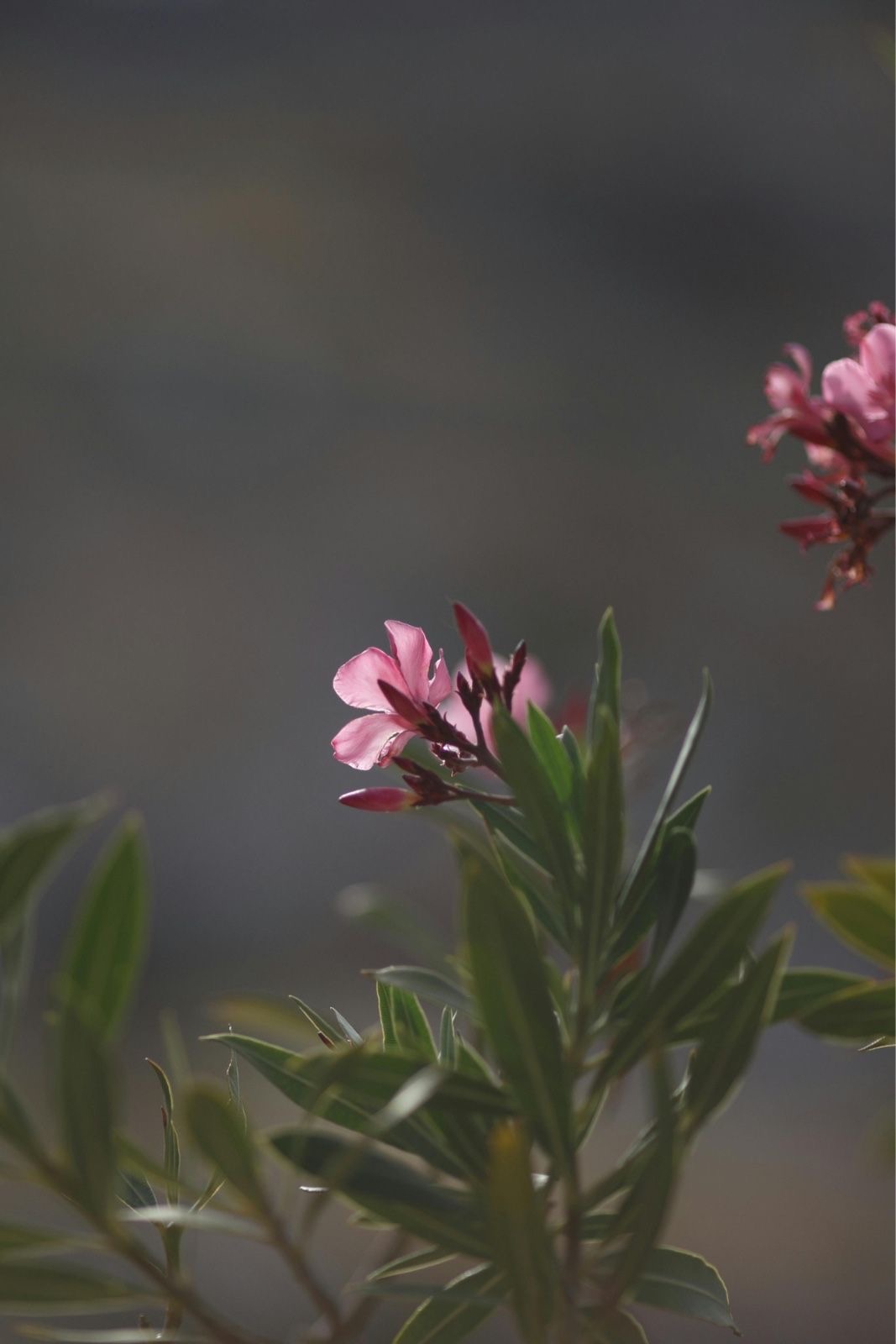
Oleander (Nerium oleander) is a flowering evergreen shrub you’ve probably admired in Mediterranean style gardens. They’re tough as nails in the right conditions – drought-tolerant, fast growing and produce beautiful pink, white or red blooms that seem to last forever.
But here’s what most people don’t realize until it’s too late: oleanders are seriously toxic plants. Every part of them – leaves, stems, flowers, sap – contains cardiac glycosides that can cause severe poisoning.
I got a very scary reminder of this when my dog got sick after chewing on a fallen branch. Thankfully she recovered quickly, but it was a too close to home example of oleander’s hidden dangers.
Beyond the toxicity issue oleanders are also resource hogs. They’ve evolved to thrive in harsh conditions by developing aggressive roots and producing chemicals that inhibit the growth of competing plants. This phenomenon, called allelopathy, means your innocent looking oleander is actually fighting against neighboring plants.
The other tricky thing about oleanders is their height and spread. They can easily reach 8-12 feet tall and just as wide, creating dense shade that many plants simply can’t live with.
So before you plant anything near your oleander you need to know which plants are most vulnerable to all it does.
Plants NOT to Plant With Oleander
1. Vegetables of Any Kind
This one’s non-negotiable. Never, ever plant edible vegetables anywhere near oleander. The toxic compounds from oleander can leach into the soil and some vegetables might absorb these toxins.
It’s really as simple as that. Keep your veggie garden well away from these beautiful but dangerous shrubs.
2. Herbs (Especially Culinary Ones)

Similar to vegetables, herbs used for cooking should be kept far from oleanders. Herbs like basil, oregano, thyme etc. are particularly vulnerable as they can’t compete with oleander’s aggressive growth habits. Plus the risk of toxic transfer makes it simply not worth the gamble.
3. Azaleas

Azaleas require acidic soil and filtered light while oleanders prefer more alkaline conditions and full sun. This mismatch in growing requirements means one of them will always struggle. I’ve seen azaleas planted near oleanders develop yellow leaves and fail to thrive despite regular fertilizing.
What makes it problematic:
- Competing soil pH requirements
- Different light preferences
- Oleander’s allelopathic properties suppress azalea growth
- Both are heavy feeders competing for nutrients
4. Roses
This pairing seems like it would work – both are flowering shrubs that like sunshine – but roses and oleanders are actually terrible companions. Roses are susceptible to many of the same pests and diseases as oleanders but they lack oleander’s natural resistance.
5. Shallow-Rooted Perennials

Plants with shallow root systems will struggle to compete with oleander’s aggressive roots. This includes many popular perennials like:
- Hostas
- Coral bells (Heuchera)
- Ferns
- Astilbe
The oleander simply outcompetes them for water and nutrients.
6. Citrus Trees
Citrus trees and oleanders are both Mediterranean plants so youd be forgiven for thinking they’d get along. Unfortunately they’re competitors for the same resources and neither will thrive when planted close together.
7. Lavender
Despite their shared Mediterranean heritage lavender and oleander make poor companions. Lavender needs excellent drainage and doesn’t appreciate the leaf litter and shade that mature oleanders produce.
The problem with this pairing:
- Oleander shade suppresses lavender’s bloom production
- Lavender roots can’t compete with oleander’s aggressive root system
- Different watering needs create stress for both plants
8. Shade Loving Plants

This might seem obvious but I’ve seen people try it anyway: plants that require shade will absolutely fry when planted with young oleanders that haven’t yet created a canopy. By the time the oleander is mature enough to provide adequate shade its root competition will be far too intense.
Some examples to avoid:
- Bleeding heart
- Impatiens
- Begonias
- Most ferns
9. Drought-Sensitive Plants
While oleanders are extremely drought tolerant once established, many other plants aren’t. The problem occurs when you try to provide enough water for thirsty plants nearby – you’ll end up overwatering your oleander potentially causing root rot.
10. Other Toxic Plants
This might seem counterintuitive but planting multiple toxic species together creates an extremely hazardous area in your garden. Foxglove, daffodils, castor bean or lily of the valley near oleander creates a toxic zone that’s dangerous for children, pets and wildlife.
I’ve kept my oleanders in a separate area away from other toxic plants to minimize risk.
11. Fast-Spreading Groundcovers
Aggressive groundcovers like ivy, vinca or creeping jenny can quickly climb oleanders and potentially damage them. They can also create too much moisture retention around the base of oleanders, which prefer drier conditions around their stems.
12. Most Annuals
The effort of planting, watering and maintaining annuals near oleanders simply isn’t worth it. Most annuals require consistent moisture and rich soil – the opposite of what makes oleanders happy.
My experiments with marigolds, petunias and zinnias near oleanders all ended in disappointment as the annuals required so much more water and fertilizer than the oleander tolerated well.
13. Native Wildflowers
Many native wildflowers have evolved in specific ecological niches that don’t include competing with aggressive Mediterranean shrubs like oleander. On top of that oleander’s toxicity can disrupt local pollinator populations that are really necessary for wildflower reproduction.
Good Companion Plants for Oleander
There are still a few things that actually work well with oleanders:
- Ornamental grasses like Pennisetum or Muhly grass
- Other Mediterranean natives like olive trees (at an appropriate distance)
- Tough, drought-tolerant perennials like yarrow
- Similarly tough shrubs like juniper or rosemary (providing they have enough space)
These plants can handle the challenging conditions near oleanders and have complementary growth habits.
Tips for Successful Companion Planting
If you’re determined to create plantings around your oleanders then these are a few tips that should work:
- Create physical root barriers between oleanders and sensitive plants
- Give everything plenty of space – much more than you think necessary
- Consider raised beds to separate root zones
- Use plants with similar water and light requirements
- Avoid planting anything edible near oleanders, no matter how convenient it seems
I’ve found that keeping at least 6-8 feet between oleanders and other prized plants usually minimizes problems.
Final Thoughts
Oleanders deserve their popularity – they’re gorgeous, virtually indestructible in the right climate and provide long-lasting color with minimal effort. But they’re definitely not team players in the garden.
Ultimately the best approach is to give oleanders their own dedicated space where their good qualities can shine without having a negative impact on other plants. Basically they’re divas – beautiful, temperamental and best admired from a respectful distance.
