
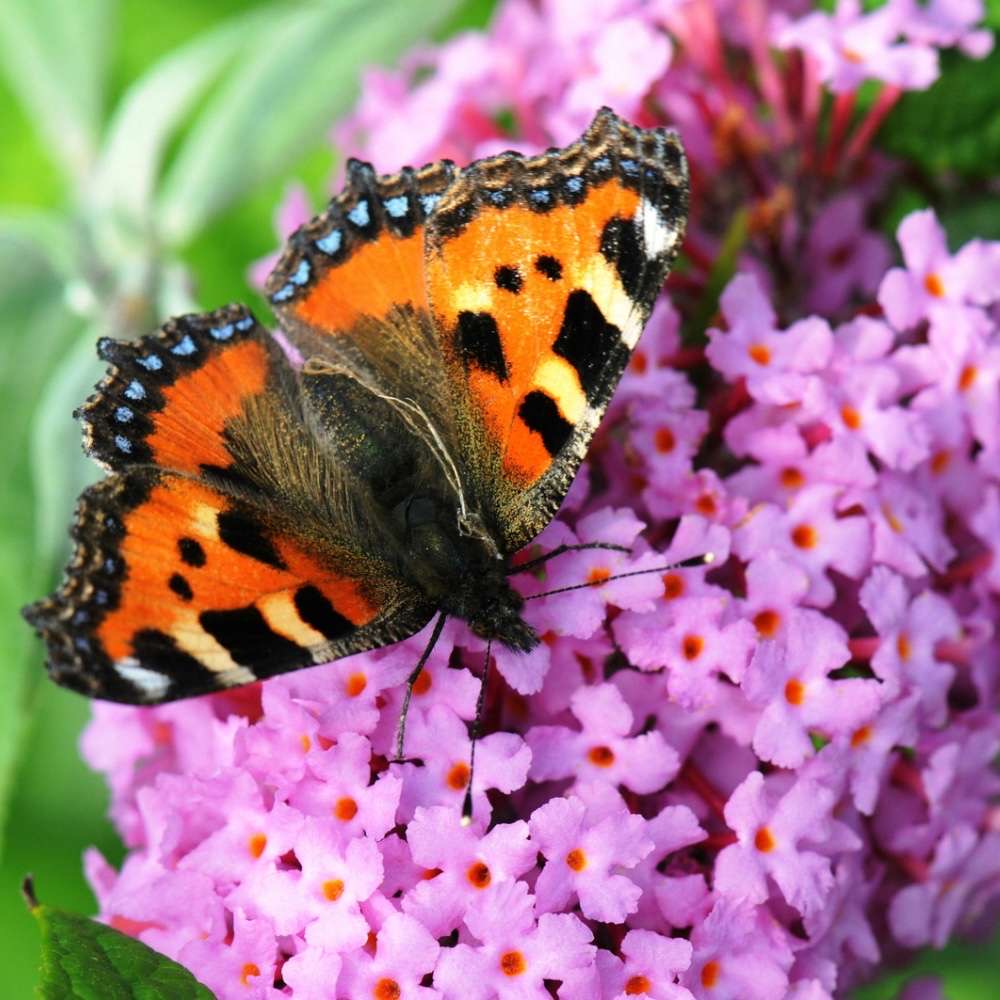
So you’ve decided to add a beautiful butterfly bush (Buddleia) to your garden. It’s a great choice. They attract tons of butterflies, hummingbirds and other pollinators with their fragrant blooms.
But sadly not all plants make good neighbors for your Buddleia. Some can seriously stunt its growth or even cause it to struggle.
When I planted some aggressive ground covers near my prized Buddleia ‘Black Knight’ it was only a matter of weeks until my butterfly bush was looking stressed and producing fewer blooms. After some frantic research and talking with local garden experts I discovered I’d made a classic companion planting mistake.
So to save you from a similar situation I’ve put together this guide on what NOT to plant with your Buddleia and why. It may not seem that important but your butterfly bush (and the actual butterflies) will thank you.
Understanding Buddleia: The Basics You Need to Know
Before we get into bad plant neighbors let’s talk about what makes Buddleia tick. These gorgeous shrubs (sometimes spelled Buddleja) are known for their cone-shaped clusters of tiny, nectar-rich flowers that butterflies simply can’t resist. They’re hardy in zones 5-9, can grow anywhere from 4-10 feet tall depending on the variety and come in colors ranging from deep purple to white.
Buddleias are pretty tough customers – they’re drought-tolerant once established & can handle poor soil conditions better than many ornamentals. But that doesn’t mean they don’t have specific needs! They absolutely crave full sun (at least 6-8 hours daily) and well-draining soil. Plant them in shade or soggy conditions and you’ll end up with a sad, leggy shrub with few flowers.
In my experience Buddleias are somewhat picky when it comes to competition. They don’t play well with aggressive neighbors that might steal their sunlight, water or nutrients. I once had a Buddleia surrounded by aggressive perennials and it sulked for an entire season until I cleared some space around it.
The other thing to remember is that many Buddleia varieties can be somewhat invasive themselves (especially the species Buddleia davidii) if not managed properly. In some regions they’re even considered problematic – Washington state has them on their noxious weed list! So you’ll want to choose neighbors that can hold their own without creating a garden battleground.
Plants That Will Make Your Buddleia Miserable
1. Japanese Barberry (Berberis thunbergii)

I made this mistake at my first house – planted a beautiful Japanese barberry near my Buddleia because I thought the contrasting colors would look amazing. Big mistake. The barberry not only competed aggressively for water and nutrients, but its thorny nature made it difficult to maintain the Buddleia properly.
Japanese barberry has an extensive root system that will battle with your Buddleia’s roots for resources. Plus it creates acidic soil conditions that Buddleias don’t particularly enjoy. My butterfly bush never thrived until I relocated the barberry to another area of the garden.
2. Mint and Other Aggressive Herbs
Eugh. Mint is a lovely herb but it needs to be kept far away from your Buddleia! (And most plants, really). Mint’s invasive spreading habit means it will quickly encroach on your butterfly bush’s territory.
The same goes for other aggressive herbs like oregano, lemon balm, and even some thymes. Their vigorous growth habits and competitive root systems make them terrible companions for Buddleia.
3. Russian Sage (Perovskia atriplicifolia)
Both Russian sage and Buddleia are sun-loving, drought-tolerant plants that bloom in summer, so they might seem like natural companions. However, they actually compete directly for the same resources and growing space. Both have similar growth habits and requirements, which means neither will perform their best when planted too close together.
I’ve noticed that when planted together, both end up looking spindly and producing fewer blooms. Better to give each their own spotlight in different areas of the garden.
4. Tall Ornamental Grasses

Miscanthus, pampas grass & other tall ornamental grasses create too much shade and competition for your Buddleia. While these grasses look stunning in the landscape, they grow quickly and can easily overshadow your butterfly bush.
5. Aggressive Vines (Wisteria, Morning Glory, etc.)
This might seem obvious’but I’ve seen it happen. Aggressive climbing vines planted near Buddleia will use the shrub as a support structure, potentially damaging branches and stealing sunlight. Morning glory, in particular, can quickly engulf a Buddleia if given the chance.
6. Walnut Trees (Juglans spp.)
Black walnut trees produce a chemical called juglone that inhibits the growth of many plants, including Buddleia. If you have walnut trees on your property, plant your butterfly bush well outside the tree’s drip line.
7. Aggressive Ground Covers (Pachysandra, Vinca)
![Greenwood Nursery: Live Ground-Cover Plants - Pachysandra Terminalis + Japanese Spurge - [Qty: 50 Bare Roots] - (Click for Other Available Plants/Quantities)](https://m.media-amazon.com/images/I/51VGMbsuxqL._SL500_.jpg "Greenwood Nursery: Live Ground-Cover Plants - Pachysandra Terminalis + Japanese Spurge - [Qty: 50 Bare Roots] - (Click for Other Available Plants/Quantities)")
Dense ground covers like pachysandra & vinca might seem like good choices to suppress weeds around your Buddleia, but they’ll compete for water and nutrients. These ground covers form thick mats of vegetation that can even prevent water from reaching your butterfly bush’s roots during light rainfalls.
8. Invasive Ornamentals (Purple Loosestrife, Japanese Honeysuckle)
Plants that have invasive tendencies will outcompete your Buddleia for resources. Purple loosestrife, Japanese honeysuckle, and other aggressive ornamentals should be kept far away from your butterfly bush.
9. Tall Shrubs and Trees That Create Too Much Shade
Remember how I mentioned Buddleia needs full sun? Planting them near trees or large shrubs that will eventually cast significant shade is setting your butterfly bush up for failure. I’ve seen well-intentioned gardeners place Buddleias near young trees, not accounting for how much the tree will grow and eventually shade the area.
10. Other Buddleia Varieties

This might sound counterintuitive but sometimes the worst competitor for a Buddleia is another Buddleia. These plants need space – planting multiple butterfly bushes too close together will result in competition and reduced flowering for all of them. In my garden I make sure to space Buddleias at least 5-6 feet apart, sometimes more for larger varieties.
Good Companion Plants for Buddleia
Now that we’ve covered what NOT to plant let’s look at some plants that actually make great neighbors for your butterfly bush:
- Coneflowers (Echinacea) – These native perennials attract different pollinators and won’t compete aggressively with your Buddleia
- Black-eyed Susans (Rudbeckia) – Their golden blooms complement Buddleia’s purple flowers perfectly
- Salvias – Drought-tolerant and pollinator-friendly without being overly aggressive
- Lavender – Similar growing requirements but not competitive when given proper spacing
- Yarrow (Achillea) – Tough and drought-resistant without overwhelming your Buddleia
I’ve had great success with a combination of Buddleia ‘Pink Delight’ surrounded by shorter salvias and lavender. The different heights create visual interest, and they all share similar water and soil preferences.
Tips for Successful Companion Planting with Buddleia
Give Everyone Their Space
The number one mistake I see (and have made myself) is cramming plants too close together. Buddleia needs room to grow – both above & below ground. I generally recommend keeping a 3-foot clearing around younger Buddleia plants to allow for proper air circulation and reduce competition.
Consider Mature Sizes
That cute little perennial you’re planting might be small now, but what will it look like in 2-3 years? Always plan your garden based on mature plant sizes, not how plants look when you first put them in the ground. This simple step has saved me countless garden redesigns.
Match Water Requirements
Buddleia is relatively drought-tolerant once established. Pairing it with water-hungry plants means something will always be unhappy – either your Buddleia getting too much water or its companions not getting enough. My most successful Buddleia plantings have been with other Mediterranean-climate lovers that appreciate good drainage and moderate water.
Layer Carefully
If you want to create a layered planting with ground covers under your Buddleia, choose very well-behaved, low-growing options that won’t compete aggressively. I’ve had success with creeping thyme & low-growing sedums that add interest without causing problems.
Final Thoughts
Creating the perfect garden setting for your Buddleia isn’t just about avoiding bad neighbors – if you can the you want each plant enhances the others. When properly situated with compatible companions your butterfly bush will guide you beautiful blooms and bring you butterflies.
Be aware of your specific growing conditions that may affect which plants work well together in your garden. Factors like soil type, rainfall patterns and local climate all play roles in how plants interact. Don’t be afraid to experiment (on a small scale) and adjust as needed.
Most importantly, observe your garden closely. Plants have ways of telling us when they’re unhappy – reduced flowering, slow growth, discolored leaves etc. If your Buddleia seems to be struggling, take a good look at its neighbors and be willing to make changes if necessary.
