
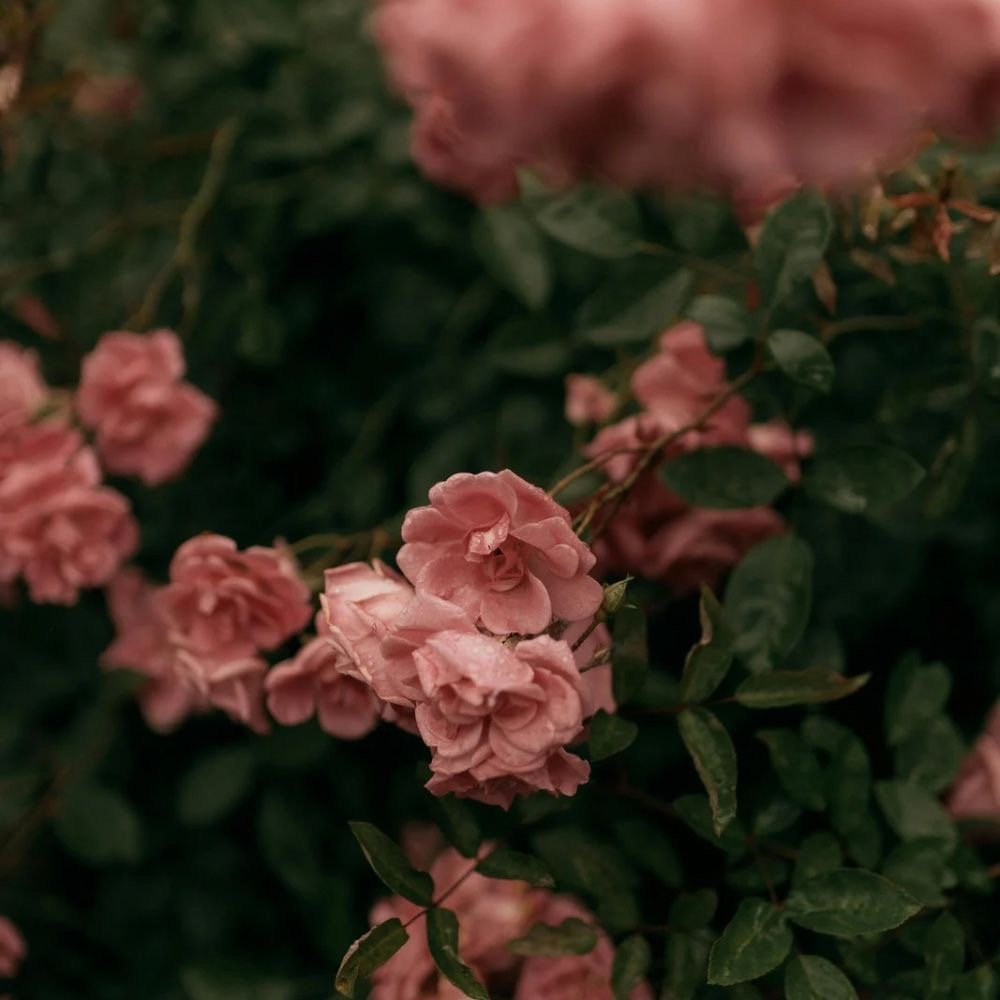
I’ve had many years of gardening and in that time I’ve seen what works with roses – and boy have I seen what absolutely doesn’t.
So I’m going to share what plants to keep away from your precious roses, straight from my own garden disasters and successes.
Understanding Roses
Roses are the high-maintenance celebrities of your garden that demand specific conditions to truly shine. I figured that out ti my own cost when I first planted my Peace rose next to a jumble of random perennials and watched it struggle miserably through two disappointing seasons.
The truth is this – roses are particular about their neighbors. They’re heavy feeders that need plenty of nutrients, good air circulation and specific soil conditions. Plant the wrong companion nearby and you might as well be setting up your roses for failure.
Some plants compete too aggressively for resources, others bring diseases that roses are susceptible to, and some create environmental conditions that roses simply hate.
I’ve seen gardeners spend hundreds on premium rose bushes only to watch them produce lackluster blooms or slowly decline because they didn’t consider plant compatibility. Getting your rose companions right is about making sure your investment thrives for years to come, not just what looks good.
Plants Not to Plant With Roses
1. Tomatoes and Other Nightshades
That tomato garden might seem harmless enough but plant it near your roses and you’re asking for trouble. I found this out when my Early Girl tomatoes and Don Juan climbing roses started showing the same black spots and leaf curl.
Why they’re problematic:
- Share common diseases like verticillium wilt and early blight
- Both are heavy feeders competing for the same nutrients
- Can transfer pests between plants
- Other nightshades to avoid: eggplants, peppers, potatoes
2. Brassicas (Cabbage Family)
Cabbage, broccoli, kale – they all look innocent enough, but these cool-season vegetables are secretly terrible neighbors for roses.
What makes them bad companions:
- Attract cabbage loopers and aphids that will happily move to your roses
- Heavy feeders that compete for nutrients
- Create humid microclimates that roses hate
- Also avoid: cauliflower, Brussels sprouts, collards

3. Boxwood

I know how tempting it is to edge your rose garden with neat boxwood borders – I’ve done it myself. But after watching my roses decline over three seasons while the boxwoods thrived I finally made the connection.
The boxwood problem:
- Extremely competitive shallow root systems steal water from roses
- Dense growth reduces air circulation roses need
- Can harbor boxwood blight which stresses nearby plants
- Soil becomes depleted around established boxwoods
If you absolutely must have both, keep a generous distance between them or use root barriers. Your roses will thank you.
4. Black Walnut Trees
This is the plant combo that taught me to respect allelopathy – the chemical warfare some plants wage on others. So often people can’t figure out why their roses always fail until they realized a black walnut tree is the culprit.
Why it’s a disaster:
- Produces juglone, a toxic compound that damages or kills roses
- The toxin extends beyond the drip line of the tree
- Even fallen leaves and nuts contain the harmful compound
- Similar issues with butternut and hickory trees
If you have a black walnut anywhere near your property just forget about planting roses in that zone altogether. Save yourself years of frustration.
5. Aggressive Grasses
That ornamental maiden grass might look gorgeous waving in the breeze but plant it near roses and you’re setting up a resource war your roses will likely lose.
Why they don’t mix:
- Aggressive root systems outcompete roses for water and nutrients
- Many grasses spread rapidly, crowding rose root zones
- Tall varieties can shade roses, reducing blooming
- Problem grasses include: pampas grass, ribbon grass, and many bamboos
6. Gladiolus

I once thought gladiolus spikes would look dramatic rising through my rose bed. While it looked stunning for one season, by the next year, my roses were struggling and the gladiolus had taken over.
The gladiolus issue:
- Compete directly for the same soil nutrients roses need
- Multiply rapidly via corms, crowding rose root zones
- Can introduce thrips that move happily to rose buds
- Create too much competition in the same soil depth

7. Cypress and Juniper Shrubs

These common landscape conifers seem innocuous, but they’re another nail in the coffin for roses.
Why they’re problematic:
- Create extremely dry soil conditions roses hate
- Dense foliage limits air circulation roses need
- Can harbor fungal spores that affect roses
- Extensive root systems compete for water and nutrients
Keep a minimum 10-foot buffer between these plants and your roses if you must have both in the same garden.
8. Peonies

This one breaks my heart because peonies and roses look so beautiful together. But after watching this combination for years in my side garden, I’ve reluctantly concluded they’re not ideal companions.
The peony problem:
- Compete for the same nutrients and soil conditions
- Both are susceptible to botrytis blight, which can spread between plants
- Peonies can shade smaller rose varieties
- Both attract many of the same pests
I still grow both, but I keep them in separate garden rooms now. The extra effort of maintaining two beautiful areas is worth it for healthier plants.
9. Azaleas and Rhododendrons

The acid-loving nature of these popular shrubs makes them terrible companions for roses, which prefer more neutral soil.
Why it doesn’t work:
- Require acidic soil (pH 4.5-6) while roses prefer pH 6-6.5
- Create soil conditions that lock up nutrients roses need
- Compete for water during critical bloom periods
- Often treated with chemicals that can affect neighboring plants
10. Japanese Beetles’ Favorite Plants
After watching Japanese beetles munch through my garden one summer I realized having their favorite plants near roses was essentially setting up an all-you-can-eat buffet route straight to my prized blooms.
Plants that attract beetles to your roses:
- Lindens
- Birch trees
- Virginia creeper
- Hollyhocks
- Japanese and Norway maples
Keep these beetle magnets far from your rose garden or you’ll be fighting an impossible battle all season.
11. Trumpet Vines and Wisteria
Both of these vigorous vines seem like they’d create a romantic garden setting with roses. But they’re actually garden thugs that will overwhelm your roses faster than you can say “pruners.”
Why they’re rose killers:
- Aggressive growth can literally strangle rose canes
- Compete intensely for water and nutrients
- Create too much shade for good rose performance
- Almost impossible to control once established
12. Eucalyptus Trees
That trendy eucalyptus might look amazing in flower arrangements with your roses, but growing them together is asking for trouble.
The eucalyptus issue:
- Produces allelopathic compounds that inhibit other plants
- Extremely thirsty, depleting soil moisture roses need
- Creates dense shade roses can’t tolerate
- Drops leaves and bark that change soil chemistry
13. Mint and Aggressive Herbs
That innocent little mint plant can turn into a rose garden disaster quicker than you can say “mojito.”
Why they don’t mix:
- Mint’s aggressive runners invade rose root zones
- Creates competition for water and nutrients
- Can be almost impossible to eradicate once established
- Also problematic: lemon balm, oregano, marjoram
If you must have these herbs plant them in containers near your roses instead.
What Actually Works With Roses
After all that discouragement you might wonder if roses can play nice with anything. Well the good news is – they absolutely can. These plants have proven themselves as reliable rose companions in my gardens:
- Lavender – provides perfect color contrast and deters pests
- Catmint (Nepeta) – gorgeous blue-purple blooms that complement roses
- Salvia – drought-tolerant and attracts beneficial insects
- Dianthus – similar growing conditions and looks charming at rose feet
- Clematis – can actually share the same trellis as climbing roses if managed well
Tips for Successful Rose Companion Planting
Here’s a few tips that I’ve found works best when planning what to plant around roses:
Mind the Spacing
Give roses room to breathe! I plant my roses with at least 2-3 feet between them and any companions. This allows for good air circulation, which prevents fungal issues that roses are prone to developing.
Consider Root Depth
Choose companions with shallow root systems that won’t compete with roses’ deeper roots. This way, they can share soil without fighting for the same resources. My favorite trick is to plant shallow-rooted annuals like alyssum around roses – they look gorgeous and don’t compete significantly.
Match Water Needs
Nothing’s more frustrating than having to overwater one plant to keep another alive. Group plants with similar moisture requirements. I’ve found that plants that enjoy a good soak followed by slight drying out tend to do well with roses.
Create Pest Barriers
Some plants actually help protect roses. Garlic planted near roses can deter aphids, while French marigolds can reduce nematode problems in the soil. My rose bed with a marigold border had noticeably fewer pest issues last season.
Final Thoughts
The most important thing I’ve learned is to watch your roses closely. They’ll tell you when they’re unhappy with their neighbors through reduced blooming, increased disease or poor growth. Don’t be afraid to make changes – gardens are always evolving.
Roses have been garden stars for centuries because they’re actually tougher than we give them credit for. They can forgive our planting mistakes if we correct them in time.
My final piece of advice? Keep a garden journal documenting what works with your specific roses in your specific conditions. That personal experience will be worth more than any article you’ll ever read – even mine!
