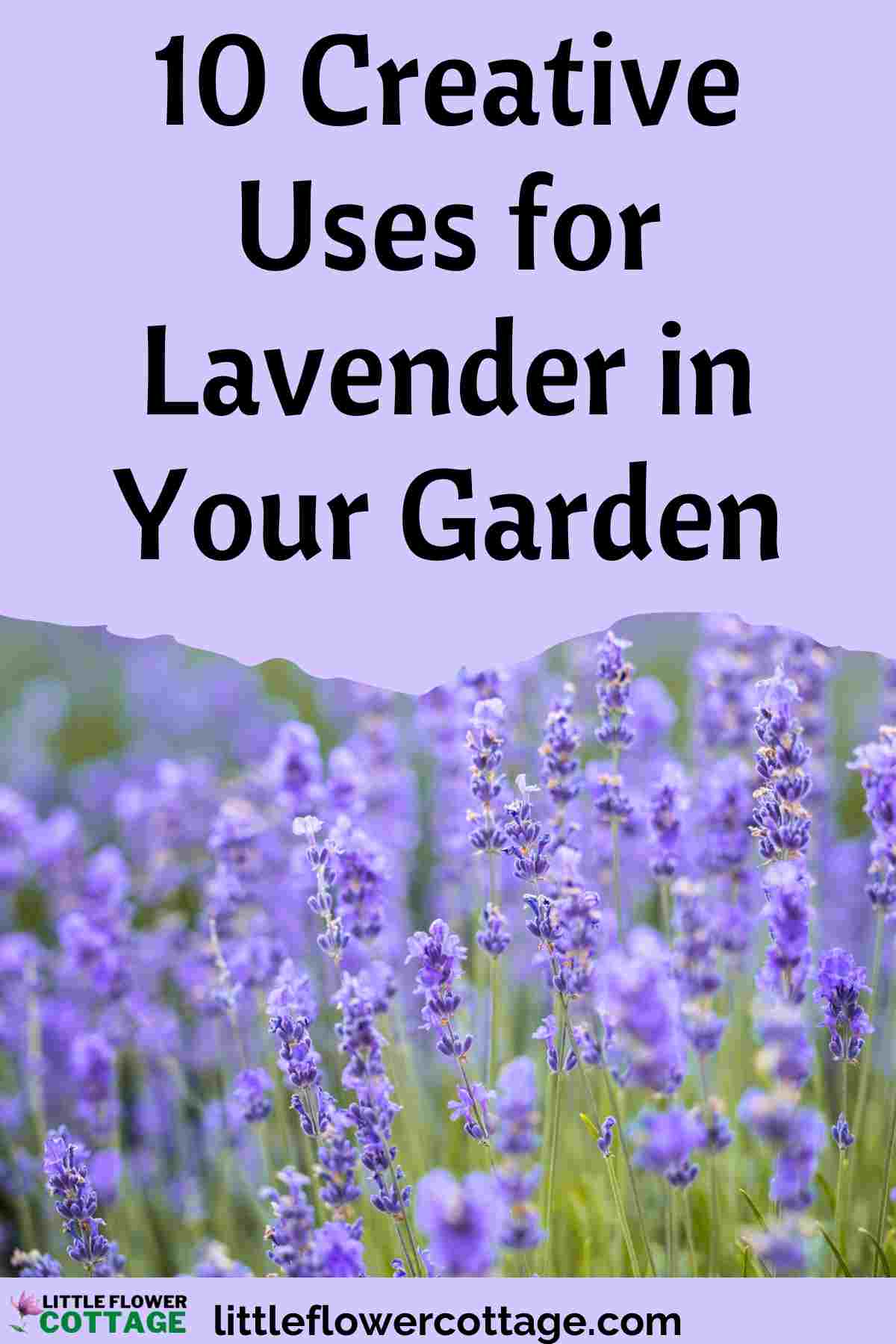
Lavender has many uses beyond simply looking pretty in your garden. It can be used for things like cooking and repelling pests through to making a haven for wildlife.
This guide looks at the unique and practical ways you can use lavender in your garden. I’ll share some tips that showcase lavender’s versatility and provide a blueprint for making the most out of it through years of gardening experience.
Creating a Fragrant Walkway
What could be nicer than walking through your garden and being greeted by the wonderful scent of lavender? The smell is known to be soothing and relaxing, so perfect for a garden setting.
Well that doesn’t have to be a dream. You can have that.
Planting lavender along pathways works brilliantly to make your garden look better and it also gives you that fantastic, calming scent every time you brush past it.
Choose varieties like Lavandula angustifolia or Lavandula x intermedia. They have the strongest scent of all lavender types as well as beautiful blooms.
Grow your own lavender with our simple step by step guide.
Designing a Low Water Border
Lavender is remarkably tough when it comes to water. It can withstand droughts and s lack of watering for a long time.
This makes it perfect for for creating an attractive water border.
As it thrives in well drained soil and full sun it means you don’t need to water it too often. You can pair it with plants like salvia or sedum as they also tolerate a lack of water well. Doing so will give you a strong border that withstands droughts and looks beautiful, vibrant and alive with color and life.

Attracting Pollinators
One of lavender’s secret weapons is its ability to bring in pollinators. Plant it and you’ll get bees, butterflies and other insects all flocking to your garden. These insects can have some awesome benefits too.
If you do choose to plant lavender somewhere in your garden it will almost certainly bring in pollinators. And in turn they bring so much to gardens too. They will make your plants and flowers both grow better and be healthier overall.
Lavender also provides nectar throughout the summer and this contributes to supporting your local ecosystems. The pollinators feed off the nectar but also spread pollen and help flowers to pollinate.
It will also increase the yield of fruit and vegetable crops. So if you’re growing anything in the way of fruit or veg then having lavender near it will only help.
Culinary Ideas
Lavender’s edible flowers are surprisingly useful. Added to lots of dishes they have a unique and floral zest that nothing else really comes close to.
You can blend lavender into baking recipes, create syrups and more. In fact lavender works brilliantly with lemon in desserts or for making a savory rub for meats. Always remember to use a small amount though or you could overpower your dishes with it.
Natural Pest Repellent
Lavender oil is known for having natural properties that repel insects. So planting lavender near outdoor seating areas or around vegetable gardens can help keep away mosquitoes, flies and even rabbits. Its scent hides the smell of your crops, making them less appealing to pests.
Therapeutic Garden Addition
Gardening itself is a therapeutic activity. But adding lavender anctually makes it even more so.
Lavenders aroma is known for reducing stress and anxiety. It has a calming effect that lots of people swear by.
So try creating a relaxation corner in your garden where you can unwind surrounded by the lovely scent of lavender. Think about adding a bench or a small fountain nearby if possible.

Crafting and Home Decor
Dry lavender flowers can be used in homemade potpourri, sachets, wreaths etc. They look beautiful but they also bring lavender’s calming scent indoors.
Dried lavender can last for months and will continually release its subtle aroma into your home.
Lavender Hedges for Privacy
Fast growing lavender varieties like Lavandula x intermedia can be used to make good looking hedges that grow big enough to give you privacy.
They can define spaces within your garden or provide the privacy you need. Regular trimming will help maintain their shape and encourages fresh blooms to grow as well.
Want to give it a go? Try our guide to growing a lavender hedge.
Medicinal Uses
Lavender has a long history in herbal medicine. It’s mostly used for its calming and antiseptic properties.
You can make your own lavender oil or tea to help soothe burns, insect bites or to help with relaxation before sleep.
Eco Friendly Garden Design
Having lavender in your garden supports sustainable gardening practices. It requires very little in the way of fertilizers and is resistant to many pests. This in turn reduces the need for chemical treatments.
Plus its ability to attract a wide range of pollinators contributes to the health of your garden and local wildlife, as mentioned earlier.
Final Thoughts
Lavender’s versatility makes it a must have in any garden. The fact that it’s so low maintenance make it something gardeners of all levels can grow and an easy choice. So let lavender inspire your next garden project and enjoy all the benefits it brings to your space outdoors.