

Every gardener knows that some plants just don’t play nice together. And yarrow – while absolutely gorgeous – can be a bit of a diva when it comes to neighbors.
So if you’re worried about companion plants I’m going to share what actually works (and what definitely doesn’t) when it comes to planting alongside yarrow, straight from my own gardening hits and misses.
Understanding Yarrow
Yarrow (Achillea millefolium) is that perfect contradiction in the garden – tough as nails yet delicate in appearance. With its feathery foliage and flat topped flower clusters in whites, yellows, pinks and reds it’s no wonder it’s become a staple in drought-tolerant gardens everywhere.
But here’s what the plant tags won’t tell you: yarrow is secretly plotting garden domination. Last summer, I planted a single yarrow plant in my side bed, and by this spring, I was finding it popping up three feet away. The rhizomatous roots spread underground like nobody’s business, and when they’re happy, they’re REALLY happy.
This aggressive growth habit means yarrow can’t be planted with just any companion. Some plants will be overwhelmed and simply disappear beneath yarrow’s expanding reach. Others will engage in underground warfare for nutrients and water, leaving both plants stressed and underperforming.
Even more importantly, yarrow prefers poor to medium soil that’s well-drained. It thrives in conditions that would make other plants sulk. Try planting yarrow in rich vegetable garden soil – it’ll grow like crazy but almost certainly flop over quickly and produce fewer flowers and more leaves than you want.
Getting the companions wrong doesn’t just impact other plants – it can seriously affect your yarrow’s performance too. The wrong neighbors can create too much shade, compete too aggressively or create soil conditions that yarrow simply hates.
So the following are the plants to definitely avoid.
Plants Not to Plant with Yarrow
1. Mint and Its Relatives
Talk about a territorial dispute waiting to happen! Both yarrow and mint family plants (including catnip, bee balm, and lemon balm) spread via underground rhizomes.
Why it doesn’t work:
- Both plants are aggressive spreaders
- They compete fiercely for the same soil space
- The combination creates a maintenance nightmare
Try it: Check Any Two Plants for Compatibility
Use the checker below to see how any two of your plants will get along – pick one from each side and we’ll tell you whether to plant them together or keep them apart.
Plant Compatibility Checker
Select two plants to check if they are compatible companions in your garden.
Compatibility Results:
2. Heavy Feeders Like Roses

The soil amendments and fertilizers that make roses happy will make your yarrow grow too quickly and flop over. I’ve seen this in my friend’s garden where her beautiful ‘Moonshine’ yarrow practically smothered her prized tea roses because it grew so lush from the rich rose fertilizer.
Why it doesn’t work:
- Roses need rich soil and regular feeding
- Yarrow becomes leggy and weak in overly fertile soil
- The maintenance needs are completely opposite

3. Tall Ornamental Grasses
This pairing might seem good in theory, but I’ve watched yarrow struggle and eventually give up when planted near my miscanthus grass. The shade cast by tall grasses prevents yarrow from getting the full sun it craves resulting in spindly growth and fewer flowers.
Why it doesn’t work:
- Grass shade reduces yarrow blooming
- Ornamental grasses often have dense, competitive root systems
- The visual effect gets lost as yarrow stretches toward light
4. Moisture-Loving Plants

That astilbe or ligularia that needs constant moisture? Terrible neighbors for yarrow. I tried planting yarrow in my rain garden alongside joe-pye weed and cardinal flower. Which wasn’t a good idea. The yarrow developed root rot within weeks and had to be rescued and relocated.
Why it doesn’t work:
- Yarrow prefers dry to medium soil
- Wet soil leads to root rot and disease in yarrow
- Different watering needs create maintenance headaches
5. Plants Susceptible to Powdery Mildew

Phlox, bee balm and zinnias all look great with yarrow color-wise, but they’re prone to powdery mildew. While yarrow itself is resistant, planting these together creates a humidity trap that encourages fungal spread.
Why it doesn’t work:
- Creates conditions favorable for disease spread
- Requires preventative fungicide treatments
- Reduces air circulation around both plants
6. Highly Competitive Native Grasses
Some native grasses like little bluestem or switchgrass will eventually win the competition with yarrow, especially in leaner soils. My neighbor’s beautiful yarrow patch was completely overtaken by switchgrass in just two growing seasons.
Why it doesn’t work:
- Grasses eventually crowd out yarrow
- Similar root zone creates direct competition
- The aesthetic combination becomes unbalanced over time

7. Aggressive Spreaders Like Liriope
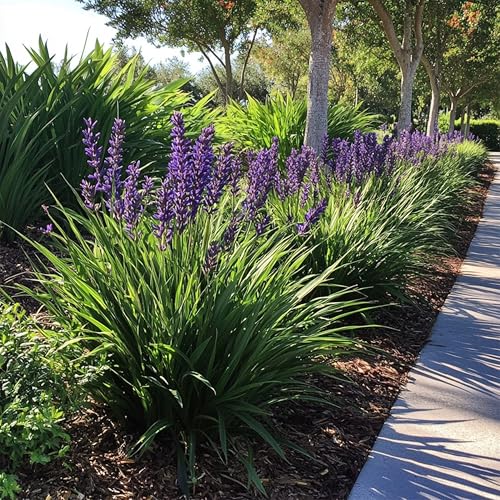
Liriope might seem like a good companion with its grassy texture, but its spreading habit will compete directly with yarrow. This combo creates twice the maintenance headache as you’ll spend time constantly cutting both back.
Why it doesn’t work:
- Two aggressive plants create twice the work
- The visual effect becomes messy quickly
- Neither plant performs its best
8. Shade Creators Like Hostas
This might seem obvious, but I still see people trying this combination. As hostas mature, they create too much shade for sun-loving yarrow. By midsummer, your yarrow will be reaching and stretching, producing fewer flowers and looking scraggly.
Why it doesn’t work:
- Yarrow needs full sun to thrive
- Hosta shade increases over the growing season
- Yarrow becomes leggy and produces fewer blooms
9. Plants Needing Rich, Moist Soil

Hydrangeas, astilbes and many woodland perennials require consistent moisture and rich organic matter – the exact opposite of what yarrow wants. I tried planting yarrow near my hydrangeas once. The yarrow grew too tall and floppy from the rich soil, while the hydrangeas suffered in the drier conditions yarrow prefers.
Why it doesn’t work:
- Contradictory soil needs
- Different watering requirements
- Creates unhappy plants on both sides
10. Spring Bulbs That Need Summer Water
While we often stop watering after spring bulbs finish blooming, varieties like Asiatic lilies need summer water to form next year’s blooms. This conflicts with yarrow’s drought-tolerant nature.
Why it doesn’t work:
- Contradicting summer water needs
- Difficult maintenance schedule
- Compromises both plants’ performance
11. Plants That Need Winter Protection
Yarrow benefits from summer dryness extending into fall to harden off properly for winter. Plants that need heavy mulching or protection (like roses or less hardy perennials) create problems when you’re trying to winterize both. The yarrow gets too much winter moisture while you’re protecting its neighbors.
Why it doesn’t work:
- Creates winter maintenance conflicts
- Possible crown rot in yarrow
- Different seasonal needs
Good Companion Plants for Yarrow
Here are some proven winners for planting with yarrow:
- Drought-tolerant ornamentals like Russian sage, lavender and catmint
- Prairie natives like coneflowers, black-eyed Susans, and butterfly weed
- Mediterranean herbs like oregano, thyme, and sage
- Short ornamental grasses like blue fescue or prairie dropseed
- Spring-blooming bulbs that go dormant in summer (tulips, daffodils)
These plants all share yarrow’s love of well-drained soil and tolerance for drier conditions once established.
Tips for Successful Companion Planting
This is just a few tips from what I’ve learned about successfully planting yarrow with companions:
- Group plants with similar water needs – yarrow hates wet feet!
- Remember that yarrow will spread – give it room or use barriers
- Choose companions that bloom at different times for longer garden interest
- Consider mature size – yarrow can reach 2-3 feet tall and wide
- Create access paths for deadheading, as yarrow blooms longer with regular trimming
Final Thoughts
Yarrow is one of those garden workhorses that rewards the right placement with months of blooms and virtually no care. But it needs to be introduced to the right garden companions.
The key thing I’ve learned is that yarrow thrives on neglect in ways many plants don’t. The more you try to “help” it with rich soil or extra water, the more it rebels with floppy stems and fewer flowers. Sometimes loving your plants means giving them the tough conditions they actually prefer.
And even though yarrow can be territorial, that same aggressive nature makes it perfect for those difficult spots where little else will grow – the hot, dry area along the driveway or that slope that’s too steep to water regularly.
Give yarrow the companions that match its tough-as-nails personality and you’ll have a garden partnership that stands the test of time – and drought, and poor soil and neglect!
